Product Details
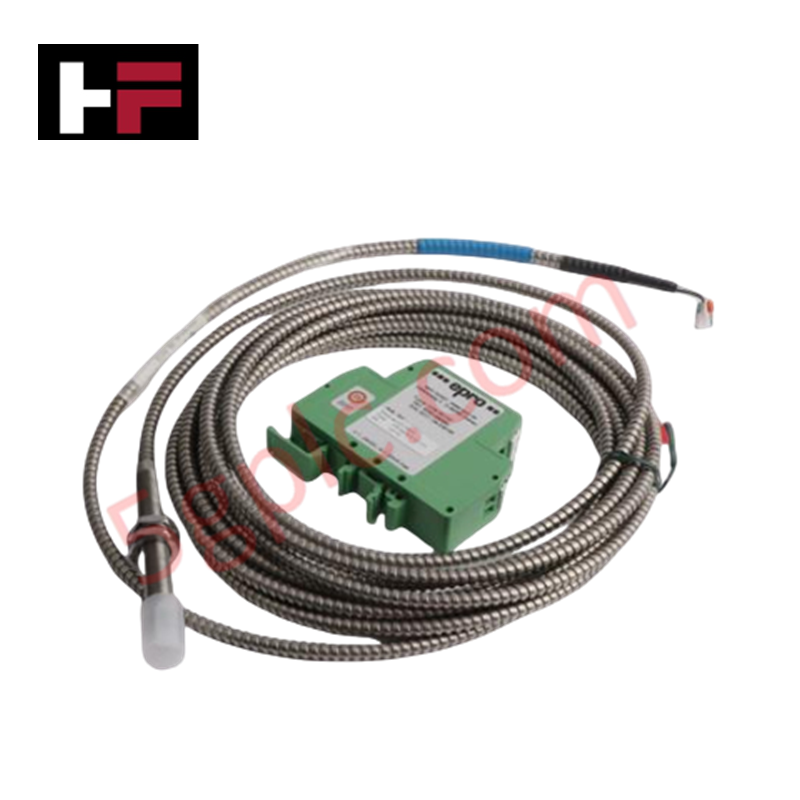
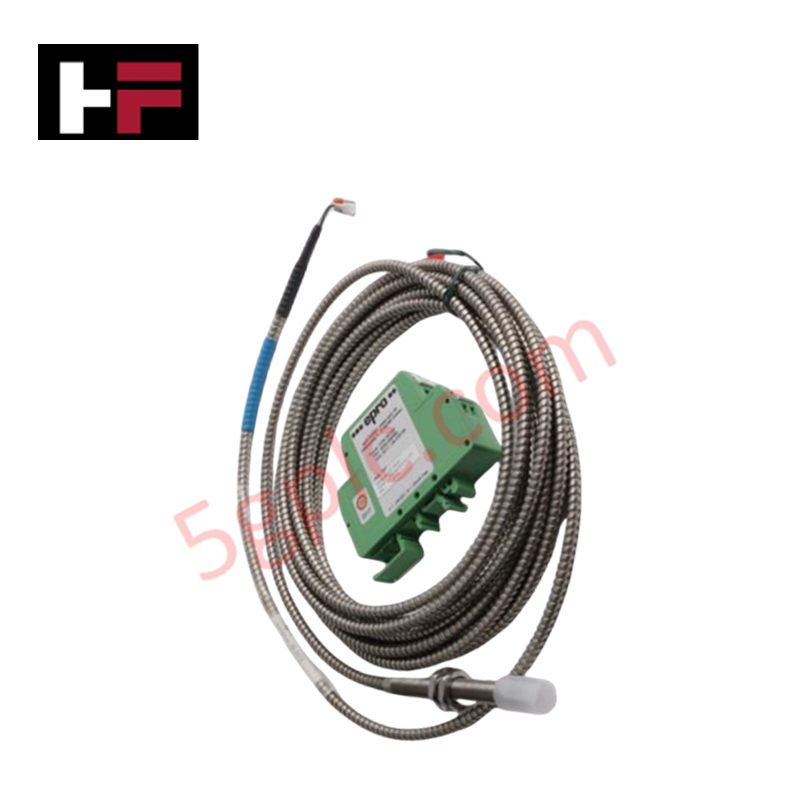
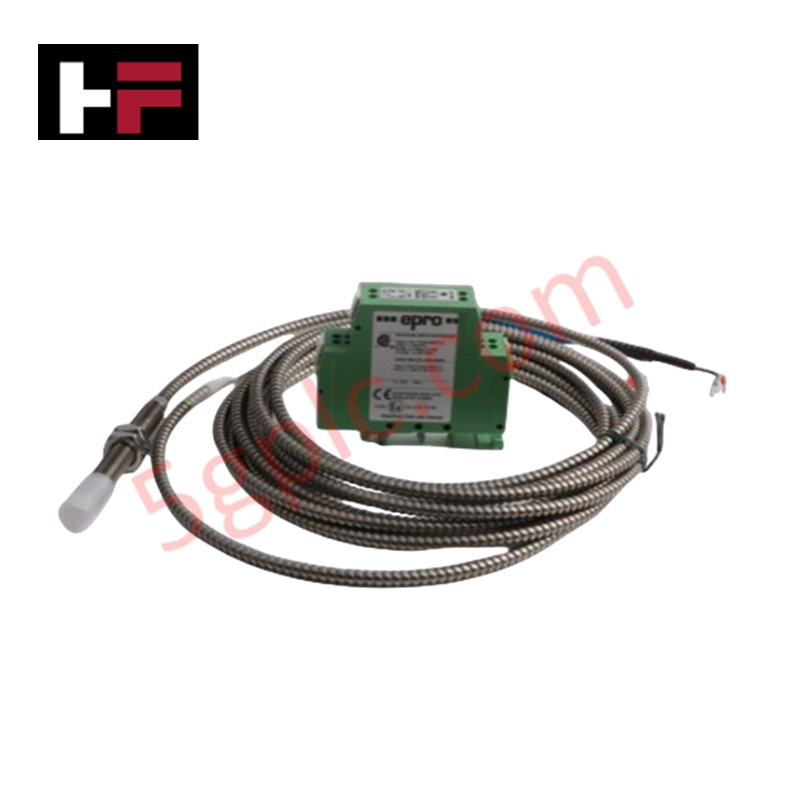
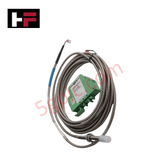
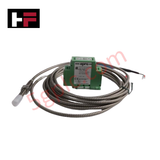
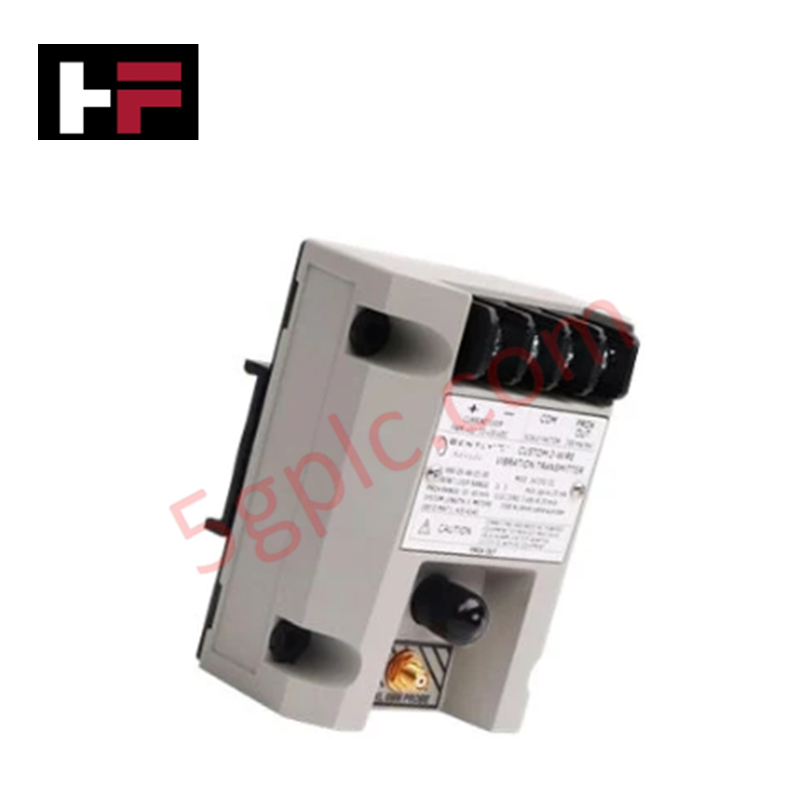
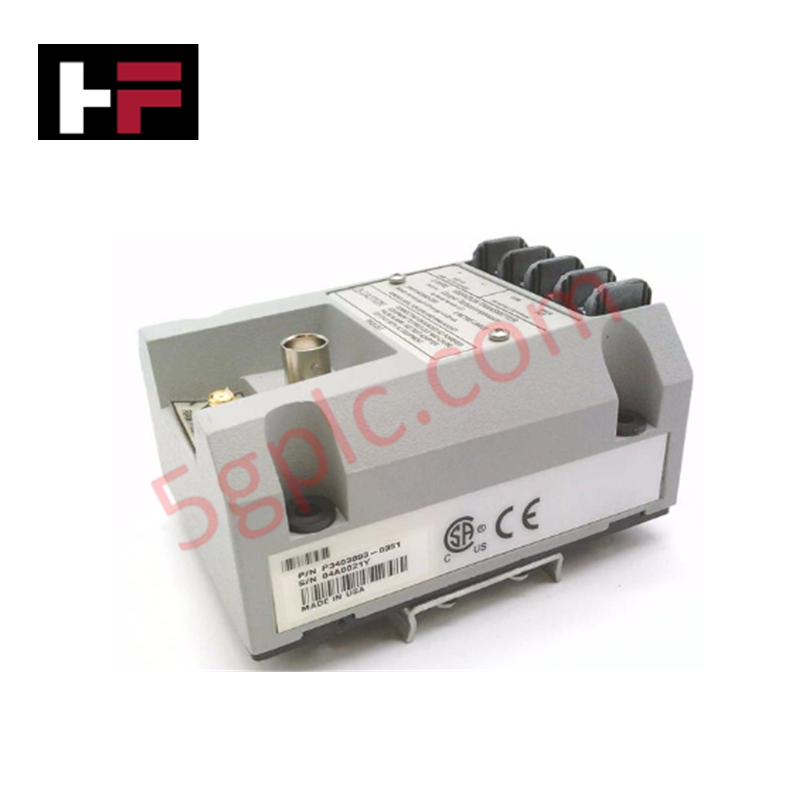
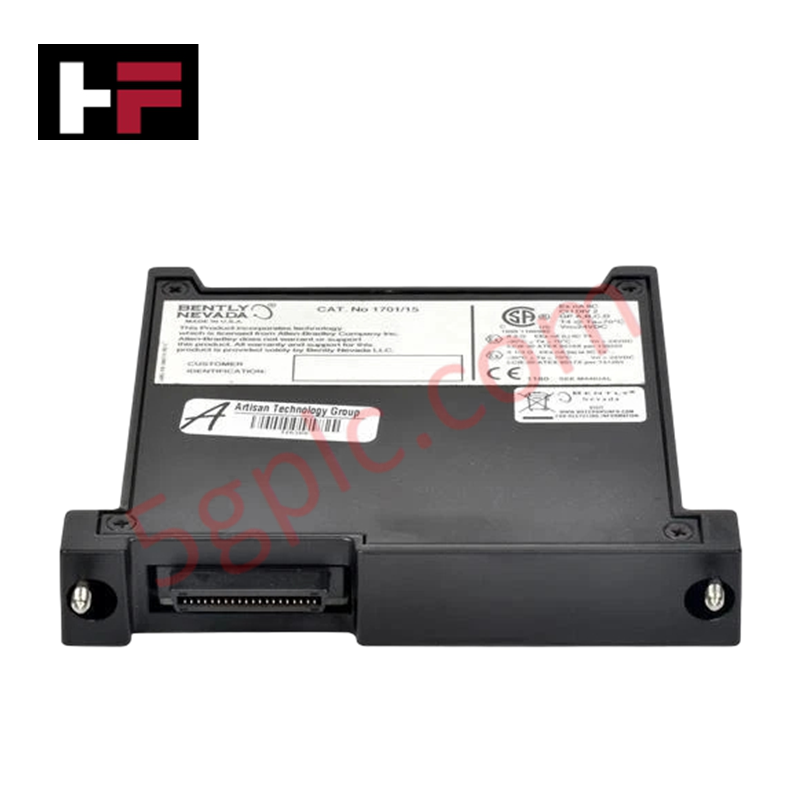
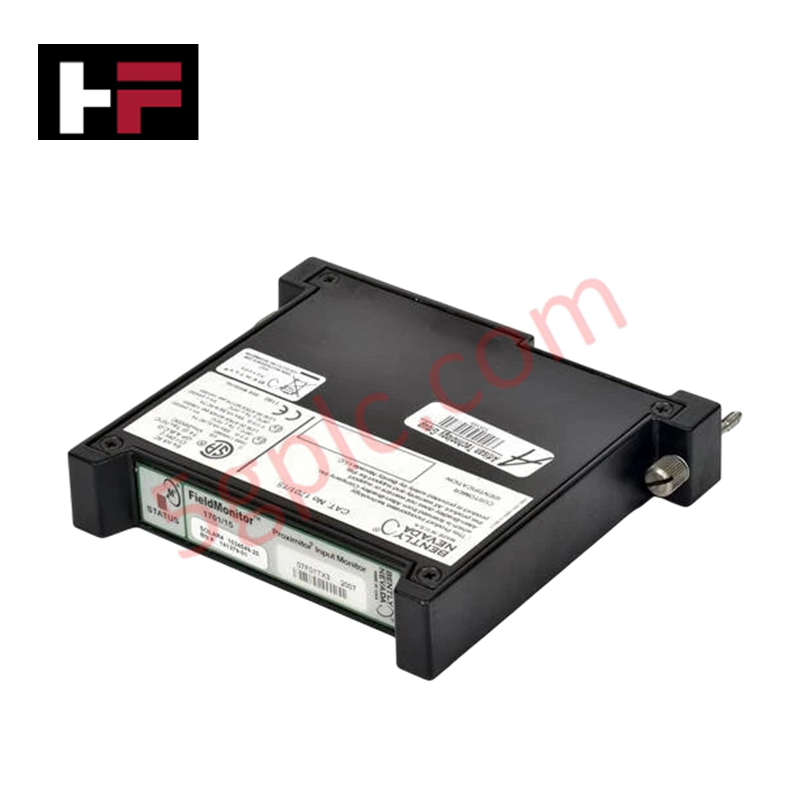
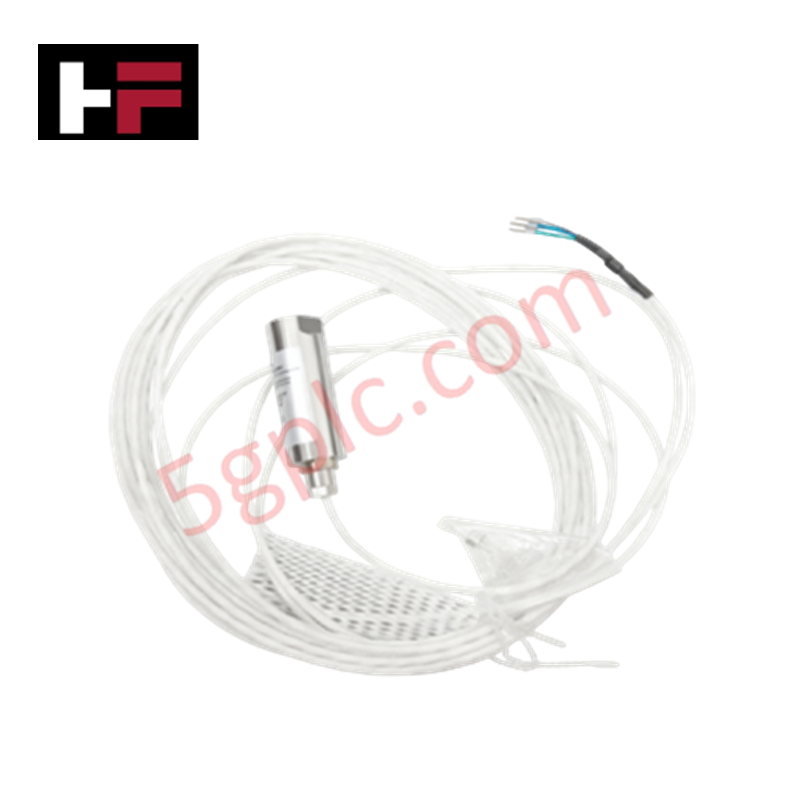
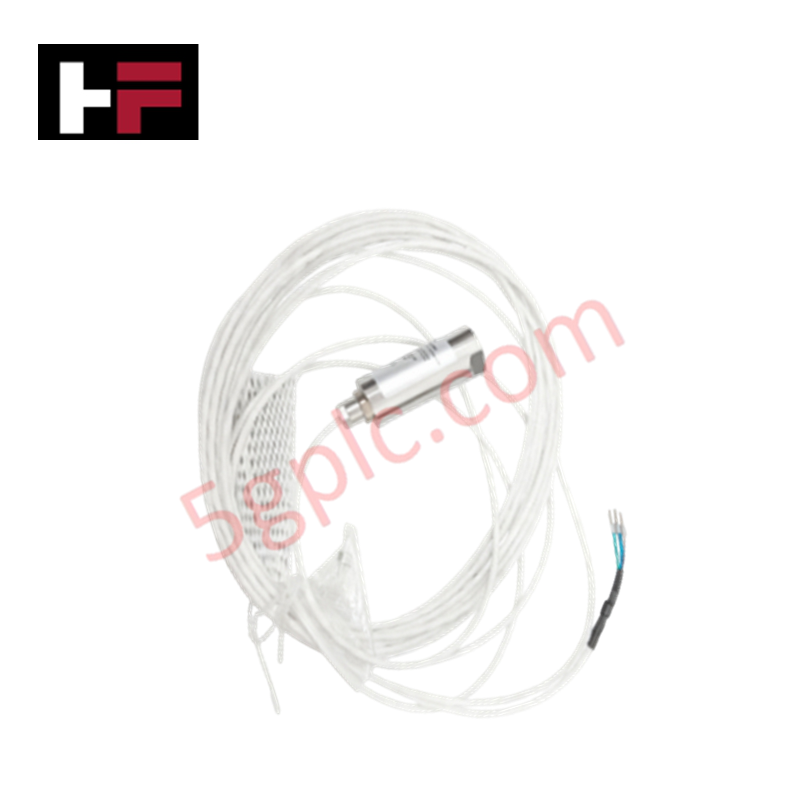
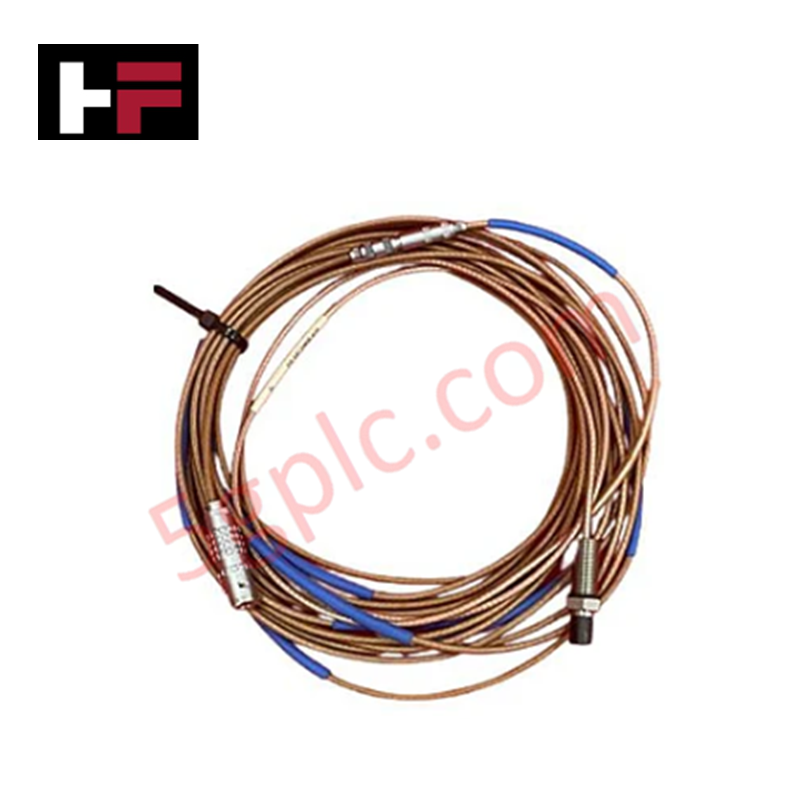
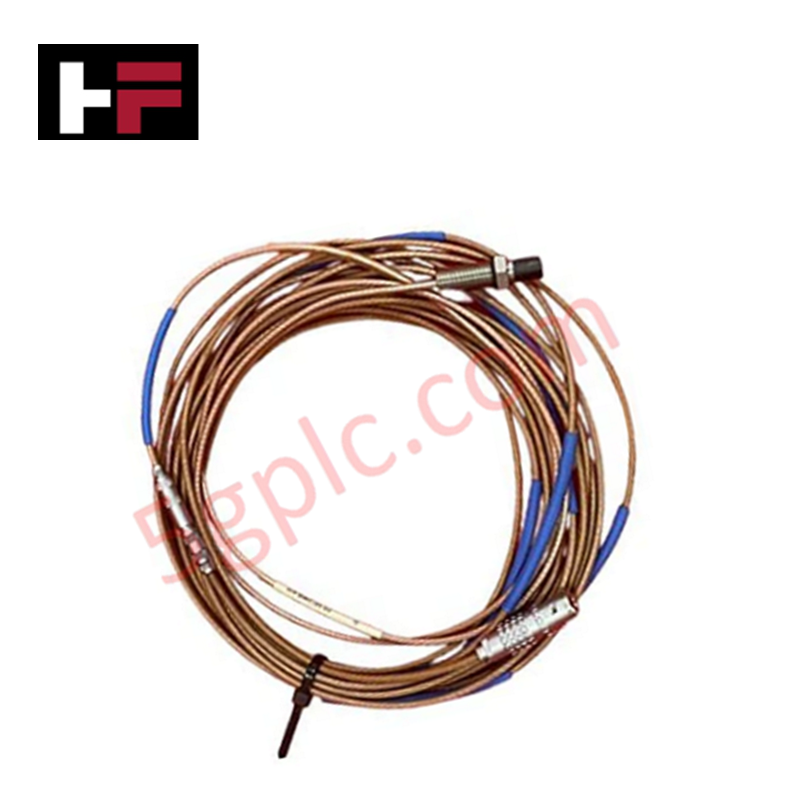
The Emerson CON021+PR6423/010-040-CN, also cataloged as the CON021+PR6423 Proximity Sensor System, operates as a dedicated hardware component for non-contact shaft displacement and vibration measurement within MMS 6000 and Ovation machinery protection platforms.
Hardware Specifications
| Parameter | Specification |
|---|---|
| Model | CON021+PR6423/010-040-CN |
| Brand | Emerson |
| Origin | USA / Germany |
| Weight | Converter: 0.2 kg; Sensor assembly: approx. 0.18 kg |
| Dimensions | Converter: 4.4 cm x 10.2 cm x 10.8 cm; Sensor tip diameter: 8 mm |
| Operating Temp | Sensor Tip: -35 to +200 deg C; Cable & Connector: -35 to +150 deg C; ISF Temperature Range: 0 to +45 deg C |
| Power Consumption | Powered via monitoring rack backplane / loop supply |
| Measuring Range | 2.0 mm (80 mils) nominal |
| Initial Air Gap | 0.5 mm (20 mils) |
| Incremental Scale Factor (ISF) | 8 V/mm (203.2 mV/mil) +/- 5% |
| Deviation from Straight Line (DSL) | +/- 0.025 mm (+/- 1 mil) |
| Target Material | 42CrMo4 (AISI/SAE 4140) standard ferromagnetic steel |
| Minimum Shaft Diameter | 25 mm |
| Cable Option (010-040) | 1.0 m integral cable length with flexible armored conduit sleeve |
| Enclosure Protection | IP66 (IEC 60529); PEEK sensor tip |
4-20 mA HART Loop Protocol and Channel Isolation
The CON021 signal converter demodulates the high-frequency electromagnetic field produced by the PR6423 probe tip, outputting a precise analog voltage signal (-2 VDC to -18 VDC linear operating range). The module is built with high channel-to-channel isolation and input filtering, preventing cross-talk and ground loop interference when interfacing with 4-20 mA HART transmitters, DCS I/O racks, or TSI monitoring nodes operating in high-EMI power generation environments.
Frequently Asked Questions
Q: What physical protection does the /010-040 suffix denote compared to standard probe options?
A: The /010-040 suffix specifies a 1.0-meter integral PTFE lead encased in a flexible armored conduit sleeve, providing mechanical protection against impact, abrasion, and hot debris in turbine housings.
Q: How is the initial gap voltage calibrated during field installation?
A: Mechanically set the probe position to an initial physical air gap of approximately 0.5 mm, then verify that the CON021 analog voltage output reads within the linear midpoint (typically -10 VDC gap voltage) before tightening locknuts.
Q: Can the integral probe cable be cut or spliced to fit spatial constraints?
A: No, the total cable length (integral lead plus extension cable) forms an engineered impedance loop tuned to the CON021 driver oscillator; cutting or trimming cable changes system calibration and introduces measuring errors.
Field Installation Guidelines
- Mount the threaded stainless steel PR6423 sensor body into the bearing housing, ensuring rigid mechanical alignment to eliminate parasitic vibration.
- Adjust probe insertion depth to achieve a static 0.5 mm air gap or an approximate -10 VDC output from the CON021 converter.
- Route the armored conduit cable along structural framework, avoiding sharp bend angles that exceed the specified minimum bend radius.
- Mount the CON021 converter module onto an aluminum DIN rail inside a low-vibration junction enclosure.
- Connect probe leads to the CON021 terminals, anchoring cable shield drain wires to a central, low-impedance earth grounding point to prevent noise coupling.
Additional Information
- 100% Genuine Parts: All products are original and authentic, ensuring reliable industrial performance.
- 30-Day Refund Guarantee: Return any in-stock item within 30 days in original, unopened packaging for a full refund (excluding shipping and fees).
- 12-Month Warranty: Covers defects in materials or workmanship; excludes misuse, normal wear, or unauthorized modifications.
- Worldwide Shipping: We ship via USPS, UPS, FedEx, and DHL. Delivery times vary by country and may be subject to customs or import fees.
- Support & Contact: Technical and warranty assistance is available anytime. Contact us here: Contact.
- Purchase Guidance: Check product specifications and compatibility carefully before ordering to ensure proper application.
Tech & Buying Guide
Demystifying the 5 Levels of Industrial Automation Architecture
Modern manufacturing relies on structured communication hierarchy to bridge physical shop-floor hardware with enterprise management software. This framework, commonly known as the Automation Pyramid, establishes how data flows between field devices, logic controllers, and corporate IT networks. Understanding these five distinct levels helps engineers and plant managers optimize system operations, reduce downtime, and implement seamless factory automation solutions.

Transforming Shop Floor Data into Actionable Insights: A Deep Dive into MES
Manufacturing Execution Systems serve as the digital backbone of modern factory floors. Positioned at Level 3 of the ISA-95 automation pyramid, MES links enterprise resource planning with real-time shop floor control systems. Today, industrial operators rely on MES software to bridge operational strategy with physical production execution.