












Product Details
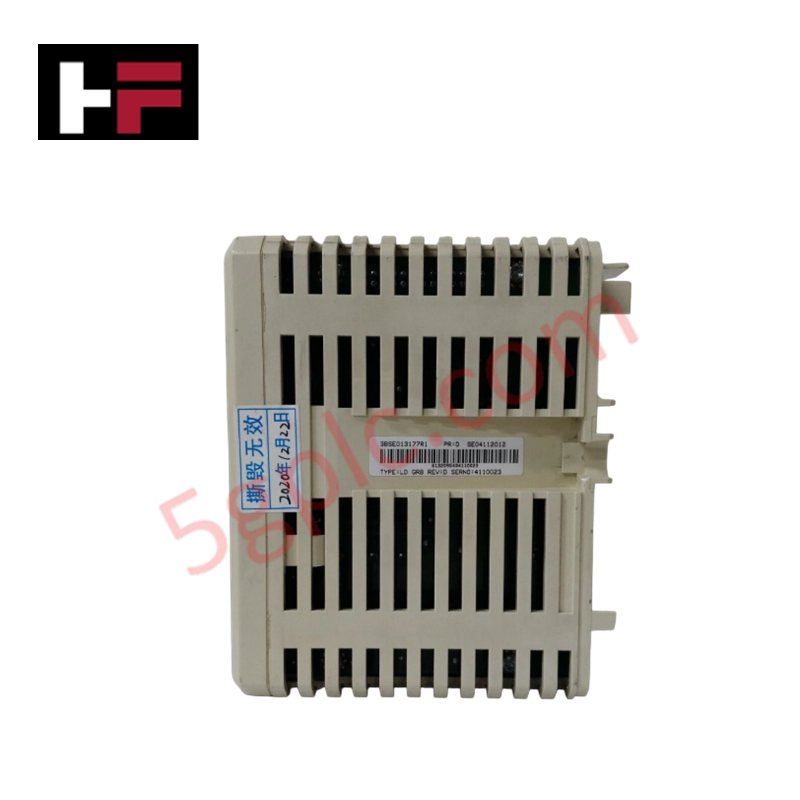
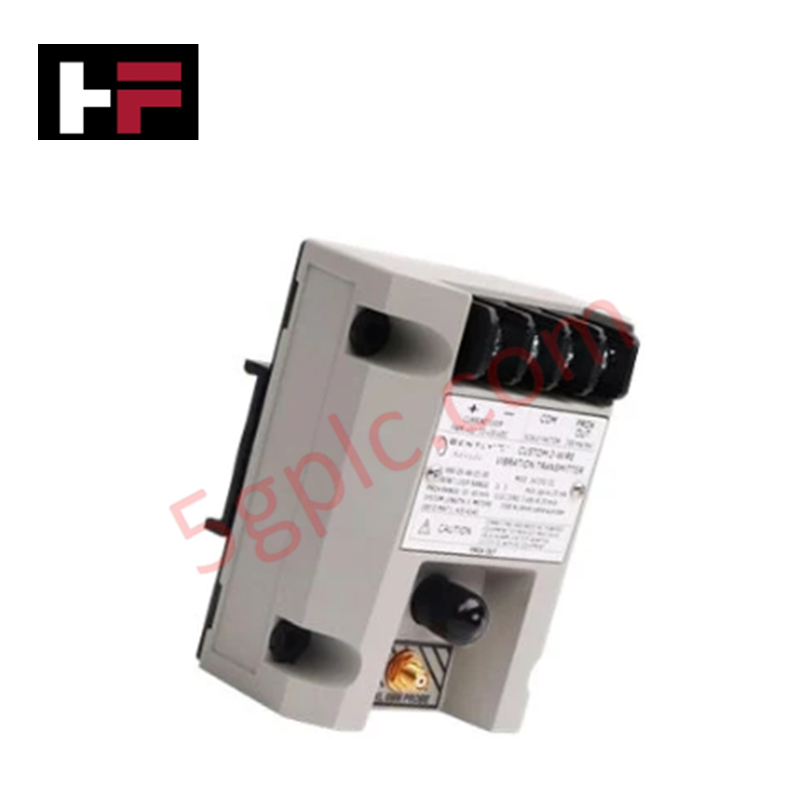
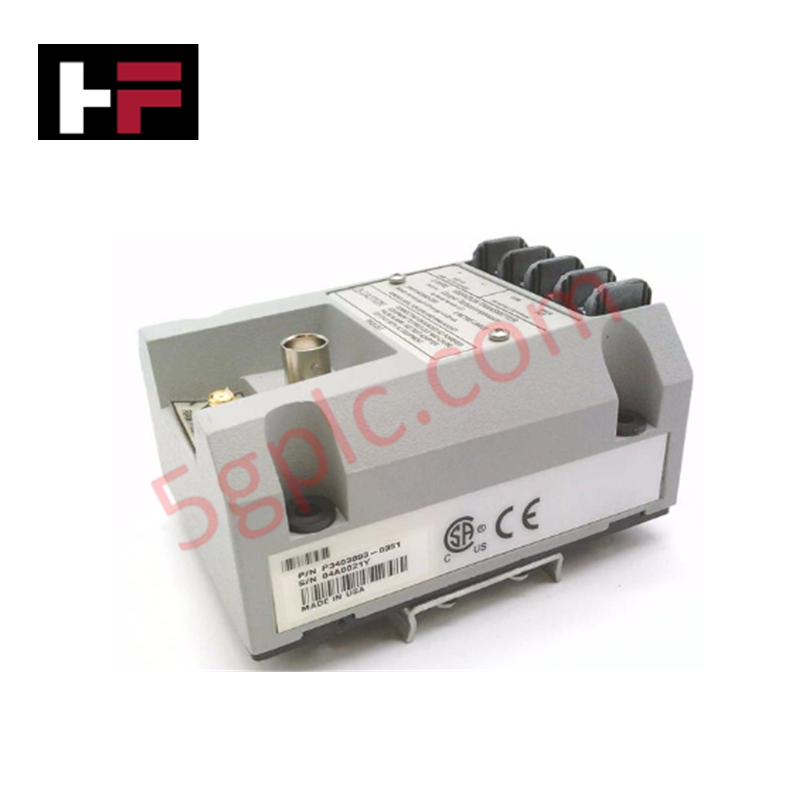
The ABB LDGRB-01 3BSE013177R1, also cataloged as the LDGRB-01 Ground Fault Monitoring Device, operates as a dedicated hardware component for leakage current detection and ground protection within ungrounded AC and DC control networks. The DIN-rail mounted module continuously samples ground fault flow vectors, driving onboard relay contact outputs to trip circuit breakers and isolate electrical hazards upon fault threshold breach.
Hardware Specifications
| Parameter | Specification |
|---|---|
| Model | LDGRB-01 (3BSE013177R1) |
| Brand | ABB |
| Rated Voltage | 380 VAC |
| Rated Frequency | 50 Hz |
| Rated Current Range | 1.5 A to 350 A |
| Operating Temp | -20 deg C to +40 deg C |
| Ingress Protection Rating | IP55 |
| Mounting Orientation | Multiple positions (M1 through M6) |
| Efficiency | Up to 97% |
| Acoustic Noise Level | Less than 80 dB |
| Power Consumption | System powered via internal control bus circuits |
| Dimensions | Standard DIN-rail module form factor |
| Weight | Standard control module rating |
| Field Interfaces | Digital inputs, relay outputs, Modbus/Profibus bus port |
| Origin | Sweden |
Deterministic Networks & Fieldbus Communication Integration
The ABB LDGRB-01 architecture incorporates dedicated bus controller hardware to sustain stable data transmission across Profinet and fieldbus networks. The onboard processing unit evaluates incoming digital triggers and fault currents without introducing latency to downstream industrial controllers. Firmware flash compatibility maintains parameter configuration memory during power outages, ensuring consistent relay output tripping curves and load grouping thresholds across integrated DCS and PLC control loops.
Frequently Asked Questions
Q: How does the LDGRB-01 handle external trip trigger conditions from secondary protection units?
A: The module utilizes galvanically isolated digital input channels configured to register external dry-contact closure or logic state changes, executing immediate relay trip output sequences.
Q: Can the ground fault monitoring parameters be modified over the serial interface during operation?
A: Yes. Parameter values can be updated over the onboard Modbus/Profibus fieldbus port, provided the controller possesses valid flash write authorization levels and the main control loop remains in a safe monitoring state.
Q: What mounting configurations are permitted to maintain the IP55 ingress rating?
A: The module supports mechanical installation across defined mounting positions M1 through M6 on standard DIN rails inside sealed enclosure assemblies.
Field Installation Guidelines
Observe the following procedures when installing and wiring the ground fault monitoring module:
- Power De-energization: Lock out and tag out all 380 VAC power lines feeding the target control enclosure. Verify the absence of potential using a calibrated multimeter prior to handling conductor terminals.
- DIN-Rail Mounting: Snap the module onto an omega-profile 35 mm DIN rail in any approved mounting orientation (M1 to M6). Ensure the rear metal locking clip fully engages the rail.
- Grounding & Shielding: Connect the module ground terminal directly to the main copper earth busbar using a short, low-impedance conductor. Route communication cables in shielded twisted-pair wiring away from high-current AC motor leads.
- Signal Terminal Wiring: Secure load grouping digital inputs and trip relay output wires into the screw terminal blocks, torquing terminal screws to 0.5 N-m to prevent high-vibration loose contacts.
Additional Information
- 100% Genuine Parts: All products are original and authentic, ensuring reliable industrial performance.
- 30-Day Refund Guarantee: Return any in-stock item within 30 days in original, unopened packaging for a full refund (excluding shipping and fees).
- 12-Month Warranty: Covers defects in materials or workmanship; excludes misuse, normal wear, or unauthorized modifications.
- Worldwide Shipping: We ship via USPS, UPS, FedEx, and DHL. Delivery times vary by country and may be subject to customs or import fees.
- Support & Contact: Technical and warranty assistance is available anytime. Contact us here: Contact.
- Purchase Guidance: Check product specifications and compatibility carefully before ordering to ensure proper application.
Tech & Buying Guide

Redundant Automation Systems: Maximizing Uptime in Critical Control Applications
Industrial automation relies on continuous operational stability to prevent catastrophic downtime and financial loss. While standard dictionary definitions treat redundancy as superfluous, industrial engineers consider redundant control architectures indispensable for high-availability systems. Implementing backup hardware ensures seamless takeover during primary equipment failures, protecting critical infrastructure across manufacturing and process industries.

Demystifying the 5 Levels of Industrial Automation Architecture
Modern manufacturing relies on structured communication hierarchy to bridge physical shop-floor hardware with enterprise management software. This framework, commonly known as the Automation Pyramid, establishes how data flows between field devices, logic controllers, and corporate IT networks. Understanding these five distinct levels helps engineers and plant managers optimize system operations, reduce downtime, and implement seamless factory automation solutions.

Transforming Shop Floor Data into Actionable Insights: A Deep Dive into MES
Manufacturing Execution Systems serve as the digital backbone of modern factory floors. Positioned at Level 3 of the ISA-95 automation pyramid, MES links enterprise resource planning with real-time shop floor control systems. Today, industrial operators rely on MES software to bridge operational strategy with physical production execution.