










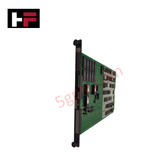
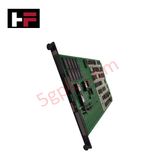
Product Details
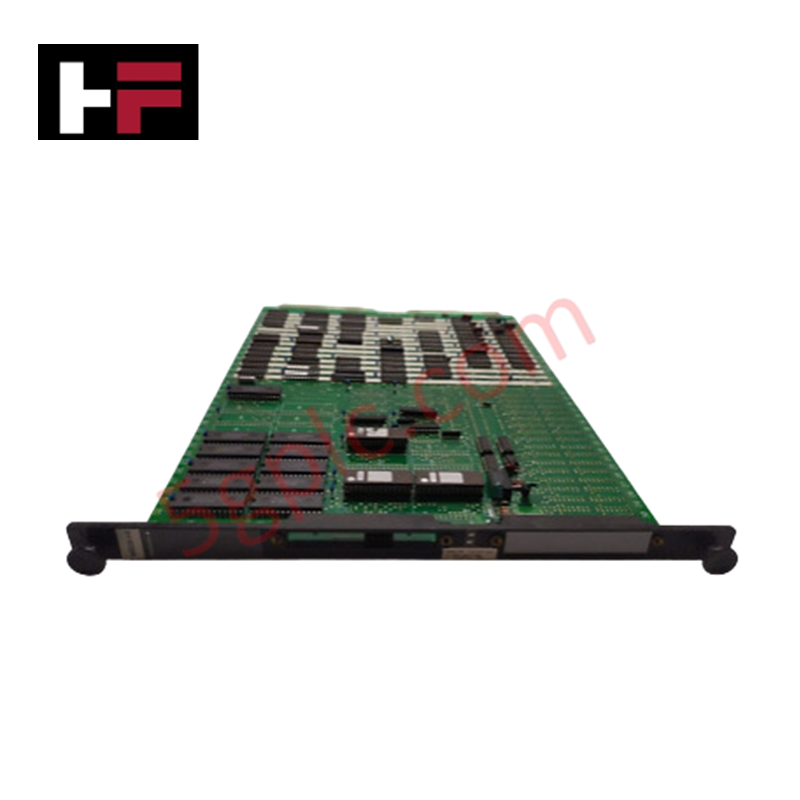
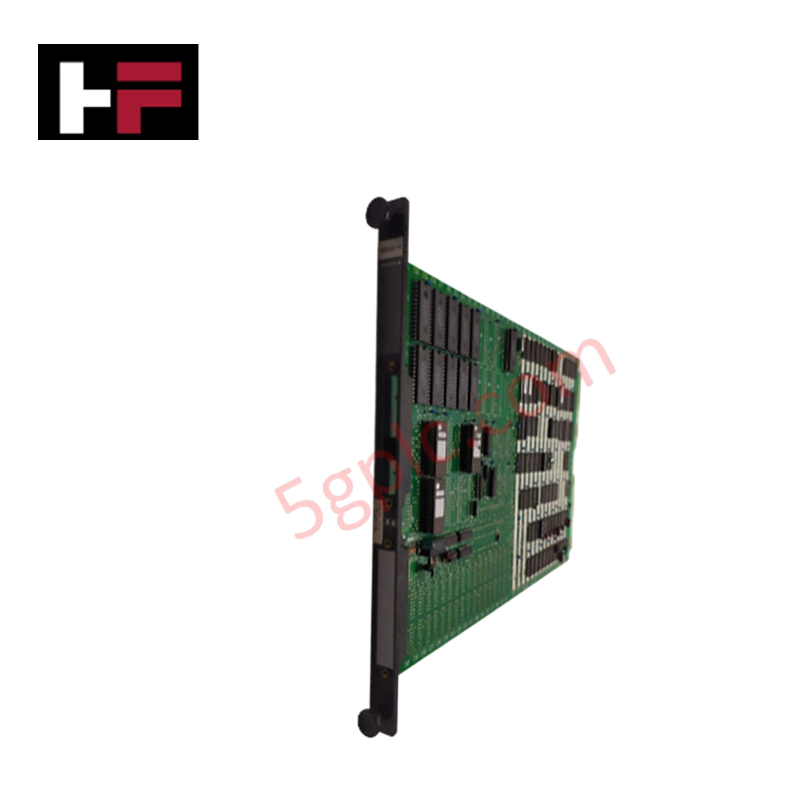
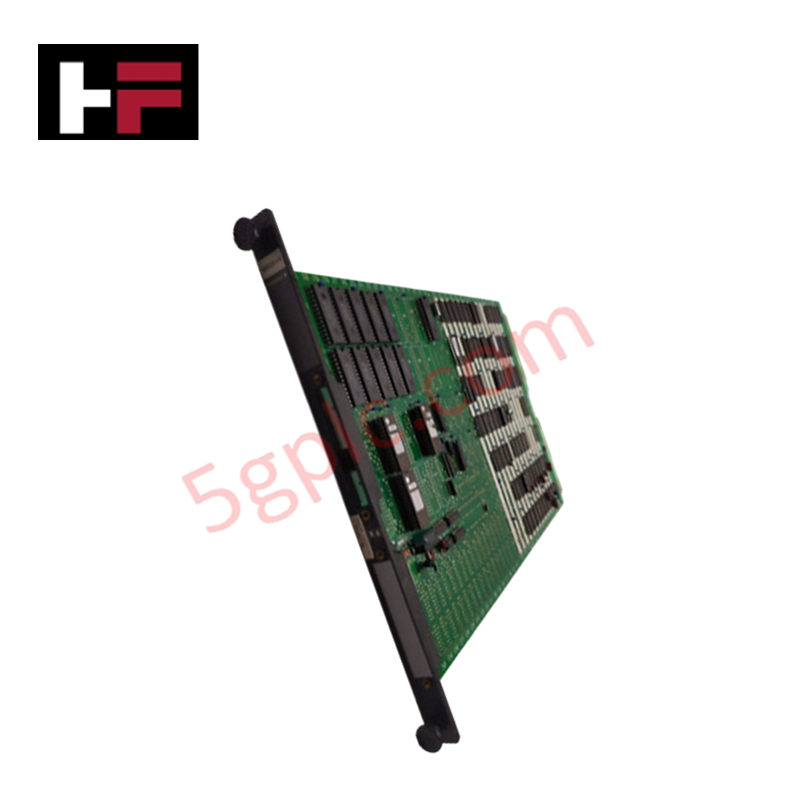
Configured for power conversion and backplane logic supply in CENTUM VP and CS 3000 networks, the Yokogawa MS05*B (MS05 Power Supply Module) provides direct physical/electrical execution. The hardware converts incoming 24 VDC power into regulated 5 VDC rails to drive local processing subassemblies within Field Control Unit (FCU) subracks.
Hardware Specifications
| Parameter | Specification |
|---|---|
| Model | MS05*B |
| Brand | Yokogawa |
| Origin | Japan |
| Weight | 0.35 kg |
| Dimensions | 120 mm x 25 mm x 130 mm |
| Operating Temp | 0 to 60 deg C |
| Power Consumption | 30 W |
| Input Voltage | 24 VDC nominal (20 to 30 VDC range) |
| Output Voltage | 5 VDC |
| Output Current | Up to 5 A |
| Isolation | 1500 VAC (input-to-output, 1 min) |
| Protection Features | Overcurrent, overvoltage, short-circuit protection |
| System Compatibility | CENTUM VP, CS 3000 |
Power Conditioning & Channel Isolation
The power supply module accepts a nominal 24 VDC input and utilizes internal switching regulator topologies to generate a stabilized 5 VDC bus line capable of sourcing up to 5 A. To maintain system reference ground stability and decouple the internal FCU logic from upstream electrical transients, the hardware incorporates a galvanic isolation layer rated at 1500 VAC between input and output networks. Integrated circuits feature automated overcurrent, overvoltage, and short-circuit protection arrays alongside 4-20 mA HART loop protocol compatibility on connected loop channels. Real-time diagnostics are output through front-panel LED indicators displaying RUN, FAIL, and input status.
Frequently Asked Questions
Q: How does the MS05*B handle load sharing when deployed in dual-redundant configurations?
A: When two modules occupy redundant slots in the FCU backplane, internal diode-ORing logic balances the current demand across both units; if one module experiences an internal breakdown, the parallel unit assumes the full 5 A current load without a voltage sag on the 5 VDC logic bus.
Q: What is the significance of the front-panel FAIL LED illuminating while the input voltage remains within the 20 to 30 VDC range?
A: An active FAIL LED under nominal input conditions indicates that secondary internal diagnostics have detected an out-of-spec voltage drop on the 5 VDC output rail or an over-temperature state.
Field Installation Guidelines
- Subrack Alignment: Align the module card rails with the designated slot tracks inside the FCU chassis. Slide the unit inward until the backplane connectors fully seat, then tighten retaining screws to lock the assembly against vibration.
- Input Power Termination: Route incoming 24 VDC power lines through independent wire ducts, keeping them physically separated from high-voltage AC lines. Ensure terminal connection screws are tightened to standard engineering torque limits.
- Grounding Protocols: Connect the main chassis protective grounding wire directly to the cabinet ground bar using heavy-gauge copper conductors to minimize common-mode noise.
- Thermal Management: Maintain clear air convection passages above and below the FCU rack, ensuring cabinet ambient temperatures remain within 0 to 60 deg C under full load.
Additional Information
- 100% Genuine Parts: All products are original and authentic, ensuring reliable industrial performance.
- 30-Day Refund Guarantee: Return any in-stock item within 30 days in original, unopened packaging for a full refund (excluding shipping and fees).
- 12-Month Warranty: Covers defects in materials or workmanship; excludes misuse, normal wear, or unauthorized modifications.
- Worldwide Shipping: We ship via USPS, UPS, FedEx, and DHL. Delivery times vary by country and may be subject to customs or import fees.
- Support & Contact: Technical and warranty assistance is available anytime. Contact us here: Contact.
- Purchase Guidance: Check product specifications and compatibility carefully before ordering to ensure proper application.


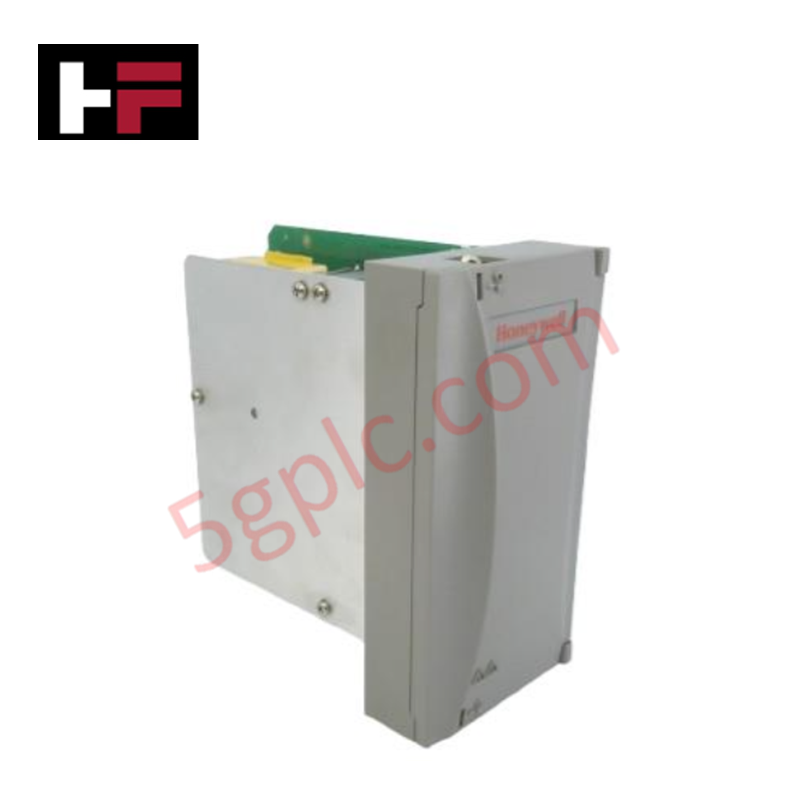

Tech & Buying Guide

Spatial Computing in Industrial Automation: Elevating PLC and DCS Operations with AR and VR
Industry 4.0 integrates digital intelligence into field operations, transforming factory automation landscapes worldwide. Spatial technologies—specifically Augmented Reality (AR) and Virtual Reality (VR)—redefine how engineers interact with industrial control systems. By bridging computer-generated CAD models with real-time operational technology (OT) data, immersive displays enable intuitive monitoring, rapid diagnostics, and safer maintenance across complex processing facilities.

Master Acceptance Testing: Understanding FAT and SAT in Industrial Control Systems
Factory Acceptance Testing (FAT) and Site Acceptance Testing (SAT) serve as critical quality assurance gateways in complex industrial control systems. Both procedures verify that programmable logic controllers (PLCs), distributed control systems (DCS), and associated field devices meet strict functional specifications. However, executing these tests effectively requires clear delineation between off-site staging and final field commissioning.

Industrial Networking Essentials: Demystifying Hubs, Switches, and Routers in Control Systems
Industrial automation relies heavily on robust networking infrastructure to connect programmable logic controllers (PLCs), distributed control systems (DCS), and human-machine interfaces (HMIs). Modern factory automation environments generate vast amounts of real-time operational data across deterministic networks. Understanding the structural differences between hubs, switches, and routers ensures optimal traffic segmentation, minimizes latency, and maintains high network availability.