










Product Details
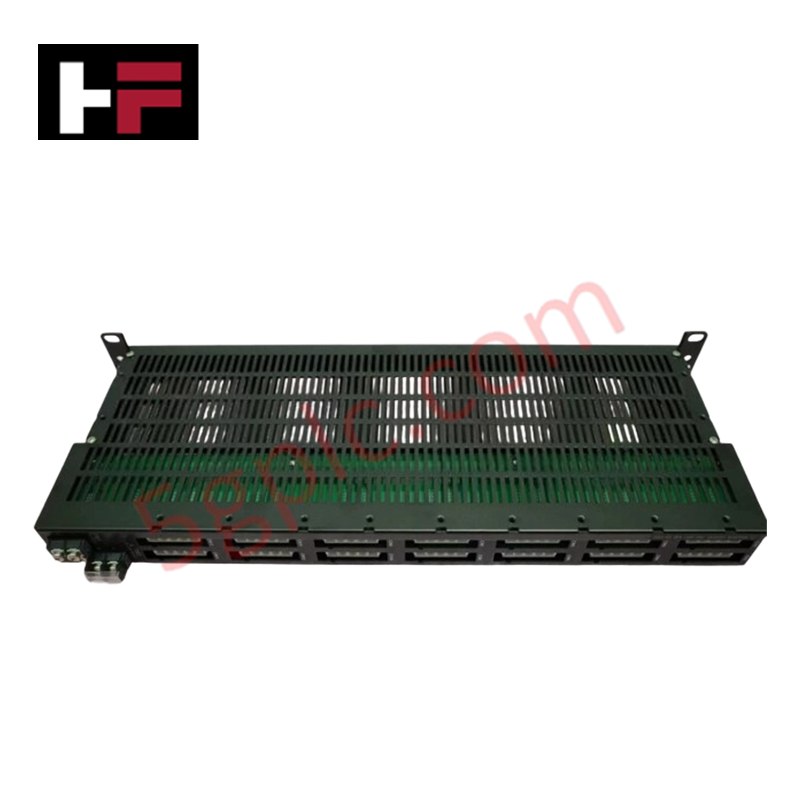
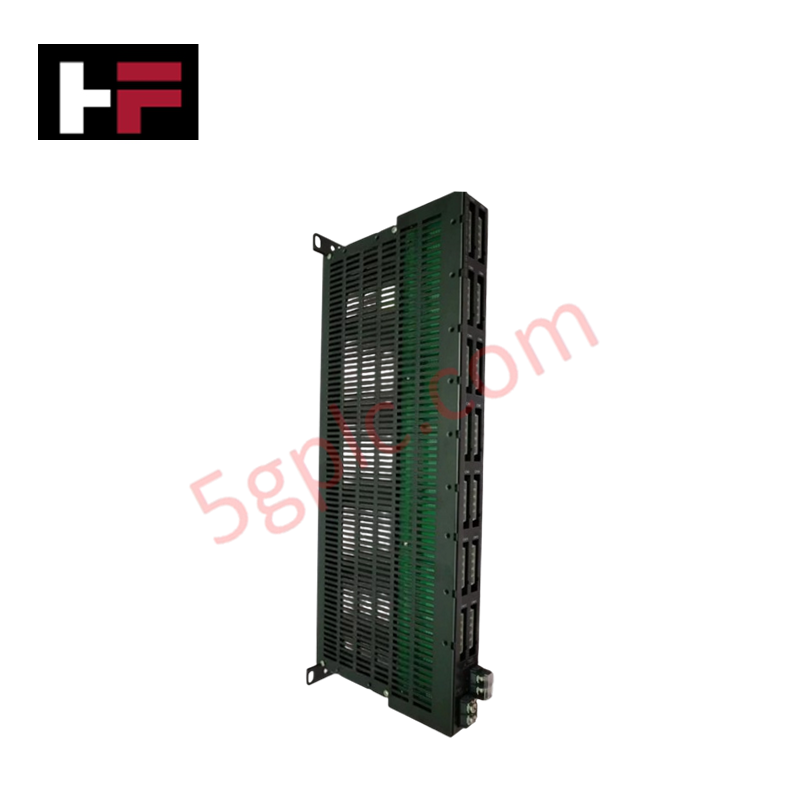
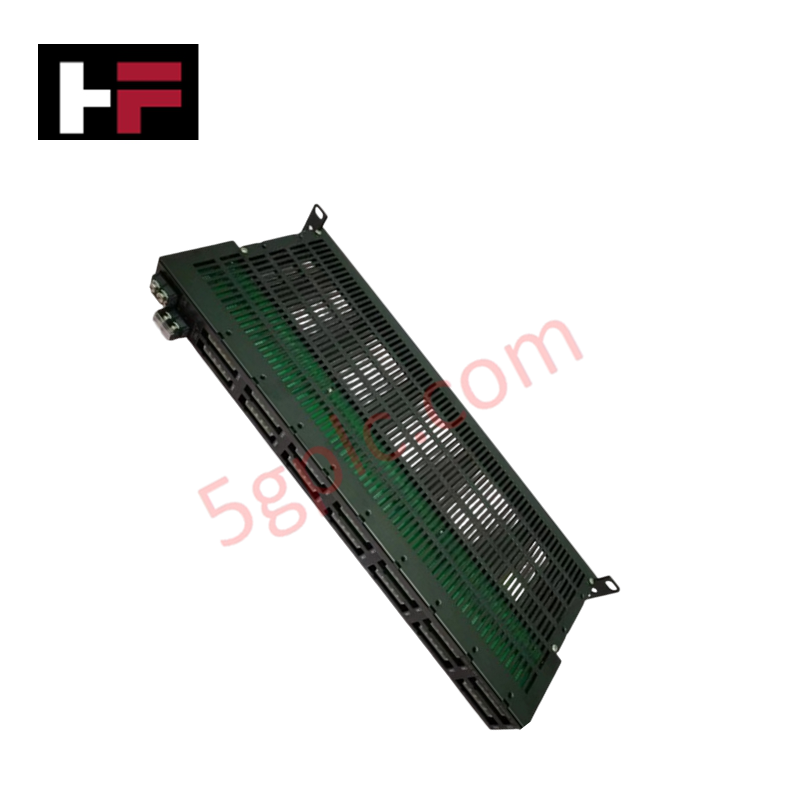
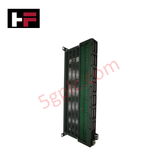
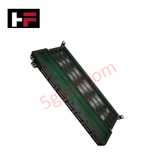
Configured for infrastructure electrical distribution in Yokogawa DCS architectures, the Yokogawa AEP7D-21 (AEP7D Primary Power Supply Bus Unit) provides direct physical/electrical execution. The hardware accepts high-voltage nominal alternating current sources to establish and partition stabilized primary power rails across internal system backplane components.
Suffix Breakdown & Model Matrix
- -2: Configured for 220 to 240 V AC nominal input voltage range.
- 1: Standard design modification or revision sequence designation.
Hardware Specifications
| Parameter | Specification |
|---|---|
| Model | AEP7D-21 |
| Brand | Yokogawa |
| Origin | Japan |
| Weight | 5 kg (Shipping weight) |
| Dimensions | Standard Yokogawa system rack chassis dimensions |
| Operating Temp | Standard industrial operating limits (refer to system enclosure manuals) |
| Power Consumption | Input line source dependent based on downstream subsystem loading |
| Input Voltage Range | 220 to 240 V AC |
| Withstanding Voltage | 1500 V AC between input terminal and system ground |
| Product Type | Primary Power Supply Bus Unit |
Process Control & Channel-to-Channel Isolation
The power distribution unit topology enforces independent electrical separation barriers across internal supply tracks to achieve robust channel-to-channel isolation metrics. By segregating the incoming 220 to 240 V AC incoming feeds through inductive filtering networks and precise dielectric gaps rated for 1500 V AC withstand thresholds, the module prevents line transients or localized load shorts from propagating cross-talk interference to adjacent supply branches. This isolation safeguards parallel DCS controller racks against widespread power bus collapse.
Frequently Asked Questions
Q: What is the technical function of the 1500 V AC withstanding voltage parameter?
A: This parameter defines the maximum dielectric test limit. The internal isolation barriers are designed to prevent dangerous high-voltage electrical breakdown from the 220-240 V AC supply terminals into the low-voltage DC system logic circuits for a duration of one minute.
Q: Can the unit be hot-swapped while the primary power supply bus is energized?
A: No, hot-swapping a primary distribution bus unit under active electrical load is prohibited. The upstream AC line breakers must be isolated and locked out before extracting the unit to avoid high-energy arcing across the backplane terminal connectors.
Field Installation Guidelines
- Chassis Mounting and Grounding: Secure the assembly using standard rack-mount screw configurations. The unit chassis terminal must be wired directly to the master cabinet safety copper ground bar using a low-impedance conductor to safely drain transient surge currents.
- Input Cabling Infrastructure: Route the 220 to 240 V AC supply conductors through separate physical raceways or wire trays away from low-voltage 4-20 mA HART signal loops to limit electromagnetic noise injection.
- Thermal Monitoring Controls: Due to the 5 kg thermal and physical mass, ensure unrestricted vertical airflow through the cabinet ventilation paths to prevent localized heat accumulation during maximum power distribution cycles.
Additional Information
- 100% Genuine Parts: All products are original and authentic, ensuring reliable industrial performance.
- 30-Day Refund Guarantee: Return any in-stock item within 30 days in original, unopened packaging for a full refund (excluding shipping and fees).
- 12-Month Warranty: Covers defects in materials or workmanship; excludes misuse, normal wear, or unauthorized modifications.
- Worldwide Shipping: We ship via USPS, UPS, FedEx, and DHL. Delivery times vary by country and may be subject to customs or import fees.
- Support & Contact: Technical and warranty assistance is available anytime. Contact us here: Contact.
- Purchase Guidance: Check product specifications and compatibility carefully before ordering to ensure proper application.


Tech & Buying Guide

Marshalling Cabinet Preventive Maintenance: Essential Healthiness Checks for PLC, DCS, and ESD Systems
Marshalling cabinets serve as the vital interface between field instrumentation and control room electronics in modern process facilities. Regular preventive maintenance of these cabinets ensures signal integrity across programmable logic controllers (PLCs), distributed control systems (DCS), and emergency shutdown (ESD) networks. System technicians must execute structured inspection protocols to mitigate environmental risks, identify loose wiring, and maintain continuous operational readiness.

Spatial Computing in Industrial Automation: Elevating PLC and DCS Operations with AR and VR
Industry 4.0 integrates digital intelligence into field operations, transforming factory automation landscapes worldwide. Spatial technologies—specifically Augmented Reality (AR) and Virtual Reality (VR)—redefine how engineers interact with industrial control systems. By bridging computer-generated CAD models with real-time operational technology (OT) data, immersive displays enable intuitive monitoring, rapid diagnostics, and safer maintenance across complex processing facilities.

Master Acceptance Testing: Understanding FAT and SAT in Industrial Control Systems
Factory Acceptance Testing (FAT) and Site Acceptance Testing (SAT) serve as critical quality assurance gateways in complex industrial control systems. Both procedures verify that programmable logic controllers (PLCs), distributed control systems (DCS), and associated field devices meet strict functional specifications. However, executing these tests effectively requires clear delineation between off-site staging and final field commissioning.