













Product Details
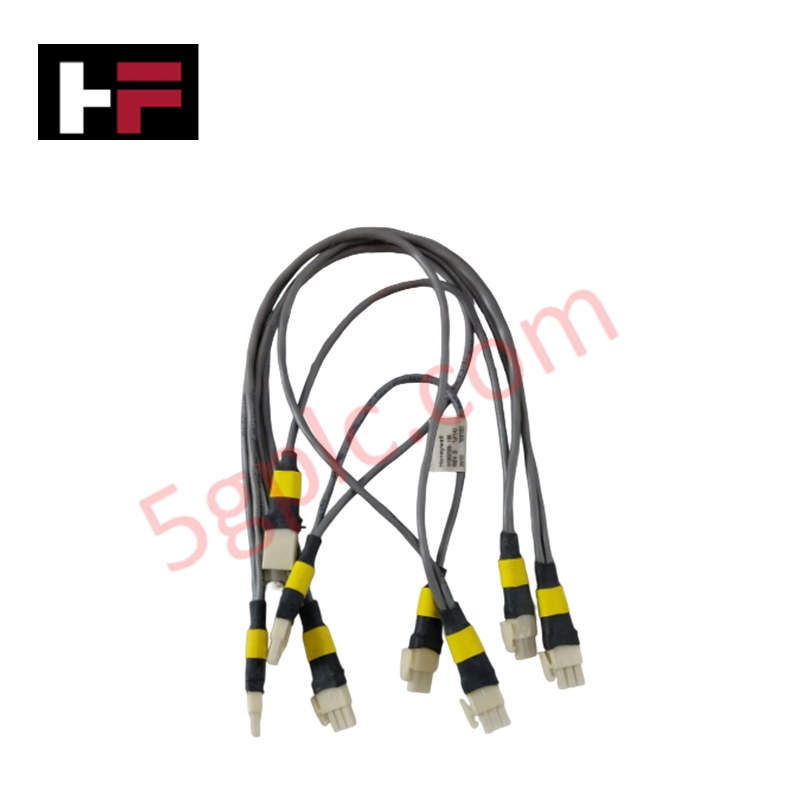
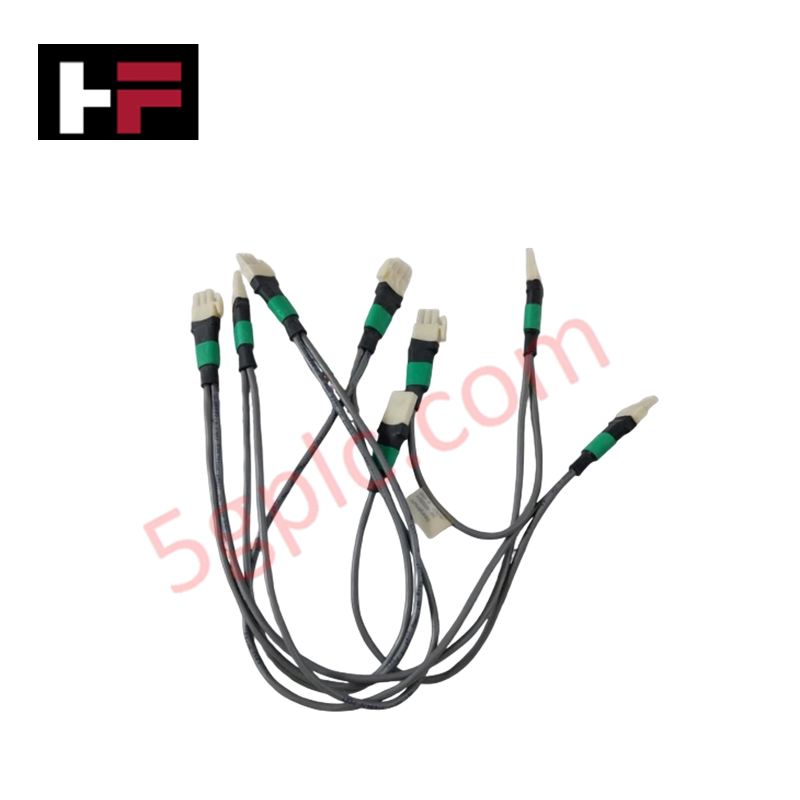
Configured for high-density 24 VDC power supply delivery in PULSE back panel assemblies, the Honeywell 51202960-100 (51202960 Analog Input Module / Power Supply) provides direct physical/electrical execution. The hardware manages a continuous 20 A output distribution loop while providing high-grade isolation and environmental hardening across DCS process field architectures.
Hardware Specifications
| Parameter | Specification |
|---|---|
| Model | 51202960-100 |
| Brand | Honeywell |
| Origin | USA |
| Weight | 0.4 kg |
| Dimensions | 7 x 14 x 14.5 cm |
| Operating Temp | -40 deg C to +85 deg C |
| Power Consumption | 24 VDC, 20 A output capacity |
| Module Type | Power Supply Module / Analog Input |
| System Architecture | DCS / Experion PKS / PULSE Back Panel |
| Environmental Resistance | ASTM B117 salt spray (96 hrs), Humidity compliant |
| Standard Compliance | COTS-compliant |
Channel-to-Channel Isolation and CJC Performance
The module integrates channel-to-channel isolation topology to prevent stray ground loops and differential voltage transients from corrupting primary analog signal lines. In process instrumentation loops utilizing HART communication and 4-20 mA signaling, cold junction compensation (CJC) algorithms ensure thermal gradient suppression across terminal junction blocks. Signal lines maintain high signal-to-noise ratios even when subjected to ambient industrial electromagnetic interference and continuous load variance across the PULSE backplane termination assembly.
Frequently Asked Questions
Q: Does the module support hot-swapping during active backplane operation?
A: Yes, the unit can be inserted into or removed from a live PULSE back panel assembly provided the system ground connection remains firmly grounded to prevent backplane voltage spikes.
Q: What are the thermal dissipation considerations when operating at maximum load?
A: The module is rated for ambient operational limits from -40 deg C to +85 deg C, but passive convective cooling must be maintained inside the cabinet enclosure to prevent thermal throttling at the full 20 A output boundary.
Field Installation Guidelines
- Enclosure & Mounting: Install the module vertically on the dedicated PULSE series back panel sub-rack to ensure proper vertical convection airflow across internal heat sinks.
- Grounding & Shielding: Connect all analog signal drain wires to a dedicated instrumentation earth ground bar. Keep signal grounding distinct from protective safety ground (PE) to minimize high-frequency noise coupling.
- Wiring Practice: Use twisted-pair shielded cables for 4-20 mA signaling loops. Route low-voltage analog wiring away from high-voltage AC distribution power cables, maintaining a minimum physical separation distance of 300 mm.
- Terminal Torque Constraints: Secure all terminal screws to the manufacturer-specified torque limits to prevent intermittent open-circuit faults caused by mechanical vibration.
Additional Information
- 100% Genuine Parts: All products are original and authentic, ensuring reliable industrial performance.
- 30-Day Refund Guarantee: Return any in-stock item within 30 days in original, unopened packaging for a full refund (excluding shipping and fees).
- 12-Month Warranty: Covers defects in materials or workmanship; excludes misuse, normal wear, or unauthorized modifications.
- Worldwide Shipping: We ship via USPS, UPS, FedEx, and DHL. Delivery times vary by country and may be subject to customs or import fees.
- Support & Contact: Technical and warranty assistance is available anytime. Contact us here: Contact.
- Purchase Guidance: Check product specifications and compatibility carefully before ordering to ensure proper application.


Tech & Buying Guide

Hub vs Switch vs Router in Industrial Automation Architecture
Modern factory automation relies on reliable industrial networking infrastructure to exchange real-time field data across operational technology systems. Engineers often encounter networking hardware like hubs, switches, and routers when integrating Programmable Logic Controllers, Distributed Control Systems, and SCADA monitoring nodes. Although these devices share physical ports, they operate at different layers of the Open Systems Interconnection reference model and deliver distinct traffic management capabilities.

Marshalling Cabinet Preventive Maintenance: Essential Healthiness Checks for PLC, DCS, and ESD Systems
Marshalling cabinets serve as the vital interface between field instrumentation and control room electronics in modern process facilities. Regular preventive maintenance of these cabinets ensures signal integrity across programmable logic controllers (PLCs), distributed control systems (DCS), and emergency shutdown (ESD) networks. System technicians must execute structured inspection protocols to mitigate environmental risks, identify loose wiring, and maintain continuous operational readiness.

Spatial Computing in Industrial Automation: Elevating PLC and DCS Operations with AR and VR
Industry 4.0 integrates digital intelligence into field operations, transforming factory automation landscapes worldwide. Spatial technologies—specifically Augmented Reality (AR) and Virtual Reality (VR)—redefine how engineers interact with industrial control systems. By bridging computer-generated CAD models with real-time operational technology (OT) data, immersive displays enable intuitive monitoring, rapid diagnostics, and safer maintenance across complex processing facilities.