










Product Details
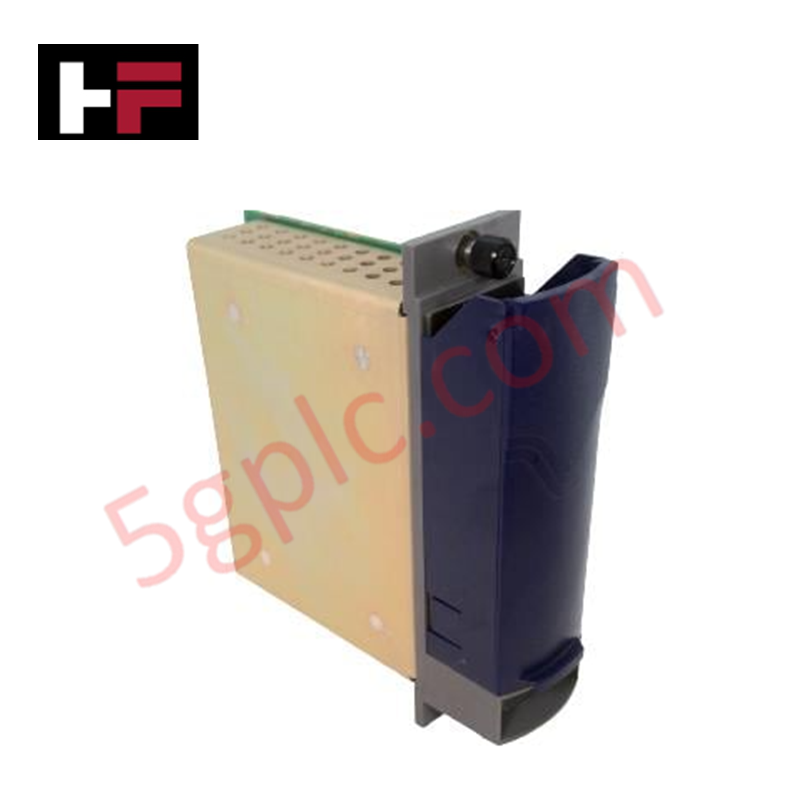
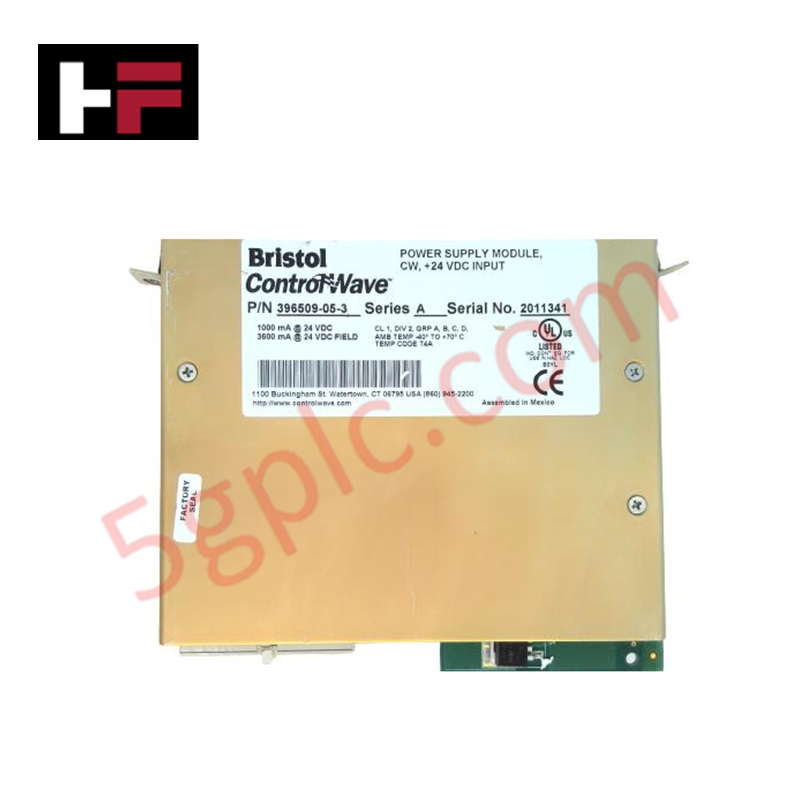
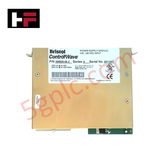
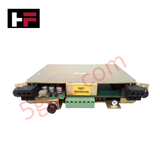
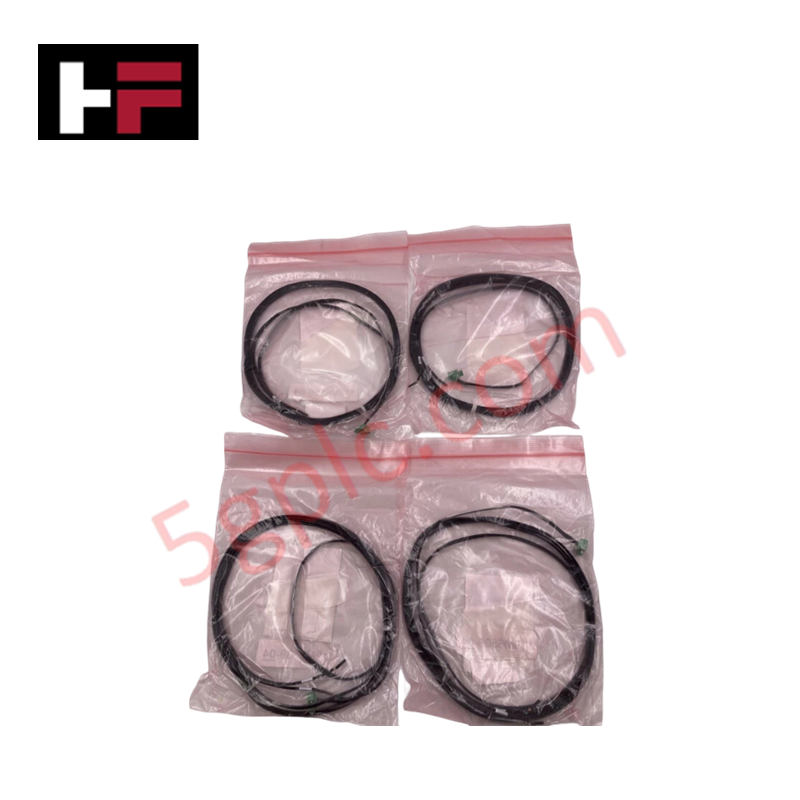
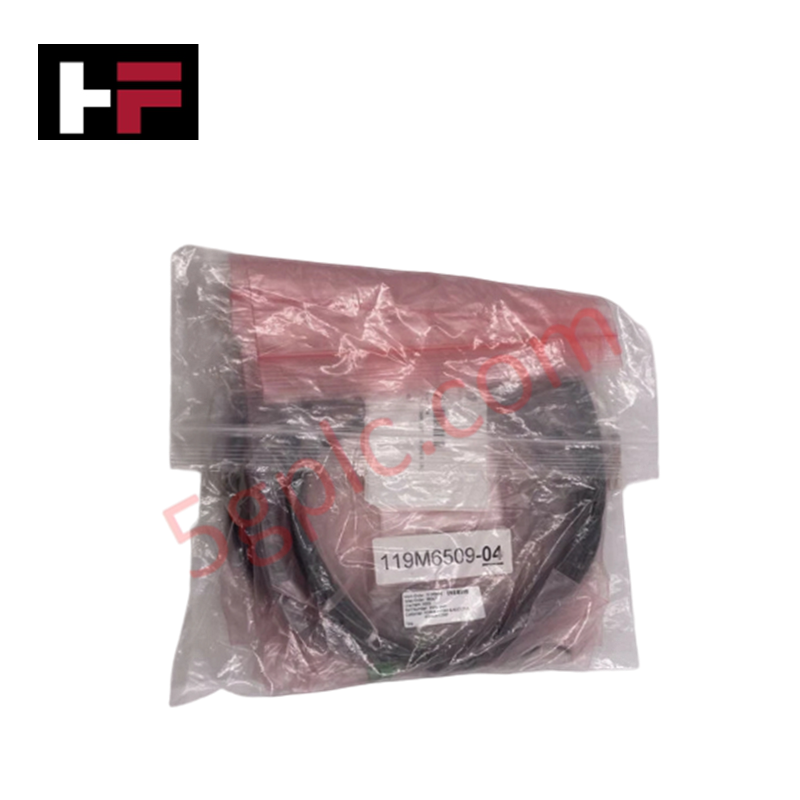
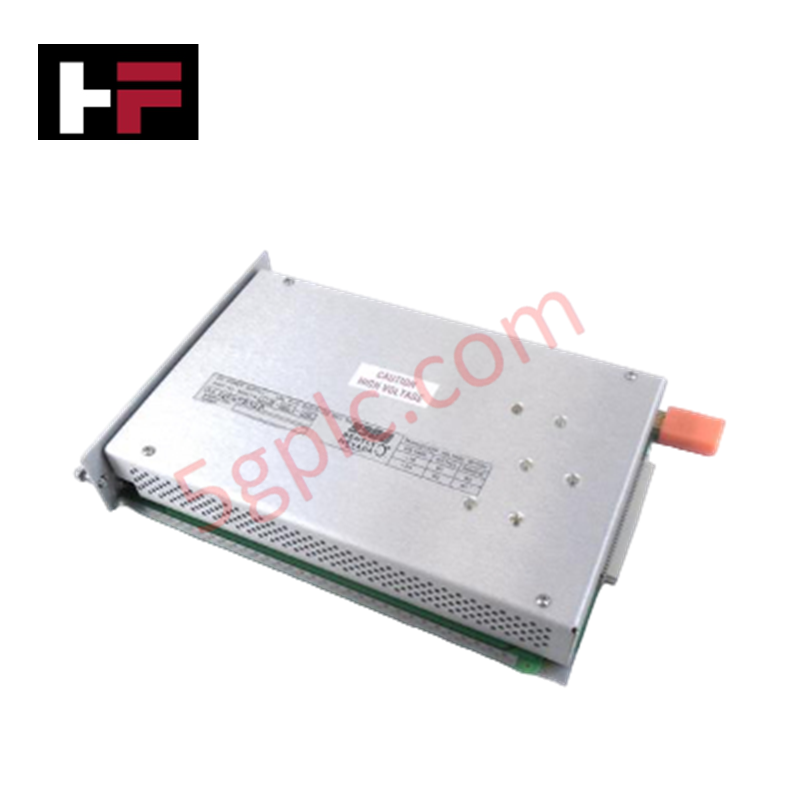
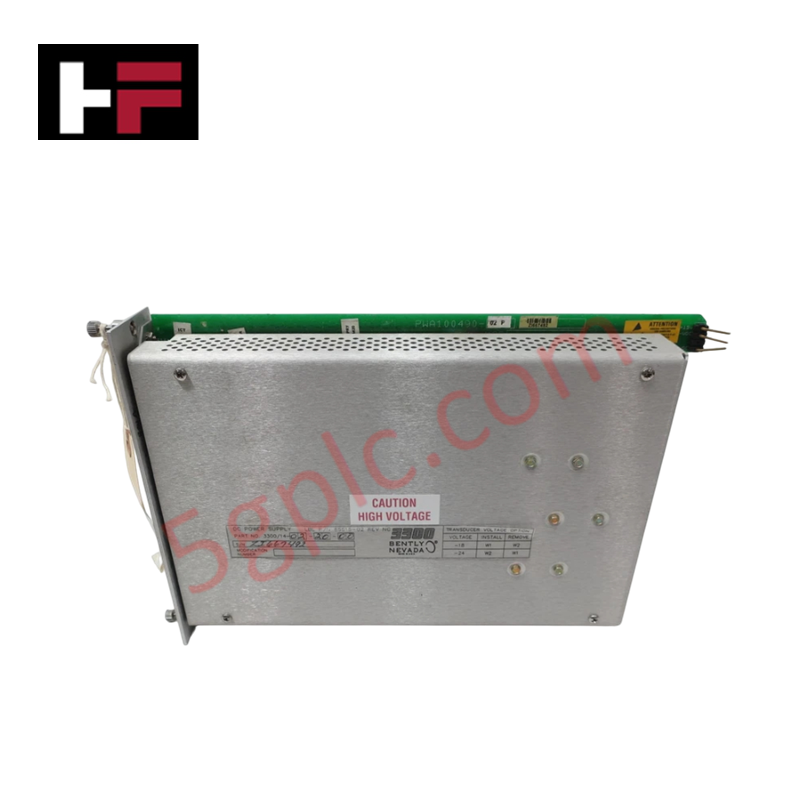
The Emerson 396509-05-3, also cataloged as the 396509-05-3 Power Supply Module, operates as a dedicated hardware component for continuous electrical regulation and voltage distribution within ControlWave hardware chassis platforms. The subassembly conditions raw input voltages, isolating downstream logic tracks and maintaining stabilized power allocation blocks for interconnected backplane logic arrays and peripheral field elements.
Hardware Specifications
| Parameter | Specification |
| Model | 396509-05-3 (Series A) |
| Brand | Emerson (ControlWave) |
| Origin | USA |
| Weight | 1.00 lbs |
| Dimensions | Standard ControlWave rack chassis module slot profile |
| Operating Temp | -40 deg C to +70 deg C |
| Power Input | +24 VDC Nominal |
| Power Consumption (Internal Logic) | 1000 mA at 24 VDC |
| Power Distribution (Field Circuits) | 3600 mA at 24 VDC |
| System Platform | ControlWave Micro/Chassis Infrastructure |
Distributed Control System Architecture and Channel-to-Channel Isolation
Mechanical execution of this Series A energy regulation module relies on localized physical isolation paths to stabilize backplane voltages. The internal circuit board layout enforces rigorous channel-to-channel isolation methods between the high-current field loop supply paths and sensitive computing elements. This independent tracking setup checks that electrical transients, line spikes, or short circuits on the 3600 mA field distribution array do not interface with internal logic rails, maintaining uncorrupted 4-20 mA HART loop protocol signalling across parallel processing cards.
Frequently Asked Questions
Q: Does this power module allow online hot-swap installation while the rack platform is active?
A: No. Removing or inserting a primary power supply module while the system is energized can induce localized backplane voltage drops or logic rail interruptions, resulting in the immediate crash of connected central processing units.
Q: How is the current capacity distributed between the logic and field circuit systems?
A: The module separates incoming power into two distinct subsystems, providing up to 1000 mA at 24 VDC exclusively for inner backplane logic operations and up to 3600 mA at 24 VDC to energize external field instrumentation loops.
Field Installation Guidelines
-
Chassis Slot Alignment: Slide the power supply module into the dedicated power slot of the ControlWave base housing along the tracking guides. Secure the integrated faceplate retaining hardware completely to ensure proper electrical engagement with the backplane grounding system.
-
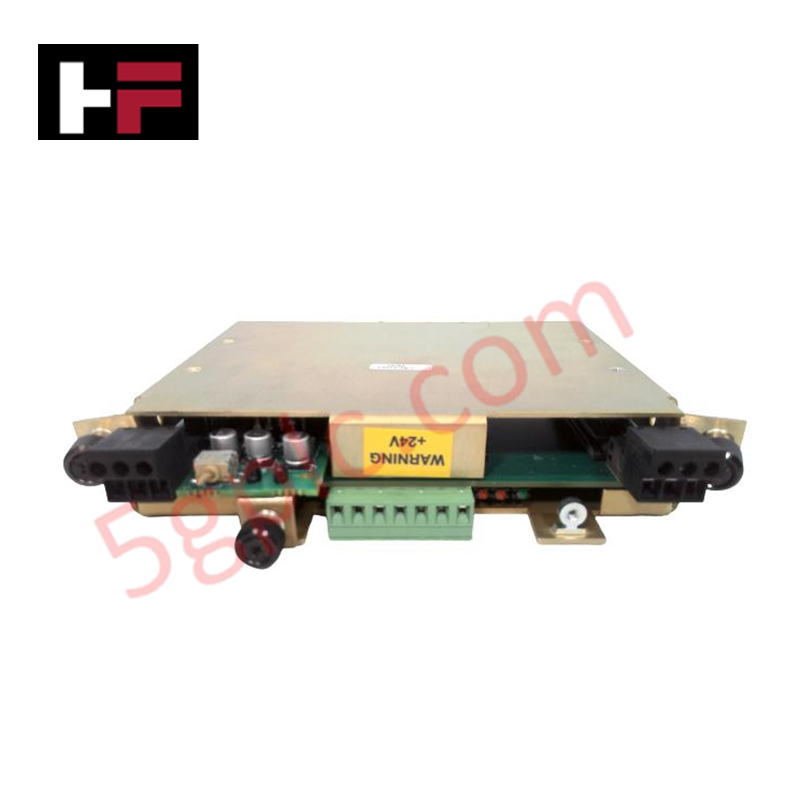
Input Cable Terminations: Connect the incoming +24 VDC power conductors to the designated screw terminals. Check that the terminal screws are torqued down completely to eliminate high contact resistance anomalies.
-
Shield Ground Tracking: Terminate all external supply cable shields directly at the common industrial cabinet master grounding bar. Continuous single-point grounding methods must be used to block low-frequency common-mode noise from skewing data signals.
-
Thermal Environment Control: Verify that localized cooling clearance meets factory drawings, checking that airflow paths are unobstructed when operating near the upper boundary limit of +70 deg C to prevent thermal cutouts.
Additional Information
- 100% Genuine Parts: All products are original and authentic, ensuring reliable industrial performance.
- 30-Day Refund Guarantee: Return any in-stock item within 30 days in original, unopened packaging for a full refund (excluding shipping and fees).
- 12-Month Warranty: Covers defects in materials or workmanship; excludes misuse, normal wear, or unauthorized modifications.
- Worldwide Shipping: We ship via USPS, UPS, FedEx, and DHL. Delivery times vary by country and may be subject to customs or import fees.
- Support & Contact: Technical and warranty assistance is available anytime. Contact us here: Contact.
- Purchase Guidance: Check product specifications and compatibility carefully before ordering to ensure proper application.


Tech & Buying Guide

Why 24V DC Power Supplies Standardize Modern Industrial Automation
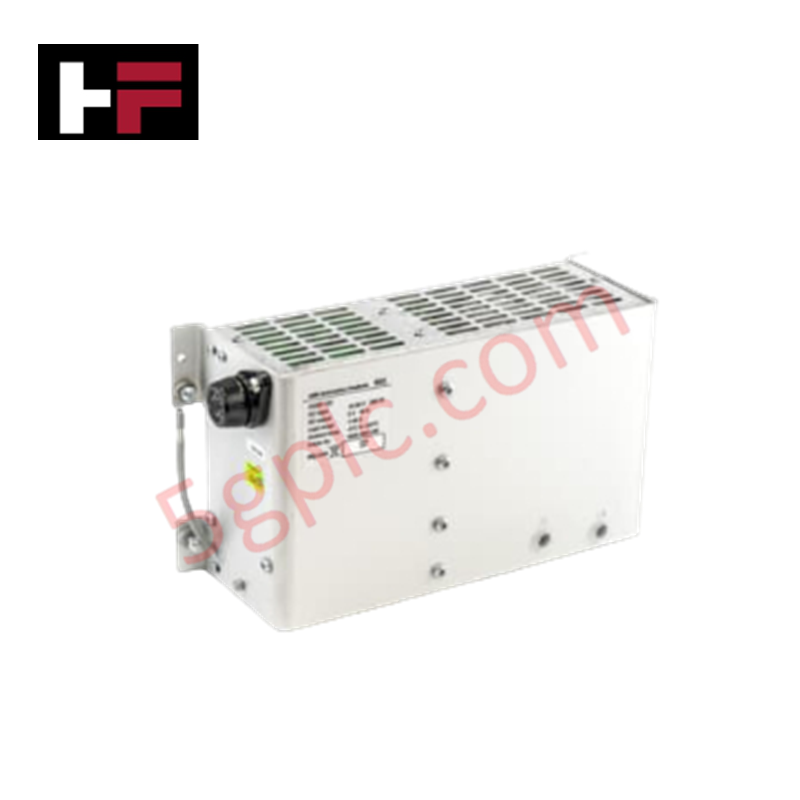
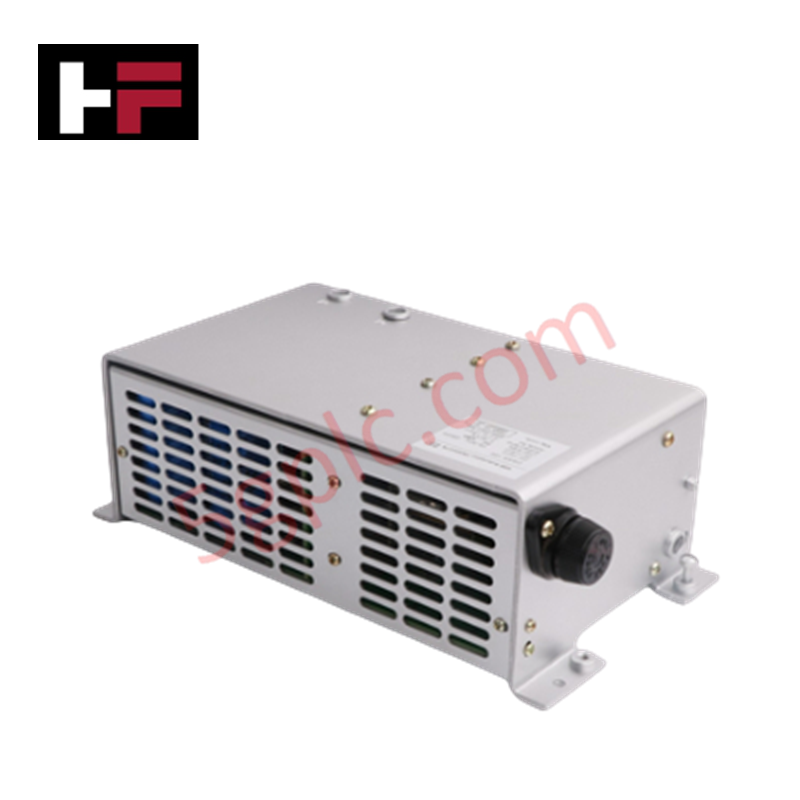
Industrial control cabinets worldwide rely on 24V DC as the universal power standard for field instrumentation, sensors, and controllers. Walk into any manufacturing plant, and you will find PLCs, human-machine interfaces (HMIs), and smart actuators running on extra-low voltage DC. Standardizing on 24V DC enhances operational safety, lowers cabinet footprint, and maintains steady control performance across factory networks.

Essential Motion Control Commands: A Practical Guide for Engineers
Automation engineers often rely on precise position and speed control to drive modern factory machinery. Modern industrial systems, such as Programmable Logic Controllers (PLCs) and Distributed Control Systems (DCS), depend heavily on standardized motion instructions. Mastering these commands ensures operational safety, protects mechanical components, and optimizes cycle times across production lines.
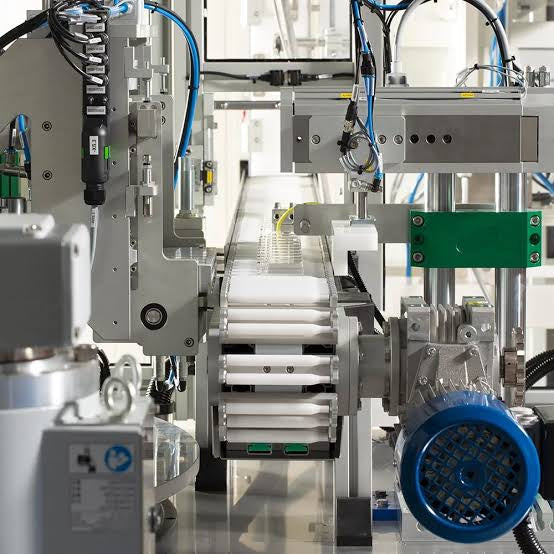
Mastering Modern Industrial Joystick Controls in Heavy Automation
Industrial joysticks play a pivotal role in human-machine interaction across heavy material handling and mobile hydraulics. These tactile controllers translate complex operator movements into precise electrical signals for PLCs, motion controllers, and DCS networks. Consequently, selecting and installing the right joystick architecture ensures operator safety, reduces fatigue, and optimizes equipment performance.