










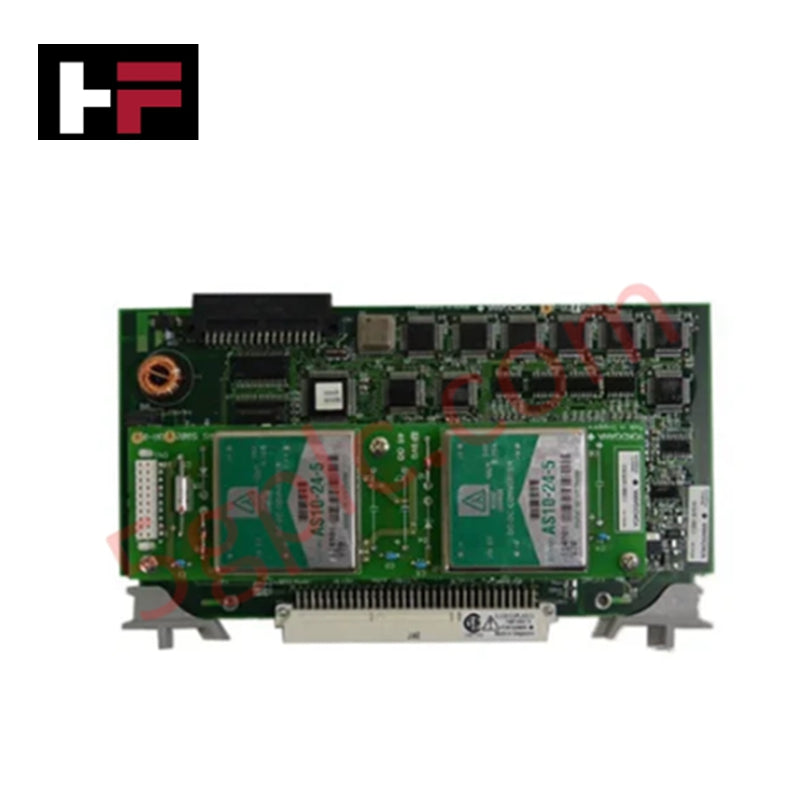
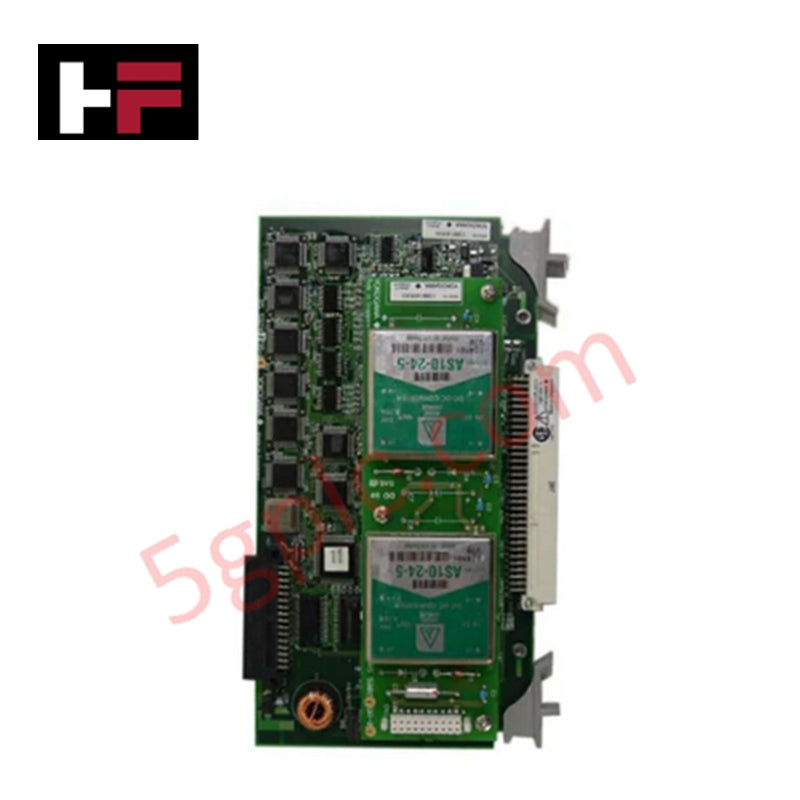
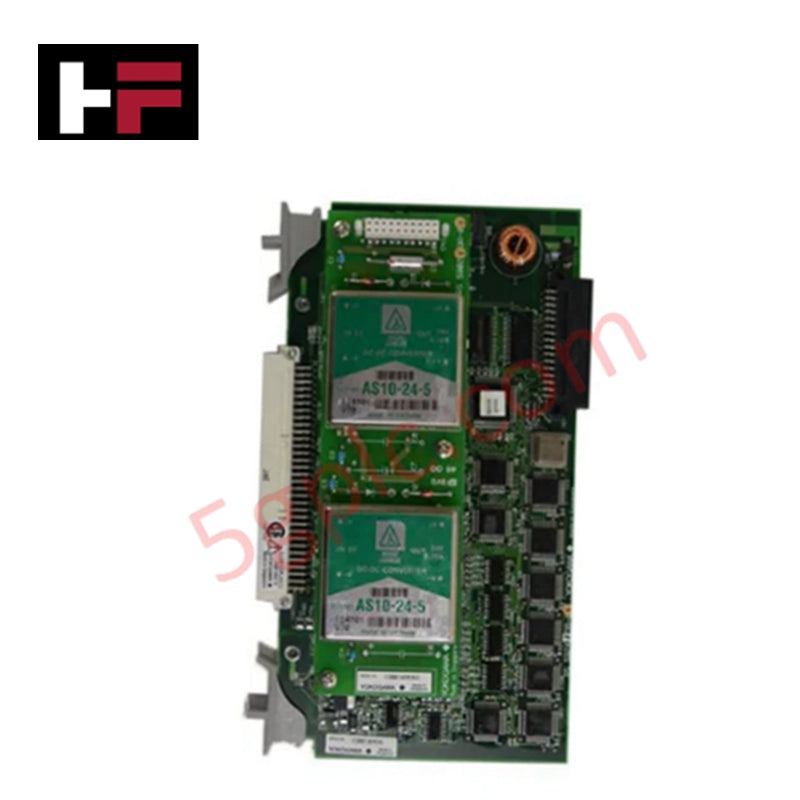
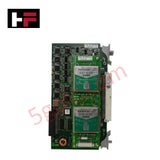
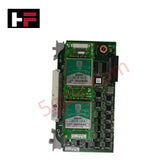
Product Details
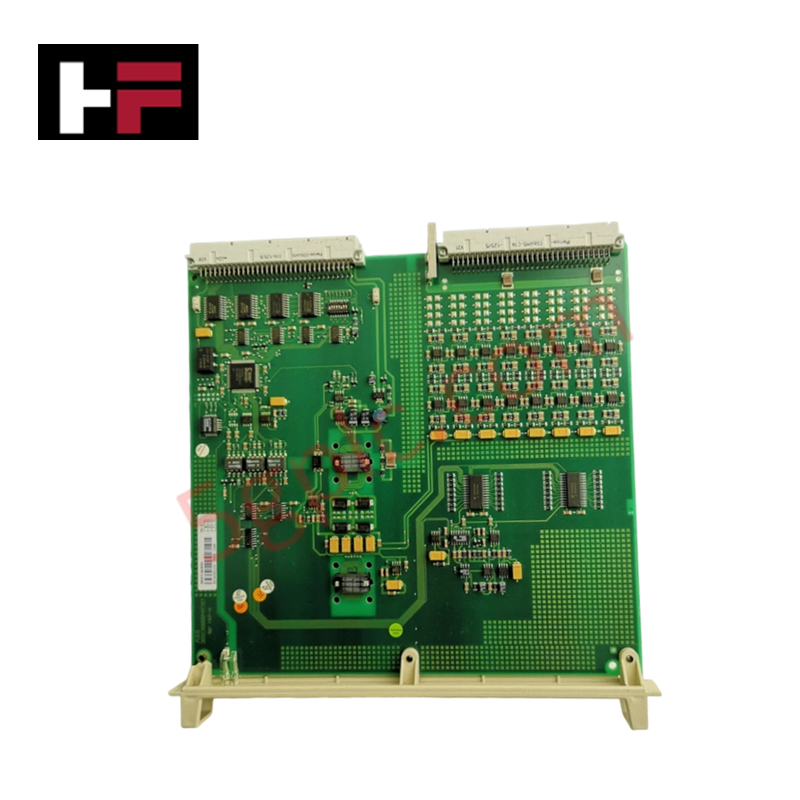
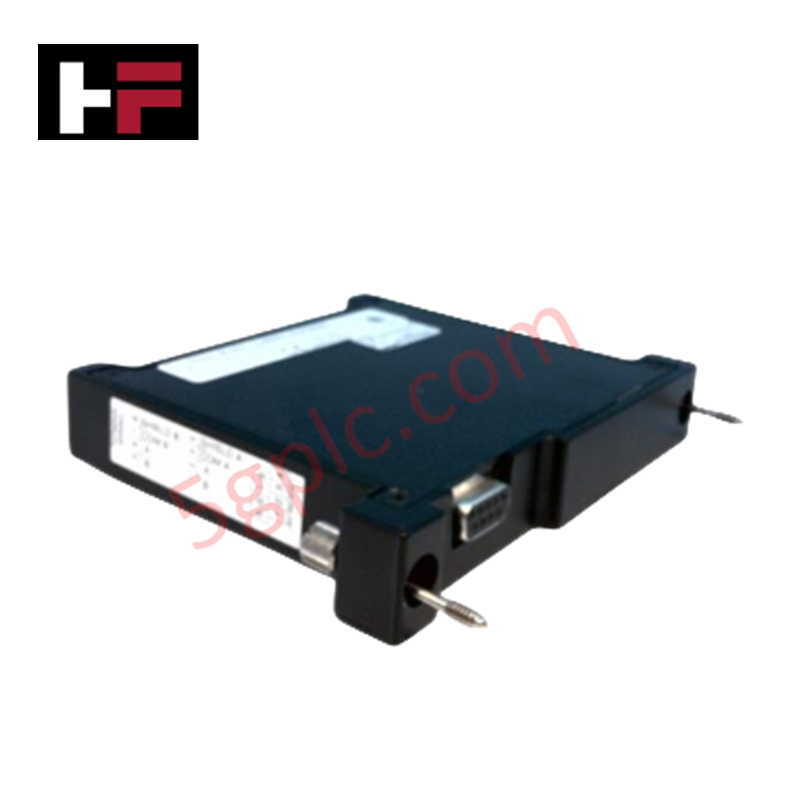
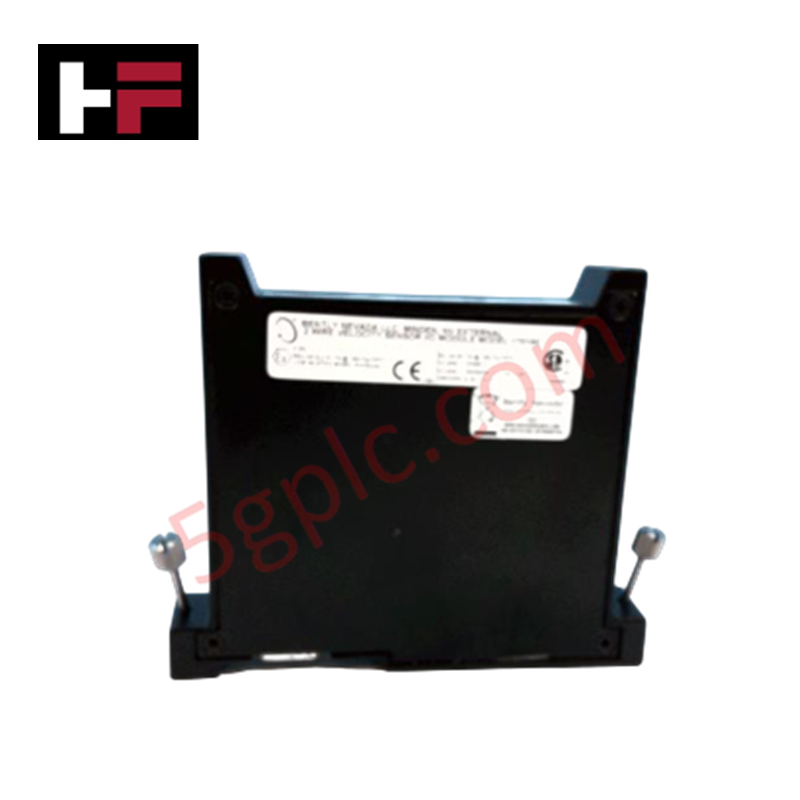
The Yokogawa AMM52 is a high-performance analog signal conditioning module engineered for the CENTUM CS and CENTUM VP distributed control systems. It addresses the critical need for precise signal conversion and isolation in complex process control environments. By supporting both voltage and current inputs/outputs with high accuracy, the AMM52 ensures that critical process data—such as flow measurements—is transmitted without drift or error. Its support for dual redundancy makes it an essential component for mission-critical applications where system stability and continuous operation are non-negotiable.
Technical Specifications
The AMM52 is designed to deliver high precision and reliability in industrial automation settings.
| Parameter | Specification |
|---|---|
| Product Type | Analog Signal Conditioning Module |
| Model Number | AMM52 |
| Compatible Systems | CENTUM CS, CENTUM VP |
| Input Channels | 4 per module |
| Output Channels | 4 per module |
| Input/Output Types | Voltage (0-10V, ±10V), Current (4-20mA) |
| Flow Measurement Accuracy | ±0.3% of reading value |
| Signal Capabilities | Analog, Pulse, and Status signals |
| Redundancy | Dual redundancy support |
Model Code Interpretation
For Yokogawa modules, the suffix code is critical as it defines the physical interface and specific application logic.
Part Number: AMM52
AMM52-AXX
-
A (Base Model): The standard AMM52 designation typically refers to the core Analog I/O module configuration.
-
Note on Suffixes: Unlike terminal-specific modules (e.g., -T) or connector-specific modules (e.g., -C), the base AMM52 is often defined by its internal processing capabilities. However, always verify the specific revision code on the module label, as Yokogawa frequently updates firmware and hardware revisions that may affect compatibility with specific carrier types.
Installation and Wiring Guidelines
To ensure accurate signal conditioning and system redundancy, follow these installation practices:
-
Carrier Compatibility: The AMM52 is designed to mount into specific I/O carrier boxes (such as the AMN series). Ensure the module is fully inserted into the slot and the locking mechanism is engaged to secure the connection to the backplane.
-
Redundancy Configuration: To utilize the dual redundancy feature, install two AMM52 modules in the designated redundant slots within the carrier. The system will automatically manage the switchover in the event of a primary module failure, ensuring uninterrupted process control.
-
Signal Wiring:
-
Current Loops (4-20mA): Ensure the loop polarity is correct. Since this module handles both sourcing and sinking, verify the system configuration matches the transmitter requirements.
-
Voltage Inputs: Use shielded twisted-pair cables to minimize noise pickup, especially for low-level voltage signals (0-10V).
-
Calibration: While the module offers high precision (±0.3% accuracy), verify the scaling in the DCS engineering software to match the specific range of your field instruments (e.g., setting the 4mA and 20mA points to correspond to 0% and 100% flow).
Frequently Asked Questions (FAQ)
Q: What is the primary function of the AMM52?A: The AMM52 serves as an analog signal conditioning module. It converts, isolates, and processes analog signals (voltage and current) to ensure high-accuracy data transmission between field devices and the control system.
Q: Does the AMM52 support redundancy?A: Yes, the AMM52 supports dual redundancy. This feature allows for a backup module to take over seamlessly if the primary module fails, which is critical for high-availability control loops.
Q: What types of signals can this module handle?A: It is versatile and supports Voltage (0-10V, ±10V) and Current (4-20mA) signals. It can also process pulse and status signals, making it suitable for a wide range of instrumentation.
Q: How accurate is the flow measurement?A: The module provides a high flow measurement accuracy of ±0.3% of the reading value, ensuring precise control even at varying flow rates.
Additional Information
- 100% Genuine Parts: All products are original and authentic, ensuring reliable industrial performance.
- 30-Day Refund Guarantee: Return any in-stock item within 30 days in original, unopened packaging for a full refund (excluding shipping and fees).
- 12-Month Warranty: Covers defects in materials or workmanship; excludes misuse, normal wear, or unauthorized modifications.
- Worldwide Shipping: We ship via USPS, UPS, FedEx, and DHL. Delivery times vary by country and may be subject to customs or import fees.
- Support & Contact: Technical and warranty assistance is available anytime. Contact us here: Contact.
- Purchase Guidance: Check product specifications and compatibility carefully before ordering to ensure proper application.
Tech & Buying Guide
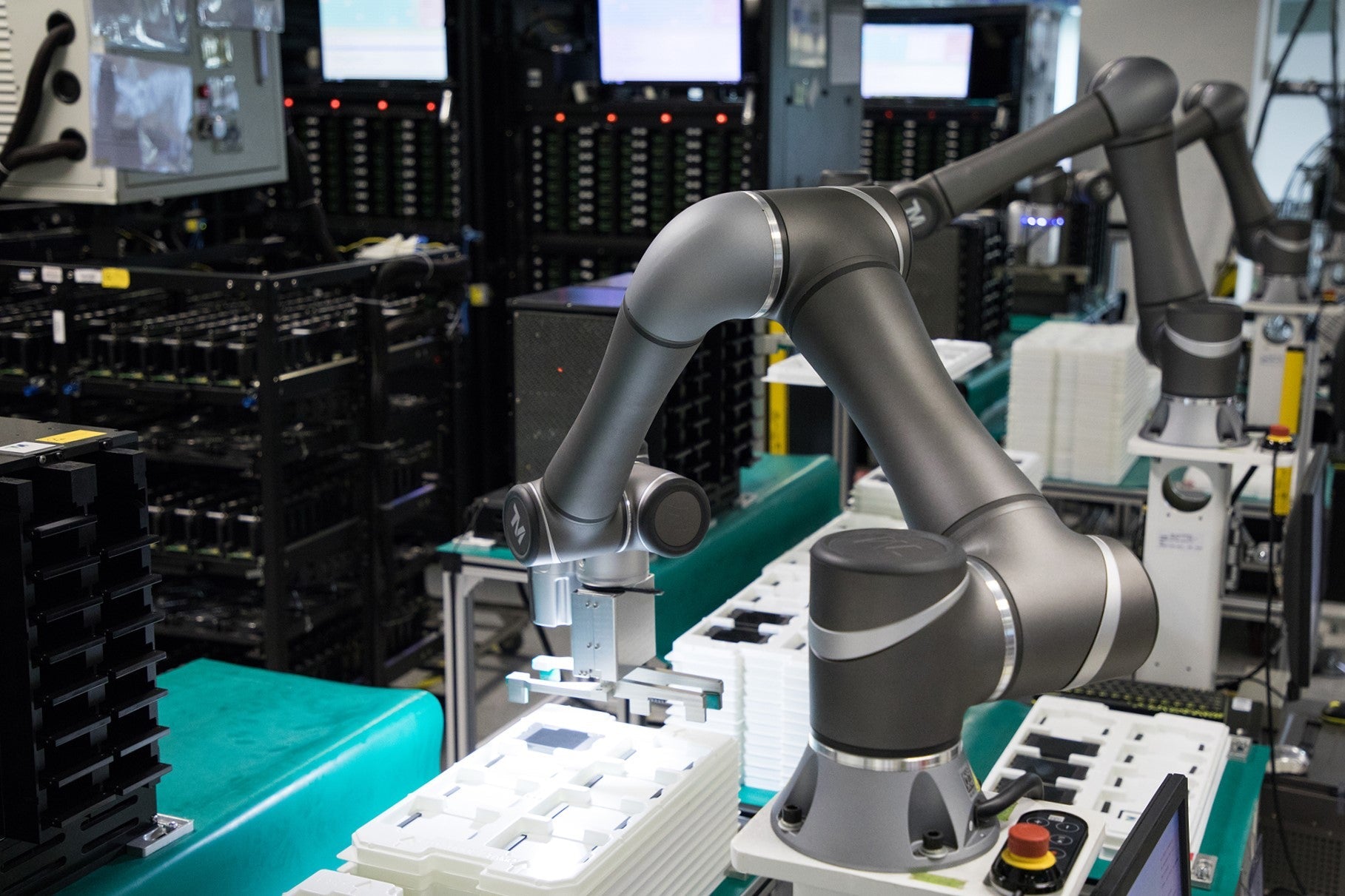
Redundant Automation Systems: Ensuring Continuous Uptime in Critical Control Infrastructure
System reliability directly determines operational profitability across high stakes process industries. Modern industrial automation platforms must eliminate single points of failure to prevent catastrophic shutdowns. Deploying fault tolerant architecture safeguards complex facilities against unexpected hardware glitches, network disruptions, and maintenance outages.

Understanding Types of Noise in Electronic Circuits and Control Systems
Signal integrity directly determines measurement accuracy and loop stability across industrial automation environments. Electronic noise introduces unwanted stochastic interference into analog loops, sensor feedback lines, and digital fieldbus networks. Understanding how intrinsic electronic noise and external electromagnetic interference manifest allows control engineers to optimize signal conditioning and shield sensitive instrumentation effectively.

Why 24V DC Power Supplies Standardize Modern Industrial Automation
Industrial control cabinets worldwide rely on 24V DC as the universal power standard for field instrumentation, sensors, and controllers. Walk into any manufacturing plant, and you will find PLCs, human-machine interfaces (HMIs), and smart actuators running on extra-low voltage DC. Standardizing on 24V DC enhances operational safety, lowers cabinet footprint, and maintains steady control performance across factory networks.