










Product Details
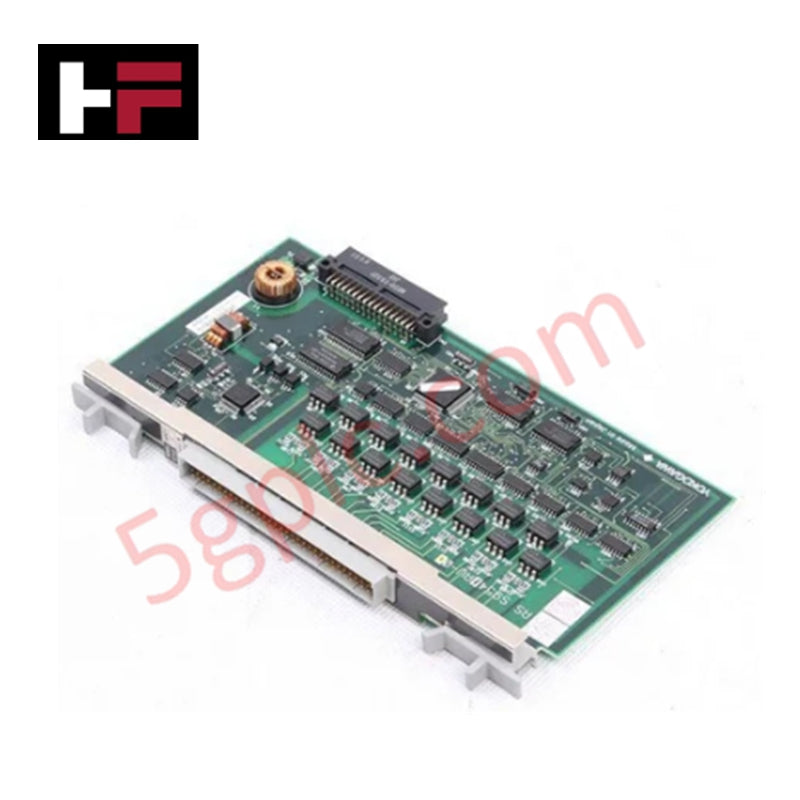
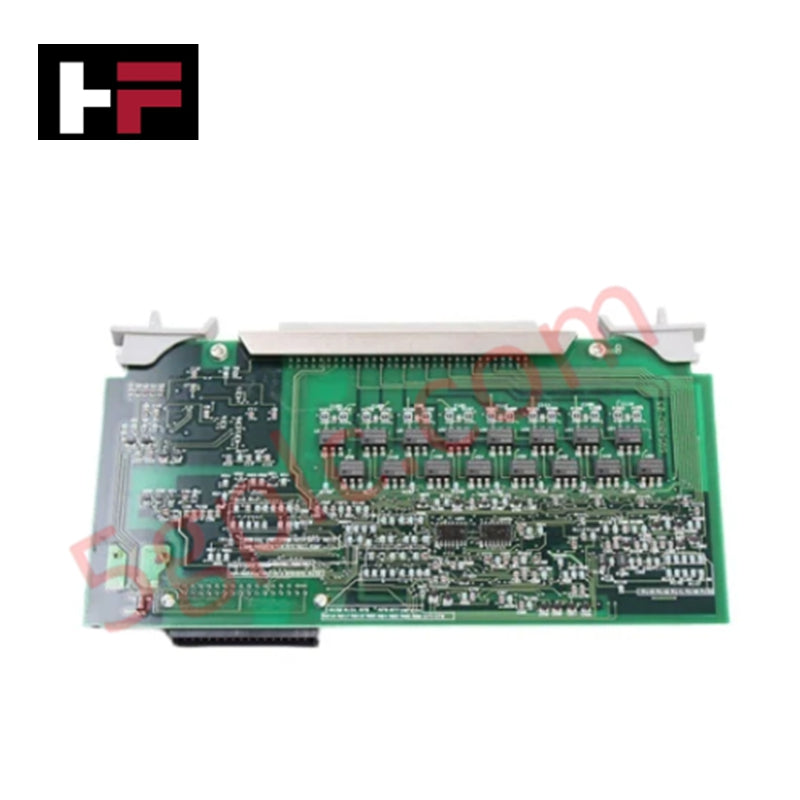
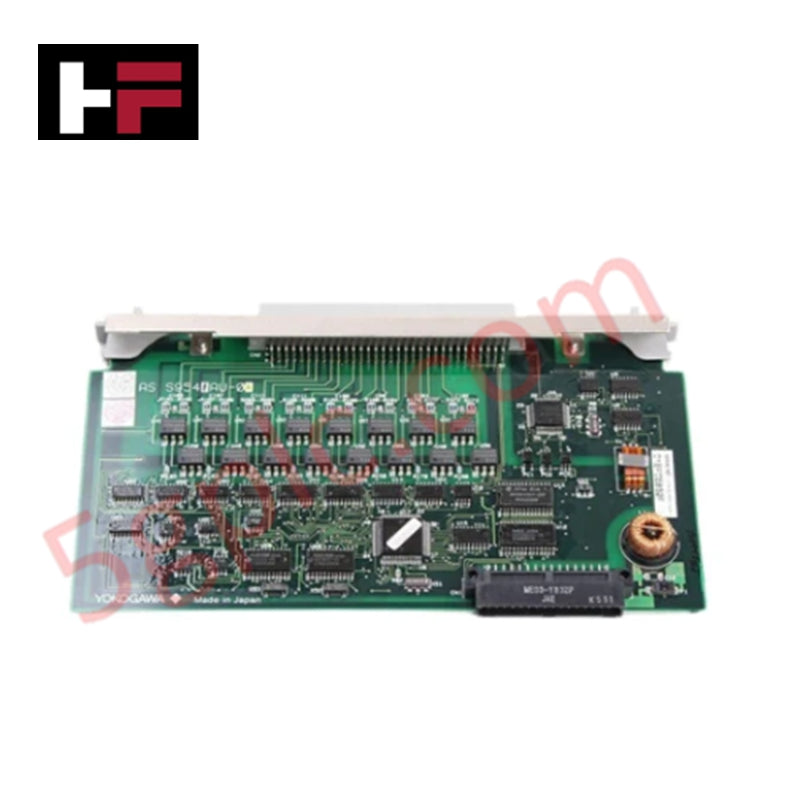
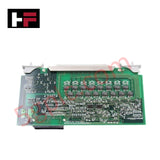
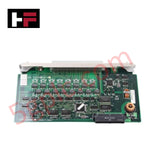
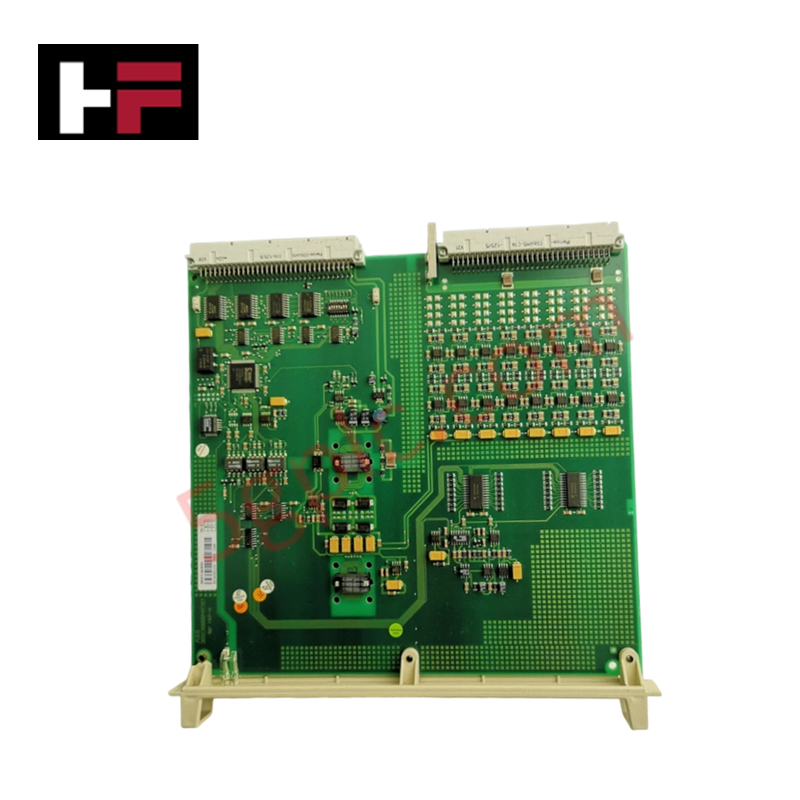
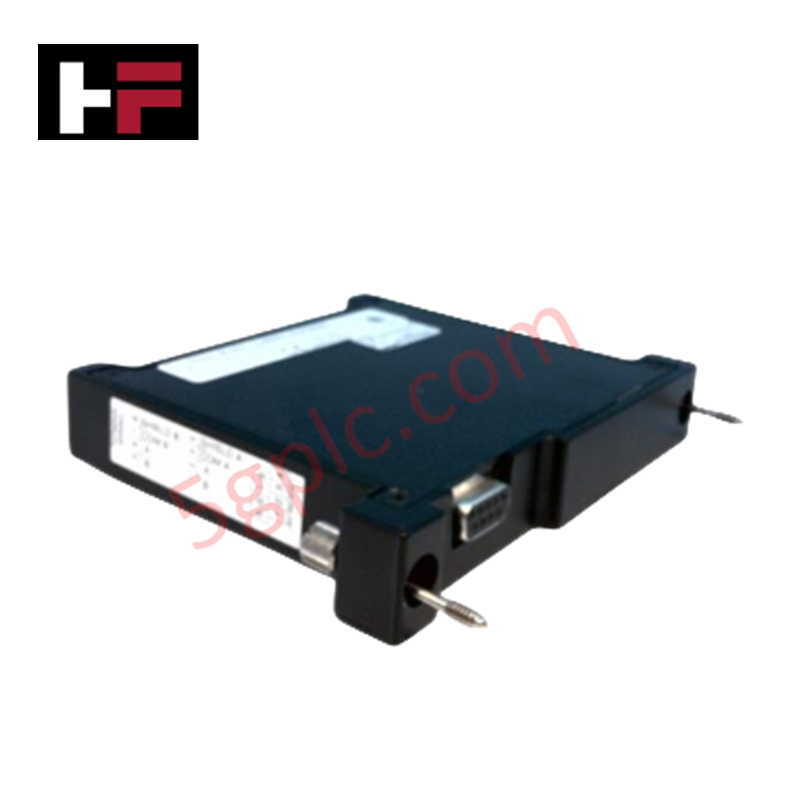
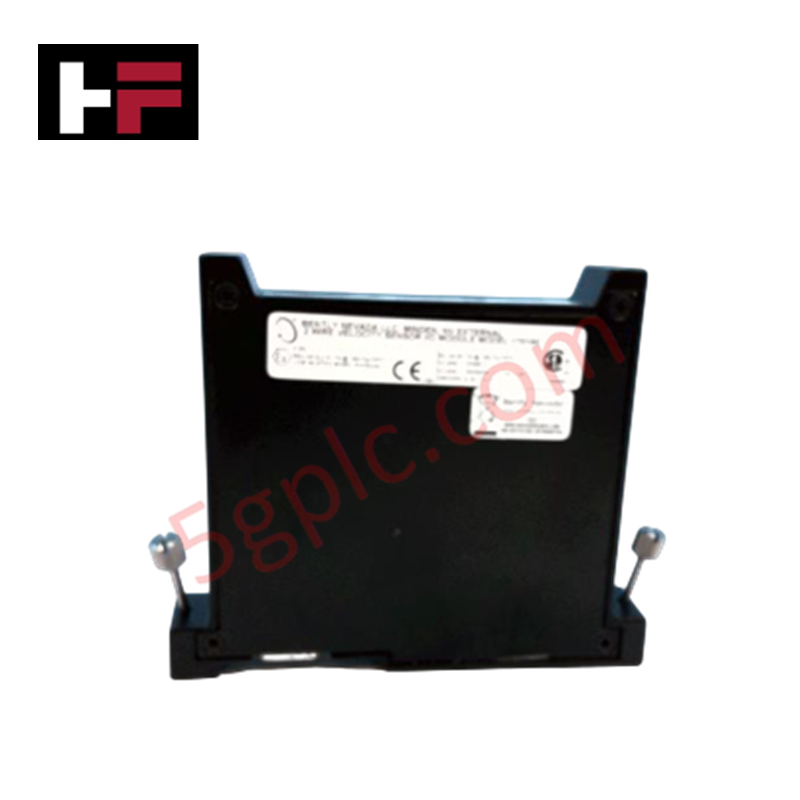
The Yokogawa AMM22C is a high-precision mV input multiplexer module engineered for the CENTUM CS 3000 and CENTUM VP distributed control systems. It addresses the challenge of acquiring low-level voltage signals from dense sensor arrays by consolidating 16 isolated analog channels into a single, compact unit. This module is essential for applications requiring high-density data acquisition—such as monitoring thermocouples or shunt-based transducers—offering a cost-effective and space-saving alternative to individual transmitters while maintaining superior signal stability through channel-to-channel galvanic isolation.
Technical Specifications
The AMM22C is designed for high-resolution signal processing and robust industrial performance.
| Parameter | Specification |
|---|---|
| Product Type | mV Input Multiplexer Module |
| Model Number | AMM22C |
| Compatible Systems | CENTUM VP, CENTUM CS 3000 |
| Channel Count | 16 High-Isolation Channels |
| Signal Range | Low-level DC Voltage (Millivolt Spectrum) |
| Conversion | High-resolution A/D Processing |
| Isolation | Channel-to-Channel Galvanic Isolation |
| Connection Interface | High-Density System Connector |
| Weight | 1.3 kg |
Model Code Interpretation
For Yokogawa modules, the suffix code is the primary identifier for the physical interface type.
Part Number: AMM22C
AMM22-AXX
-
A (Suffix -C): Indicates the Connector Type.
-
-C: Denotes that this module uses a high-density connector interface rather than screw terminals. This design requires a specific mating cable or breakout assembly for field wiring, facilitating faster installation and cleaner cable management compared to direct wiring.
-
Note: This is distinct from the "T" (Terminal) version, which would feature direct screw terminals on the module face.
Installation and Wiring Guidelines
To ensure accurate measurement and system safety, follow these installation practices:
-
Carrier Compatibility: The AMM22C is designed to mount into specific I/O carrier boxes (such as the AMN32). Ensure the module is fully inserted into the slot and the locking mechanism is engaged to secure the connection to the backplane.
-
Connector Wiring: Since this is a connector-type module, you must use the designated mating cable. Ensure the connector is seated firmly and latched to prevent signal interruption caused by vibration.
-
Cold Junction Compensation (CJC): If using this module for thermocouple measurements, you must manage Cold Junction Compensation. This is typically handled via a compatible terminal board or by configuring the CJC parameters within the DCS engineering software to ensure accurate temperature readings.
-
Isolation Verification: The module features channel-to-channel galvanic isolation. This allows you to connect sensors with different common-mode voltages without creating ground loops, but proper system grounding is still required for noise immunity.
Frequently Asked Questions (FAQ)
Q: Can the AMM22C be used directly with thermocouples?A: Yes, the AMM22C can process the millivolt signals generated by thermocouples. However, for accurate temperature readings, you must ensure Cold Junction Compensation (CJC) is properly configured, either through the hardware terminal board or the DCS software.
Q: What is the benefit of the "C" (Connector) version?A: The connector interface allows for pre-fabricated cabling, which significantly reduces wiring time and improves the aesthetics and maintainability of the control panel compared to direct screw-terminal wiring.
Q: Is the AMM22C compatible with CENTUM VP?A: Yes, this module is fully compatible with both CENTUM CS 3000 and the newer CENTUM VP systems, making it a versatile choice for system upgrades and maintenance.
Q: How does the module handle signal interference?A: The AMM22C features channel-to-channel galvanic isolation. This prevents ground loops and electrical noise from one channel from affecting others, ensuring high signal integrity in noisy industrial environments.
Additional Information
- 100% Genuine Parts: All products are original and authentic, ensuring reliable industrial performance.
- 30-Day Refund Guarantee: Return any in-stock item within 30 days in original, unopened packaging for a full refund (excluding shipping and fees).
- 12-Month Warranty: Covers defects in materials or workmanship; excludes misuse, normal wear, or unauthorized modifications.
- Worldwide Shipping: We ship via USPS, UPS, FedEx, and DHL. Delivery times vary by country and may be subject to customs or import fees.
- Support & Contact: Technical and warranty assistance is available anytime. Contact us here: Contact.
- Purchase Guidance: Check product specifications and compatibility carefully before ordering to ensure proper application.
Tech & Buying Guide

Redundant Automation Systems: Ensuring Continuous Uptime in Critical Control Infrastructure
System reliability directly determines operational profitability across high stakes process industries. Modern industrial automation platforms must eliminate single points of failure to prevent catastrophic shutdowns. Deploying fault tolerant architecture safeguards complex facilities against unexpected hardware glitches, network disruptions, and maintenance outages.

Understanding Types of Noise in Electronic Circuits and Control Systems
Signal integrity directly determines measurement accuracy and loop stability across industrial automation environments. Electronic noise introduces unwanted stochastic interference into analog loops, sensor feedback lines, and digital fieldbus networks. Understanding how intrinsic electronic noise and external electromagnetic interference manifest allows control engineers to optimize signal conditioning and shield sensitive instrumentation effectively.

Why 24V DC Power Supplies Standardize Modern Industrial Automation
Industrial control cabinets worldwide rely on 24V DC as the universal power standard for field instrumentation, sensors, and controllers. Walk into any manufacturing plant, and you will find PLCs, human-machine interfaces (HMIs), and smart actuators running on extra-low voltage DC. Standardizing on 24V DC enhances operational safety, lowers cabinet footprint, and maintains steady control performance across factory networks.