








Product Details
Product Description
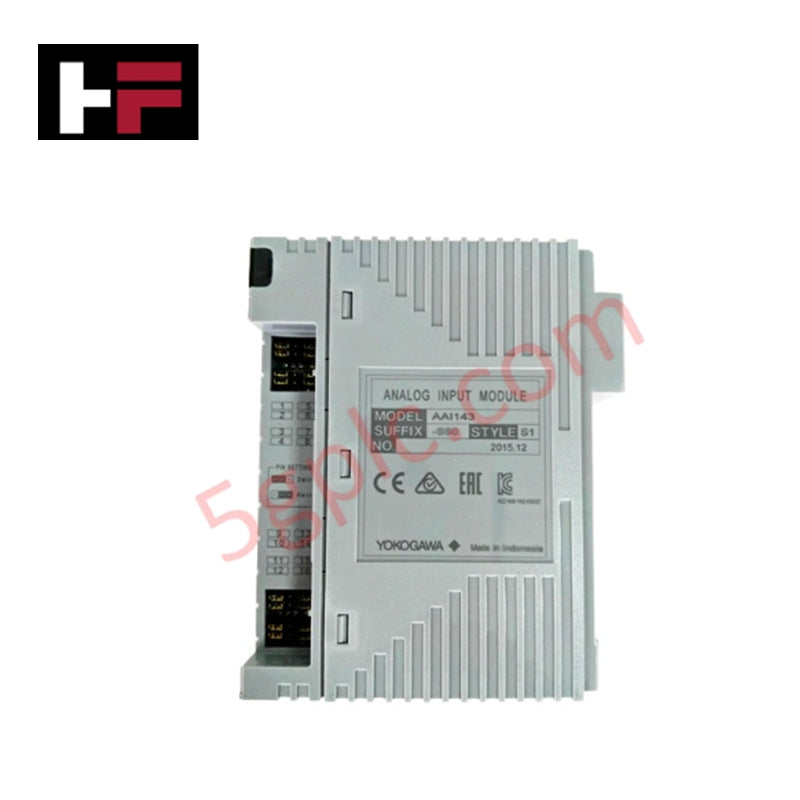
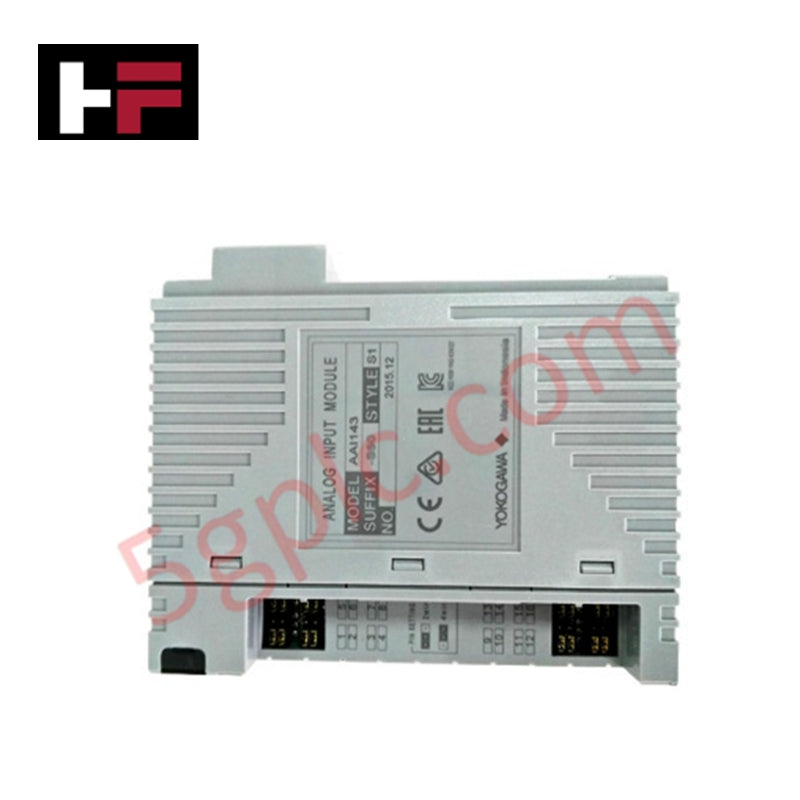
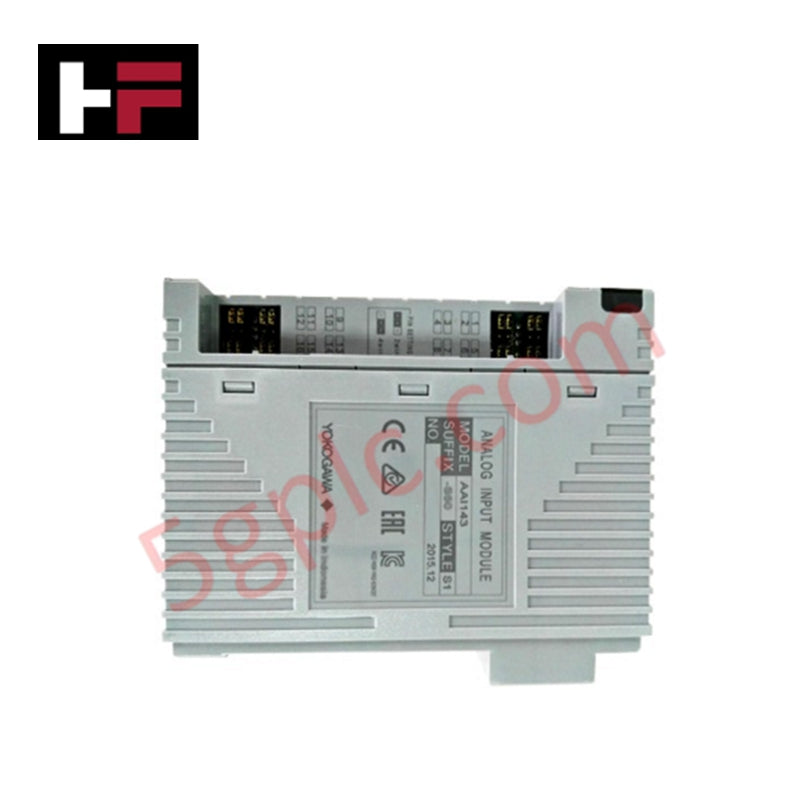
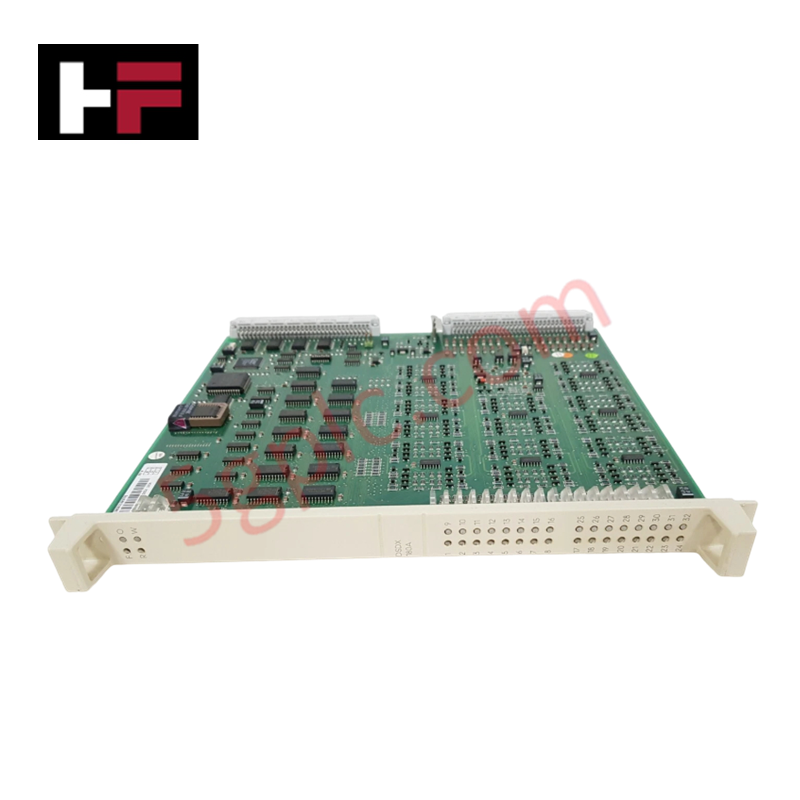
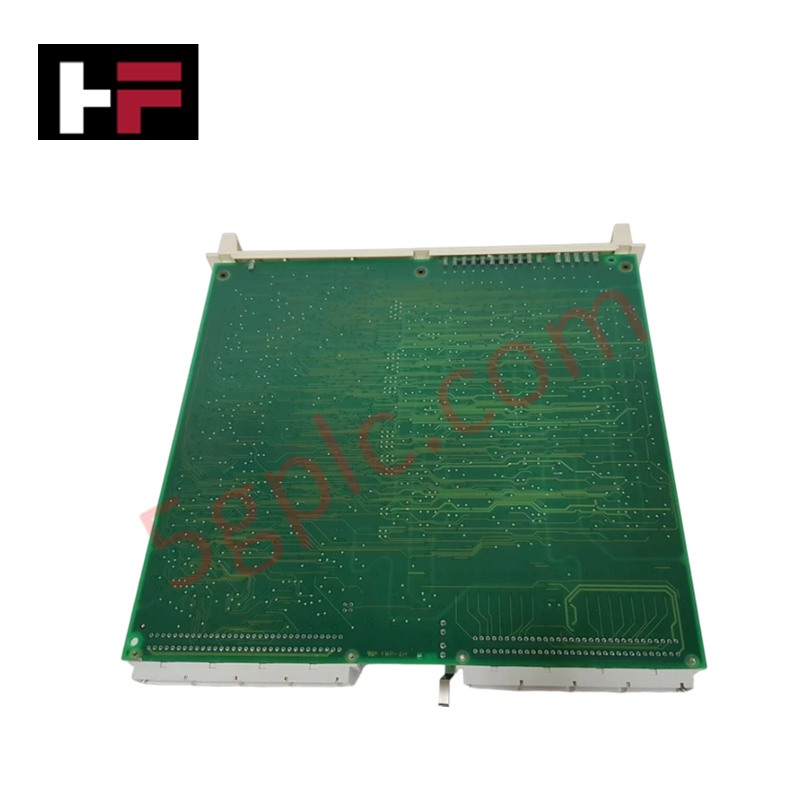
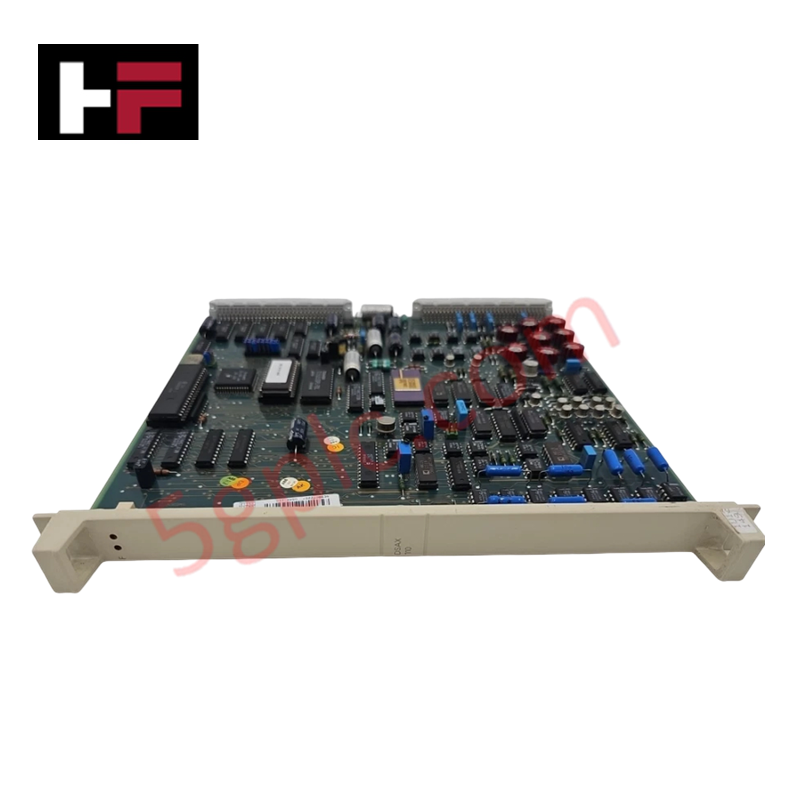
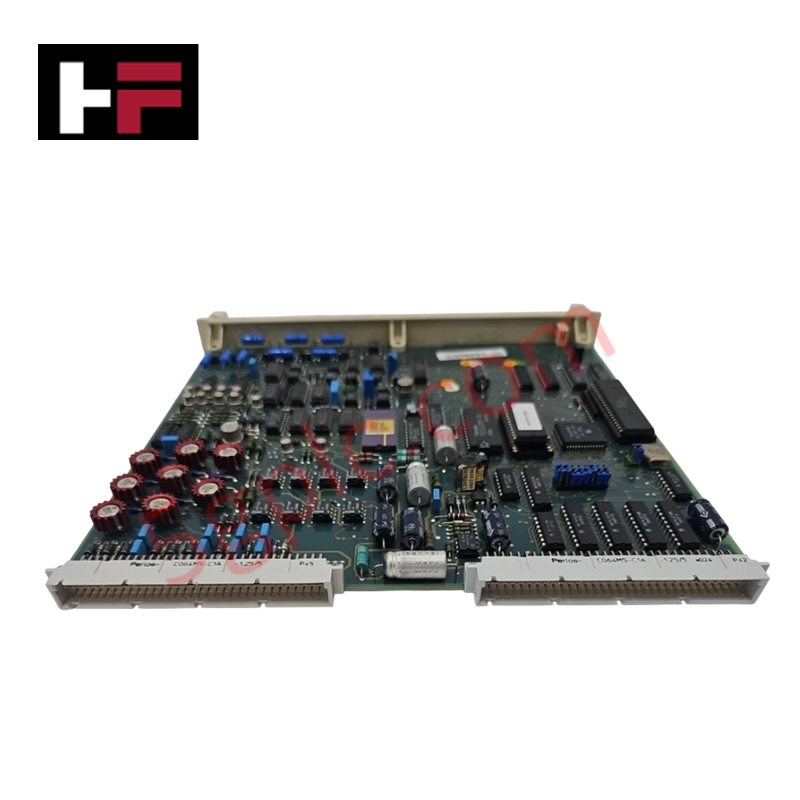
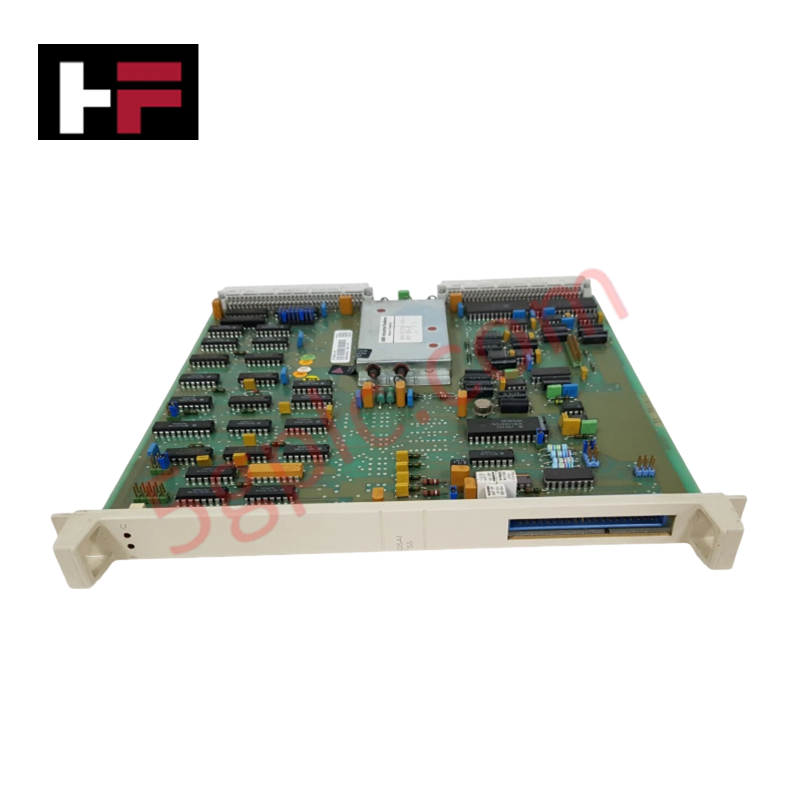
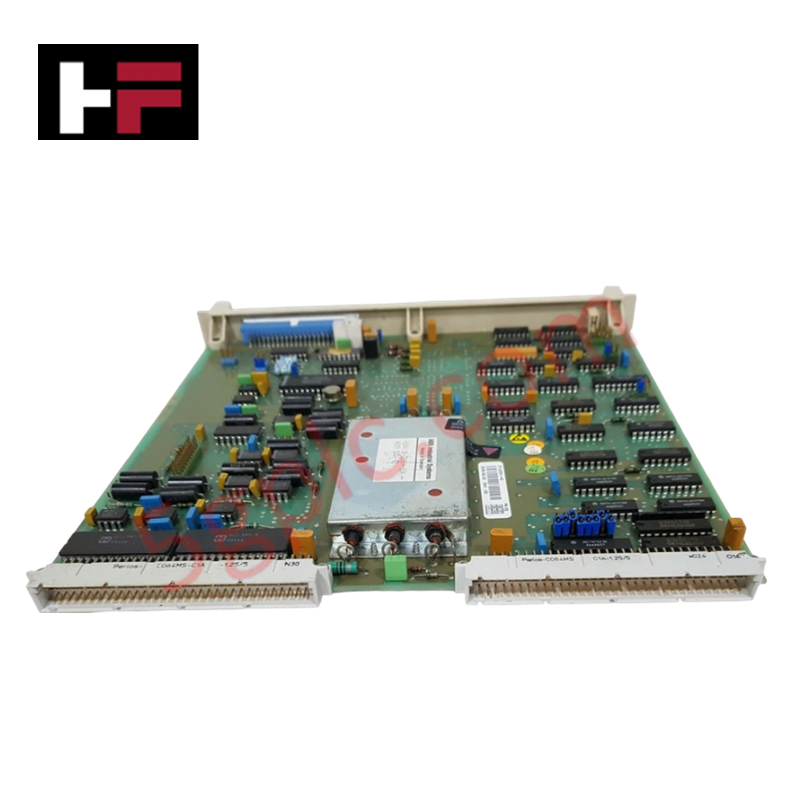
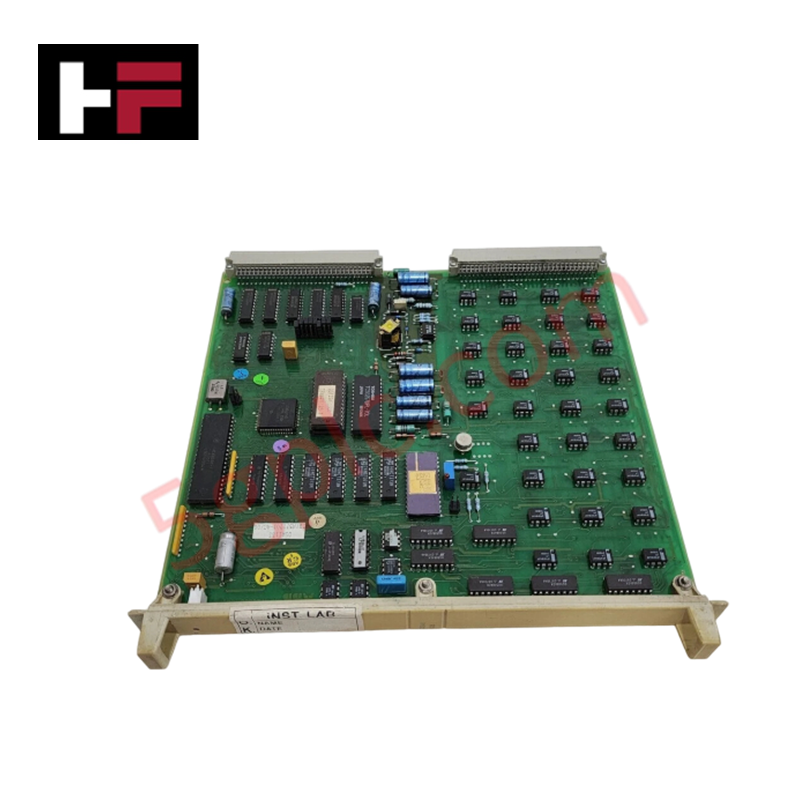
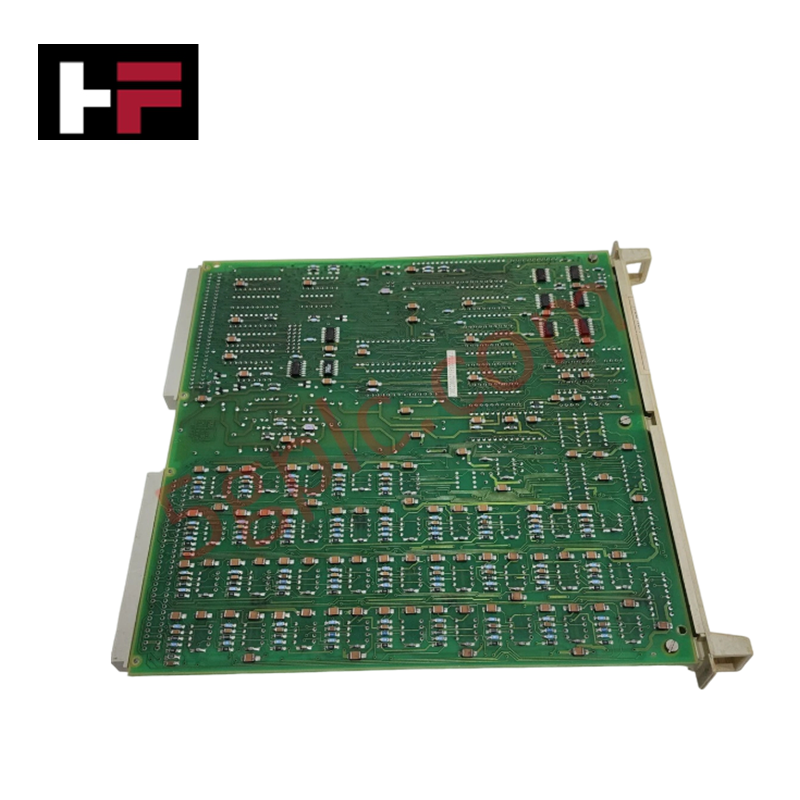
The AAI135-S00 (Part Number: AAI135-S00) is a high-reliability current input interface designed for Yokogawa’s CENTUM VP and CS 3000 distributed control systems. This module is engineered to capture standard 4 to 20 mA signals from up to eight field instruments. Its primary technical advantage is the implementation of full galvanic isolation for each channel, which effectively eliminates ground loop interference and protects the system's central processors from field-side electrical transients.
As a standard type hardware component, the AAI135-S00 is optimized for high-precision data acquisition in non-hazardous environments. While some legacy listings may incorrectly cite high shipping weights, the module itself maintains a compact and lightweight industrial form factor of approximately 0.3 kg. It remains a critical component for plant engineers seeking to maintain or expand existing I/O nests where signal integrity is a top priority.
Detailed Technical Specifications
-
Number of Channels: 8 channels, individually isolated
-
Input Signal Type: 4 to 20 mA DC current
-
Conversion Accuracy: ±16 μA (approximately ±0.1% of span)
-
Input Resistance: 250 Ω (during active power-on state)
-
Data Refresh Cycle: 40 ms internal update period
-
Isolation Voltage: 1500 V AC dielectric strength for 1 minute (Input-to-System)
-
Temperature Drift: ±16 μA variation per 10°C change
-
Maximum Power Consumption: 360 mA at 5 V DC and 450 mA at 24 V DC
-
Operational Temperature: -20°C to 70°C for standard industrial use
-
Physical Dimensions: 10.7 cm x 13.0 cm x 3.3 cm
-
Unit Weight: 0.3 kg (exclusive of packaging)
Module Suffix and Configuration Analysis
-
AAI135: Base series designation for 8-channel isolated current input modules
-
-S: Standard performance and communication specification
-
0: Non-explosion protected design for safe area installation
-
0: Basic functional hardware type
Industrial Application Scenarios
-
Oil and Gas Refining: Monitoring critical pressure and temperature loops where isolation is required for safety.
-
Chemical Processing: Interfacing with high-precision sensors that must be protected from common-mode noise.
-
Power Generation: High-density data acquisition for boiler and turbine monitoring systems.
-
System Maintenance: Replacement of legacy I/O modules in existing CENTUM VP control racks.
Frequently Asked Questions
What is the benefit of the isolated architecture in this module?The AAI135-S00 uses transformer and optocoupler isolation. This ensures that if a transmitter fails or a surge occurs on one channel, it will not propagate to the other seven channels or the DCS backbone, maintaining overall system uptime.
Is this module compatible with HART-enabled devices?While the AAI135-S00 can read the 4-20 mA primary variable from a HART transmitter, it does not support digital HART communication pass-through. If you require diagnostic data access, the "H" suffix version (AAI135-H) is necessary.
Additional Information
- 100% Genuine Parts: All products are original and authentic, ensuring reliable industrial performance.
- 30-Day Refund Guarantee: Return any in-stock item within 30 days in original, unopened packaging for a full refund (excluding shipping and fees).
- 12-Month Warranty: Covers defects in materials or workmanship; excludes misuse, normal wear, or unauthorized modifications.
- Worldwide Shipping: We ship via USPS, UPS, FedEx, and DHL. Delivery times vary by country and may be subject to customs or import fees.
- Support & Contact: Technical and warranty assistance is available anytime. Contact us here: Contact.
- Purchase Guidance: Check product specifications and compatibility carefully before ordering to ensure proper application.
Tech & Buying Guide

Site Acceptance Testing (SAT) for PLC Control Systems: An Engineering Execution Guide
The Site Acceptance Test (SAT) represents the definitive handover stage in industrial automation projects. While the Factory Acceptance Test confirms cabinet hardware assembly off-site, the SAT validates real-world performance under live site conditions. Consequently, a structured execution strategy prevents equipment damage and guarantees seamless integration into plant operations.

Mastering the Factory Acceptance Test (FAT) for PLC Control Panels: An Expert Guide
The Factory Acceptance Test (FAT) is a vital milestone in industrial automation that ensures custom PLC panels meet exact design specifications before dispatch. This guide outlines the step-by-step FAT procedure and key industry best practices to prevent costly site delays and ensure long-term operational success.
Redundant Automation Systems: Ensuring Continuous Uptime in Critical Control Infrastructure
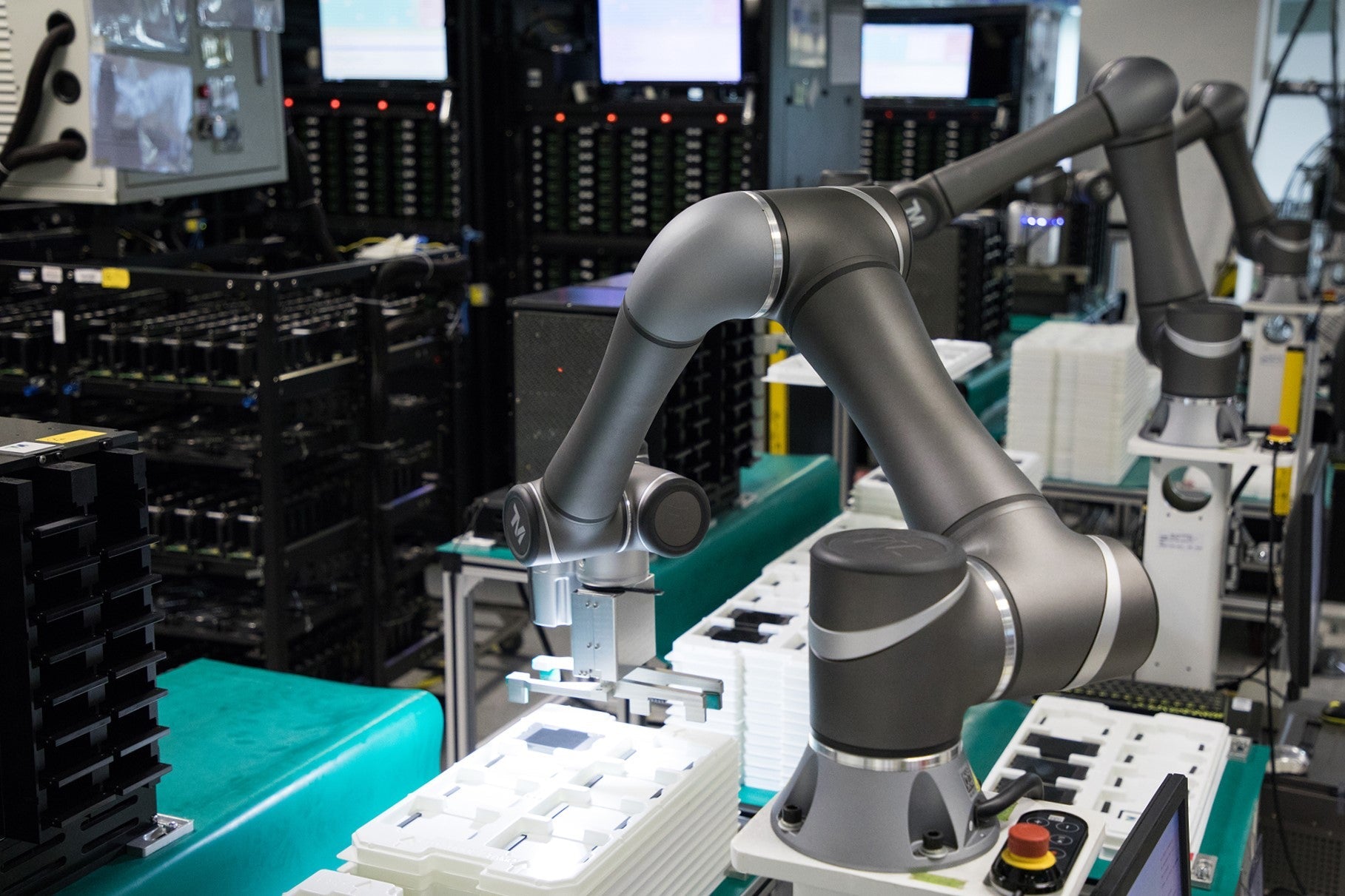
System reliability directly determines operational profitability across high stakes process industries. Modern industrial automation platforms must eliminate single points of failure to prevent catastrophic shutdowns. Deploying fault tolerant architecture safeguards complex facilities against unexpected hardware glitches, network disruptions, and maintenance outages.