










Product Details
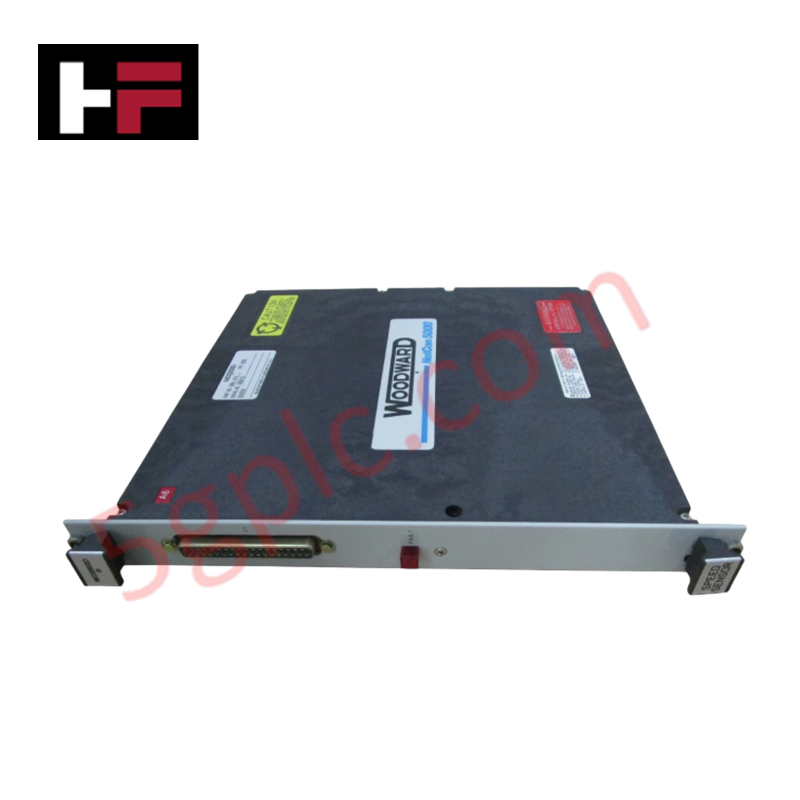
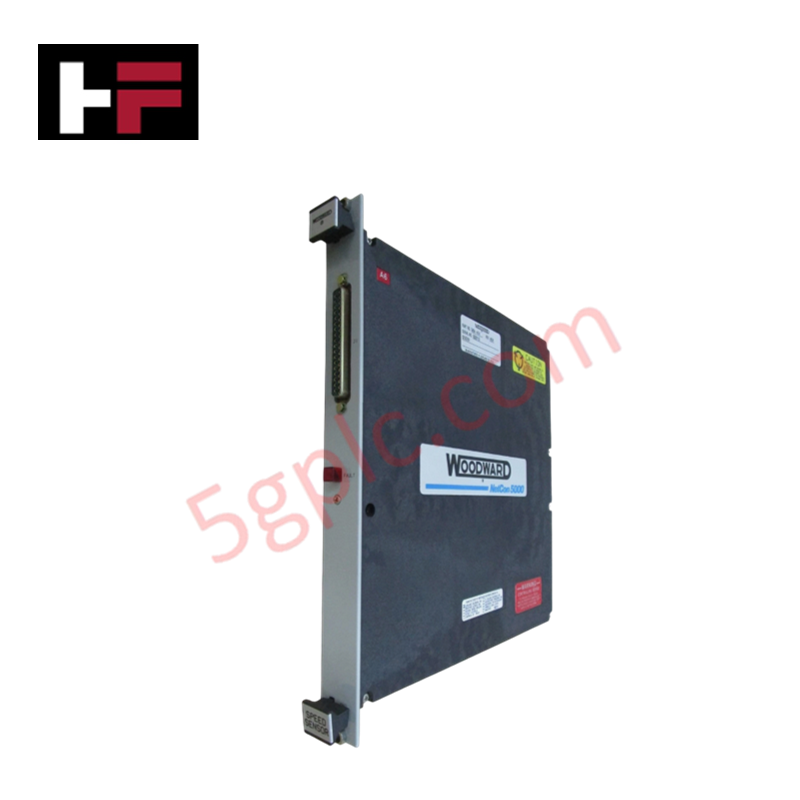
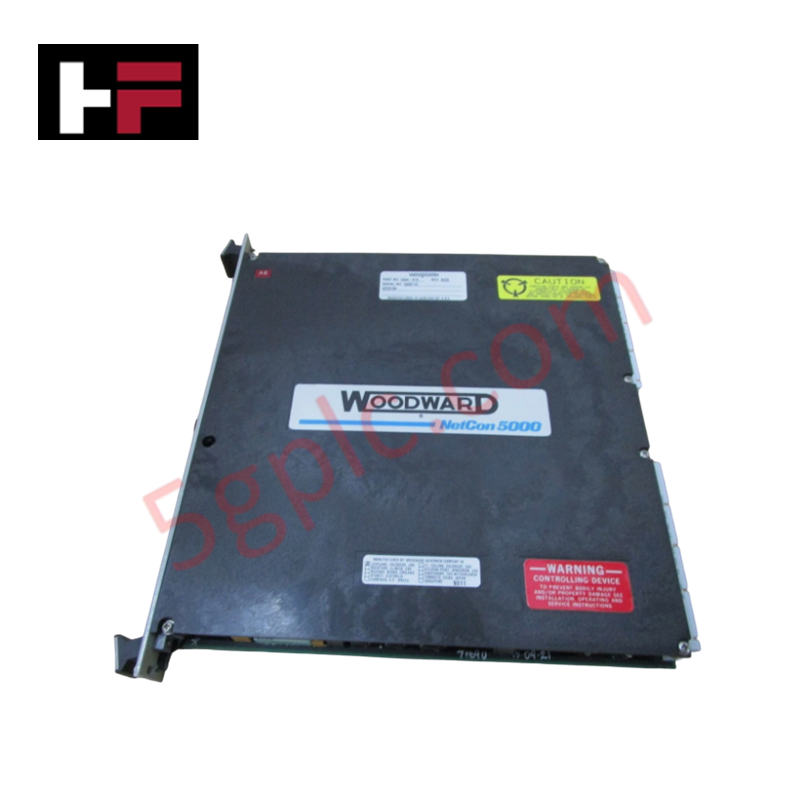
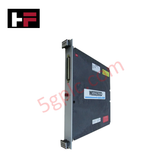
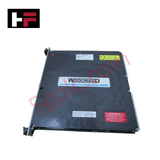
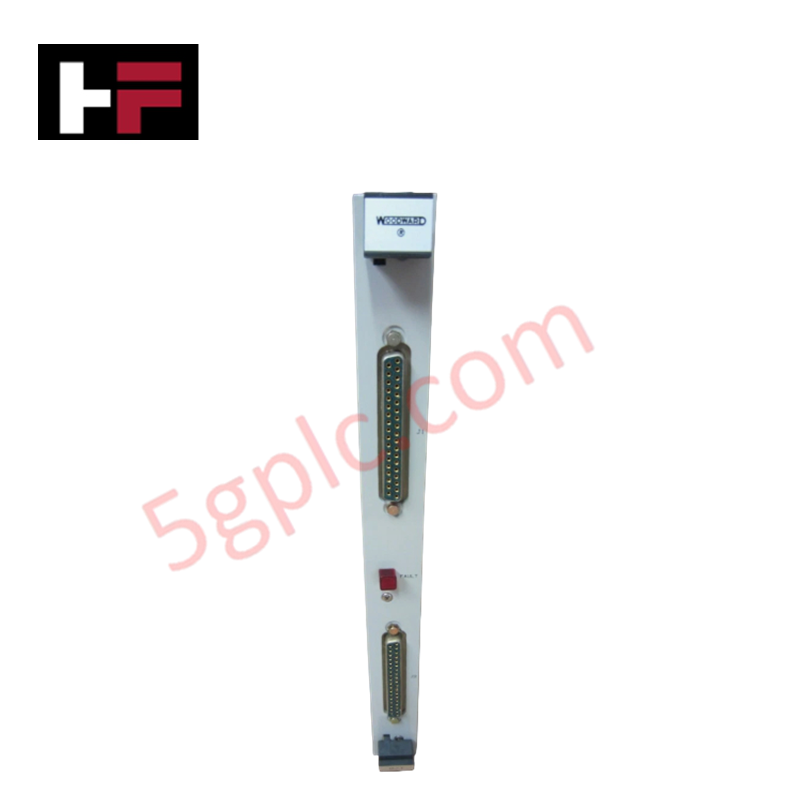
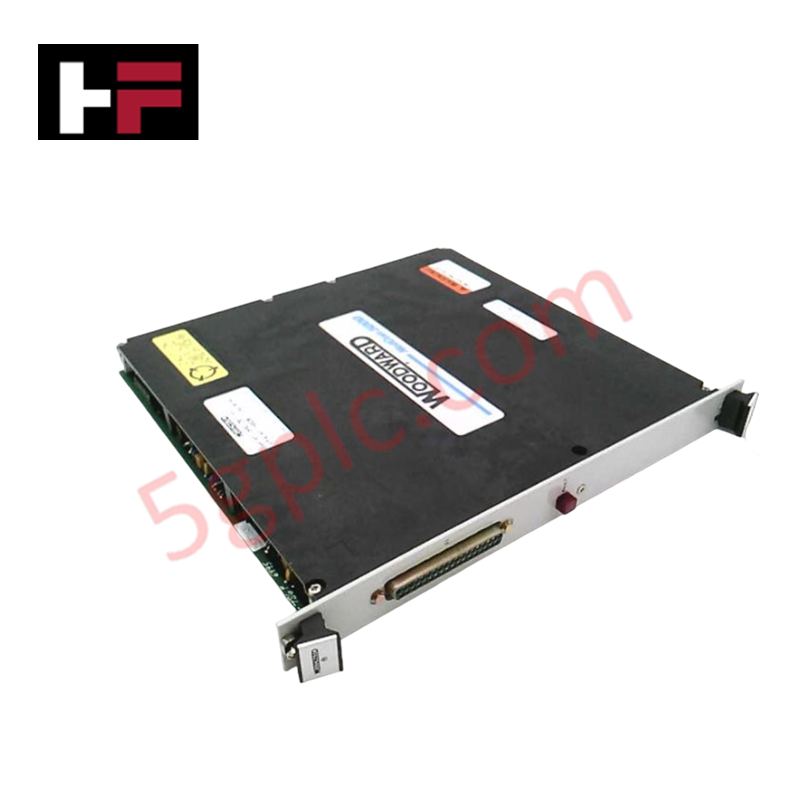
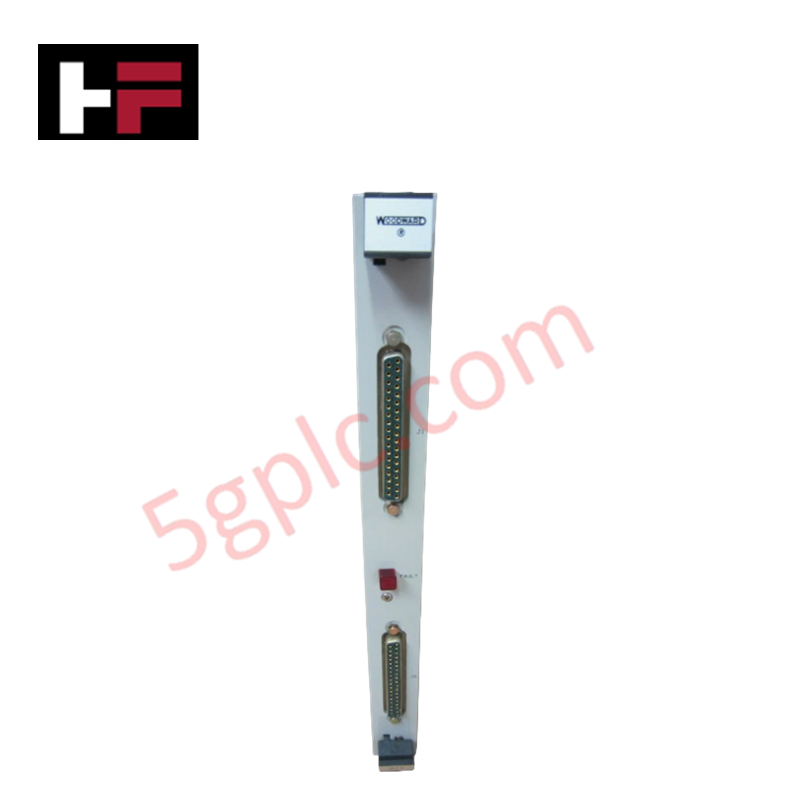
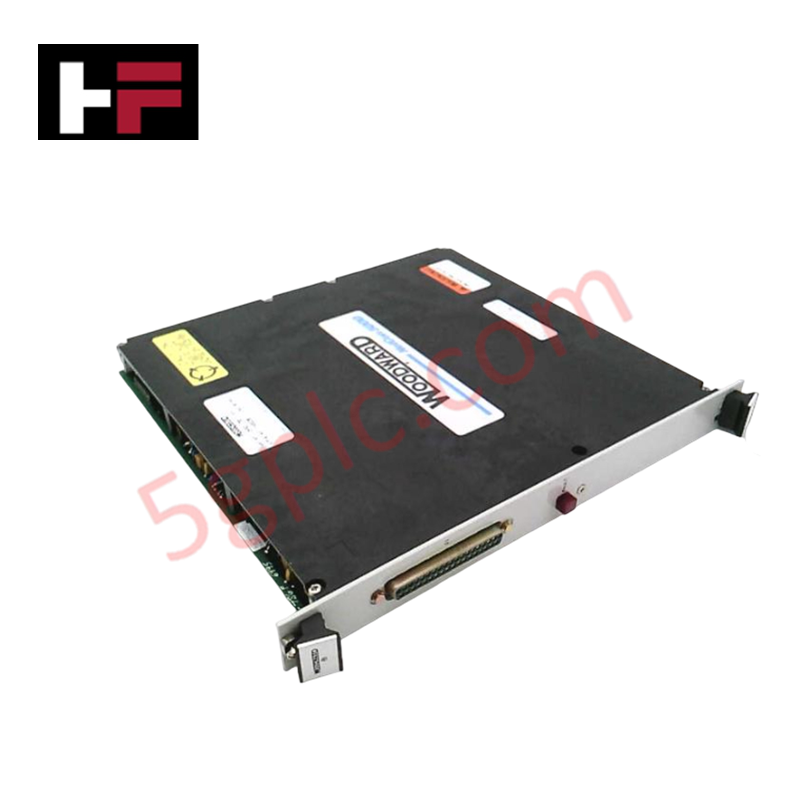
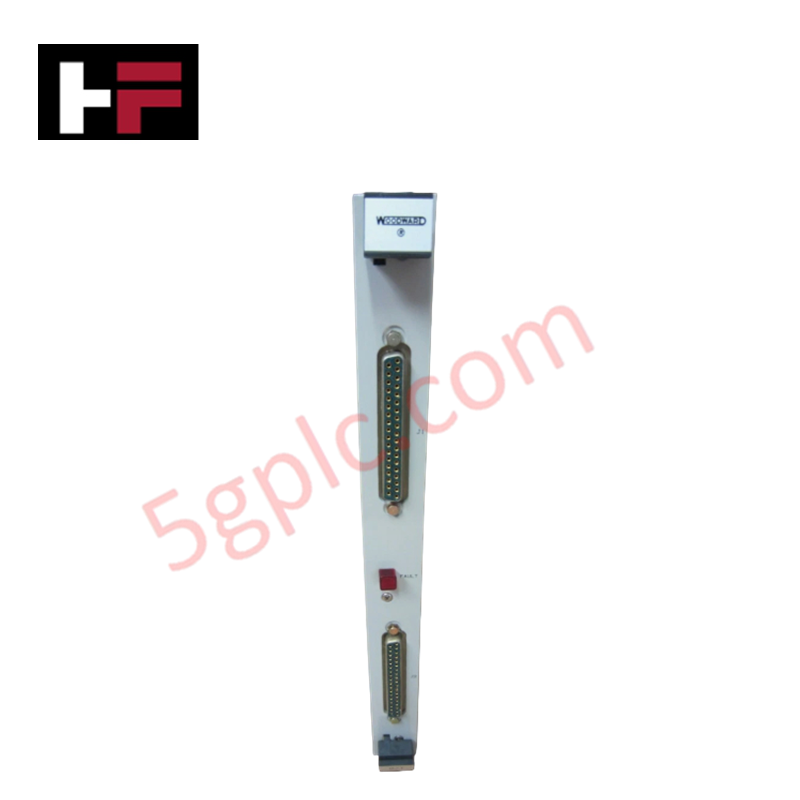
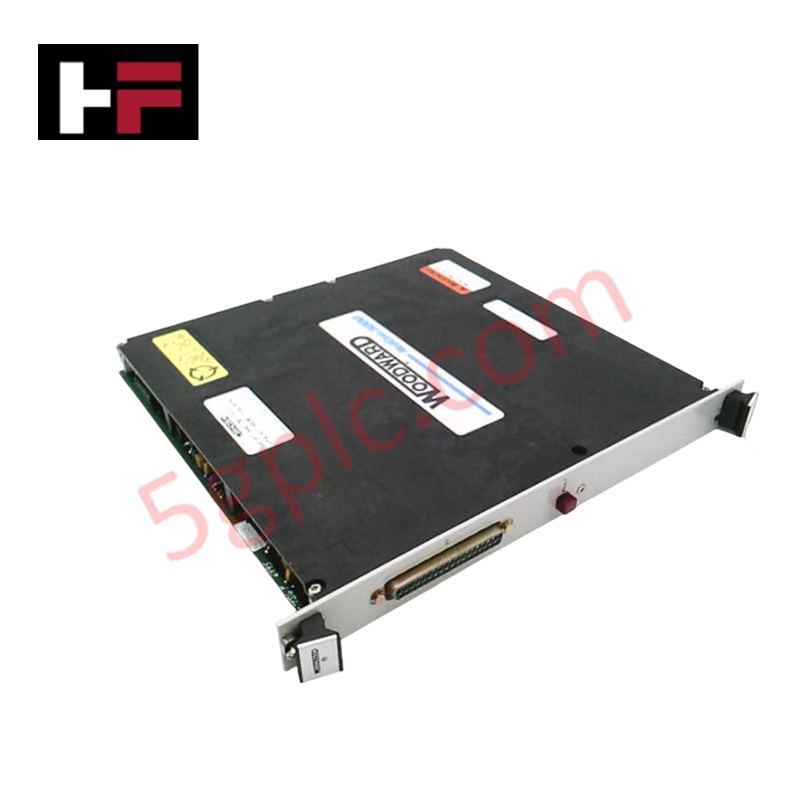
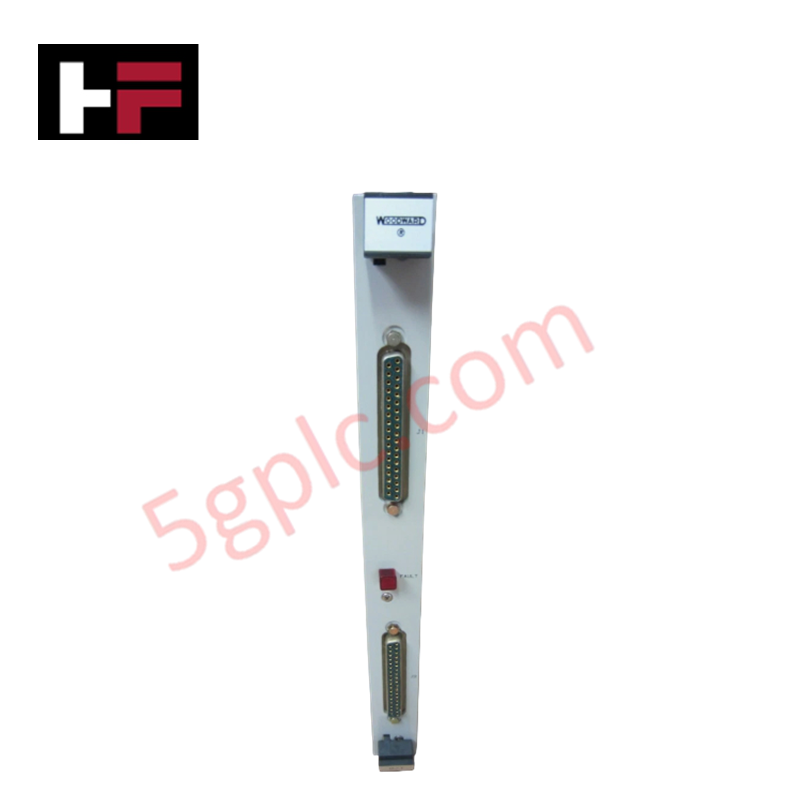
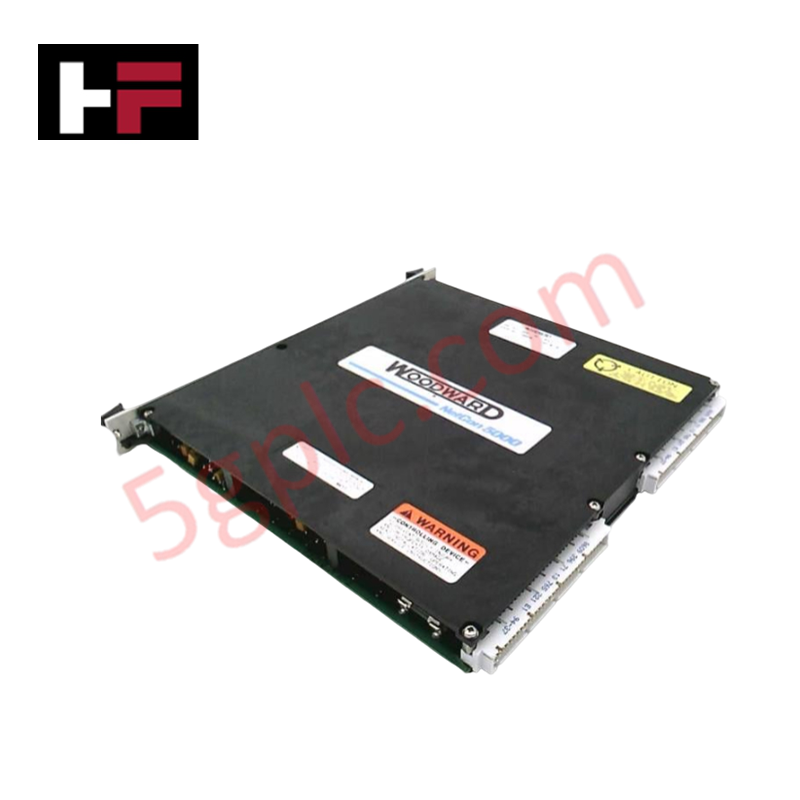
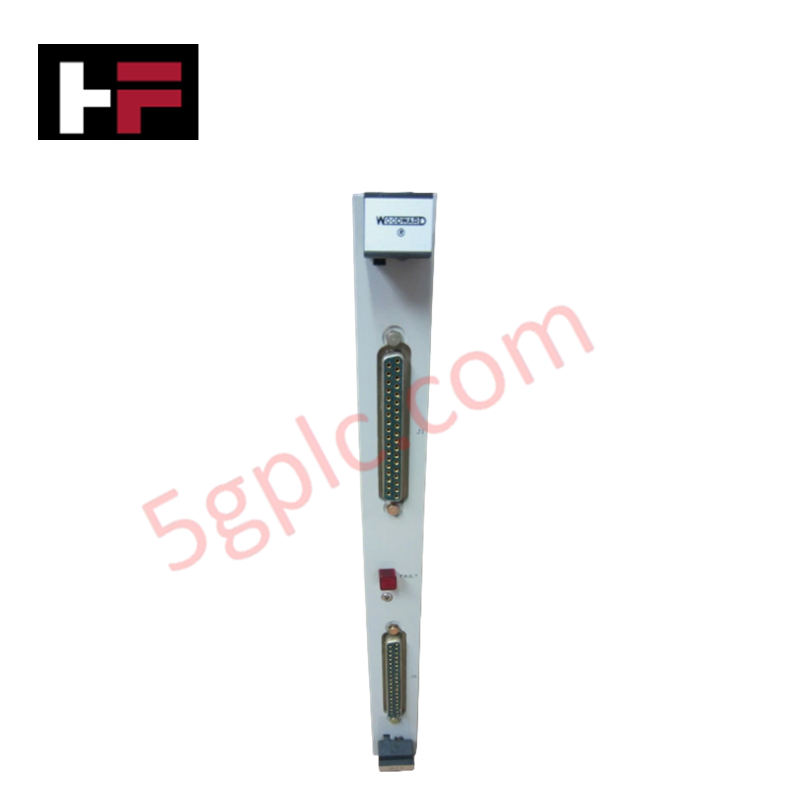
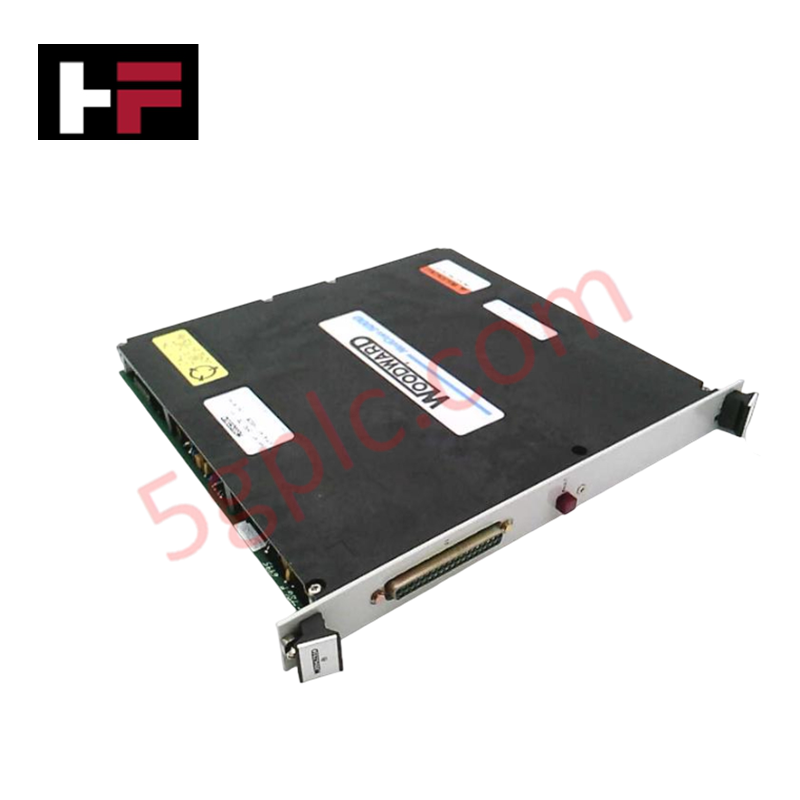
Configured for discrete control execution in MicroNet systems, the Woodward 5464-654 (Discrete Output Module) provides direct electrical execution of relay driver signals to interface with Woodward Relay Modules.
Hardware Specifications
| Parameter | Specification |
|---|---|
| Model | 5464-654 |
| Brand | Woodward |
| Origin | USA |
| Channels | 32 |
| Update Time | 5 ms |
Actuator Loop Feedback Response and Thermal Heat Sink Dissipation Profiles
The 5464-654 module processes digital data received from the CPU to generate non-isolated relay driver signals. The interface relies on a daisy-chained, low-density discrete cable configuration to communicate with external relay modules. To ensure consistent actuator loop feedback response, the module update time is fixed at 5 ms. In the event of a CPU communication loss, all outputs are transitioned to the off state to prevent unintended actuation. While the module itself does not require calibration or potentiometer adjustments, the external relay stage requires a stable, independent 24 VDC power source to ensure proper operation of the field-connected contacts. Thermal management within the chassis is maintained through standard card guide airflow; ensure the motherboard connection is secure to support the thermal heat sink dissipation profiles of the internal logic components.
Frequently Asked Questions
Q: Does the 5464-654 module provide galvanic isolation for the field outputs?
A: No. The relay driver signals generated by this module are non-isolated. All isolation is provided by the external Woodward Relay Modules to which this board interfaces.
Q: Is it possible to perform a hot-swap replacement of this module?
A: The module is designed to be disengaged from the motherboard via front-panel toggles; however, ensure the CPU has been placed in a maintenance state or the system power is managed according to facility safety protocols before physical removal, as the module controls live field outputs.
Field Installation Guidelines
- Insertion: Slide the module into the designated control chassis card guides. Ensure both top and bottom motherboard connectors are fully seated before tightening the front panel retaining screws.
- Cabling: Connect the module to the primary Relay Module using a low-density discrete cable. If daisy-chaining to a second module, use a second low-density cable from the first relay module to the subsequent unit.
- Powering: Provide a separate 24 VDC power source for the external relay contacts. Verify that the power supply current capacity is sufficient for the total relay load across all channels.
- Retention: Utilize the two front-panel toggles for safe disengagement; do not force the module out of the guides without first toggling the handles to disengage the backplane connectors.
Additional Information
- 100% Genuine Parts: All products are original and authentic, ensuring reliable industrial performance.
- 30-Day Refund Guarantee: Return any in-stock item within 30 days in original, unopened packaging for a full refund (excluding shipping and fees).
- 12-Month Warranty: Covers defects in materials or workmanship; excludes misuse, normal wear, or unauthorized modifications.
- Worldwide Shipping: We ship via USPS, UPS, FedEx, and DHL. Delivery times vary by country and may be subject to customs or import fees.
- Support & Contact: Technical and warranty assistance is available anytime. Contact us here: Contact.
- Purchase Guidance: Check product specifications and compatibility carefully before ordering to ensure proper application.


Tech & Buying Guide
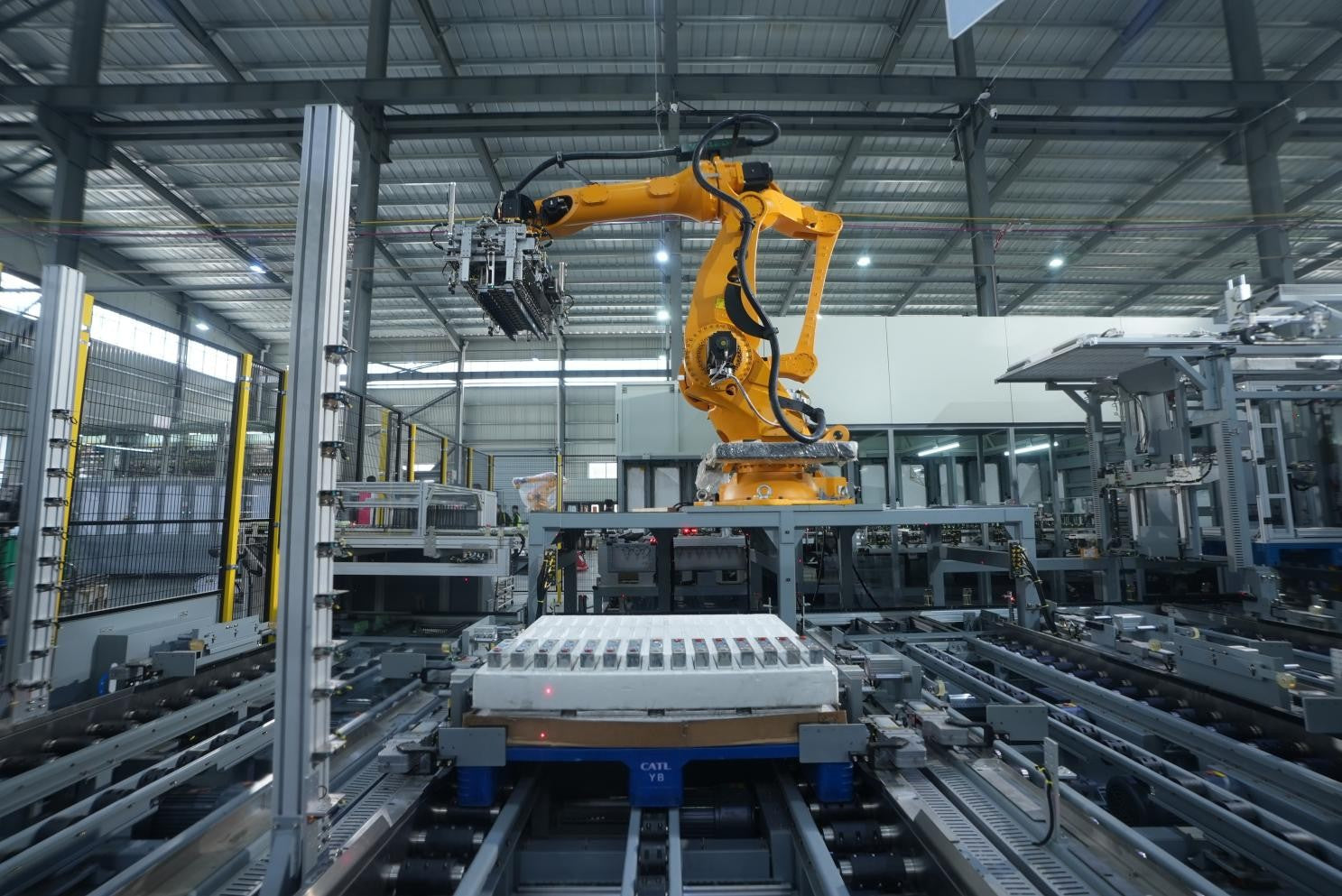
Strategic Selection: Choosing the Right SCADA Software for Your PLC Project
In industrial automation, the SCADA (Supervisory Control and Data Acquisition) system acts as the bridge between raw machine data and actionable human intelligence. Selecting the incorrect software platform can lead to integration bottlenecks, scalability issues, and excessive long-term maintenance costs. As an automation consultant with 15 years of experience, I have guided many projects through the selection process. Below are the essential criteria for choosing a platform that ensures both performance and longevity.

Ensuring Operational Continuity: The Strategic Value of Redundant Automation Systems
In modern industrial landscapes, unplanned downtime is the ultimate adversary. For sectors relying on complex PLC and DCS architectures, a single hardware failure can trigger catastrophic production losses. Therefore, implementing redundant automation systems is no longer a luxury; it is a fundamental requirement for mission-critical operations. In this article, I analyze why redundancy remains the backbone of reliable industrial infrastructure.

Selecting the Right Cables for Industrial Automation: A Comprehensive Guide
Selecting the appropriate cabling infrastructure is critical for the success of any industrial automation project. Improper cable selection often leads to signal degradation, system instability, and costly downtime. As an automation engineer, I frequently see projects compromised by poor cabling choices in harsh industrial environments. This guide simplifies the complex landscape of cabling to help you make informed decisions for your PLC, DCS, and control systems.