










Product Details
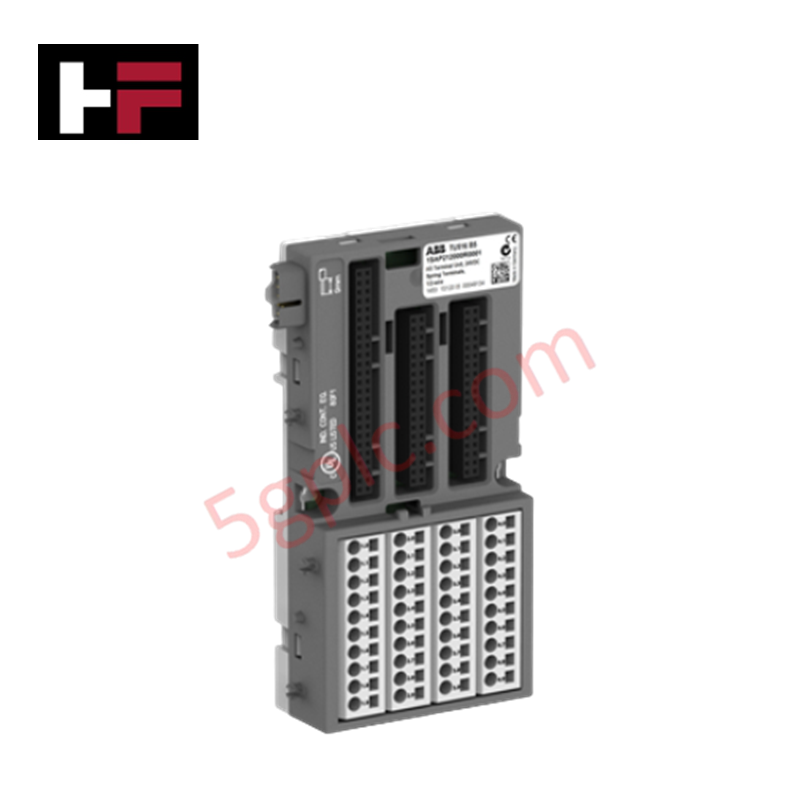
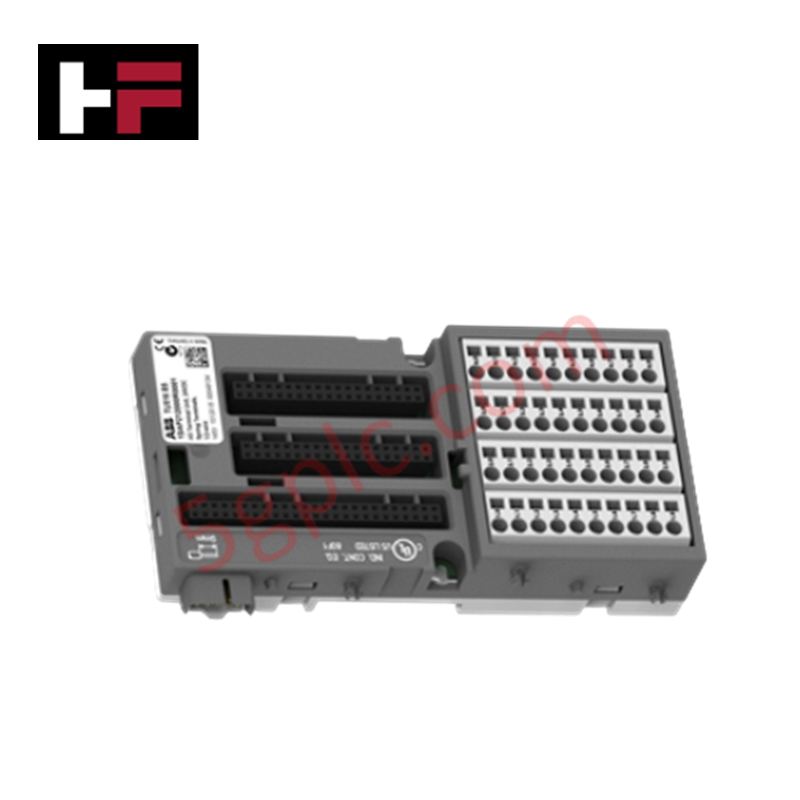
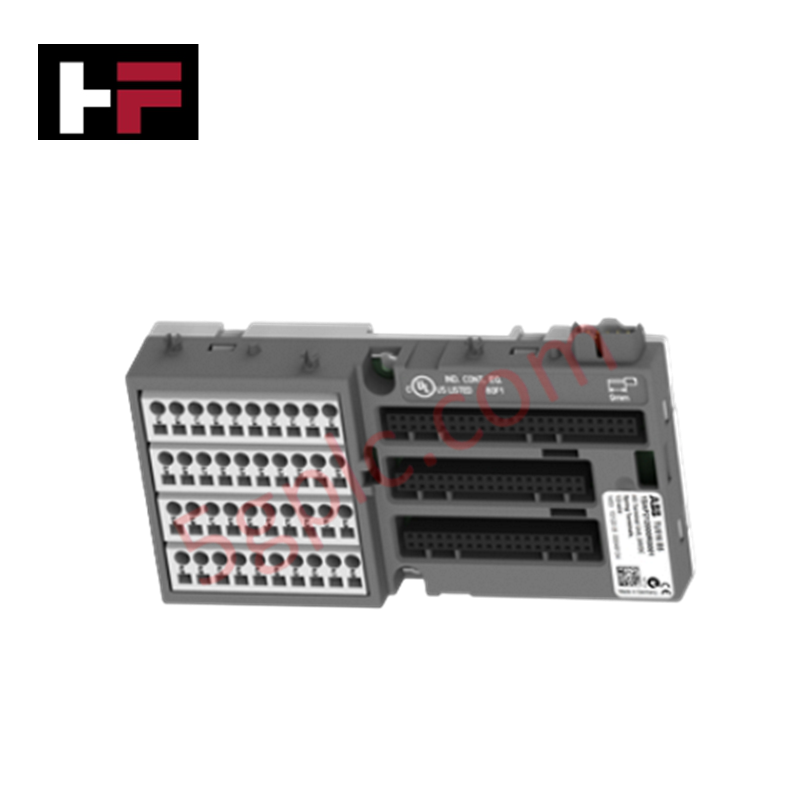
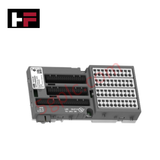
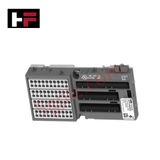
The ABB 1SAP212000R0001, also cataloged as the TU516 I/O Terminal Unit, operates as a dedicated hardware component for field signal termination and module backplane bus routing within ABB AC500 platforms. Configured with spring terminals, this base unit provides direct physical/electrical execution to support plugged S500 analog and 24 VDC digital I/O modules.
Hardware Specifications
| Parameter | Specification |
|---|---|
| Model | TU516 |
| Product ID | 1SAP212000R0001 |
| Brand | ABB |
| Product Type | I/O Terminal Units / Mounting Racks |
| System Platform | ABB AC500 / S500 I/O System |
| Terminal Connection Type | Spring terminals |
| Module Compatibility | Analog and 24 VDC digital S500 I/O modules |
| Operating Supply Voltage | 24 V DC |
| Ingress Protection | IP20 |
| Net Width | 67.5 mm |
| Net Height | 135 mm |
| Net Depth / Length | 28 mm |
| Net Weight | 0.159 kg |
| Operating Temp | 0 to +60 deg C |
| Power Consumption | Passive bus termination (Negligible internal loss) |
| Origin | Germany |
Backplane Bus Interfacing and Deterministic Communications
The TU516 terminal base establishes high backplane bus communication velocity across adjacent S500 expansion slots. Internal printed trace routing distributes 24 VDC supply voltage and backplane data lines directly to inserted I/O modules without requiring external jumpers. The integrated terminal interface maintains firmware flash compatibility and deterministic signal transfer between the central processor unit and field-side sensors or actuators.
Frequently Asked Questions
Q: What module families are compatible with the TU516 spring terminal base?
A: The TU516 base unit accommodates S500 series analog modules and 24 VDC digital input/output modules.
Q: How is field wiring secured on the TU516 unit?
A: Field connections utilize spring terminals, enabling tool-less wire insertion and vibration-resistant physical contact.
Q: Does removing a plugged I/O module break the backplane continuity to downstream units?
A: No. The internal backplane bus pass-through logic remains intact on the TU516 base unit even when the active I/O card is extracted.
Field Installation Guidelines
- Snap the TU516 terminal unit onto a standard 35 mm DIN rail, ensuring the grounding spring contacts the metal rail firmly.
- Connect the 24 VDC system power supply conductors to the designated power terminals on the spring block.
- Insert stripped field signal wires directly into the spring clamp terminals using a standard screwdriver to release tension if using flexible stranded wire without ferrules.
- Align the target S500 I/O module over the guide slots of the TU516 base and push firmly until the mechanical locking latches click shut.
- Maintain dedicated wire routing channels to separate 24 VDC field signal wiring from high-voltage AC distribution power cables.
Additional Information
- 100% Genuine Parts: All products are original and authentic, ensuring reliable industrial performance.
- 30-Day Refund Guarantee: Return any in-stock item within 30 days in original, unopened packaging for a full refund (excluding shipping and fees).
- 12-Month Warranty: Covers defects in materials or workmanship; excludes misuse, normal wear, or unauthorized modifications.
- Worldwide Shipping: We ship via USPS, UPS, FedEx, and DHL. Delivery times vary by country and may be subject to customs or import fees.
- Support & Contact: Technical and warranty assistance is available anytime. Contact us here: Contact.
- Purchase Guidance: Check product specifications and compatibility carefully before ordering to ensure proper application.


Tech & Buying Guide

Wellhead Control Panel (WHCP) Architecture in Oil and Gas Automation
Upstream oil and gas operations rely on specialized field control platforms to manage wellhead extraction safety and hydraulic actuation. A Wellhead Control Panel (WHCP) serves as a dedicated hydraulic and pneumatic power unit designed to operate critical Christmas Tree isolation valves. By interfacing field safety components directly with Programmable Logic Controller (PLC) architecture, a WHCP protects upstream extraction assets against overpressure, catastrophic leaks, and thermal emergencies.

Understanding Marshalling Cabinets in Industrial Control Systems Architecture
Industrial control system deployments rely on structured signal distribution to bridge field instrumentation with central processing hardware. A marshalling cabinet serves as the vital intermediate connection point between heavy field home-run multi-pair cables and delicate input/output (I/O) modules housed inside Programmable Logic Controller (PLC) or Distributed Control System (DCS) enclosures. By segregating field cable terminations from control hardware, engineers maintain system flexibility, safeguard controller components, and streamline commissioning workflows.

FAT vs SAT in Industrial Control Systems: Key Differences and Execution Guide
Industrial control system deployment relies on strict verification protocols to guarantee operational safety, system stability, and regulatory compliance. Commissioning complex Programmable Logic Controller (PLC) racks, Distributed Control Systems (DCS), and Safety Instrumented Systems (SIS) requires two critical milestones: the Factory Acceptance Test (FAT) and the Site Acceptance Test (SAT). Both procedures validate that system automation meets design specifications, but they occur at different stages of project execution and target distinct operational risks.