










Product Details
Product Description
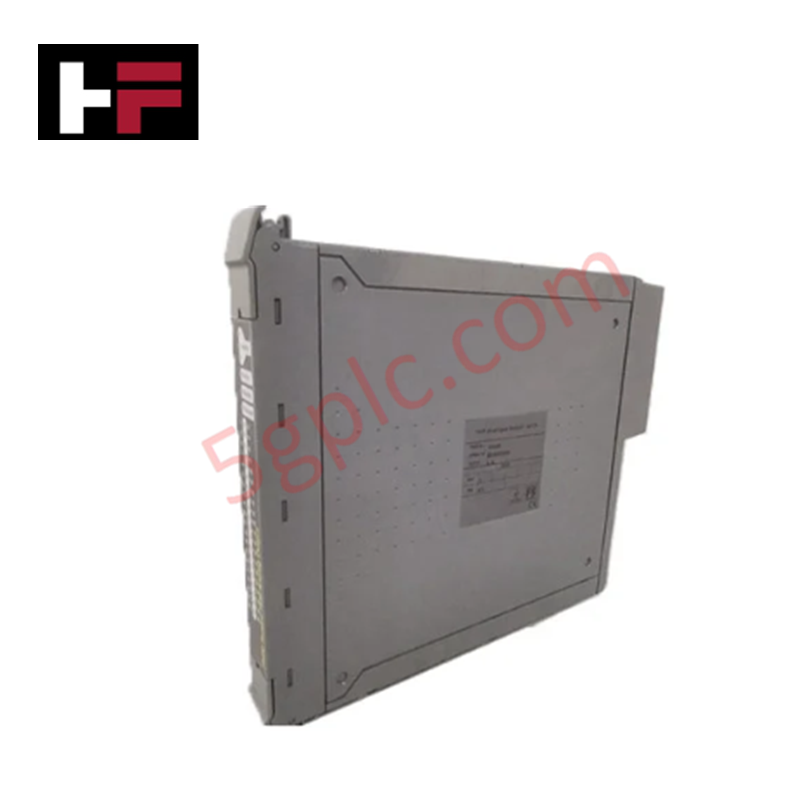
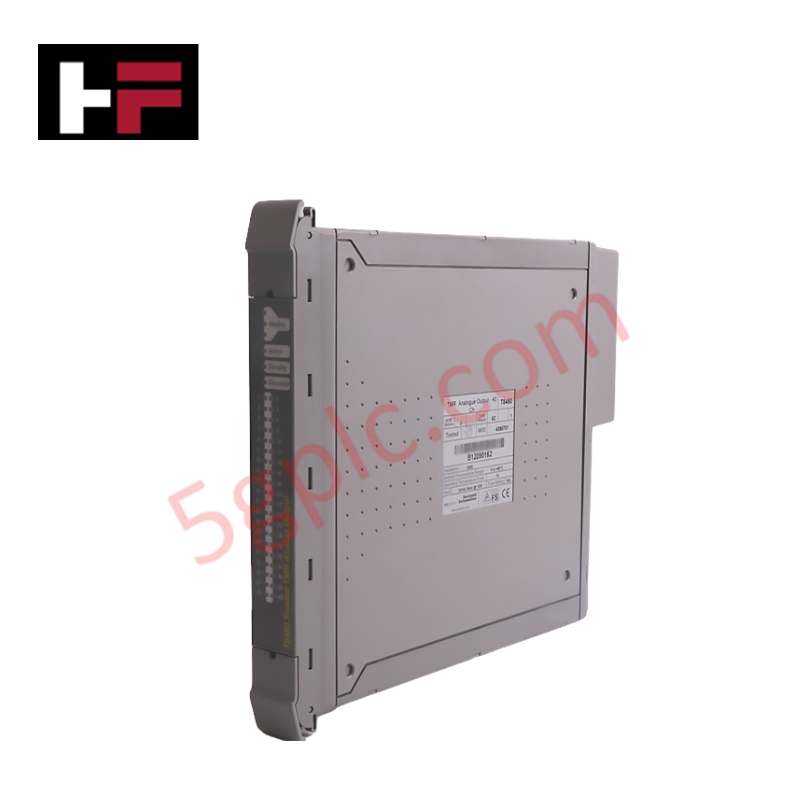
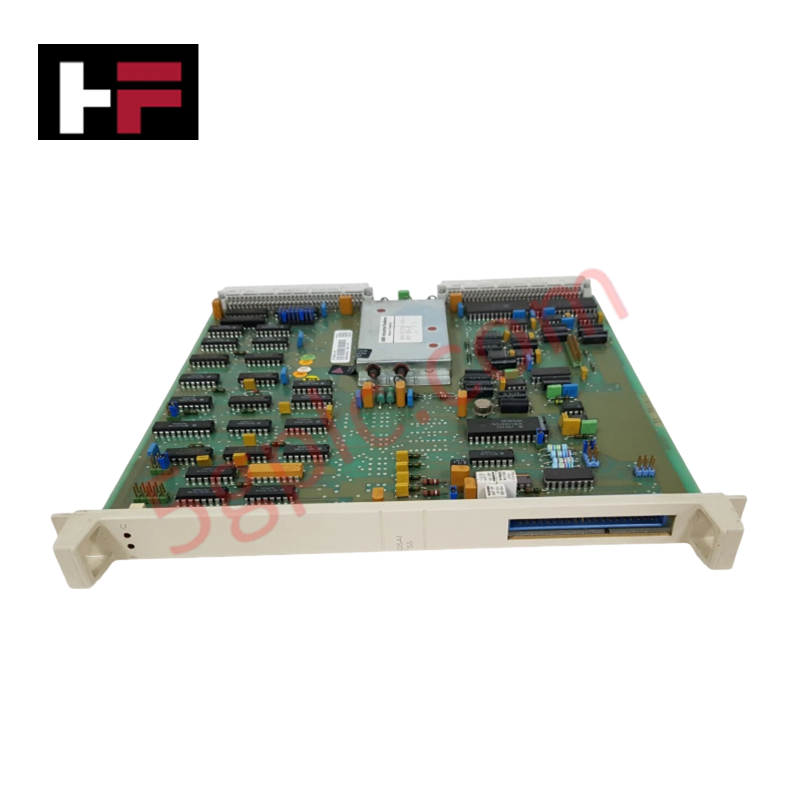
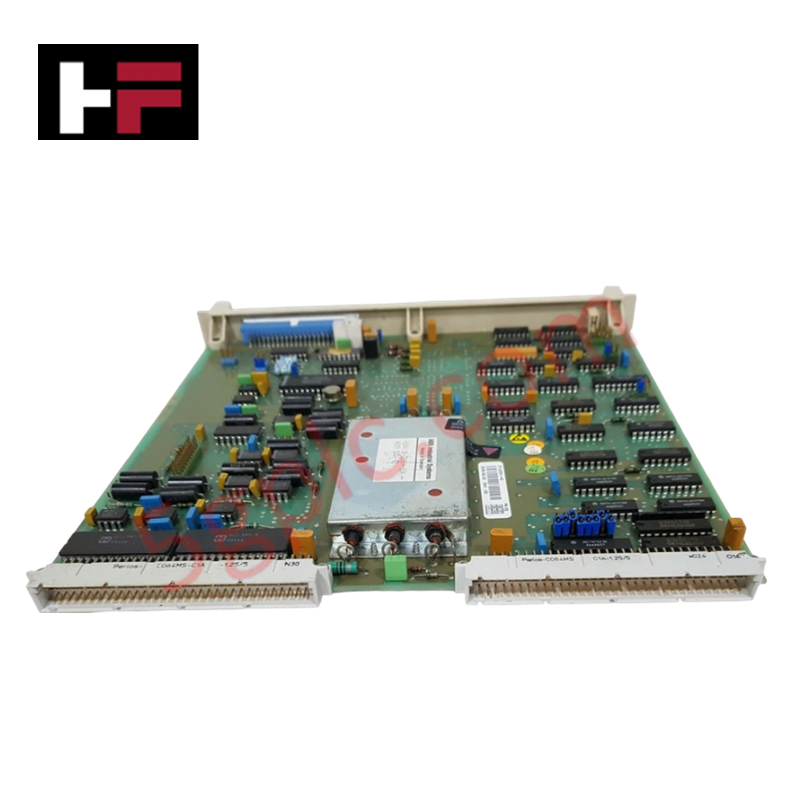
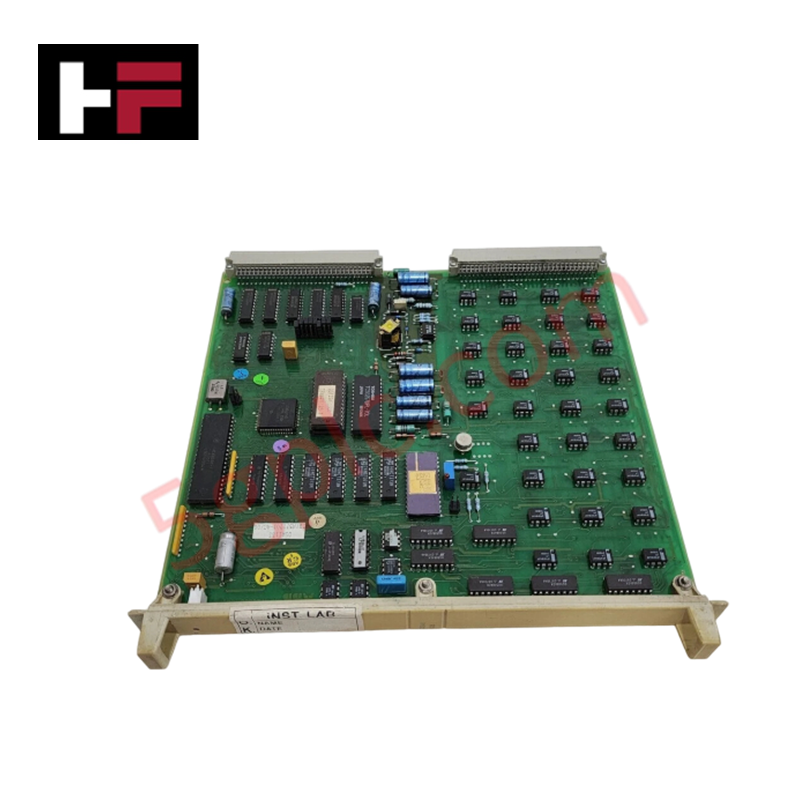
The 1756-IT6I2 is a high-performance analog input module designed for the ControlLogix platform, specifically engineered for precision temperature sensing in demanding industrial environments. This enhanced module features six independently isolated thermocouple inputs, providing superior noise immunity and preventing ground loop interference between channels. It also includes two onboard Cold Junction Compensation (CJC) sensors to ensure high-accuracy readings across a wide ambient temperature range.
With a 16-bit resolution architecture, the 1756-IT6I2 (Part Number: 1756-IT6I2) supports a comprehensive array of sensor types and millivolt ranges. It is optimized for speed and flexibility, offering multiple data formats including 32-bit floating point for direct engineering unit representation. The module's robust design draws power from the 1756 backplane and is compatible with standard or spring-clamp removable terminal blocks for secure field wiring.
Technical Specifications
-
Module Type: Isolated Thermocouple/Millivolt Input
-
Number of Channels: 6 Isolated Inputs; 2 CJC points
-
Supported Thermocouples: Types B, C, D, E, J, K, L, N, R, S, T
-
Resolution: 16-bit (0.7 $\mu$V/bit in high-resolution mode)
-
Millivolt Ranges: -12 to 30 mV or -12 to 78 mV
-
Module Scan Time: 25ms (Floating point millivolt); 50ms (Temperature); 10ms (Integer)
-
Backplane Current (5V DC): 200 mA
-
Backplane Current (24V DC): 120 mA
-
Power Dissipation: 4.6 Watts (Maximum)
-
Data Formats: IEEE 32-bit Floating Point; Integer Mode (2s complement)
-
Required RTB: 1756-TBNH or 1756-TBSH
-
Isolation Voltage: Channel-to-channel and channel-to-backplane isolation
-
Shipping Weight: 0.28 kg (0.63 lbs)
Application and System Comparison
The 1756-IT6I2 is the preferred choice over standard non-isolated modules (like the 1756-IR6I) for applications where thermocouples are attached to different metal structures with varying electrical potentials. This isolation is critical in preventing signal distortion in smelting, heat-treating, and chemical processing. The "Enhanced" designation reflects its improved processing speed and expanded thermocouple type support compared to first-generation Logix modules.
Engineering FAQ
What is the benefit of the two CJC sensors in this module?
The 1756-IT6I2 utilizes two CJC sensors to better average the temperature across the terminal block. This compensates for thermal gradients caused by heat dissipation within the chassis, ensuring the reference junction temperature is accurately calculated for all six channels.
Can I mix different thermocouple types on the same module?
Yes. Each of the six isolated channels on the 1756-IT6I2 can be individually configured in the Studio 5000 software to a specific sensor type or millivolt range, providing maximum flexibility for varied process requirements.
Additional Information
- 100% Genuine Parts: All products are original and authentic, ensuring reliable industrial performance.
- 30-Day Refund Guarantee: Return any in-stock item within 30 days in original, unopened packaging for a full refund (excluding shipping and fees).
- 12-Month Warranty: Covers defects in materials or workmanship; excludes misuse, normal wear, or unauthorized modifications.
- Worldwide Shipping: We ship via USPS, UPS, FedEx, and DHL. Delivery times vary by country and may be subject to customs or import fees.
- Support & Contact: Technical and warranty assistance is available anytime. Contact us here: Contact.
- Purchase Guidance: Check product specifications and compatibility carefully before ordering to ensure proper application.
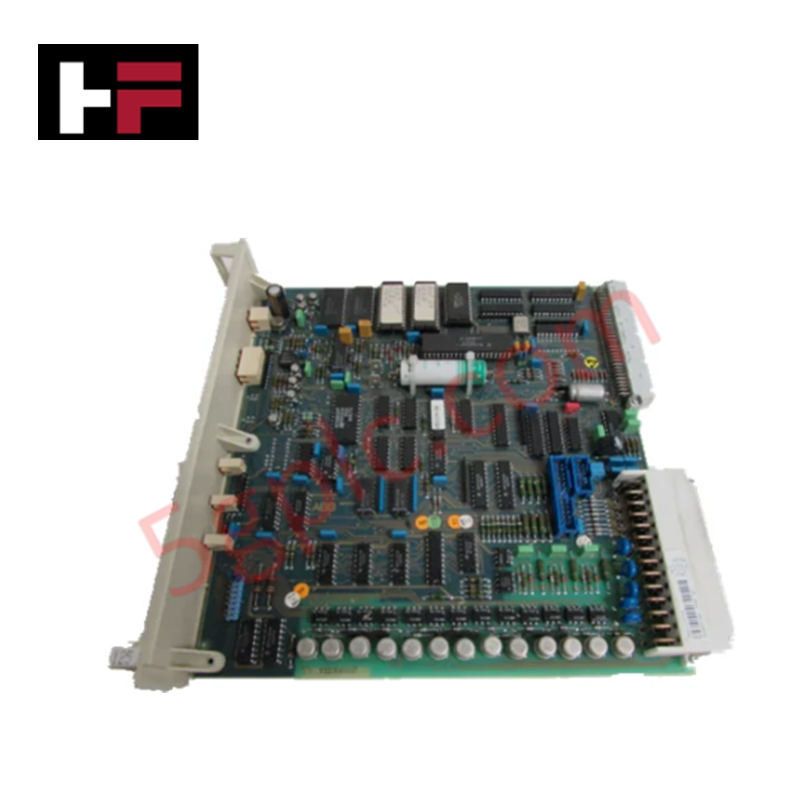
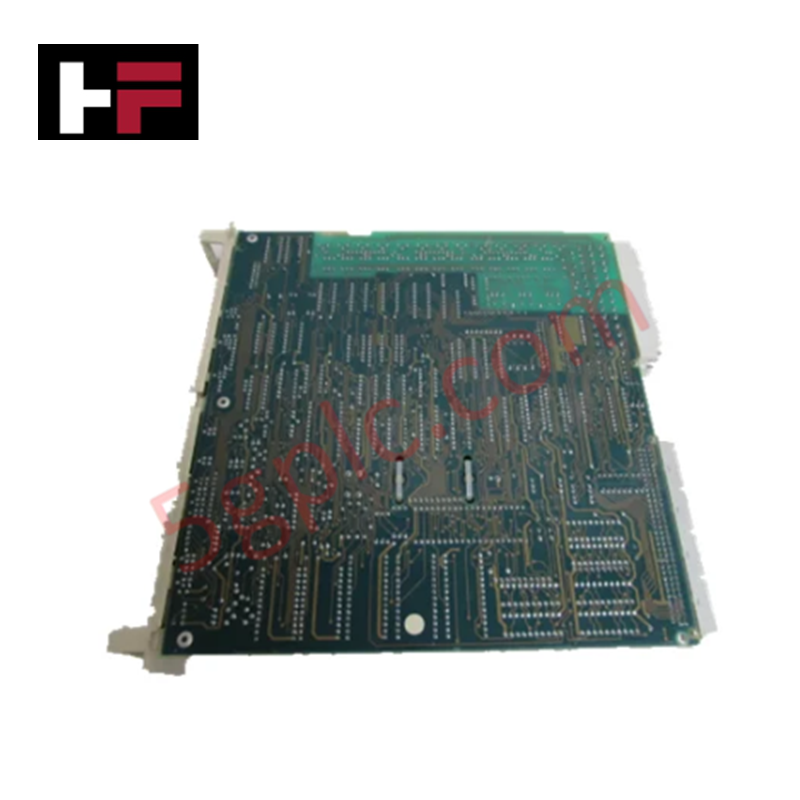
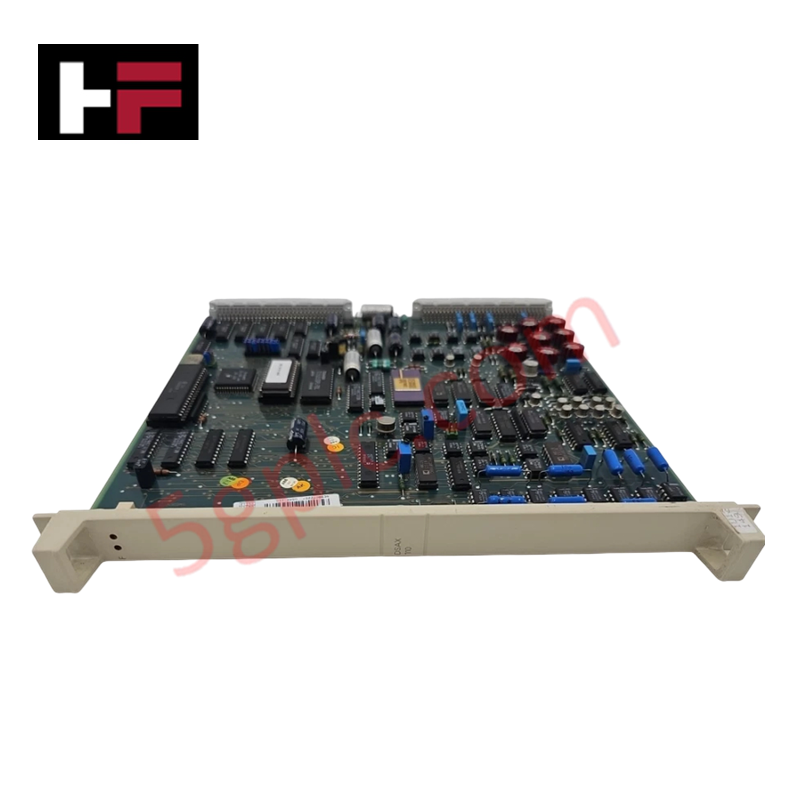
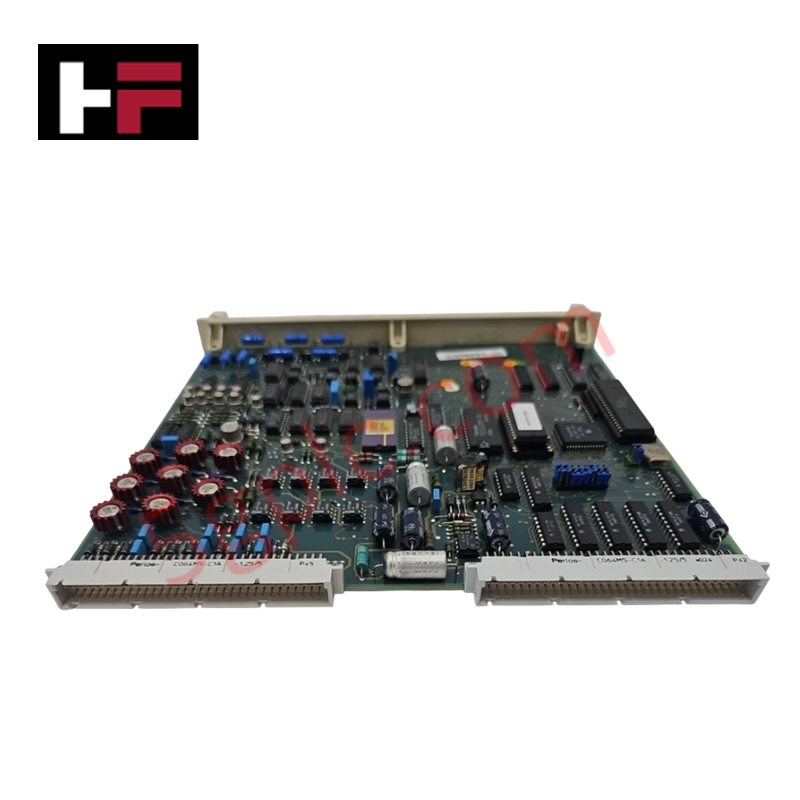
Tech & Buying Guide

Site Acceptance Testing (SAT) for PLC Control Systems: An Engineering Execution Guide
The Site Acceptance Test (SAT) represents the definitive handover stage in industrial automation projects. While the Factory Acceptance Test confirms cabinet hardware assembly off-site, the SAT validates real-world performance under live site conditions. Consequently, a structured execution strategy prevents equipment damage and guarantees seamless integration into plant operations.

Mastering the Factory Acceptance Test (FAT) for PLC Control Panels: An Expert Guide
The Factory Acceptance Test (FAT) is a vital milestone in industrial automation that ensures custom PLC panels meet exact design specifications before dispatch. This guide outlines the step-by-step FAT procedure and key industry best practices to prevent costly site delays and ensure long-term operational success.
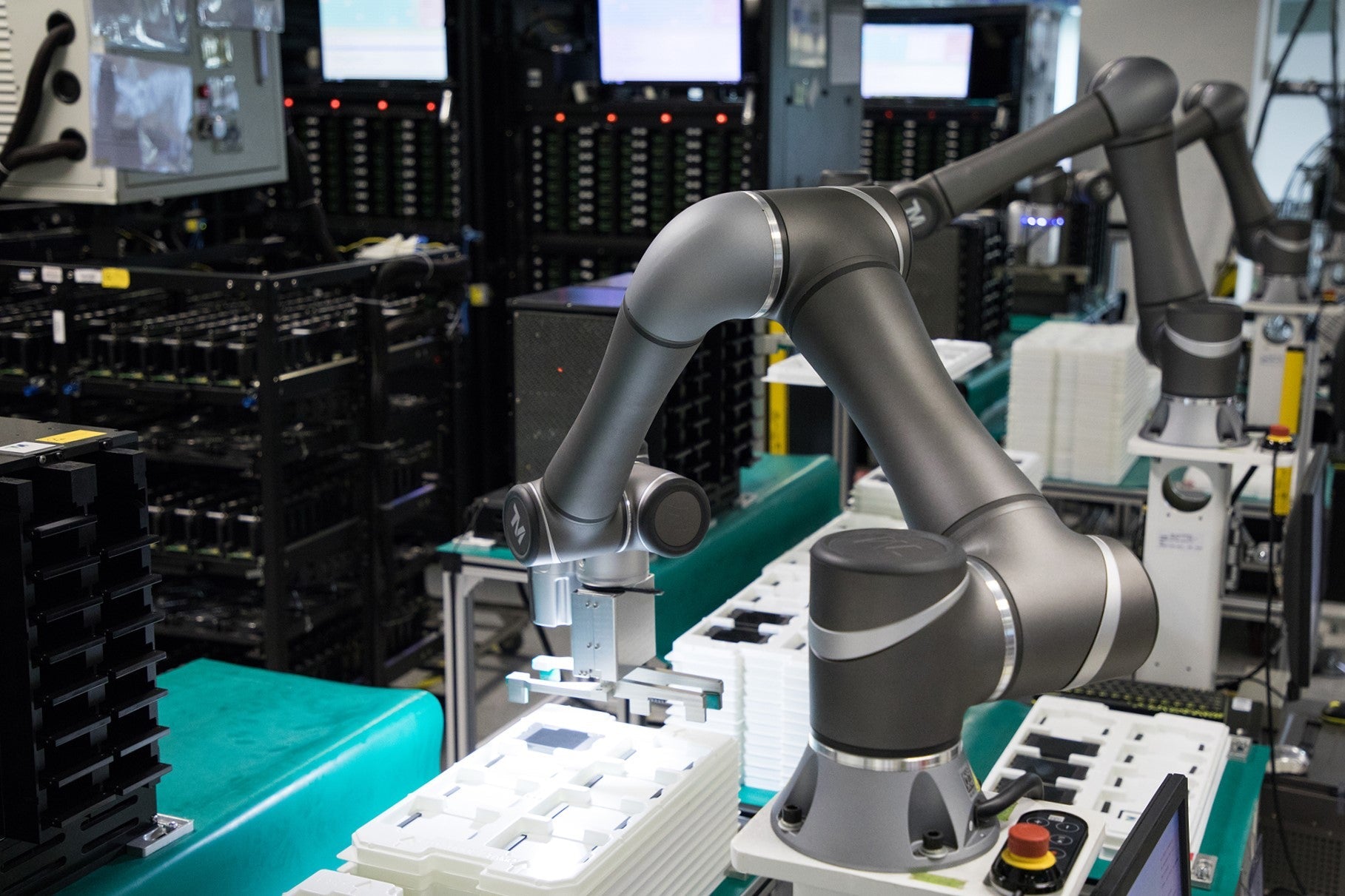
Redundant Automation Systems: Ensuring Continuous Uptime in Critical Control Infrastructure
System reliability directly determines operational profitability across high stakes process industries. Modern industrial automation platforms must eliminate single points of failure to prevent catastrophic shutdowns. Deploying fault tolerant architecture safeguards complex facilities against unexpected hardware glitches, network disruptions, and maintenance outages.