










Product Details
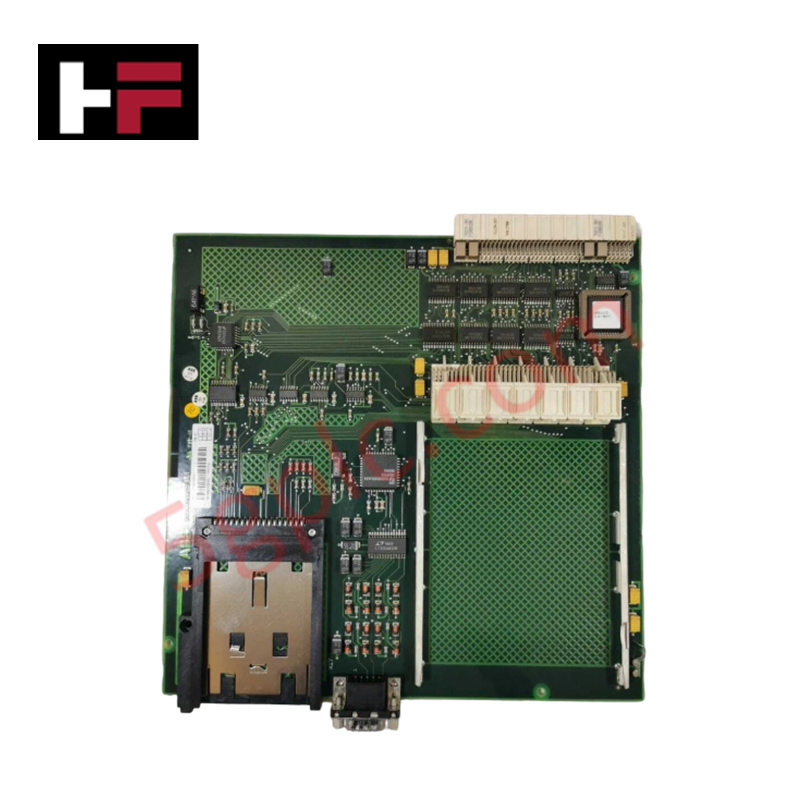
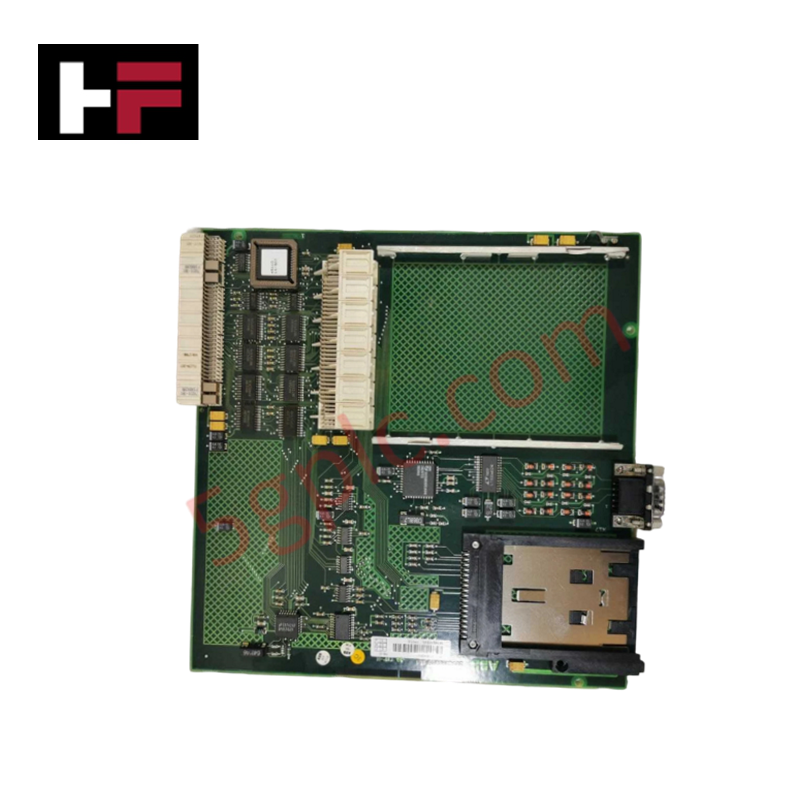
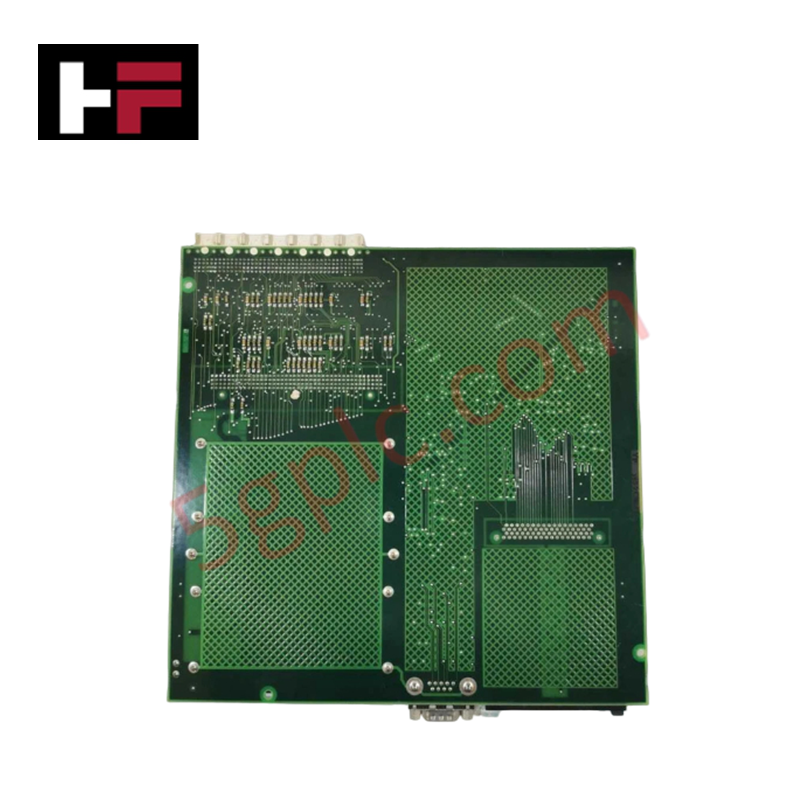
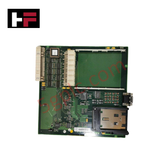
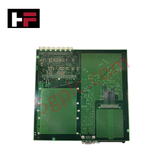
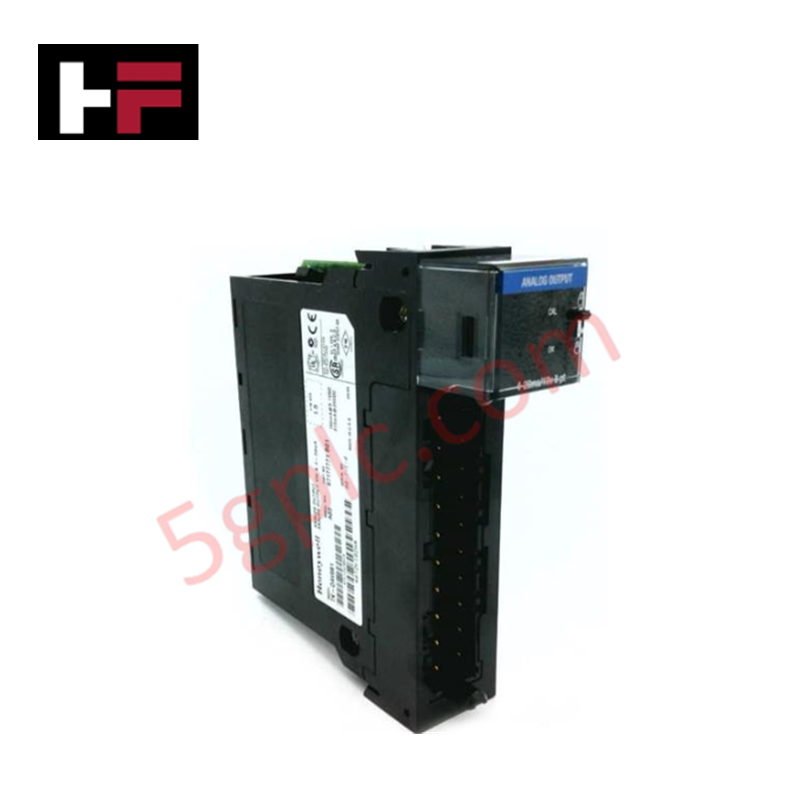
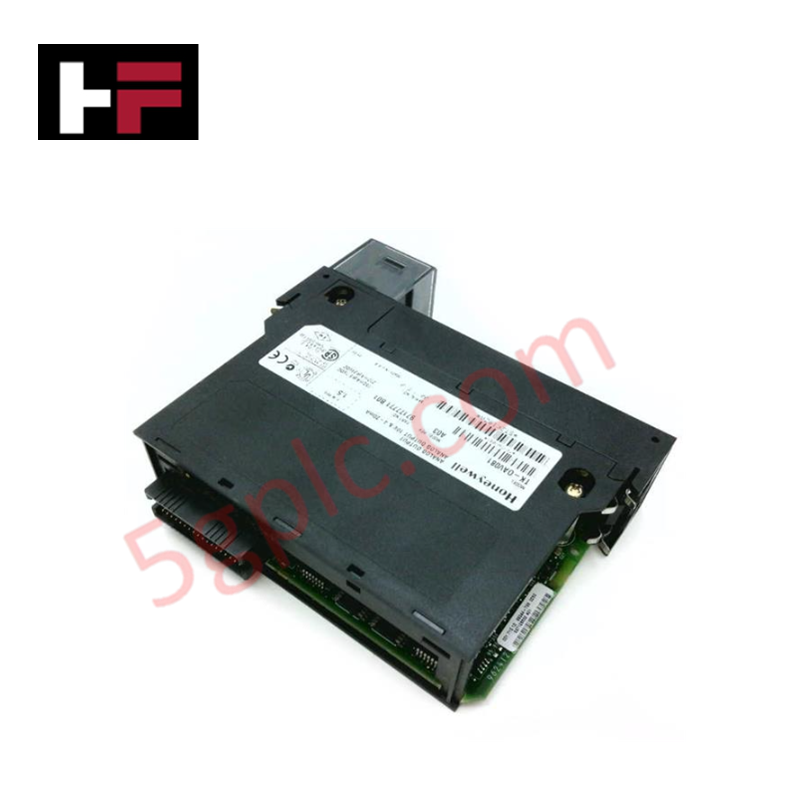
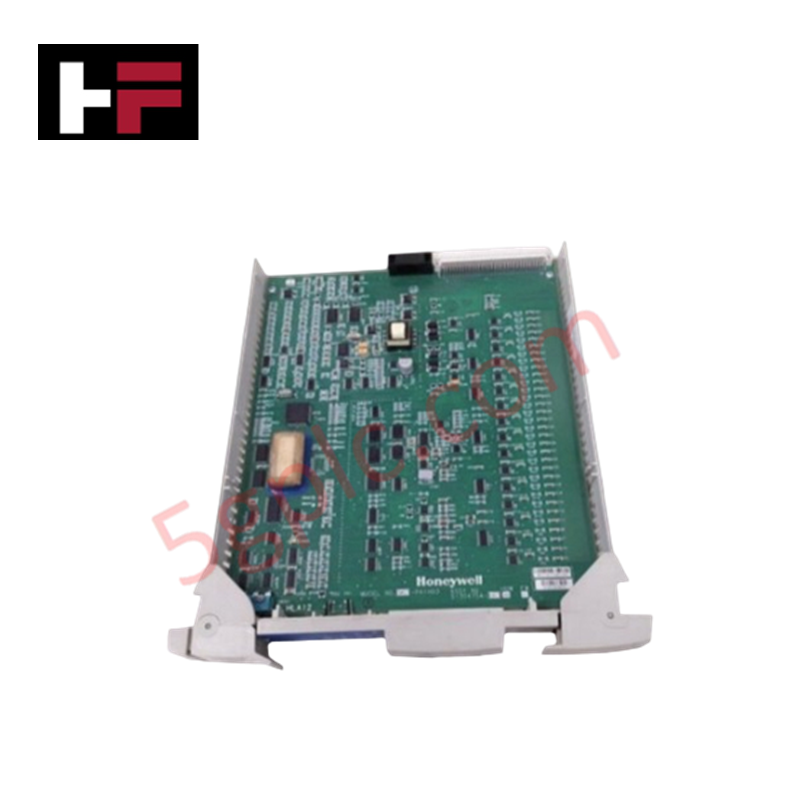
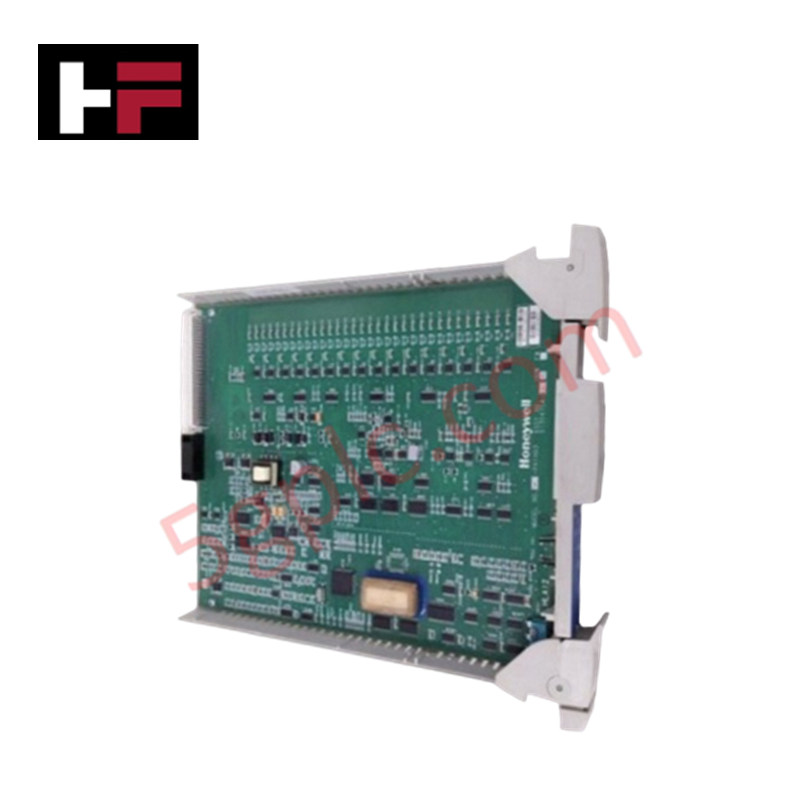
The ABB PM152 3BSE003643R1, also cataloged as the PM152 Analog Output Module, operates as a dedicated hardware component for digital-to-analog signal conversion within AC800F control systems.
Hardware Specifications
| Parameter | Specification |
|---|---|
| Model | PM152 |
| Order Code | 3BSE003643R1 |
| Brand | ABB |
| Origin | Sweden / EU |
| Product Type | Analog Output Modules |
| Operating Voltage | 380 V AC |
| Power Rating | 152 W |
| Frequency Response | 50 Hz |
| Control Interface | RS-485 Modbus |
| Protection Class | IP20 |
| Dimensions | 150 mm x 100 mm x 40 mm |
| Weight | 0.5 kg |
| Operating Temp | 0 to 55 deg C |
| Power Consumption | 152 W |
| Output Channels | 8 or 16 isolated output channels |
Backplane Bus Communication & I/O Density Scaling
The ABB PM152 module converts digital commands from the AC800F backplane logic into proportional analog signals to drive industrial field actuators. Data exchange across the system rack relies on high-velocity backplane communication, maintaining low latencies for multi-channel processing across 8 or 16 isolated output lines. Firmware flash compatibility within the AC800F architecture ensures seamless backplane integration and consistent I/O density scaling across expanded automation racks.
Frequently Asked Questions
Q: How are field actuators isolated from the internal AC800F bus logic?
A: Channel-to-channel isolation on the analog outputs prevents ground loops and suppresses electrical noise between field devices and the backplane logic.
Q: Is hot-swapping supported for the PM152 module during active backplane communication?
A: Module replacement requires switching off power to the subrack or verifying system slot isolation guidelines prior to removal to avoid communication disruptions on the RS-485 bus.
Field Installation Guidelines
- Turn off power to the subrack cabinet before seating or removing the PM152 module from the rack chassis.
- Align the module housing with the card guides and push firmly until the rear connector latches engage with the backplane interface.
- Tighten mounting screws to secure the chassis, ensuring an effective grounding connection to the cabinet panel.
- Route RS-485 control cables and analog output wiring in separate conduits away from three-phase AC power lines.
- Connect field wiring shields to the dedicated single-point earth ground terminal to prevent electromagnetic noise coupling.
Additional Information
- 100% Genuine Parts: All products are original and authentic, ensuring reliable industrial performance.
- 30-Day Refund Guarantee: Return any in-stock item within 30 days in original, unopened packaging for a full refund (excluding shipping and fees).
- 12-Month Warranty: Covers defects in materials or workmanship; excludes misuse, normal wear, or unauthorized modifications.
- Worldwide Shipping: We ship via USPS, UPS, FedEx, and DHL. Delivery times vary by country and may be subject to customs or import fees.
- Support & Contact: Technical and warranty assistance is available anytime. Contact us here: Contact.
- Purchase Guidance: Check product specifications and compatibility carefully before ordering to ensure proper application.


Tech & Buying Guide

PLC and DCS Control System Spares Strategy: Engineering Guidelines
Industrial automation lifecycle management requires robust spare parts planning for Programmable Logic Controller (PLC) and Distributed Control System (DCS) platforms. Plant engineers must correctly categorize spare components during front-end engineering design to maintain high system availability. Miscalculating spare requirements can lead to prolonged unscheduled downtime, project budget overruns, or delayed site commissioning.

Wellhead Control Panel (WHCP) Architecture in Oil and Gas Automation
Upstream oil and gas operations rely on specialized field control platforms to manage wellhead extraction safety and hydraulic actuation. A Wellhead Control Panel (WHCP) serves as a dedicated hydraulic and pneumatic power unit designed to operate critical Christmas Tree isolation valves. By interfacing field safety components directly with Programmable Logic Controller (PLC) architecture, a WHCP protects upstream extraction assets against overpressure, catastrophic leaks, and thermal emergencies.

Understanding Marshalling Cabinets in Industrial Control Systems Architecture
Industrial control system deployments rely on structured signal distribution to bridge field instrumentation with central processing hardware. A marshalling cabinet serves as the vital intermediate connection point between heavy field home-run multi-pair cables and delicate input/output (I/O) modules housed inside Programmable Logic Controller (PLC) or Distributed Control System (DCS) enclosures. By segregating field cable terminations from control hardware, engineers maintain system flexibility, safeguard controller components, and streamline commissioning workflows.