










Product Details
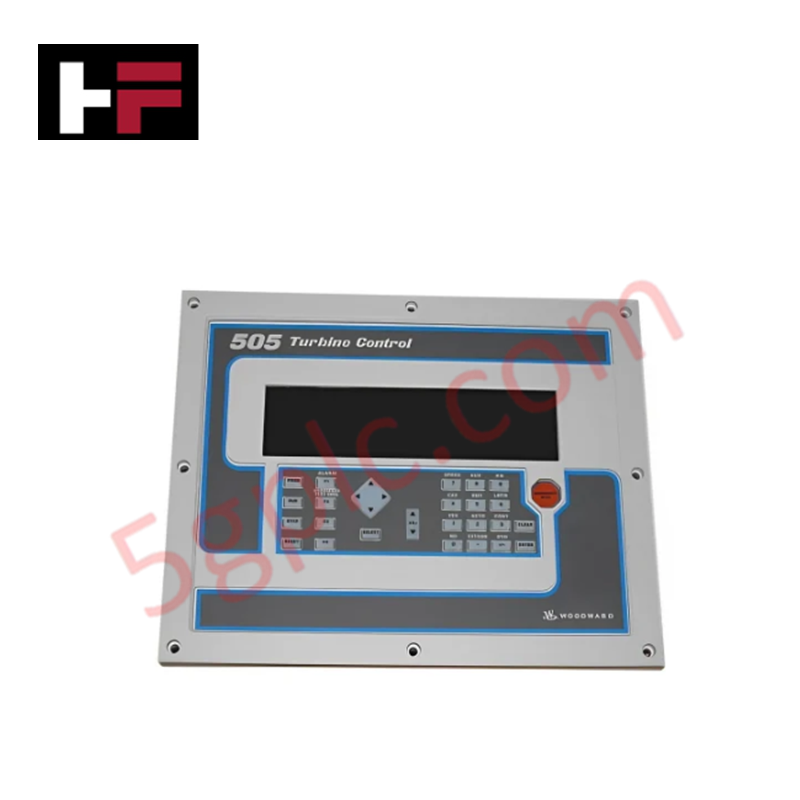
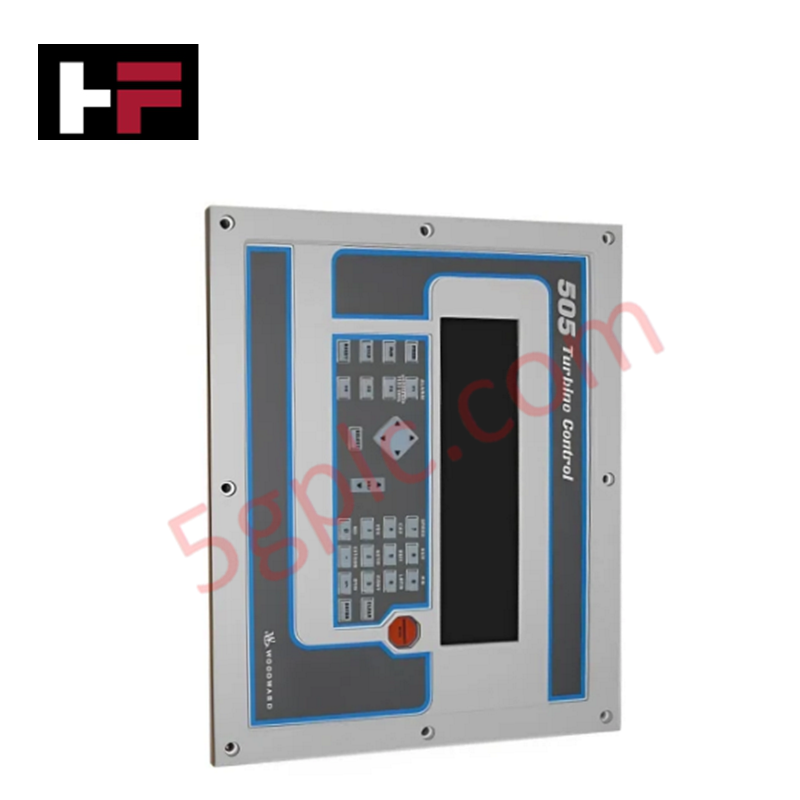
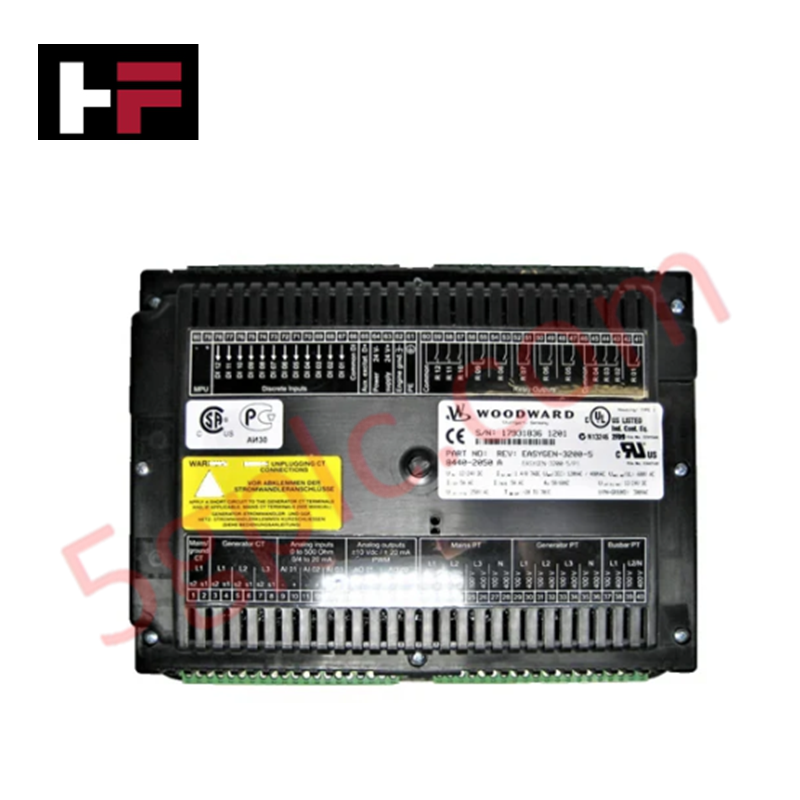
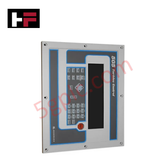
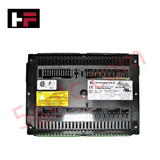
The Woodward 9907-162, also cataloged as the 9907-162 Digital Governor, operates as a dedicated hardware component for steam turbine management within MicroNet and 505 control platforms.
Hardware Specifications
| Parameter | Specification |
|---|---|
| Model | 9907-162 |
| Brand | Woodward |
| Origin | Not specified |
| Weight | 9.11 lbs |
| Dimensions | 11 x 14 x 4 inches |
| Operating Temp | -20 to 60 deg C |
| Power Consumption | +24 VDC at 1 A |
| Enclosure Rating | NEMA 4X / IP 56 |
| Processor Interface | 30-key Multi-function Keypad |
| Communication | RS-232, RS-422, RS-485 |
Actuator Loop Feedback Response
The 9907-162 utilizes a microprocessor-based architecture to process turbine speed and process variables into precise control commands. The unit features 2 dedicated actuator outputs, which are modulated to maintain stable governor performance under varying steam load conditions. To ensure a consistent actuator loop feedback response, the controller supports high-speed data acquisition from speed sensors and process transmitters. Programmable current outputs (6 total) allow for fine-tuned control of auxiliary hydraulic or electric actuators. The system is designed to provide rapid transient response during load rejection or synchronization events, with integrated software support for OpView and 505View applications to monitor loop stability and actuator drive current.
Frequently Asked Questions
Q: Does the unit support multiple serial communication protocols simultaneously?
A: The hardware supports RS-232, RS-422, and RS-485 interfaces. Users should verify the cabling configuration and software port settings match the required protocol for the intended host controller or external HMI connection.
Q: What is the functionality of the integrated Emergency Stop and Overspeed Test buttons?
A: These physical inputs are hardwired into the controller's safety logic to trigger an immediate de-energization of the actuator outputs. The Overspeed Test button allows for functional verification of the speed sensing circuit and overspeed trip logic without requiring actual overspeed conditions on the turbine rotor.
Field Installation Guidelines
- Mounting: Install the unit in an enclosure that meets NEMA 4X or IP 56 ratings to protect the 11 x 14 x 4 inch chassis from moisture and particulate ingress.
- Wiring: Use shielded cabling for all analog inputs and actuator outputs. Terminate shields to the designated ground studs on the unit chassis to maintain signal integrity and satisfy electromagnetic compatibility requirements.
- Power Supply: Connect to a regulated +24 VDC power source capable of delivering at least 1 A. Ensure power cabling is twisted-pair to minimize noise coupling into the sensitive analog signal loops.
- Validation: Upon startup, perform a loop test of the 6 programmable current outputs and 8 relay outputs to confirm correct mapping to field devices. Verify communication handshake over the serial ports before enabling full automatic control mode.
Additional Information
- 100% Genuine Parts: All products are original and authentic, ensuring reliable industrial performance.
- 30-Day Refund Guarantee: Return any in-stock item within 30 days in original, unopened packaging for a full refund (excluding shipping and fees).
- 12-Month Warranty: Covers defects in materials or workmanship; excludes misuse, normal wear, or unauthorized modifications.
- Worldwide Shipping: We ship via USPS, UPS, FedEx, and DHL. Delivery times vary by country and may be subject to customs or import fees.
- Support & Contact: Technical and warranty assistance is available anytime. Contact us here: Contact.
- Purchase Guidance: Check product specifications and compatibility carefully before ordering to ensure proper application.


Tech & Buying Guide

Why 24V DC Power Supplies Standardize Modern Industrial Automation
Industrial control cabinets worldwide rely on 24V DC as the universal power standard for field instrumentation, sensors, and controllers. Walk into any manufacturing plant, and you will find PLCs, human-machine interfaces (HMIs), and smart actuators running on extra-low voltage DC. Standardizing on 24V DC enhances operational safety, lowers cabinet footprint, and maintains steady control performance across factory networks.

Essential Motion Control Commands: A Practical Guide for Engineers
Automation engineers often rely on precise position and speed control to drive modern factory machinery. Modern industrial systems, such as Programmable Logic Controllers (PLCs) and Distributed Control Systems (DCS), depend heavily on standardized motion instructions. Mastering these commands ensures operational safety, protects mechanical components, and optimizes cycle times across production lines.
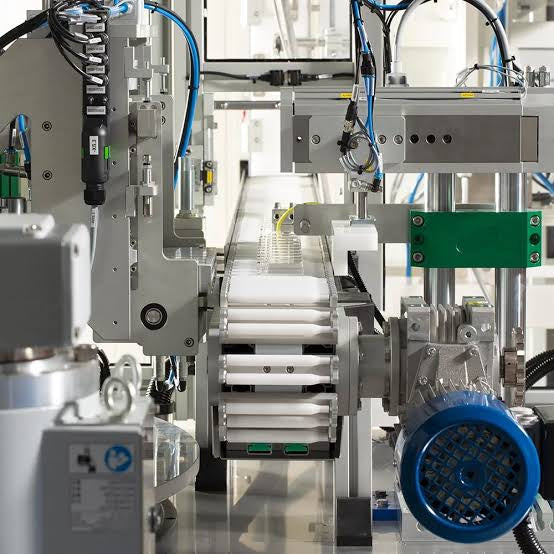
Mastering Modern Industrial Joystick Controls in Heavy Automation
Industrial joysticks play a pivotal role in human-machine interaction across heavy material handling and mobile hydraulics. These tactile controllers translate complex operator movements into precise electrical signals for PLCs, motion controllers, and DCS networks. Consequently, selecting and installing the right joystick architecture ensures operator safety, reduces fatigue, and optimizes equipment performance.