











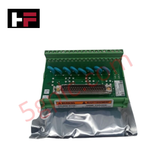
Product Details
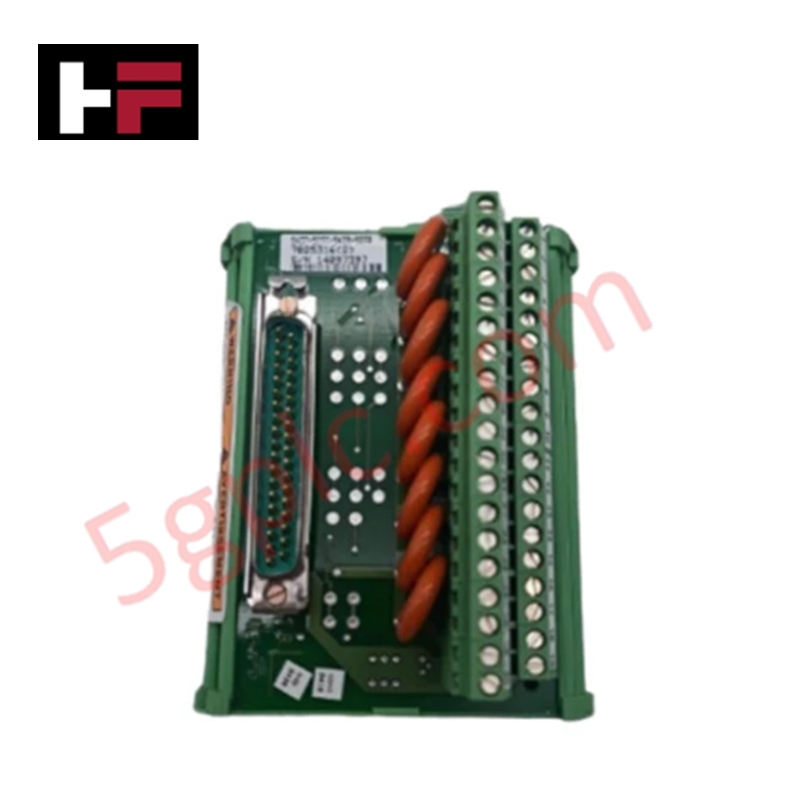
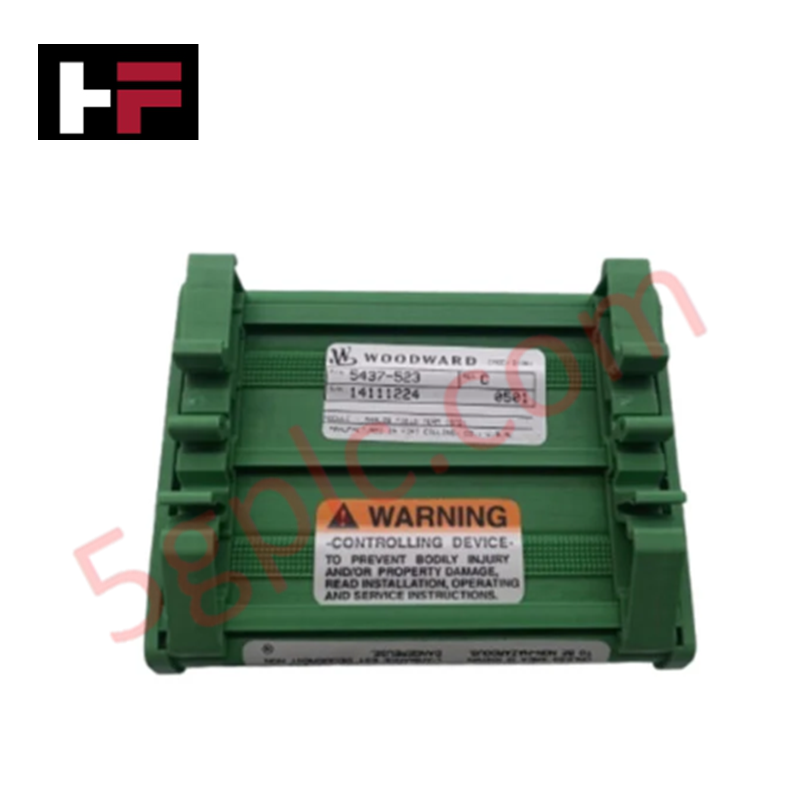
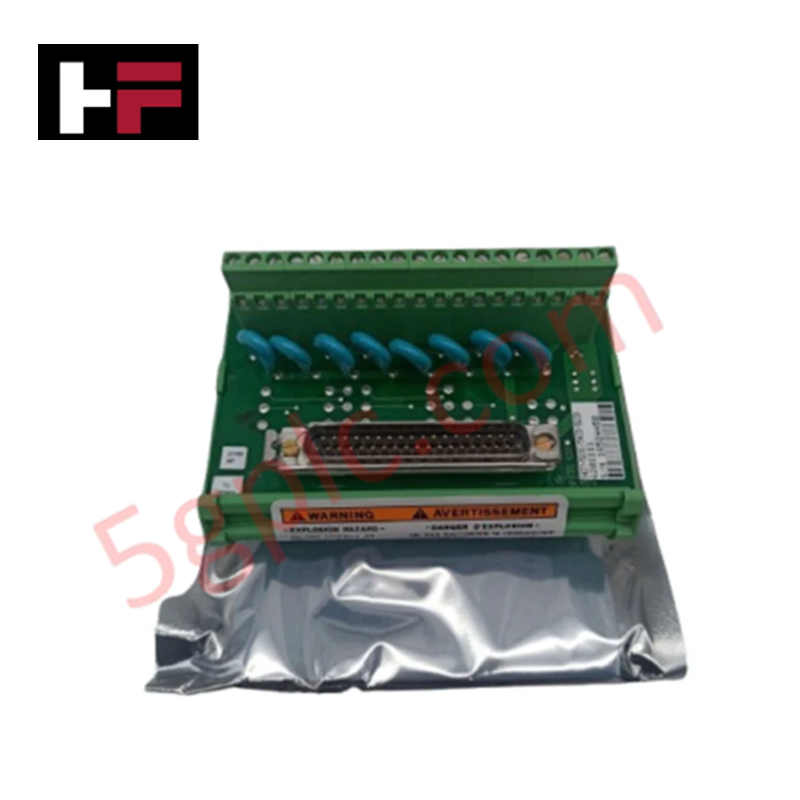
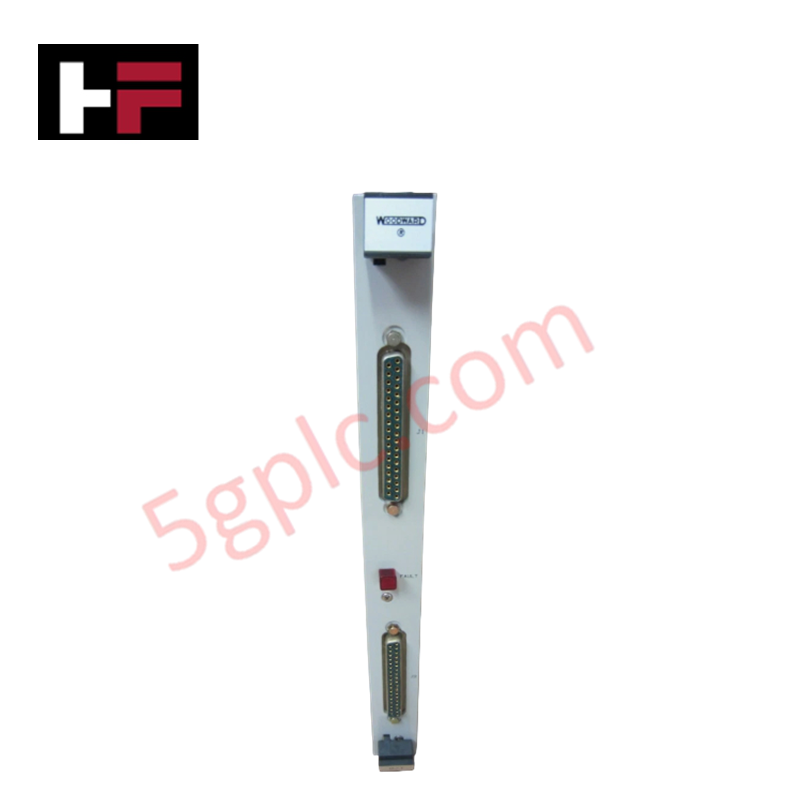
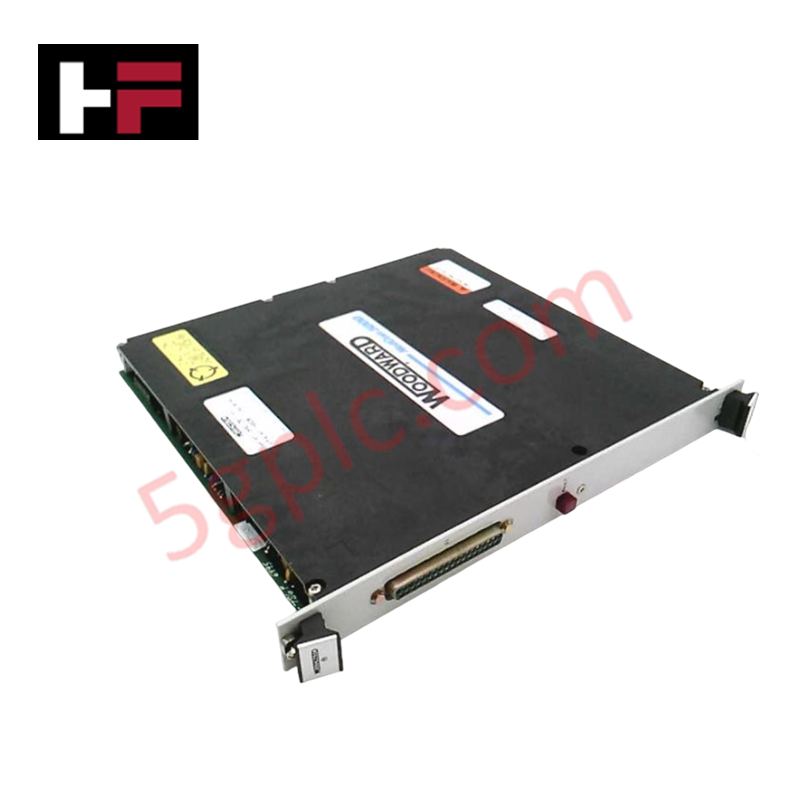
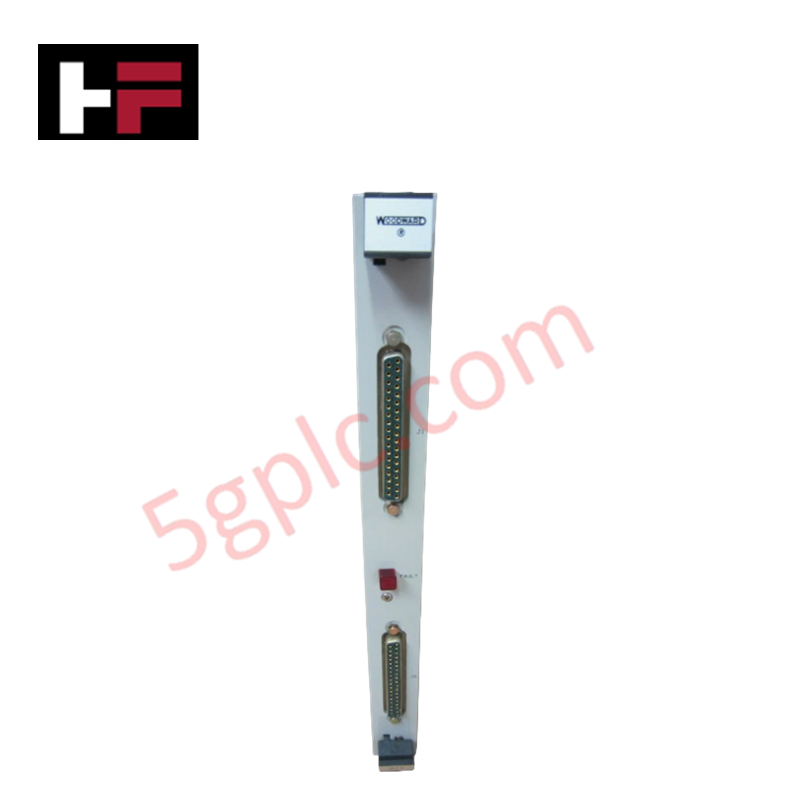
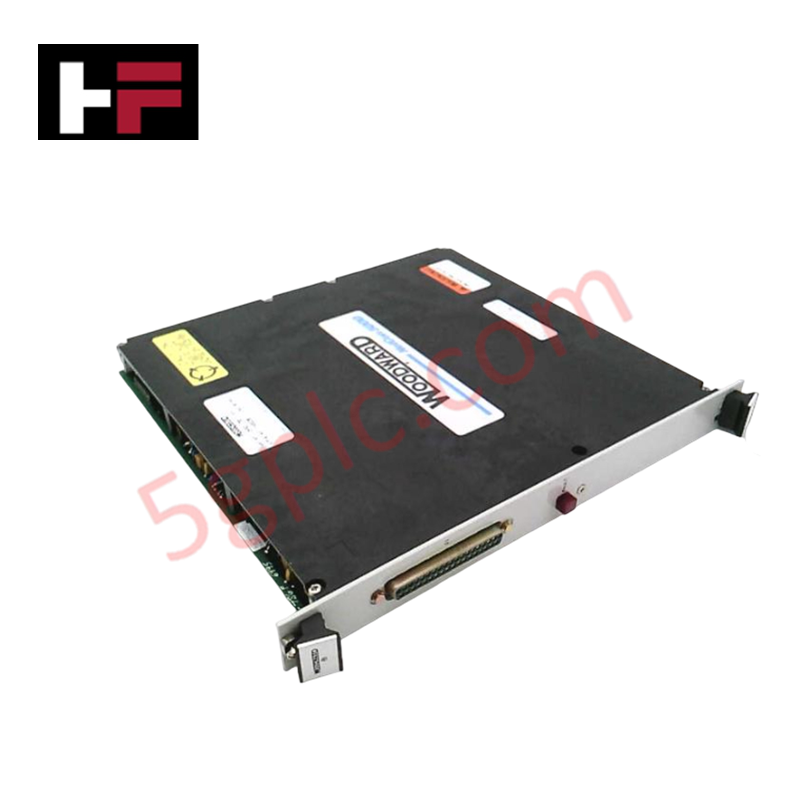
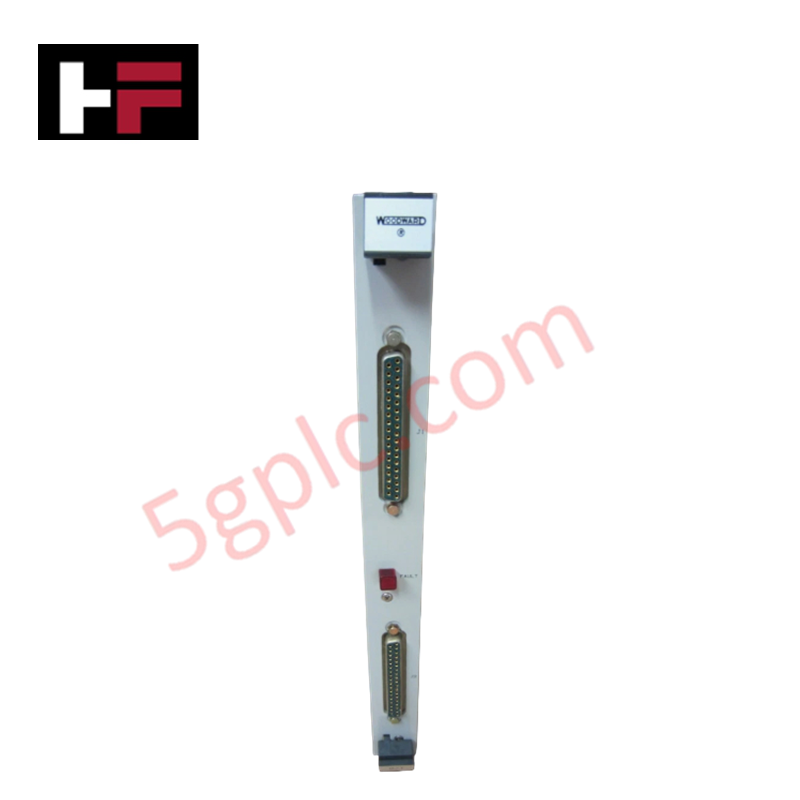
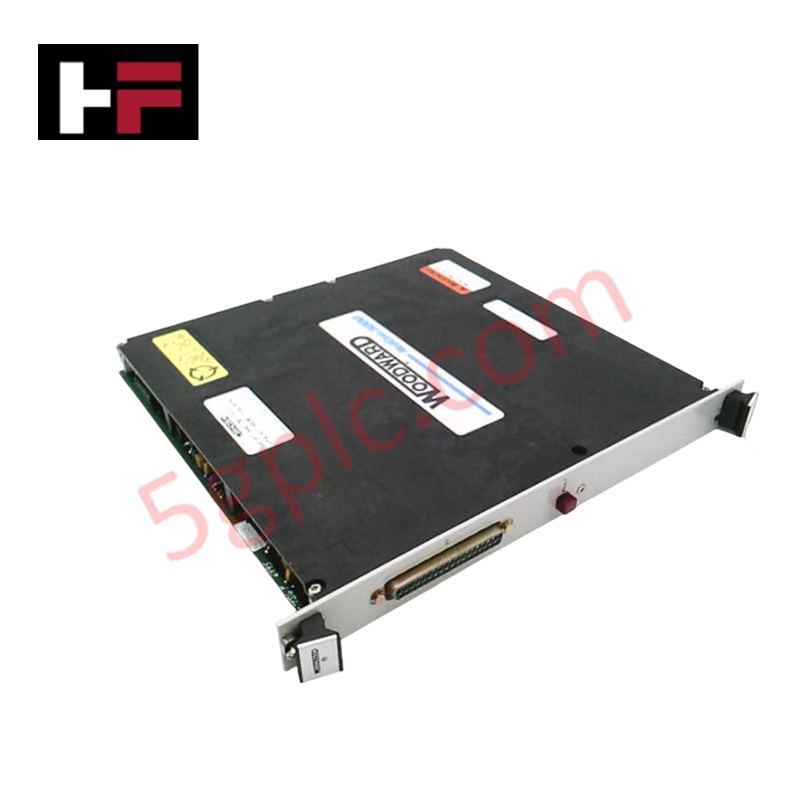
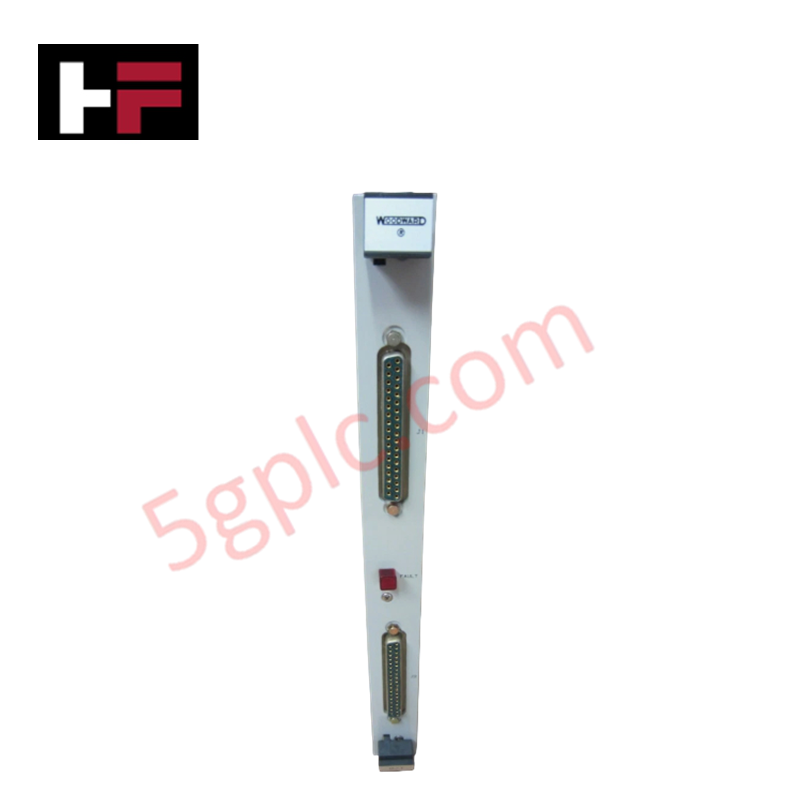
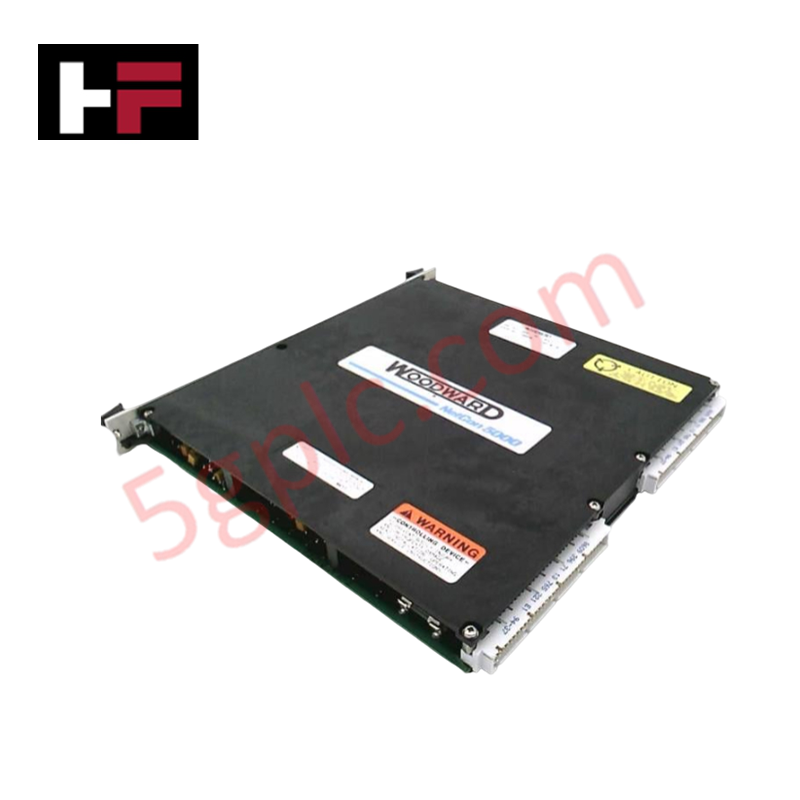
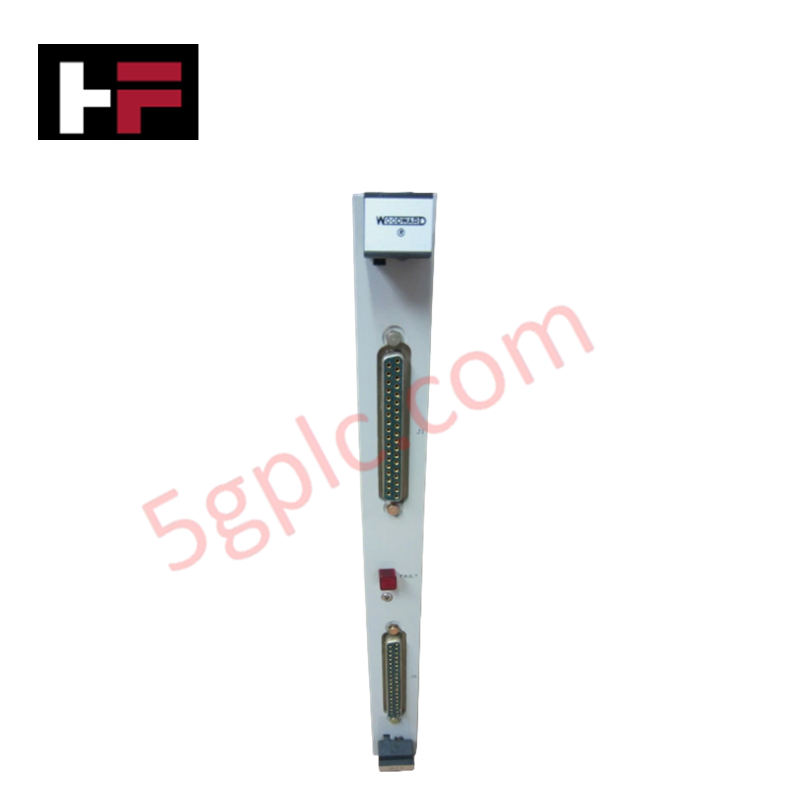
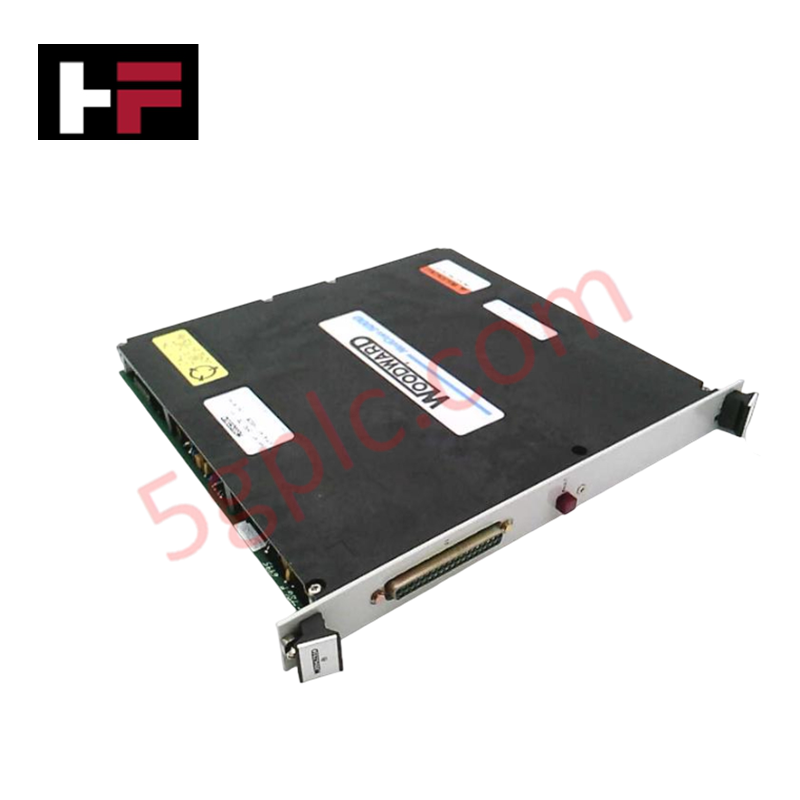
Configured for signal consolidation in TMR control architectures, the Woodward 5437-523 (Analog FTM) provides direct electrical execution of triple modular redundant output signal summation and latent fault detection within MicroNet platforms.
Hardware Specifications
| Parameter | Specification |
|---|---|
| Model | 5437-523 |
| Brand | Woodward |
| Origin | USA |
| Weight | 0.55 lbs |
| Dimensions | 6.25 in x 3.50 in x 2.75 in |
| Excitation | 2 mA |
| Input Impedance | 2.2 Mega ohm |
| Accuracy | 0.5 % |
| Isolation | 1500 VAC continuous |
| CMRR | -90 dB |
| Frequency | 3 kHz |
Actuator Loop Feedback Response and Thermal Heat Sink Dissipation Profiles
The 5437-523 FTM interfaces with MicroNet TMR kernel outputs, summing redundant signals into a single field-facing output at the terminal blocks. To maintain signal integrity and optimize actuator loop feedback response, the module provides a high input impedance of 2.2 Mega ohm and a common-mode rejection ratio (CMRR) of -90 dB. The internal circuitry utilizes field-selectable jumpers to configure latent fault detection logic, ensuring that the control system can adapt to the specific impedance and load characteristics of the interfaced circuitry. Thermal heat sink dissipation profiles for the consolidated output stages must be maintained by ensuring adequate cabinet ventilation; the 1500 VAC continuous isolation rating provides protection against ground potential differences across the signal loop.
Frequently Asked Questions
Q: How are the latent fault detection parameters configured on the 5437-523?
A: Latent fault detection logic is configured via physical jumpers located on the FTM board. Settings must be selected based on the specific load and circuitry requirements of the connected analog device to ensure accurate fault monitoring.
Q: Can this FTM be used with non-TMR MicroNet control platforms?
A: The module is designed primarily for TMR kernels where it functions to consolidate redundant signals. Use in non-TMR applications requires verification of kernel signal compatibility to ensure the summing logic does not impact single-channel signal fidelity.
Field Installation Guidelines
- Mounting: Secure the FTM to a standard DIN-rail or mounting plate within the control cabinet. Ensure sufficient clearance for the 6.25 in x 3.50 in x 2.75 in housing to allow for jumper access and cable termination.
- Jumper Configuration: Before connecting field wiring, set the internal jumpers to match the required latent fault detection logic for the intended output circuit. Consult the site-specific control schematic to determine the correct jumper position.
- Wiring: Connect the three kernel outputs to the designated FTM inputs. Ensure signal cables are shielded, with the shield terminated at the designated chassis ground point to maintain the -90 dB CMRR.
- Isolation: Verify that the 1500 VAC continuous isolation is not compromised by routing field wiring in proximity to high-voltage AC power lines. Maintain strict separation between analog signal loops and power distribution cabling.
Additional Information
- 100% Genuine Parts: All products are original and authentic, ensuring reliable industrial performance.
- 30-Day Refund Guarantee: Return any in-stock item within 30 days in original, unopened packaging for a full refund (excluding shipping and fees).
- 12-Month Warranty: Covers defects in materials or workmanship; excludes misuse, normal wear, or unauthorized modifications.
- Worldwide Shipping: We ship via USPS, UPS, FedEx, and DHL. Delivery times vary by country and may be subject to customs or import fees.
- Support & Contact: Technical and warranty assistance is available anytime. Contact us here: Contact.
- Purchase Guidance: Check product specifications and compatibility carefully before ordering to ensure proper application.


Tech & Buying Guide
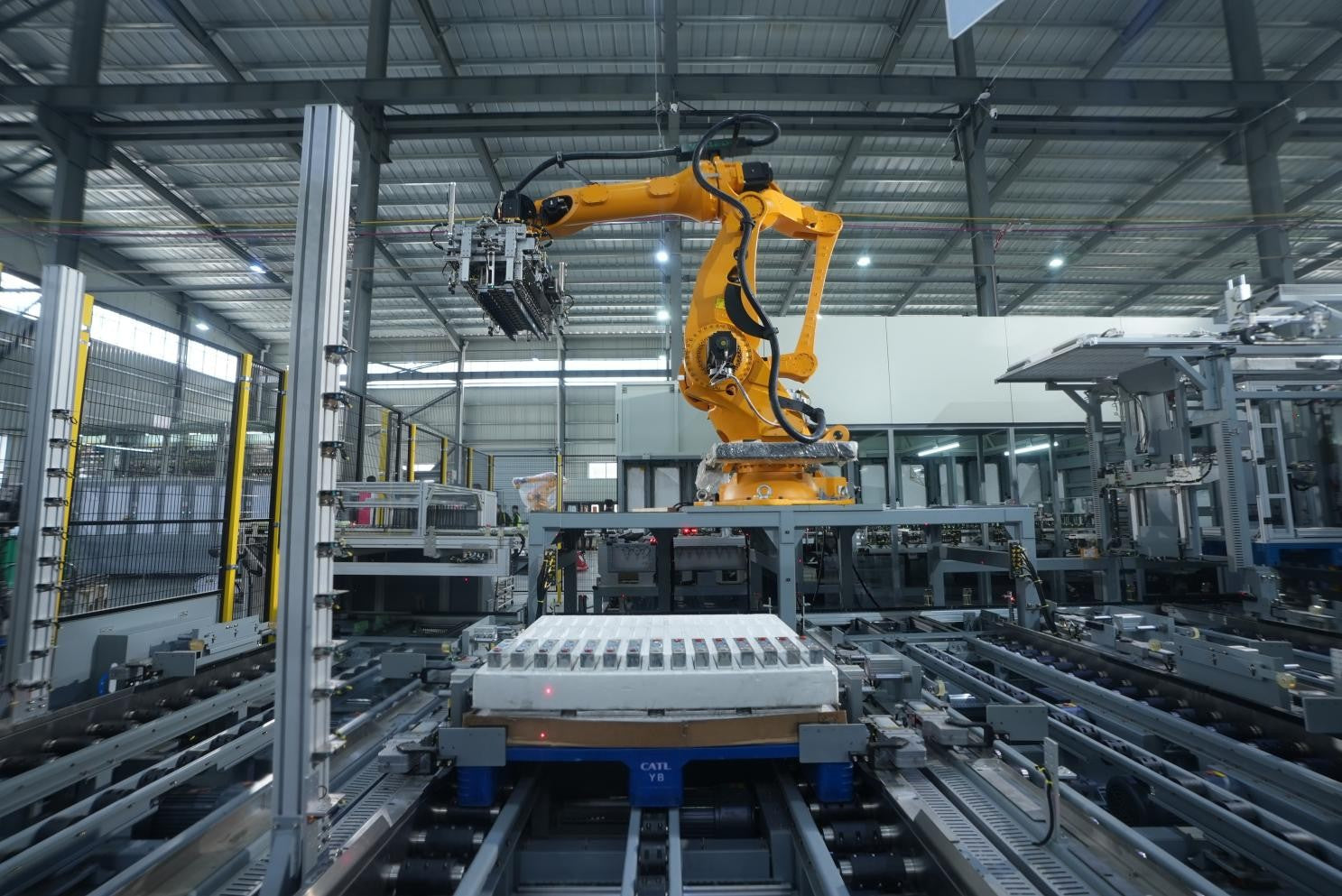
Strategic Selection: Choosing the Right SCADA Software for Your PLC Project
In industrial automation, the SCADA (Supervisory Control and Data Acquisition) system acts as the bridge between raw machine data and actionable human intelligence. Selecting the incorrect software platform can lead to integration bottlenecks, scalability issues, and excessive long-term maintenance costs. As an automation consultant with 15 years of experience, I have guided many projects through the selection process. Below are the essential criteria for choosing a platform that ensures both performance and longevity.

Ensuring Operational Continuity: The Strategic Value of Redundant Automation Systems
In modern industrial landscapes, unplanned downtime is the ultimate adversary. For sectors relying on complex PLC and DCS architectures, a single hardware failure can trigger catastrophic production losses. Therefore, implementing redundant automation systems is no longer a luxury; it is a fundamental requirement for mission-critical operations. In this article, I analyze why redundancy remains the backbone of reliable industrial infrastructure.

Selecting the Right Cables for Industrial Automation: A Comprehensive Guide
Selecting the appropriate cabling infrastructure is critical for the success of any industrial automation project. Improper cable selection often leads to signal degradation, system instability, and costly downtime. As an automation engineer, I frequently see projects compromised by poor cabling choices in harsh industrial environments. This guide simplifies the complex landscape of cabling to help you make informed decisions for your PLC, DCS, and control systems.