










Product Details
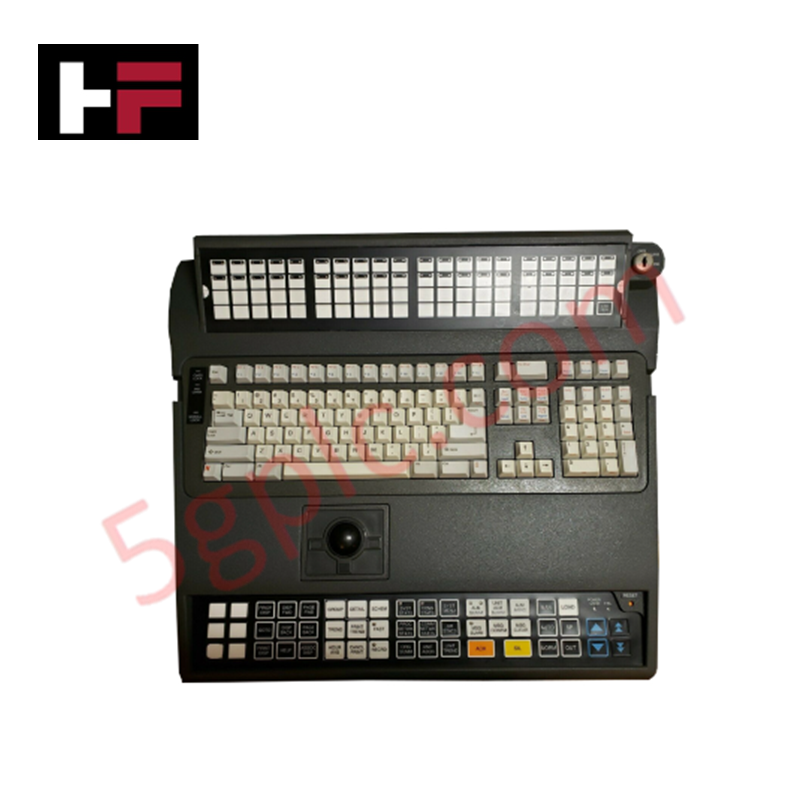
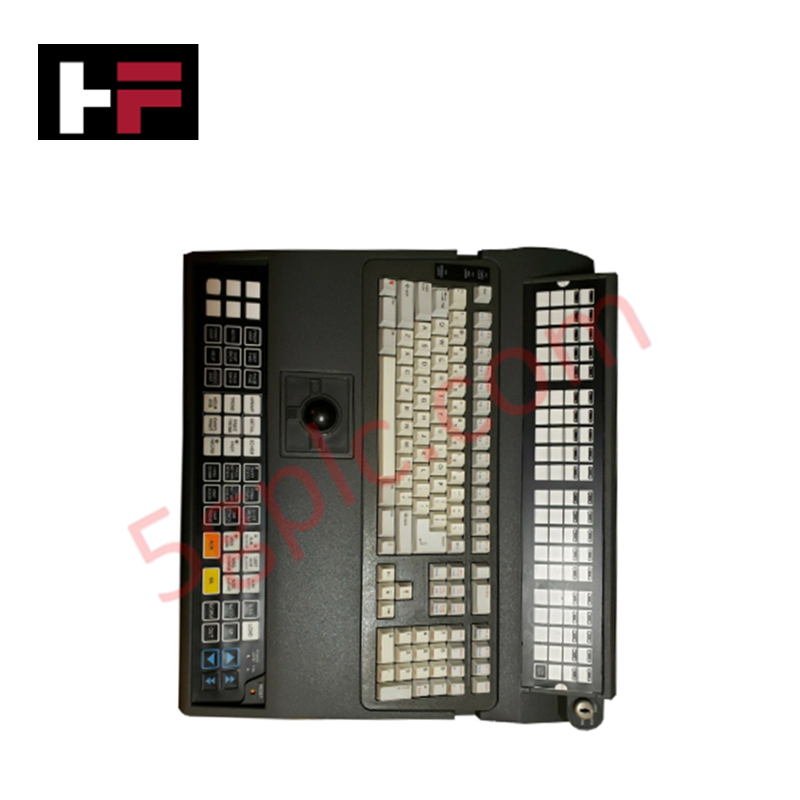
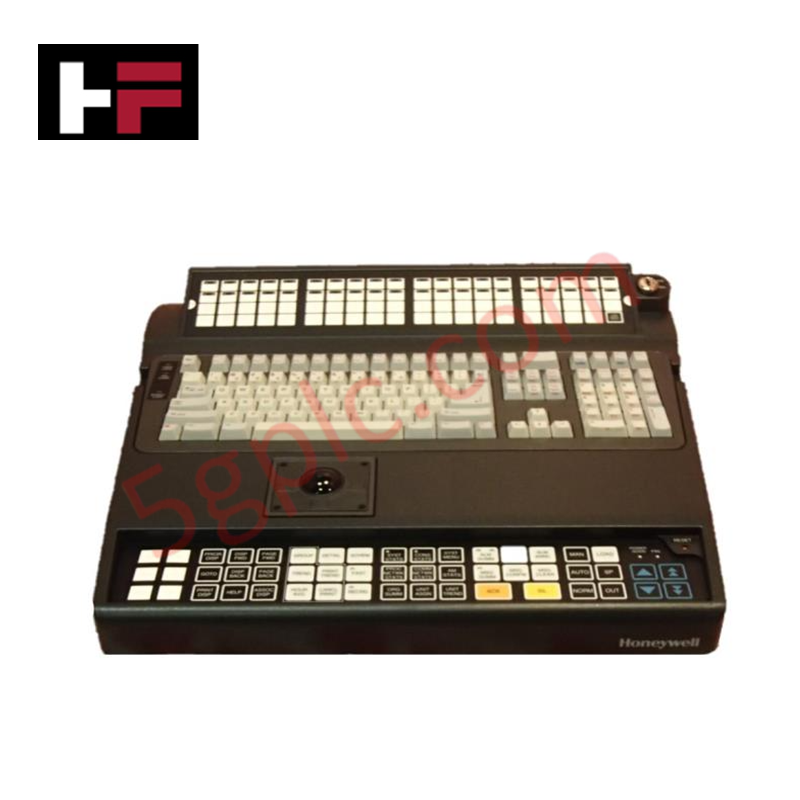
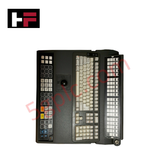
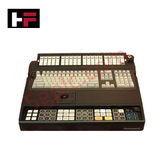
The Honeywell 51196694-250, also cataloged as the 51196694 Integrated Keyboard, operates as a dedicated hardware component for operator command input and cursor tracking within Honeywell Universal Stations and Z-console platforms.
Hardware Specifications
| Parameter | Specification |
|---|---|
| Model | 51196694-250 |
| Brand | Honeywell |
| Origin | USA |
| Weight | 3.50 kg |
| Dimensions | 450 mm x 150 mm x 45 mm |
| Operating Temp | 0 deg C to +50 deg C |
| Power Consumption | < 10 W (5 VDC supply) |
| Module Type | Integrated Keyboard with Trackball |
| Key Layout & Switch | 103 keys, tactile membrane (55 g actuation, 2.5 mm travel) |
| Trackball Specs | 2 in (50.8 mm) hardened polymer, 300 dpi resolution |
| System Compatibility | TDC 3000 / Experion PKS Universal Stations |
Channel-to-Channel Isolation and Console Signal Routing
The 51196694-250 keyboard routing channels employ internal dielectric isolation barriers between key matrix encoding paths and trackball optical quadrature outputs. This channel-to-channel isolation suppresses common-mode noise propagation across console serial interfaces, preventing ground differential shifts from corrupting adjacent 4-20 mA HART loop protocol telemetry lines co-routed within high-density workstation bays.
Frequently Asked Questions
Q: Can the 51196694-250 trackball unit be serviced independently of the membrane key matrix?
A: Yes, the integrated 2 in polymer trackball module connects via a dedicated sub-assembly cable harness, allowing mechanical cleaning or sensor replacement without replacing the entire key matrix.
Q: How is signal integrity protected from electromagnetic interference inside Z-console furniture?
A: The keyboard assembly incorporates heavy internal shielding and grounded cable drain wires to maintain data integrity when operating adjacent to high-voltage console power supplies.
Q: What power rail supplies the 51196694-250 during console operation?
A: The assembly draws direct regulated power from the workstation backplane 5 VDC bus, consuming under 10 W during full operation.
Field Installation Guidelines
- Mount the assembly securely into the Z-console cutout using standard panel brackets prior to terminating interface cables.
- Connect the grounding strap from the metal keyboard frame directly to the main console earth bus bar to prevent static accumulation.
- Ensure interface cables are routed away from AC utility wiring to minimize radiated electromagnetic noise.
- Verify key actuation and trackball X-Y response during station boot diagnostic sequences.
Additional Information
- 100% Genuine Parts: All products are original and authentic, ensuring reliable industrial performance.
- 30-Day Refund Guarantee: Return any in-stock item within 30 days in original, unopened packaging for a full refund (excluding shipping and fees).
- 12-Month Warranty: Covers defects in materials or workmanship; excludes misuse, normal wear, or unauthorized modifications.
- Worldwide Shipping: We ship via USPS, UPS, FedEx, and DHL. Delivery times vary by country and may be subject to customs or import fees.
- Support & Contact: Technical and warranty assistance is available anytime. Contact us here: Contact.
- Purchase Guidance: Check product specifications and compatibility carefully before ordering to ensure proper application.
Tech & Buying Guide
Understanding OPC Servers in Modern Industrial Automation: Principles, Architecture, and Applications
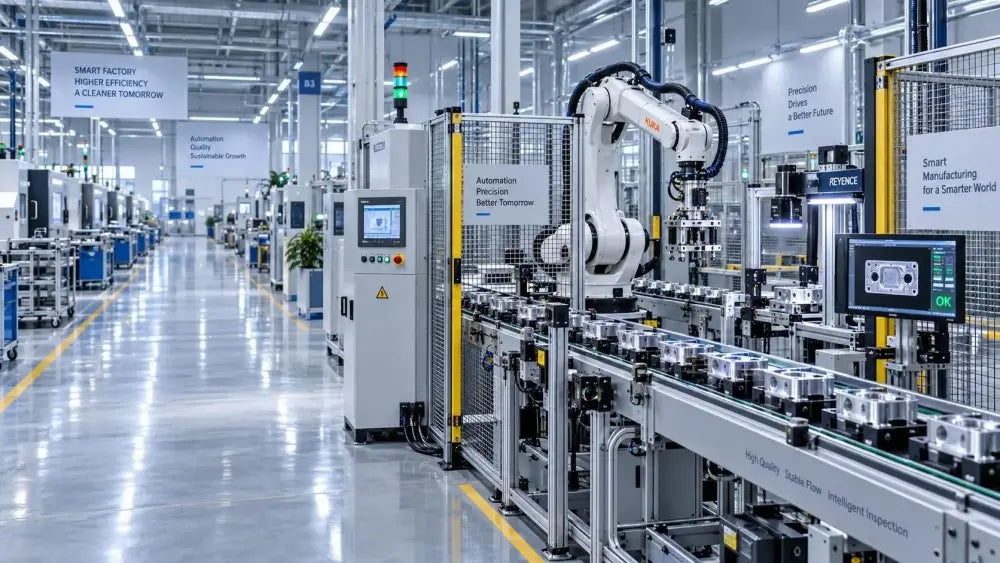
In industrial automation, connecting physical hardware with high-level software remains a primary operational challenge. Factories utilize programmable logic controllers (PLCs), distributed control systems (DCS), human-machine interfaces (HMIs), and smart sensors from diverse vendors. These devices often speak different proprietary protocols. Open Platform Communications (OPC) servers solve this interoperability challenge by standardizing how data flows across factory networks.

Industrial Fiber Optic Cables: Principles, Connectors, and Fusion Splicing Techniques
Modern factory automation relies heavily on fiber optic cables for high-speed industrial data transmission. Fiber optic cables transmit light pulses instead of electrical signals, eliminating electromagnetic interference (EMI) risks completely. Each optical strand consists of a high-purity glass core surrounded by a protective cladding layer. The difference in refractive index between core and cladding enables total internal reflection. Protective resin buffers, Kevlar strength members, and rugged outer jackets safeguard delicate glass cores in harsh environments. Consequently, automation engineers prefer fiber backbones for reliable noise-free communication in industrial control systems.

Comprehensive Guide to Instrumentation and Control (I&C) Design Basis
Instrumentation and Control (I&C) Design Basis serves as the foundational technical document for modern plant engineering. Project teams rely on this master specification to govern engineering deliverables across front-end engineering design (FEED) and detailed execution phases. A well-constructed I&C design basis ensures seamless integration among field instrumentation, safety systems, and main control systems. Furthermore, establishing clear technical standards early mitigates execution risks and prevents costly re-engineering during plant commissioning.