










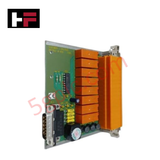
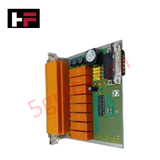
Product Details
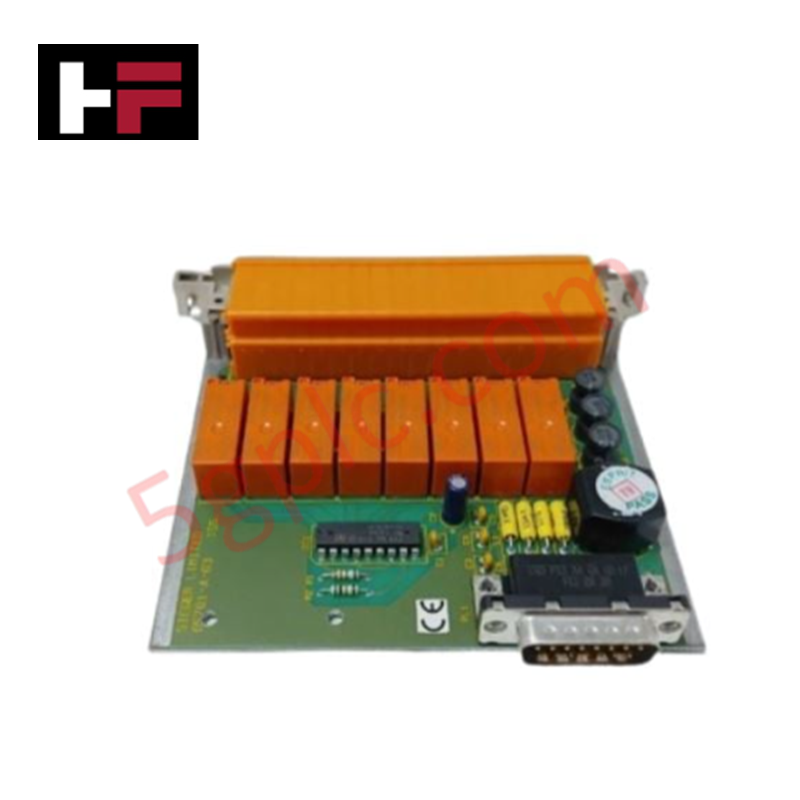
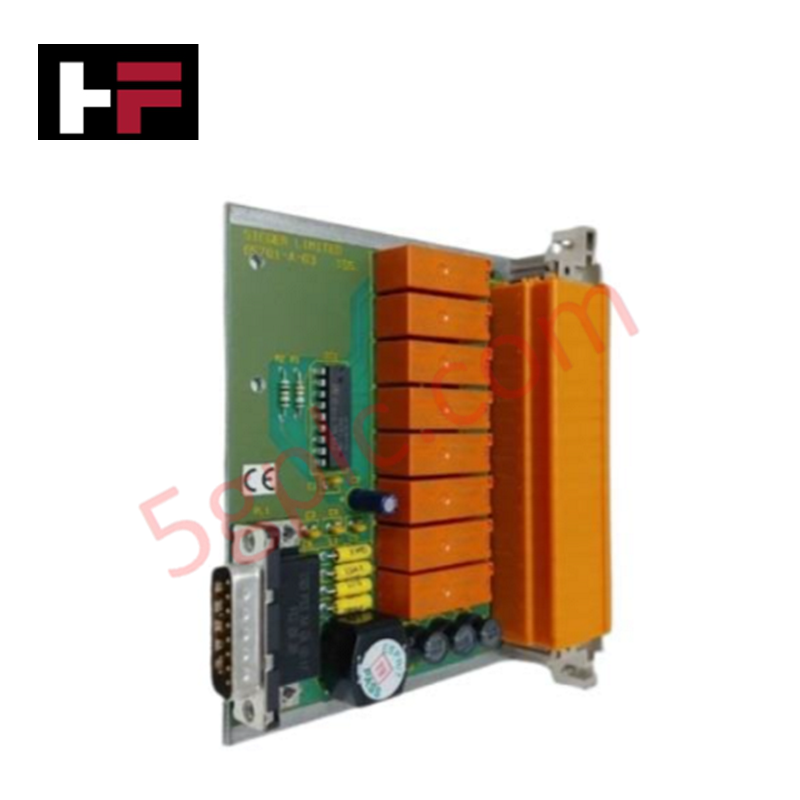
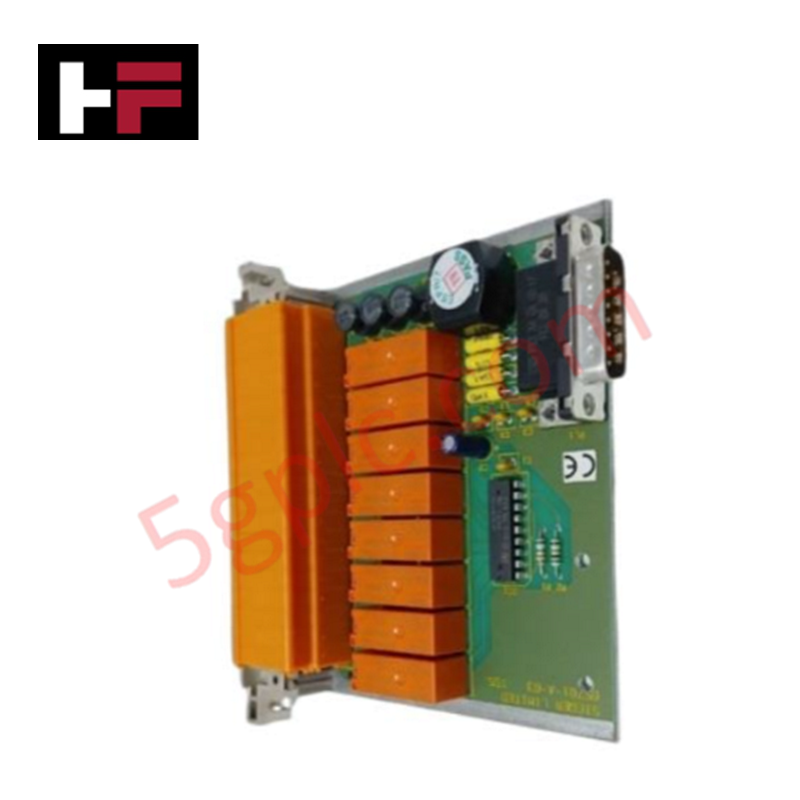
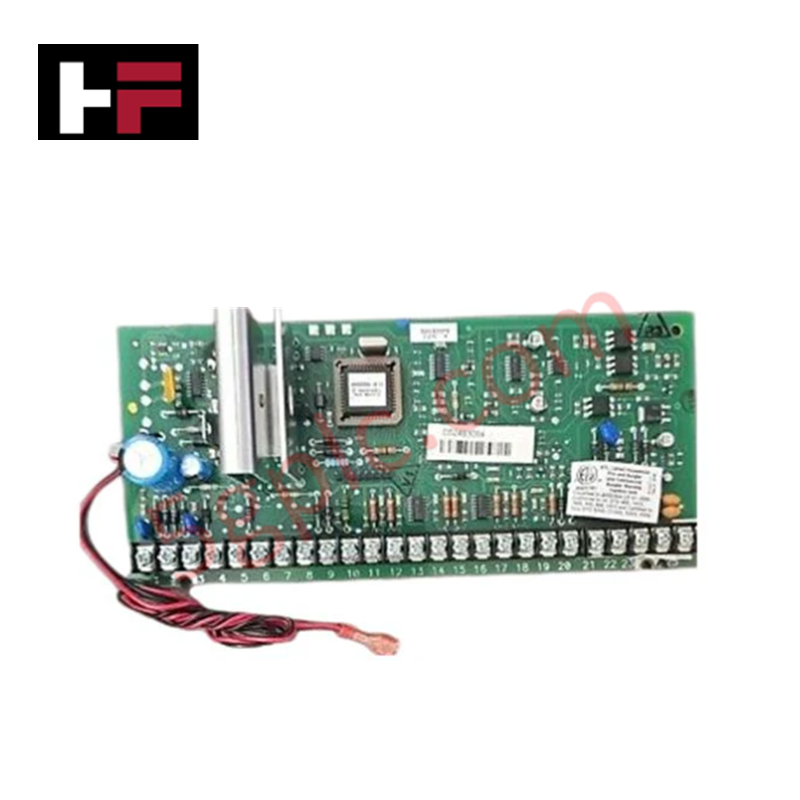
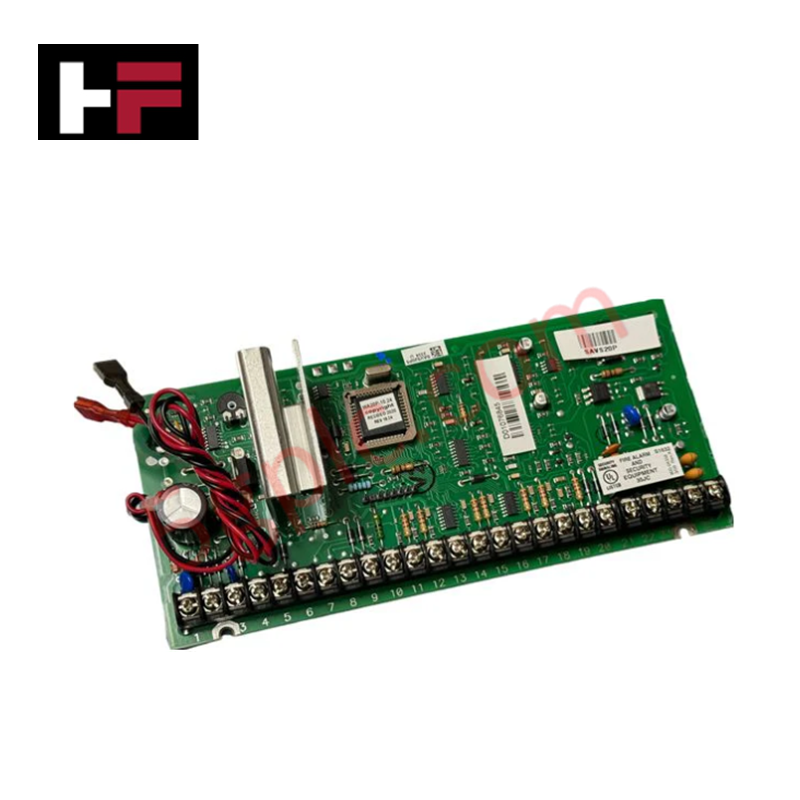
Configured for gas detection interface management in System 57 platforms, the Honeywell 05701-A-0329 (05701-A-0329 Relay Card) provides direct physical signal switching via 8 changeover relays. The module operates as a triple DPCO (Double Pole Change Over) interface card, utilizing a 24 V DC supply to execute discrete logic-driven contact outputs within gas monitoring architectures.
Hardware Specifications
| Parameter | Specification |
|---|---|
| Model | 05701-A-0329 |
| Brand | Honeywell |
| Origin | USA |
| Weight | Not specified |
| Dimensions | Standard System 57 card format |
| Operating Temp | Consult System 57 technical manual |
| Power Consumption | 24 V DC |
| Relay Configuration | 8 Changeover Relays |
| Interface Type | Triple DPCO |
Channel-to-Channel Isolation
The 05701-A-0329 relay card incorporates galvanic isolation to maintain electrical separation between individual relay channels and the control backplane. This design prevents common-mode noise propagation and ensures that fault conditions on external field devices do not impact the integrity of the System 57 processing unit. Maintaining these isolation barriers is required to preserve the reliability of the gas detection trip logic and to protect the card circuitry from transient voltage spikes originating from inductive relay loads.
Frequently Asked Questions
Q: Does this relay card support hot-swapping during normal system operation?
A: No. The card must be removed or inserted only when the System 57 rack is de-energized to prevent arcing and potential damage to the backplane communication pins.
Q: How should inductive loads be handled when connected to these relay outputs?
A: Inductive loads must be equipped with external suppression diodes or RC snubbers to prevent back-EMF from damaging the relay contacts and compromising the galvanic isolation barrier.
Field Installation Guidelines
- Physical Insertion: Slide the card into the designated System 57 rack slot. Ensure that the card is fully seated against the backplane connector to avoid intermittent contact or logic errors.
- Wiring Requirements: Utilize shielded cable for all field connections to relay outputs. Ensure the cable shield is terminated at the designated rack ground point to minimize interference.
- Contact Protection: Observe the maximum contact voltage and current ratings specified in the system documentation. Do not exceed these limits, as relay contact welding may occur.
- Cable Routing: Route relay output wiring through separate conduit runs from sensitive low-voltage sensor cables to prevent crosstalk and signal contamination.
Additional Information
- 100% Genuine Parts: All products are original and authentic, ensuring reliable industrial performance.
- 30-Day Refund Guarantee: Return any in-stock item within 30 days in original, unopened packaging for a full refund (excluding shipping and fees).
- 12-Month Warranty: Covers defects in materials or workmanship; excludes misuse, normal wear, or unauthorized modifications.
- Worldwide Shipping: We ship via USPS, UPS, FedEx, and DHL. Delivery times vary by country and may be subject to customs or import fees.
- Support & Contact: Technical and warranty assistance is available anytime. Contact us here: Contact.
- Purchase Guidance: Check product specifications and compatibility carefully before ordering to ensure proper application.

Tech & Buying Guide

Transforming Shop Floor Data into Actionable Insights: A Deep Dive into MES
Manufacturing Execution Systems serve as the digital backbone of modern factory floors. Positioned at Level 3 of the ISA-95 automation pyramid, MES links enterprise resource planning with real-time shop floor control systems. Today, industrial operators rely on MES software to bridge operational strategy with physical production execution.

Managed Switch vs. Unmanaged Switch: Industrial Ethernet Architecture

Hot Standby vs. Cold Standby Redundancy in Industrial Automation
System availability determines process safety and productivity in industrial automation. Control engineers deploy redundancy to eliminate single points of failure. This technical guide evaluates Hot Standby vs. Cold Standby architectures, comparing failover speeds, memory sync, cost trade-offs, and field selection criteria.