













Product Details
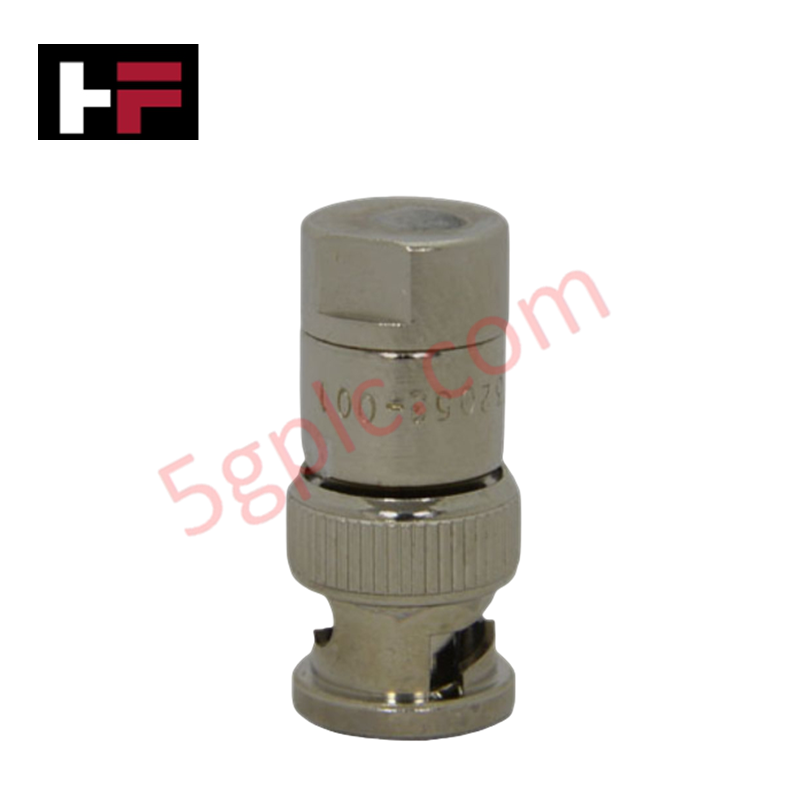
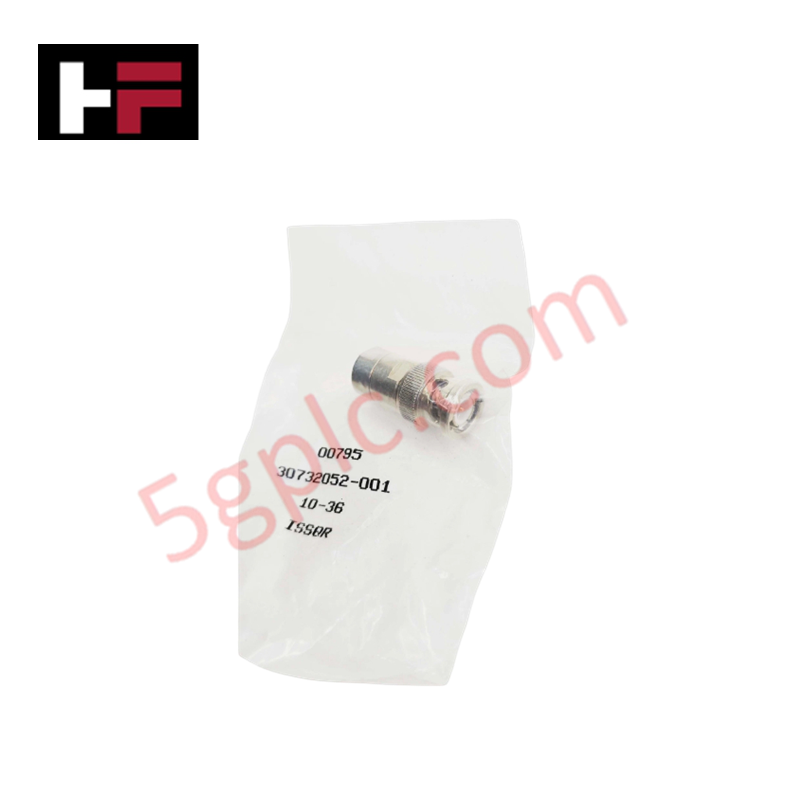
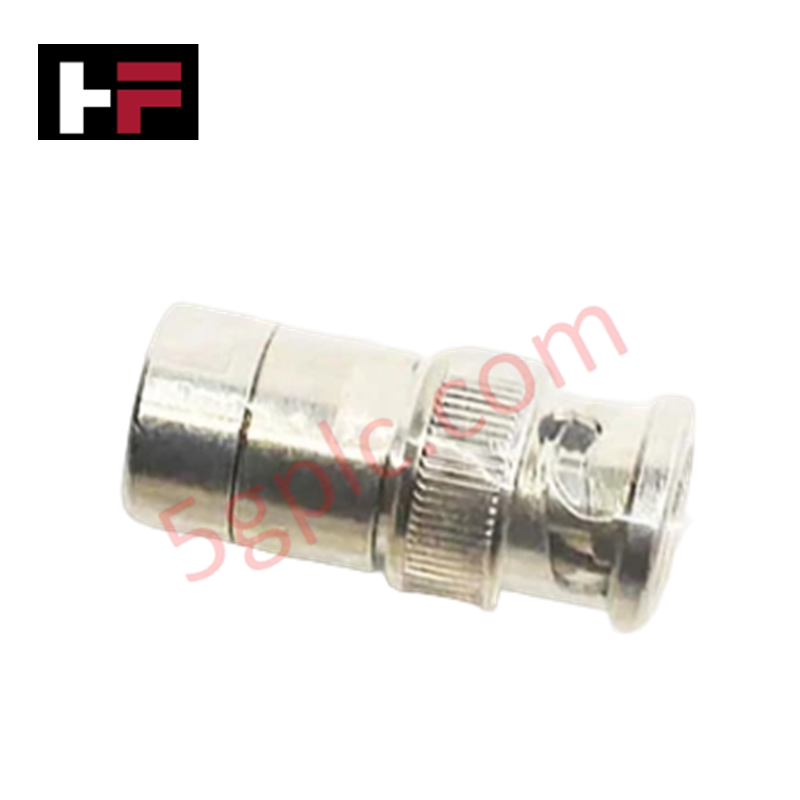
The Honeywell 30732052-001, also cataloged as the 30732052-001 Plug Terminator, operates as a dedicated hardware component for impedance matching and signal reflection mitigation within BNC-based control system communication networks.
Hardware Specifications
| Parameter | Specification |
|---|---|
| Model | 30732052-001 |
| Brand | Honeywell |
| Origin | USA |
| Weight | 0.35 kg |
| Dimensions | 3.2 x 1.2 x 1.2 cm |
| Operating Temp | Not Specified |
| Power Consumption | Not Applicable |
| Connector Type | BNC Male |
| Impedance | 75 Ohms |
DCS Signal Integrity and Impedance Matching
The 30732052-001 is utilized to provide a 75 Ohm termination load at the end of coaxial signal runs. In distributed control system (DCS) architectures, proper termination is necessary to prevent signal reflections that can induce data corruption or communication timeouts on high-frequency fieldbus or monitoring loops. By matching the characteristic impedance of the transmission line, this terminator ensures that analog or digital waveforms maintain signal integrity across the network span. Channel-to-channel isolation is inherent in the design, as the device acts as a passive termination point for isolated signal paths.
Frequently Asked Questions
Q: Is this terminator compatible with 50 Ohm BNC communication systems?
A: No. The 30732052-001 is rated for 75 Ohms. Utilizing this device in a 50 Ohm system will result in an impedance mismatch, leading to signal reflection and potential communication failure.
Q: Does the orientation of the BNC connection affect the performance of the terminator?
A: The BNC male connector is designed for a secure, twist-lock connection. Ensure the connector is fully seated and locked to maintain a consistent 75 Ohm contact, preventing intermittent resistance that could trigger diagnostic faults in the controller.
Field Installation Guidelines
- Ensure the BNC port on the control module or distribution panel is clean and free of oxidation.
- Align the BNC male connector pins with the corresponding female receptacle on the system hardware.
- Apply a firm push and rotate the outer shell clockwise until it clicks into the locked position.
- Verify that the termination does not create excessive mechanical strain on the port, which could lead to physical damage of the internal PCB connection.
- In redundant communication configurations, verify termination requirements for both primary and secondary paths to maintain overall network impedance.
Additional Information
- 100% Genuine Parts: All products are original and authentic, ensuring reliable industrial performance.
- 30-Day Refund Guarantee: Return any in-stock item within 30 days in original, unopened packaging for a full refund (excluding shipping and fees).
- 12-Month Warranty: Covers defects in materials or workmanship; excludes misuse, normal wear, or unauthorized modifications.
- Worldwide Shipping: We ship via USPS, UPS, FedEx, and DHL. Delivery times vary by country and may be subject to customs or import fees.
- Support & Contact: Technical and warranty assistance is available anytime. Contact us here: Contact.
- Purchase Guidance: Check product specifications and compatibility carefully before ordering to ensure proper application.

Tech & Buying Guide

Transforming Shop Floor Data into Actionable Insights: A Deep Dive into MES
Manufacturing Execution Systems serve as the digital backbone of modern factory floors. Positioned at Level 3 of the ISA-95 automation pyramid, MES links enterprise resource planning with real-time shop floor control systems. Today, industrial operators rely on MES software to bridge operational strategy with physical production execution.

Managed Switch vs. Unmanaged Switch: Industrial Ethernet Architecture

Hot Standby vs. Cold Standby Redundancy in Industrial Automation
System availability determines process safety and productivity in industrial automation. Control engineers deploy redundancy to eliminate single points of failure. This technical guide evaluates Hot Standby vs. Cold Standby architectures, comparing failover speeds, memory sync, cost trade-offs, and field selection criteria.