










Product Details
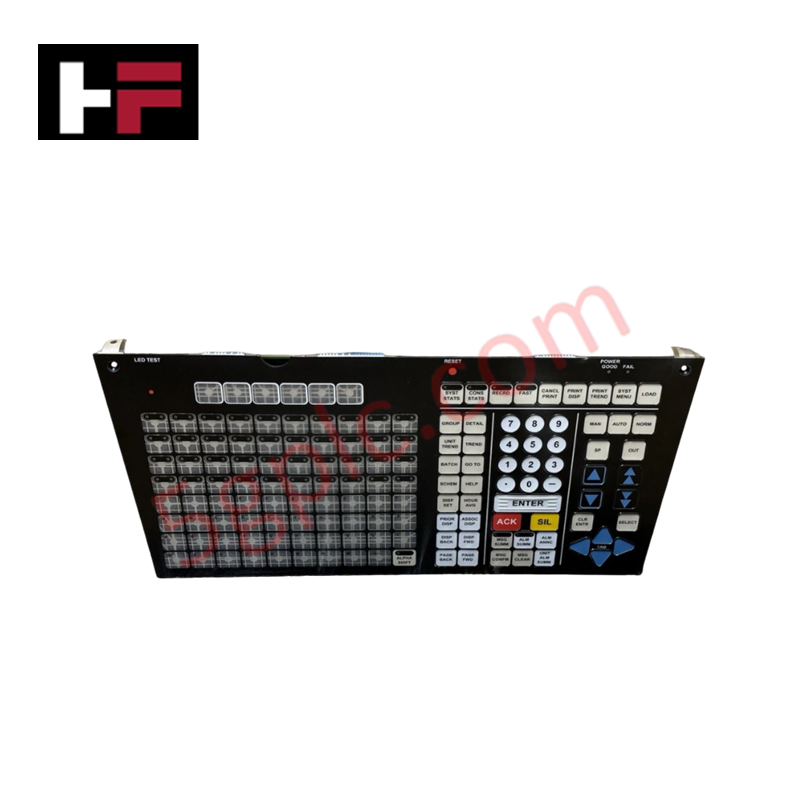
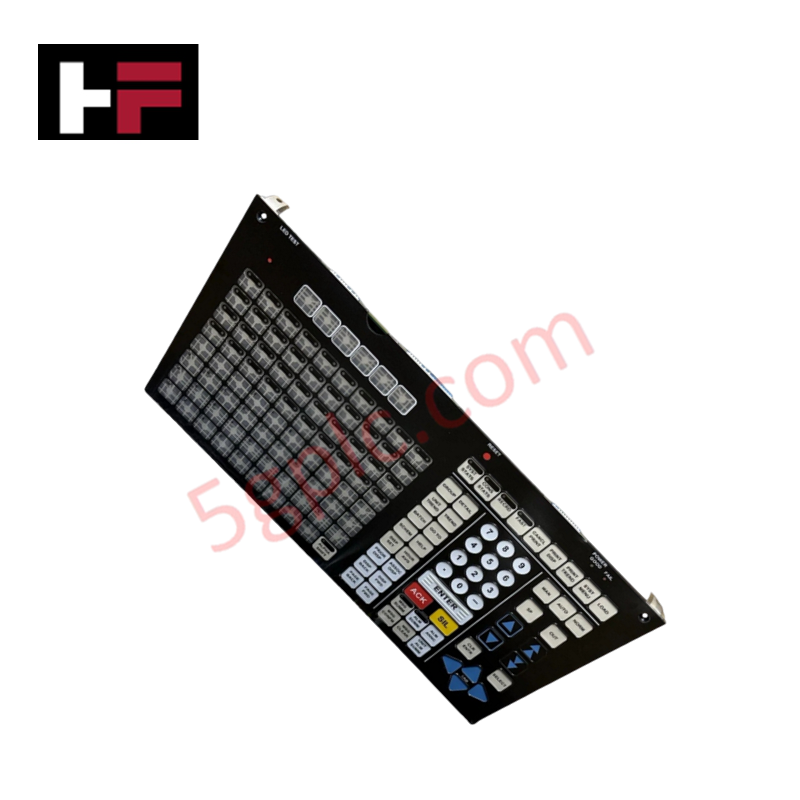
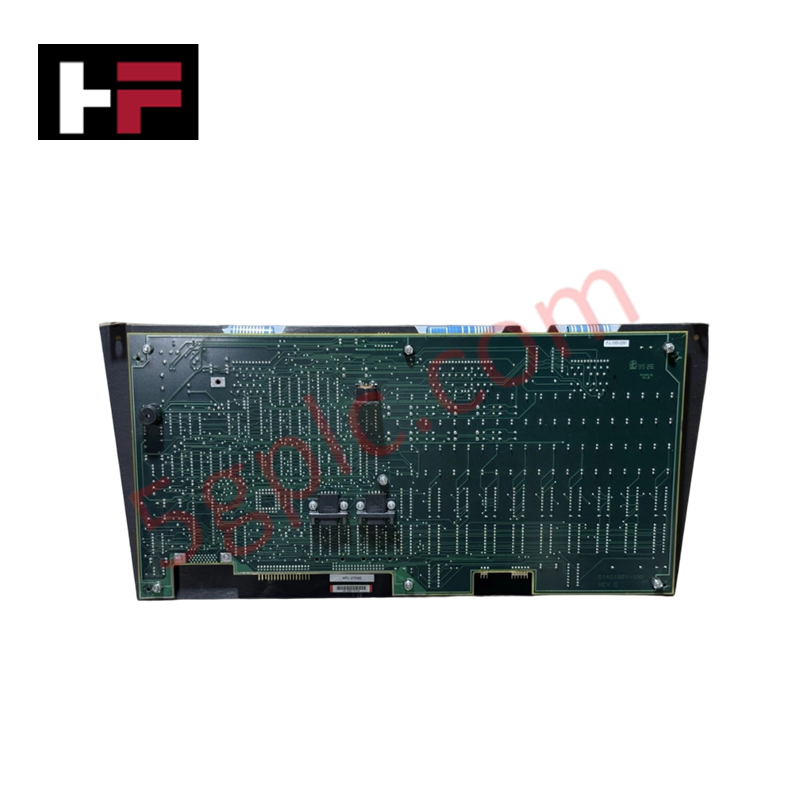
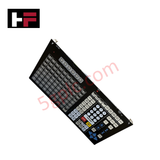
The Honeywell 51401577-500, also cataloged as the 51401577-500 Industrial Operator Keyboard, operates as a dedicated hardware component for human-machine tactile input and operator station command entry within Honeywell Industrial Automation platforms.
Hardware Specifications
| Parameter | Specification |
|---|---|
| Model | 51401577-500 |
| Brand | Honeywell |
| Origin | USA / Global Manufacturing |
| Weight | 0.5 kg (1.10 lbs) |
| Dimensions | 150 mm x 100 mm x 20 mm |
| Operating Temp | 0 to +60 deg C |
| Power Consumption | Powered via USB Bus (5 VDC) |
| Host Interface | USB |
| Cable Length | 6 feet (1.83 m) |
| Key Lifespan | 10 million keystrokes |
| OS Compatibility | Windows and Linux Operating Systems |
Channel Isolation and Industrial Communication Interfaces
The 51401577-500 industrial operator keyboard provides high-durability key switches rated for 10 million actuations, delivering reliable command entry at operator station terminals. Communicating over a standard USB bus interface via a 6-foot shielded cable, the module interfaces with both Windows and Linux industrial control operating systems.
When integrated into control room consoles alongside field instrumentation networks, such as those utilizing 4-20 mA HART loop protocol architectures or distributed I/O racks, the keyboard housing isolates internal logic components from electrostatic discharge (ESD). Physical isolation between the peripheral interface and field process loops prevents transient noise from affecting operator console execution.
Frequently Asked Questions
Q: How is the 51401577-500 keyboard powered within an operator console enclosure?
A: The keyboard draws operating power directly from the host computer system via its standard standard USB bus interface (5 VDC nominal).
Q: Which operating system drivers are required for hardware installation?
A: The device operates using standard HID drivers native to both Windows and Linux operating systems without requiring custom third-party software.
Q: What are the physical dimensions and cable length specifications for panel integration?
A: The unit measures 150 mm x 100 mm x 20 mm and features an integrated 6-foot connection cable.
Field Installation Guidelines
- Ensure host USB ports are accessible and free from mechanical strain before routing the 6-foot cable.
- Connect the USB cable shielding directly to the console workstation ground point to mitigate industrial RF interference.
- Mount the keyboard on a level, vibration-damped surface inside the operator station cutout or tray assembly.
- Avoid exposing USB connector pins to corrosive airborne contaminants or condensation during installation.
Additional Information
- 100% Genuine Parts: All products are original and authentic, ensuring reliable industrial performance.
- 30-Day Refund Guarantee: Return any in-stock item within 30 days in original, unopened packaging for a full refund (excluding shipping and fees).
- 12-Month Warranty: Covers defects in materials or workmanship; excludes misuse, normal wear, or unauthorized modifications.
- Worldwide Shipping: We ship via USPS, UPS, FedEx, and DHL. Delivery times vary by country and may be subject to customs or import fees.
- Support & Contact: Technical and warranty assistance is available anytime. Contact us here: Contact.
- Purchase Guidance: Check product specifications and compatibility carefully before ordering to ensure proper application.




Tech & Buying Guide

Marshalling Cabinet Preventive Maintenance: Essential Healthiness Checks for PLC, DCS, and ESD Systems
Marshalling cabinets serve as the vital interface between field instrumentation and control room electronics in modern process facilities. Regular preventive maintenance of these cabinets ensures signal integrity across programmable logic controllers (PLCs), distributed control systems (DCS), and emergency shutdown (ESD) networks. System technicians must execute structured inspection protocols to mitigate environmental risks, identify loose wiring, and maintain continuous operational readiness.

Spatial Computing in Industrial Automation: Elevating PLC and DCS Operations with AR and VR
Industry 4.0 integrates digital intelligence into field operations, transforming factory automation landscapes worldwide. Spatial technologies—specifically Augmented Reality (AR) and Virtual Reality (VR)—redefine how engineers interact with industrial control systems. By bridging computer-generated CAD models with real-time operational technology (OT) data, immersive displays enable intuitive monitoring, rapid diagnostics, and safer maintenance across complex processing facilities.

Master Acceptance Testing: Understanding FAT and SAT in Industrial Control Systems
Factory Acceptance Testing (FAT) and Site Acceptance Testing (SAT) serve as critical quality assurance gateways in complex industrial control systems. Both procedures verify that programmable logic controllers (PLCs), distributed control systems (DCS), and associated field devices meet strict functional specifications. However, executing these tests effectively requires clear delineation between off-site staging and final field commissioning.