












Product Details
Product Description
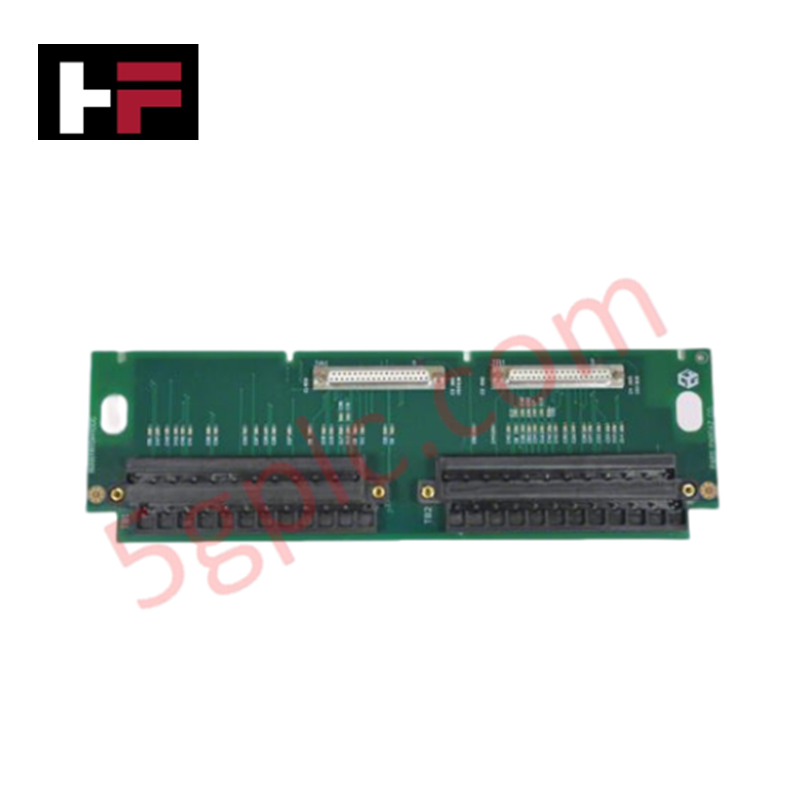
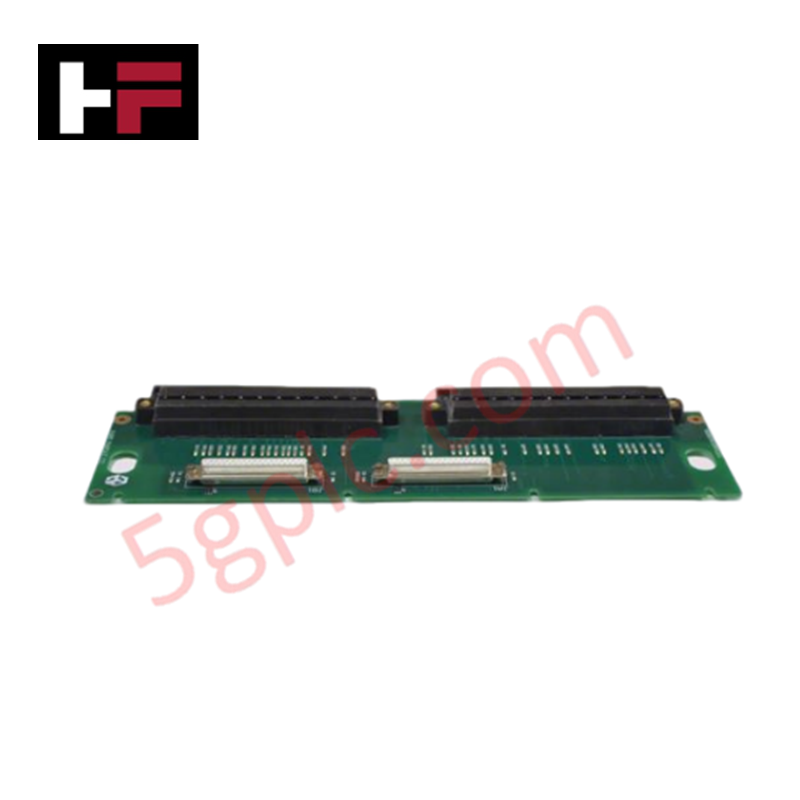
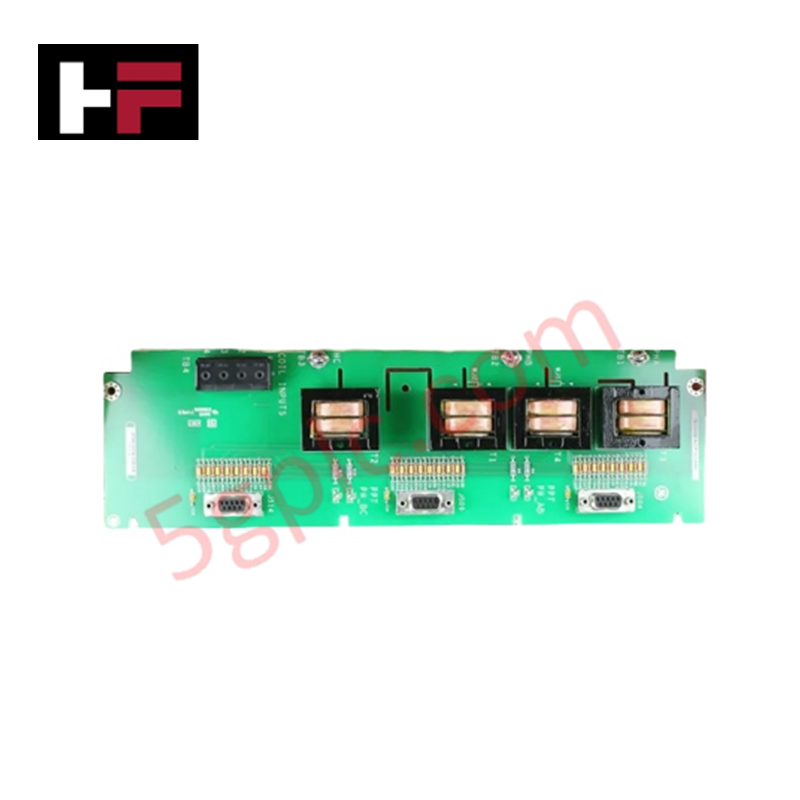
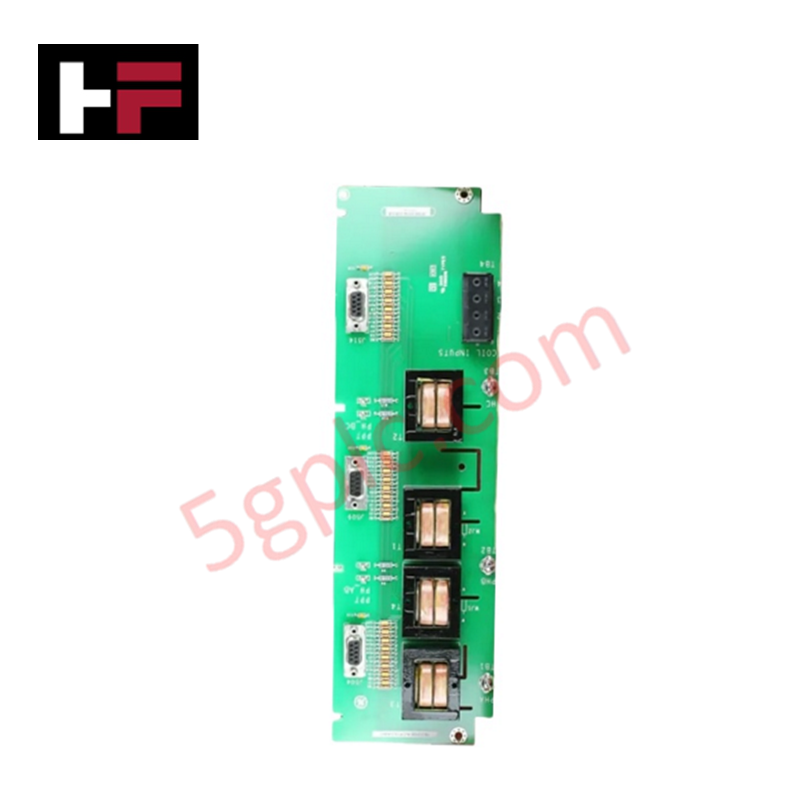
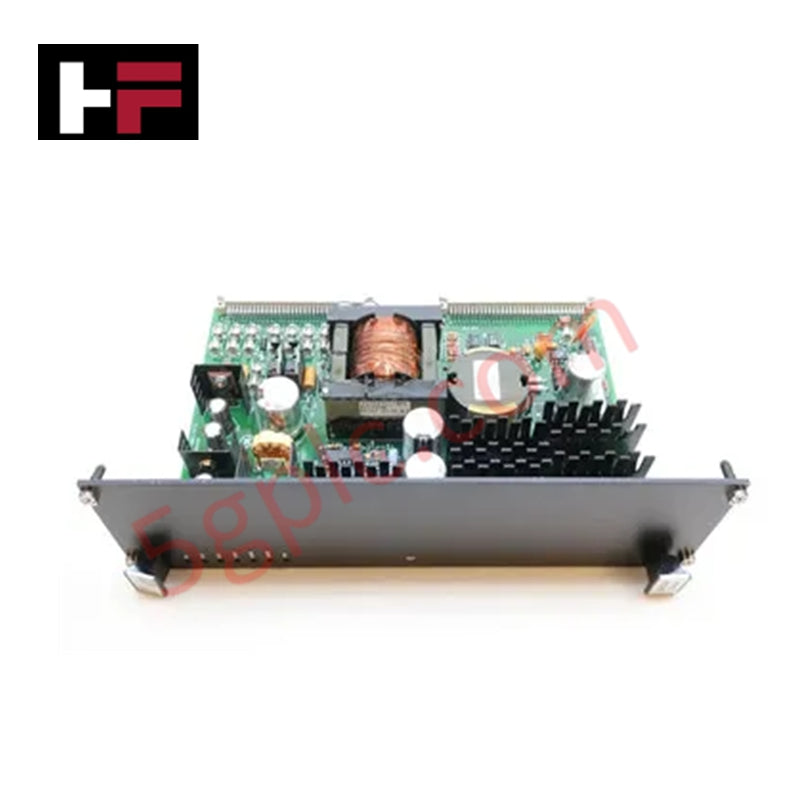
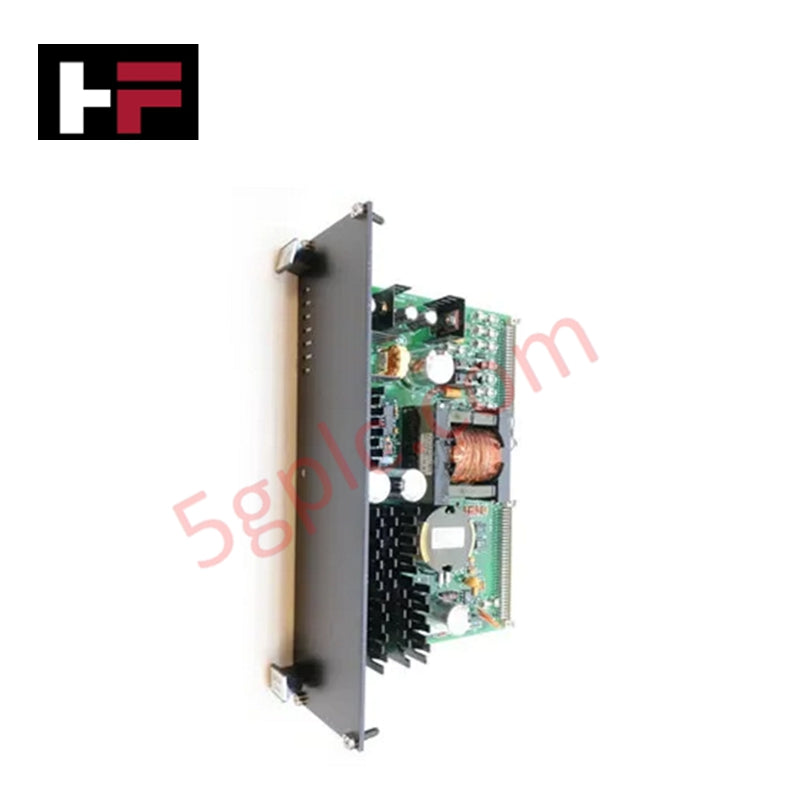
The IC694MDL241 is a 16-point discrete input module designed by GE Fanuc Emerson for the RX3i PACSystem series. It supports both 24 VAC and 24 VDC signals, making it versatile for mixed-voltage environments. Each channel can operate with positive or negative logic, ensuring compatibility with a wide range of industrial control applications.
Technical Specifications
-
Manufacturer: GE Fanuc Emerson
-
Product Type: Input Module
-
Part Number: IC694MDL241
-
Product Line: PACSystem RX3i
-
Shipping Weight: 3 kg
Electrical Characteristics
-
Rated Voltage: 24 VAC or 24 VDC
-
Input Voltage Range: 0 to +30 VAC or 0 to +30 VDC (50/60 Hz)
-
Number of Inputs: 16 points (one group with a single common)
-
Input Current: 7 mA typical at rated voltage
-
On-State Voltage: 11.5 to 30 VAC/DC
-
Off-State Voltage: 0 to +4 VAC/DC
-
On-State Current: Minimum 3.2 mA
-
Off-State Current: Maximum 1 mA
-
Response Time (On): 12 ms typical
-
Response Time (Off): 28 ms typical
-
Power Consumption (5V): 80 mA (all inputs active)
-
Power Consumption (24V): 125 mA (from isolated 24V bus or user power supply)
Isolation and Protection
-
Field-to-Backplane Isolation: 250 VAC continuous, 1500 VAC for 1 minute
-
Field-to-Frame Ground Isolation: 250 VAC continuous
-
Logic Type: Positive or negative logic selectable
-
Protection: Optical isolation and surge suppression
Environmental Ratings
-
Operating Temperature: 0°C to 60°C (32°F to 140°F)
-
Storage Temperature: -40°C to 85°C (-40°F to 185°F)
-
Relative Humidity: 5% to 95% non-condensing
Key Features
-
Dual Voltage Compatibility: Operates on both AC and DC input signals
-
Configurable Logic: Allows both positive and negative logic selection
-
High Electrical Isolation: Ensures safety and signal integrity
-
Compact Module Design: 16 input channels within a single RX3i slot
-
Reliable Performance: Fast and stable response ideal for automation systems
Applications and Use Cases
-
Industrial automation systems requiring flexible input configurations
-
Process control panels monitoring AC/DC signals
-
PLC-based systems in manufacturing and production lines
-
Machine control and diagnostics in distributed I/O networks
FAQ
Q: What is the rated operating voltage of the IC694MDL241?
A: The module supports both 24 VAC and 24 VDC operation.
Q: How many input channels does it provide?
A: It features 16 discrete input points grouped under a single common.
Q: Does the module support positive and negative logic?
A: Yes, the IC694MDL241 allows both positive and negative logic configurations.
Q: What is the isolation rating?
A: It provides 250 VAC continuous isolation and can withstand 1500 VAC for one minute.
Additional Information
- 100% Genuine Parts: All products are original and authentic, ensuring reliable industrial performance.
- 30-Day Refund Guarantee: Return any in-stock item within 30 days in original, unopened packaging for a full refund (excluding shipping and fees).
- 12-Month Warranty: Covers defects in materials or workmanship; excludes misuse, normal wear, or unauthorized modifications.
- Worldwide Shipping: We ship via USPS, UPS, FedEx, and DHL. Delivery times vary by country and may be subject to customs or import fees.
- Support & Contact: Technical and warranty assistance is available anytime. Contact us here: Contact.
- Purchase Guidance: Check product specifications and compatibility carefully before ordering to ensure proper application.
Tech & Buying Guide

Implementing FIFO and LIFO Data Sequencing in PLC Programming
Data management serves as a cornerstone of modern industrial automation. Whether tracking materials on a conveyor or managing batch sequences in a process, engineers frequently rely on sequential logic. Two primary structures—First-In-First-Out (FIFO) and Last-In-First-Out (LIFO)—form the bedrock of this data handling. Mastering these blocks allows programmers to optimize complex machine operations efficiently.

Evolving SCADA System Architectures in Industrial Automation
A robust Supervisory Control and Data Acquisition (SCADA) system serves as the heartbeat of modern industrial operations. Understanding SCADA system architecture is vital for engineers designing efficient control systems. These architectures have evolved from isolated, monolithic structures to highly interconnected, networked ecosystems. Choosing the right design requires balancing data visibility, processing power, and long-term scalability requirements.

Choosing the Right Controller: PLC vs. Motion Controller in Industrial Automation
Selecting the optimal control architecture is a foundational decision in industrial automation. Engineers must frequently choose between a Programmable Logic Controller (PLC) and a dedicated Motion Controller. While both systems manage machinery, their underlying design philosophies differ significantly, impacting performance, scalability, and system integration.