










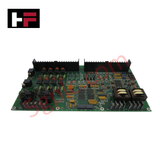
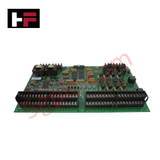
Product Details
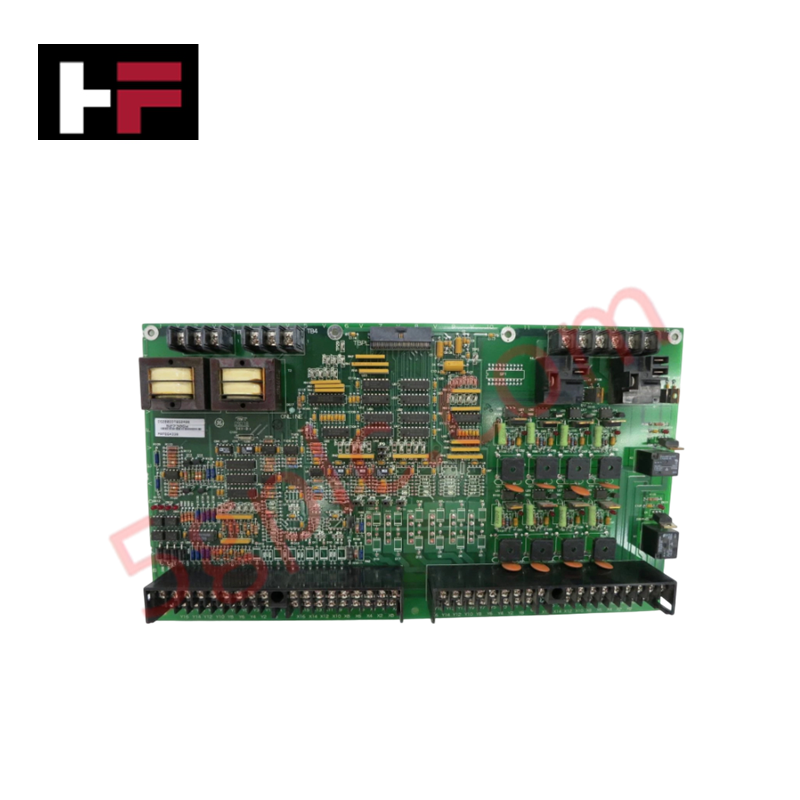
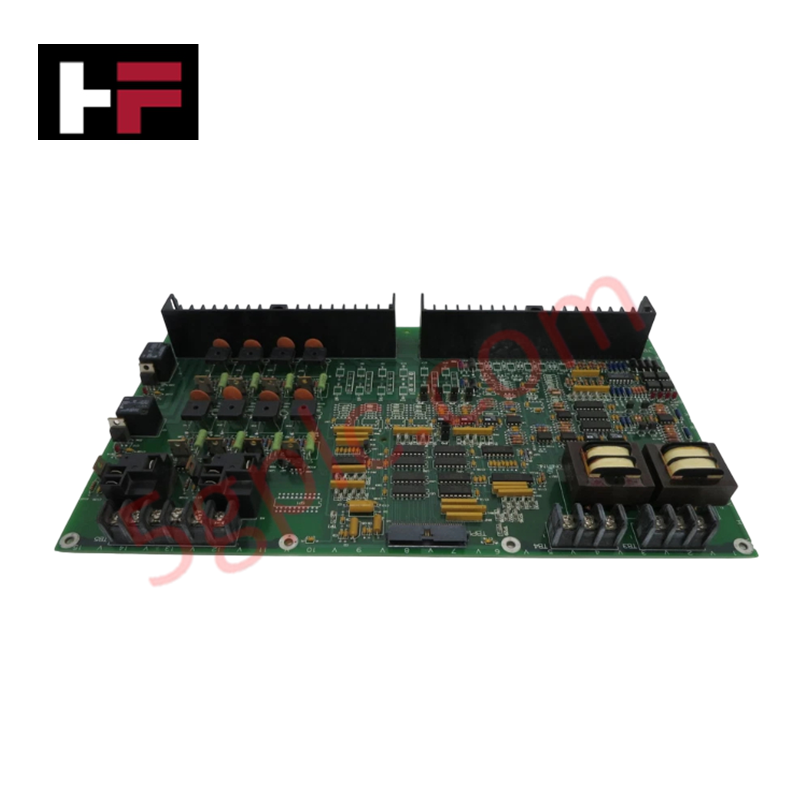
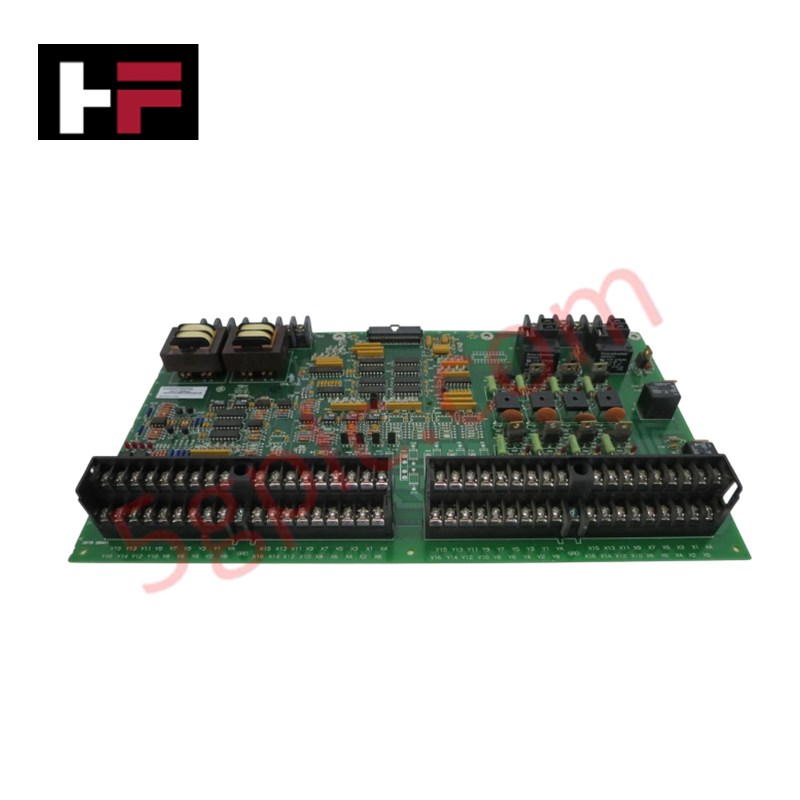
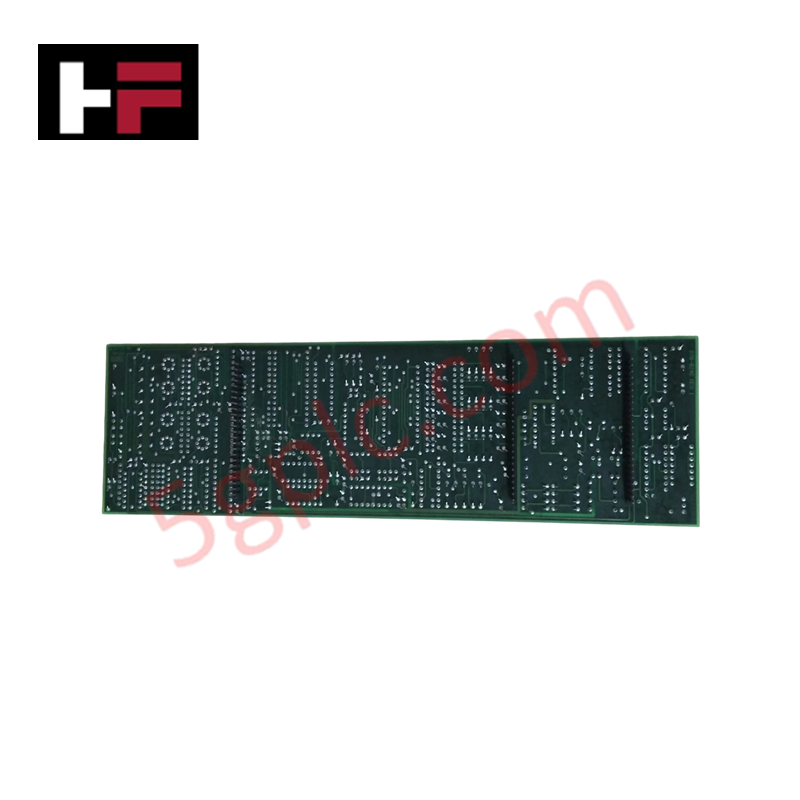
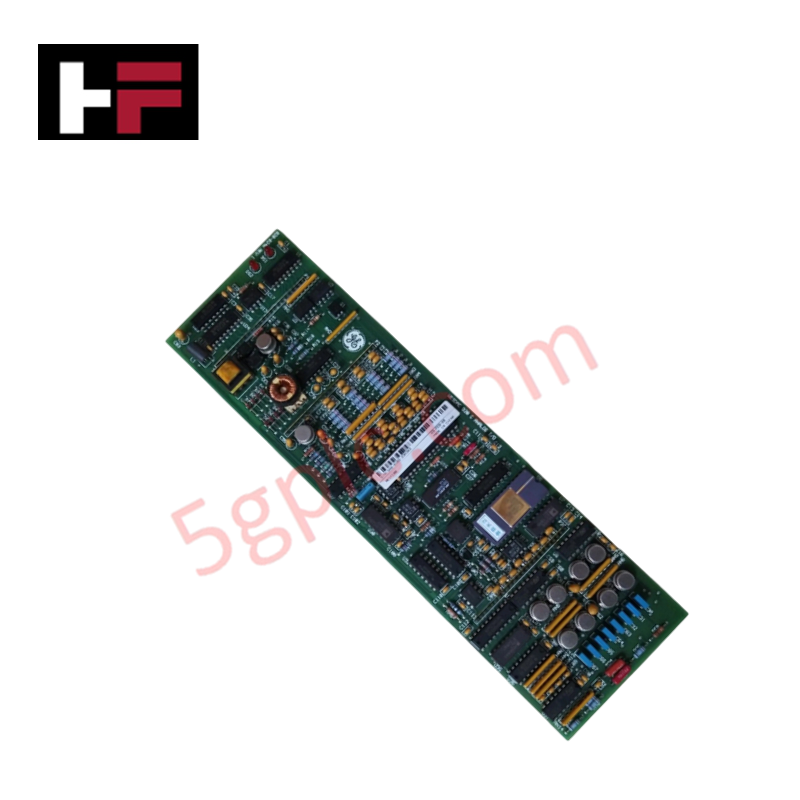
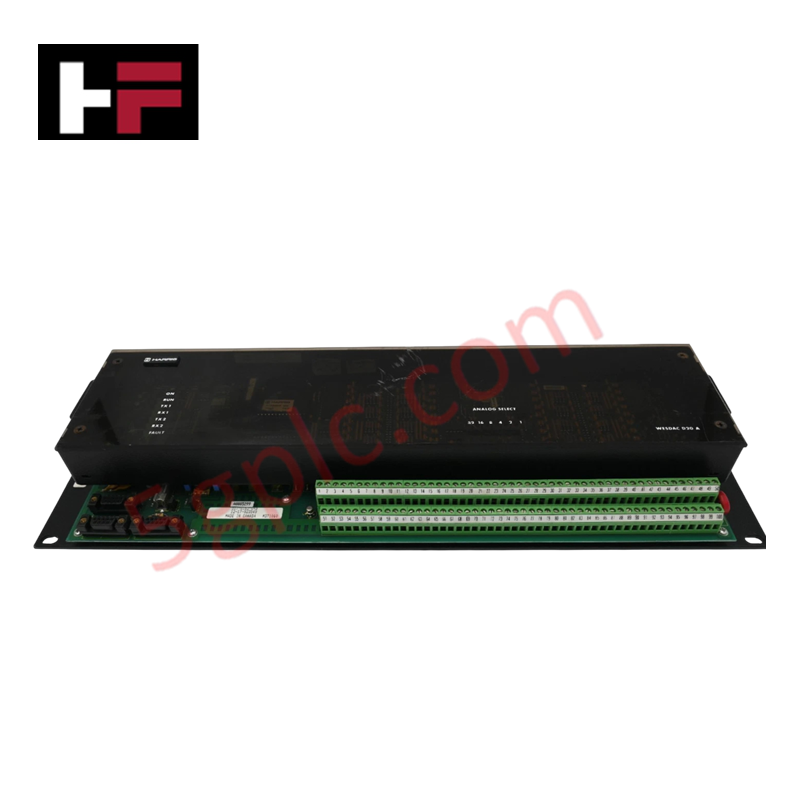
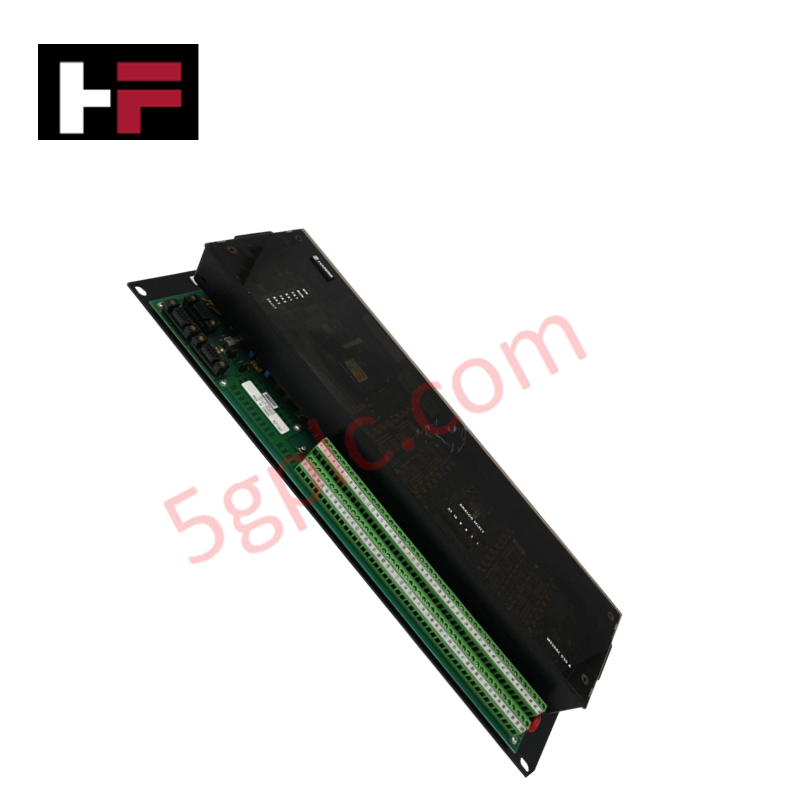
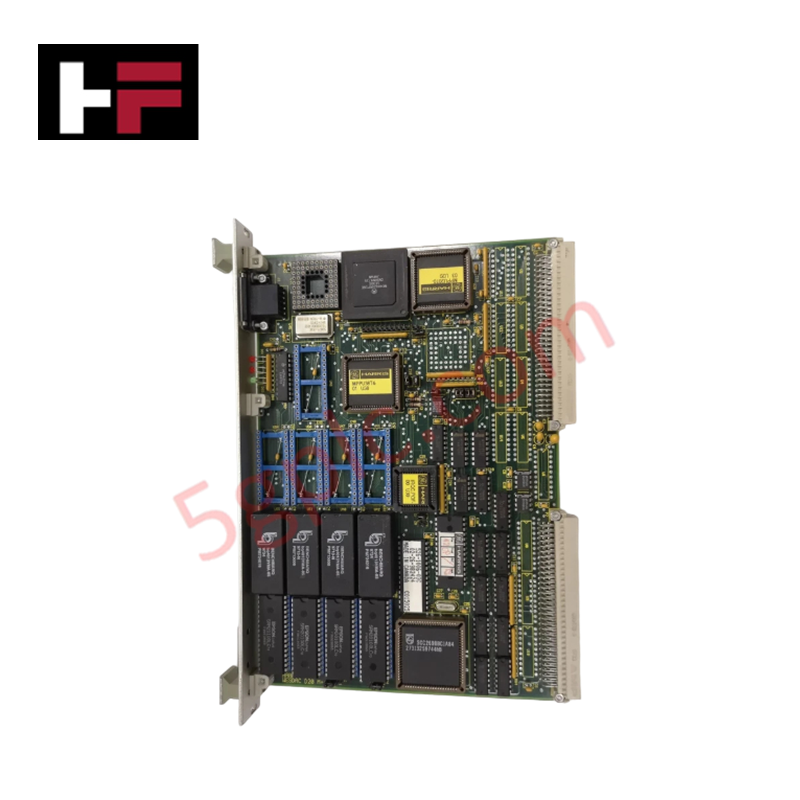
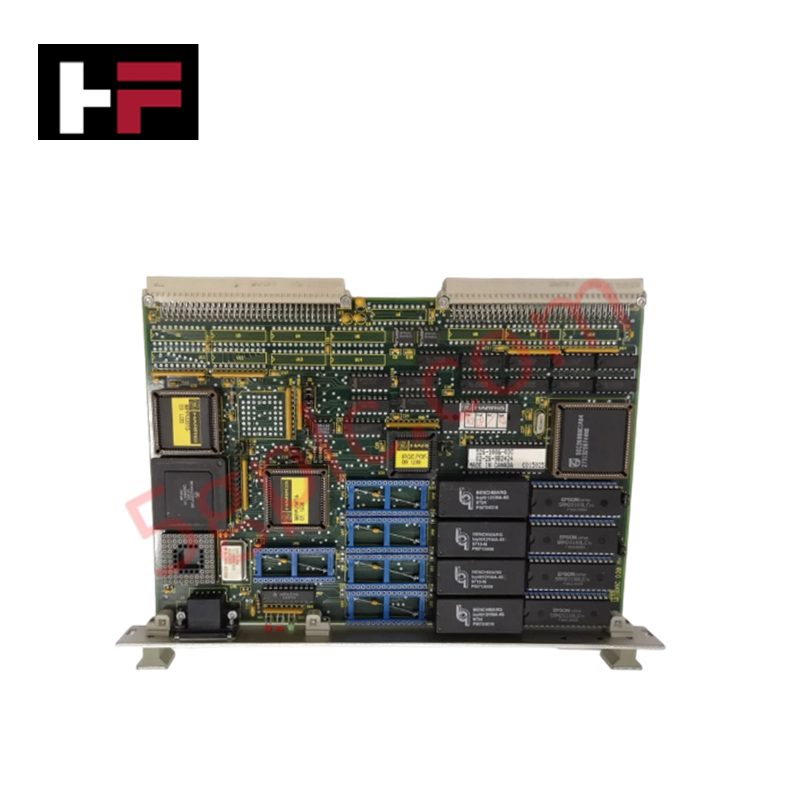
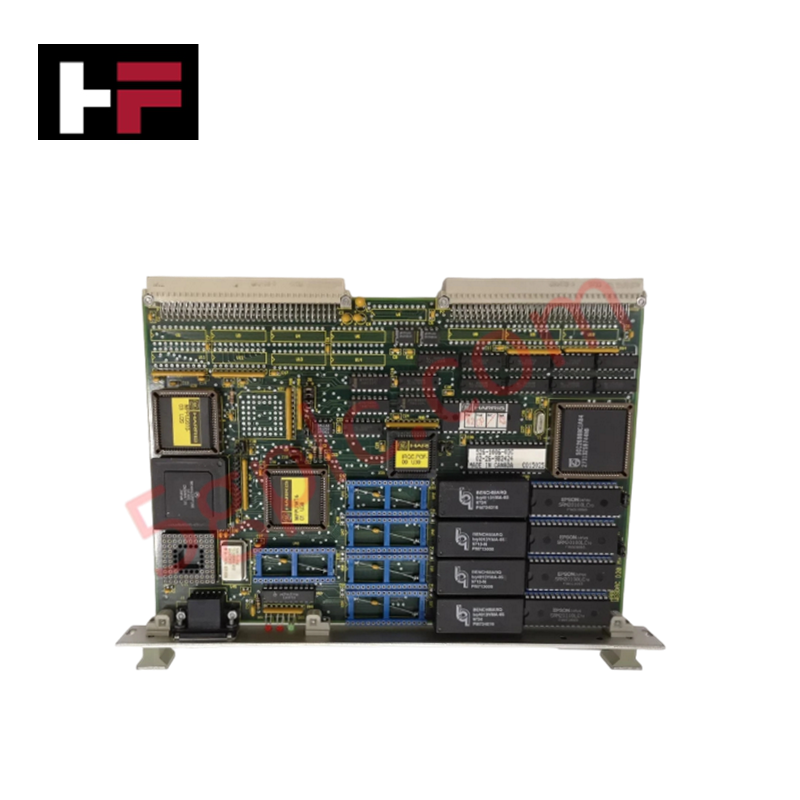
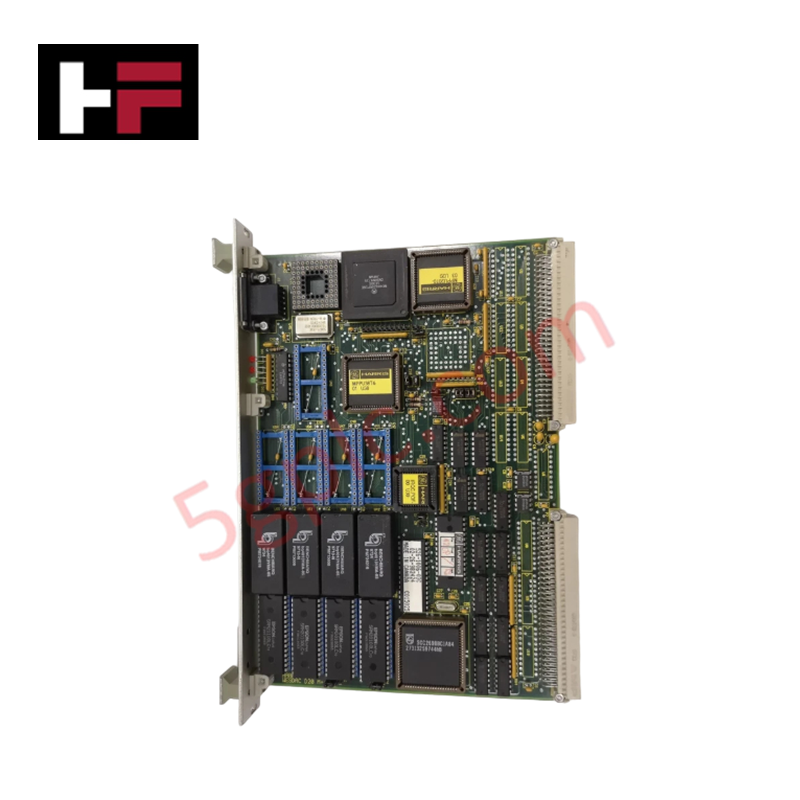
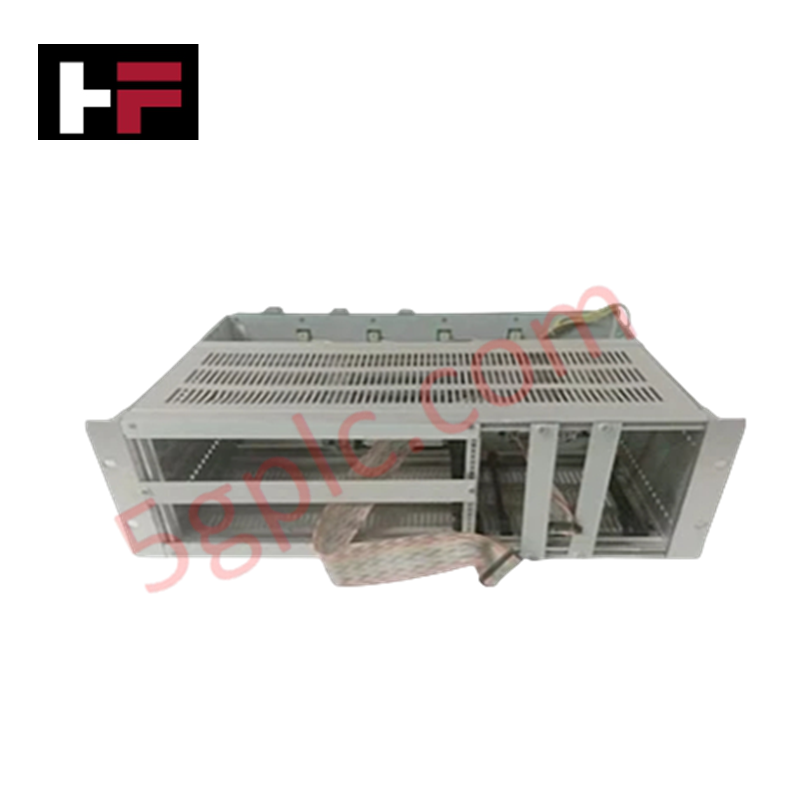
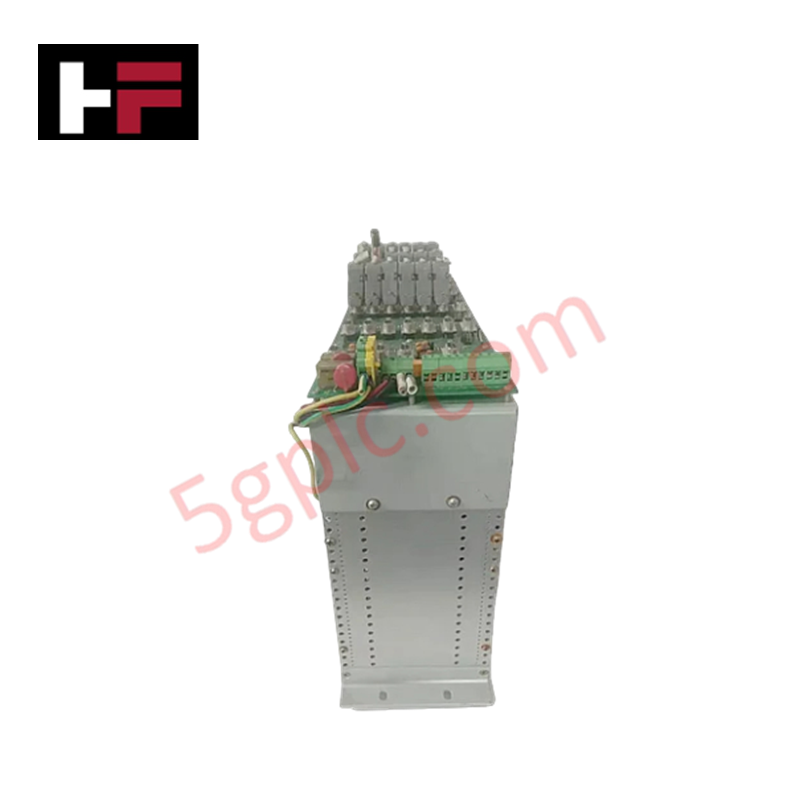
The General Electric DS200DDTBG2A, also cataloged as the DS200DDTB LCI Auxiliary I/O Terminal Board, operates as a dedicated hardware component for high-voltage signal conditioning and interface distribution within Mark V LM Speedtronic turbine control platforms.
Hardware Specifications
| Parameter | Specification |
|---|---|
| Model | DS200DDTBG2A |
| Brand | General Electric |
| Origin | USA |
| Dimensions | Panel/rack-mounted form factor |
| Operating Temp | -20 deg C to +60 deg C |
| Power Consumption | Derived from ADMA module |
| Voltage Range | 14 V dc to 32 V dc |
| I/O Channels | 12 total |
Industrial Control and Firmware Compatibility
The DS200DDTBG2A requires backplane bus communication velocity settings compatible with the Mark V LM rack architecture. Firmware flash compatibility is managed through the interconnected DS200ADMA daughterboard, which interfaces with the DSPC processor. The board supports I/O density scaling by allowing multiple high-voltage and current-sensing signals to be multiplexed into the DSP control loops. Deterministic network performance is maintained as the DDTB provides the necessary scaling and buffering for the DSP to execute real-time control algorithms. Ensure all terminal board jumpers and configuration settings are verified against the specific turbine control system logic.
Frequently Asked Questions
Q: Can the 4-20 mA current output and voltage output be used simultaneously?
A: Yes. The board supports both output types actively. They can be used individually or simultaneously by connecting to the respective screw terminals provided for each output type.
Q: What is the isolation rating for the high-voltage AC inputs?
A: The high-voltage AC inputs use isolated step-down transformers and passive filtering. The screw terminal blocks and internal circuit paths are rated and isolated for 1000 V peak transients.
Q: How is the board powered in the LCI system?
A: Power is supplied to the DS200DDTBG2A via the DS200ADMA analog-to-digital module daughterboard through high-density connectors and a ribbon cable interface.
Field Installation Guidelines
- Mounting: Secure the board to the rack or panel using appropriate hardware. Ensure sufficient clearance is maintained for the high-density ribbon cable routing.
- Signal Wiring: Use shielded twisted-pair cables for all analog and current-sensing inputs. Ensure cable shields are terminated at the cabinet entry to prevent electromagnetic interference (EMI).
- High-Voltage Handling: Observe all safety protocols when connecting high-voltage AC inputs. Verify that all terminal block screws are tightened to the specified torque to prevent arcing or thermal buildup at the connection points.
- Current Sensing: For CT inputs (±5 A) and low current signals (±0.224 A), ensure polarity is strictly maintained according to the system wiring diagram to prevent phase errors in the LCI control loop.
- Grounding: Ensure the board chassis is connected to the protective earth (PE) busbar to provide a stable reference for the differential buffering stages.
Additional Information
- 100% Genuine Parts: All products are original and authentic, ensuring reliable industrial performance.
- 30-Day Refund Guarantee: Return any in-stock item within 30 days in original, unopened packaging for a full refund (excluding shipping and fees).
- 12-Month Warranty: Covers defects in materials or workmanship; excludes misuse, normal wear, or unauthorized modifications.
- Worldwide Shipping: We ship via USPS, UPS, FedEx, and DHL. Delivery times vary by country and may be subject to customs or import fees.
- Support & Contact: Technical and warranty assistance is available anytime. Contact us here: Contact.
- Purchase Guidance: Check product specifications and compatibility carefully before ordering to ensure proper application.
Tech & Buying Guide

Executing a PLC System Site Acceptance Test (SAT): The Definitive Engineering Guide
The transition of a Programmable Logic Controller (PLC) cabinet from a controlled factory floor to a volatile plant environment represents a critical milestone in factory automation. While a Factory Acceptance Test (FAT) validates standalone hardware compliance under ideal conditions, it cannot replicate real-world process dynamics. Therefore, deploying an industrial automation system requires a rigorous Site Acceptance Test (SAT) to verify total loop integrity, field wiring wiring metrics, and process control parameters before final customer handover.

Advanced Integration: Master Protocol for VFD Commissioning and Testing
Deploying variable frequency drives (VFDs) requires precise execution during the initial commissioning phase. Junior automation engineers often find the first power-up sequence intimidating. However, following a rigorous engineering framework ensures equipment safety and system reliability. Proper startup procedures protect both the drive electronics and the connected motor.

Optimizing Factory Automation: The Definitive Guide to VFD Preventive Maintenance
Variable Frequency Drives (VFDs) serve as critical assets in modern industrial automation. These power electronic devices regulate electric motors by adjusting the supplied frequency and voltage. Consequently, industries utilize VFDs to reduce energy consumption and optimize process control. Major manufacturers like Siemens, ABB, and Yaskawa design highly efficient drives. However, sustained efficiency requires a rigorous preventive maintenance program.