




Product Details
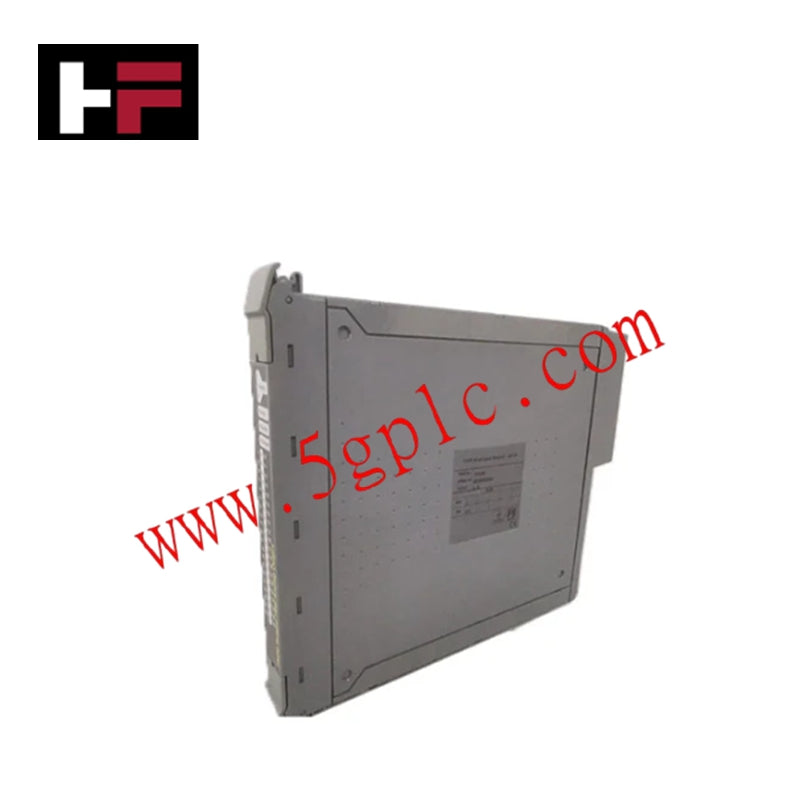
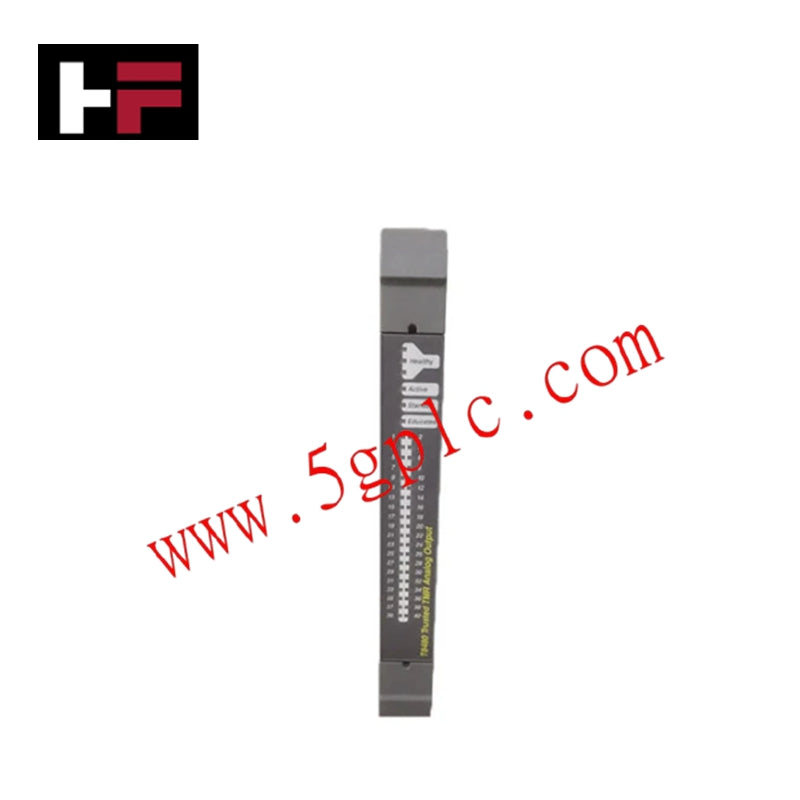
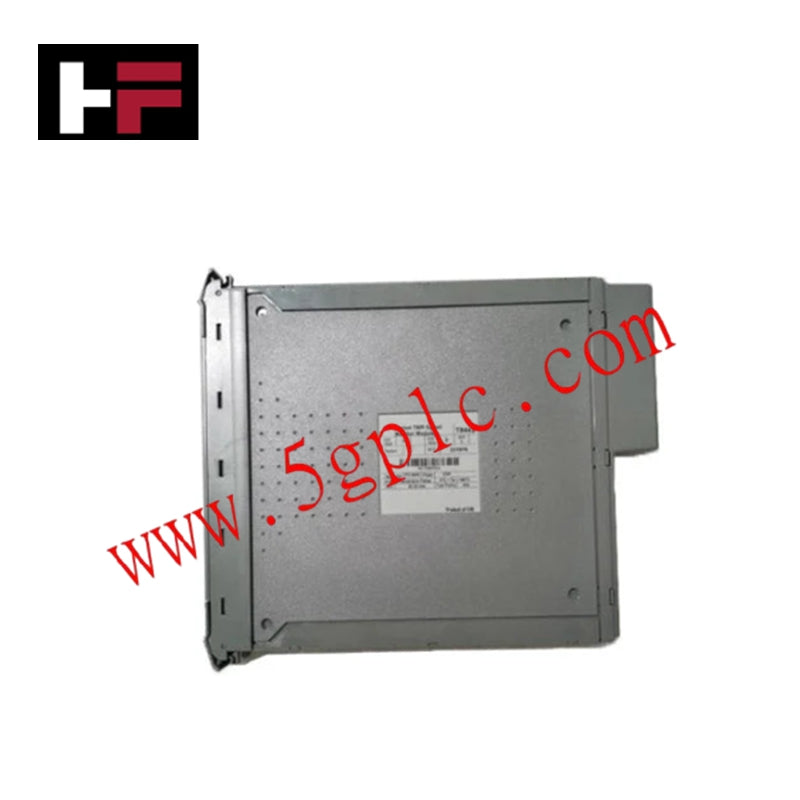
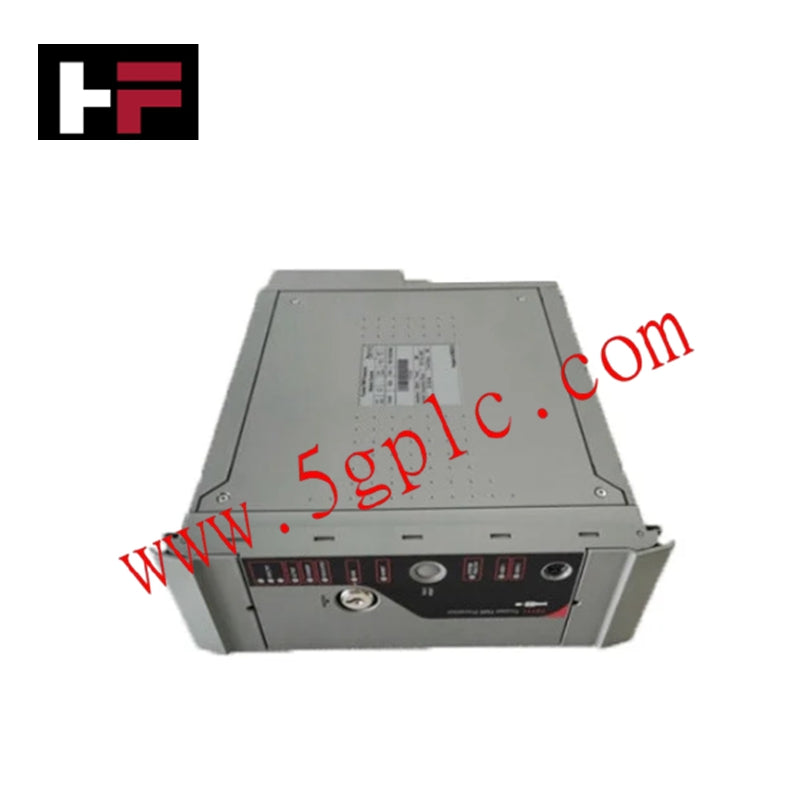
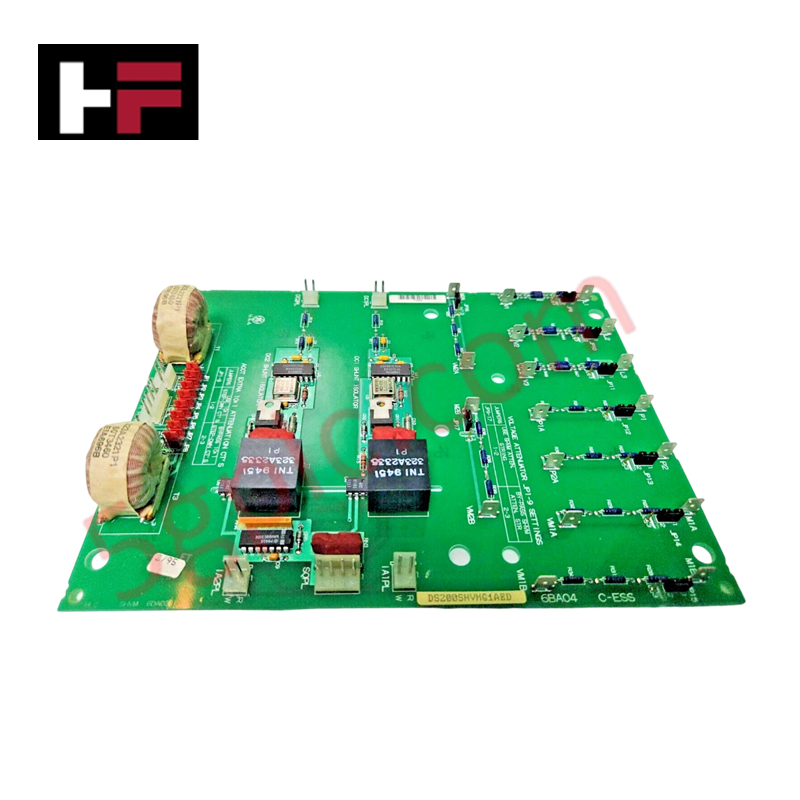
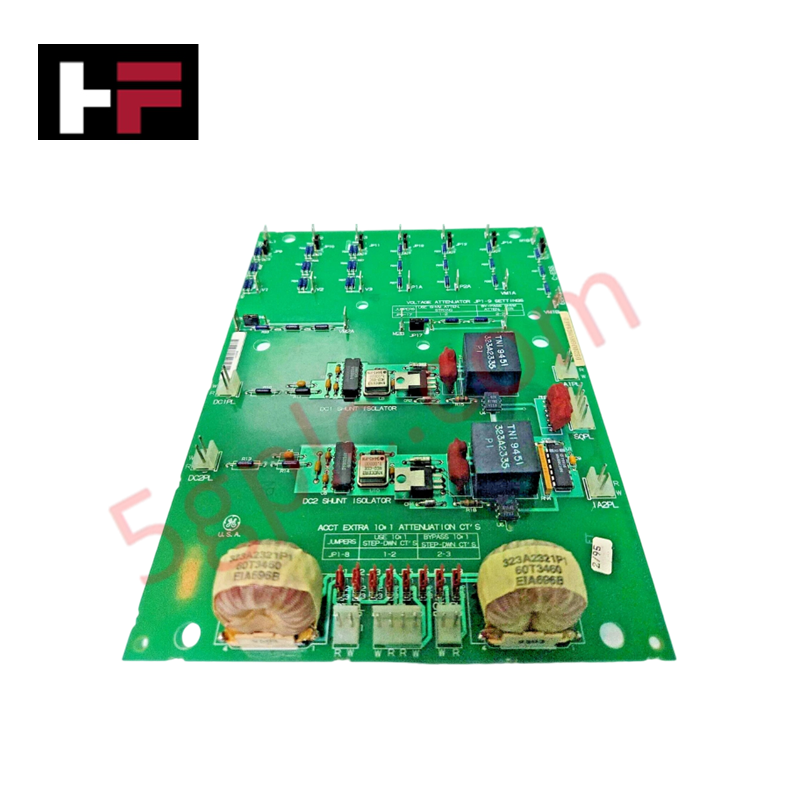
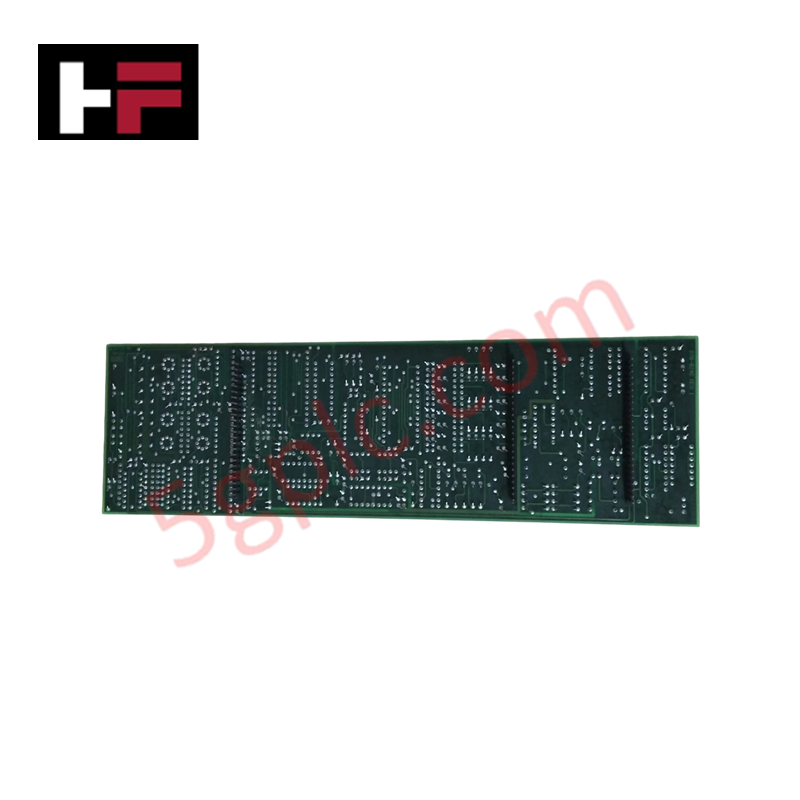
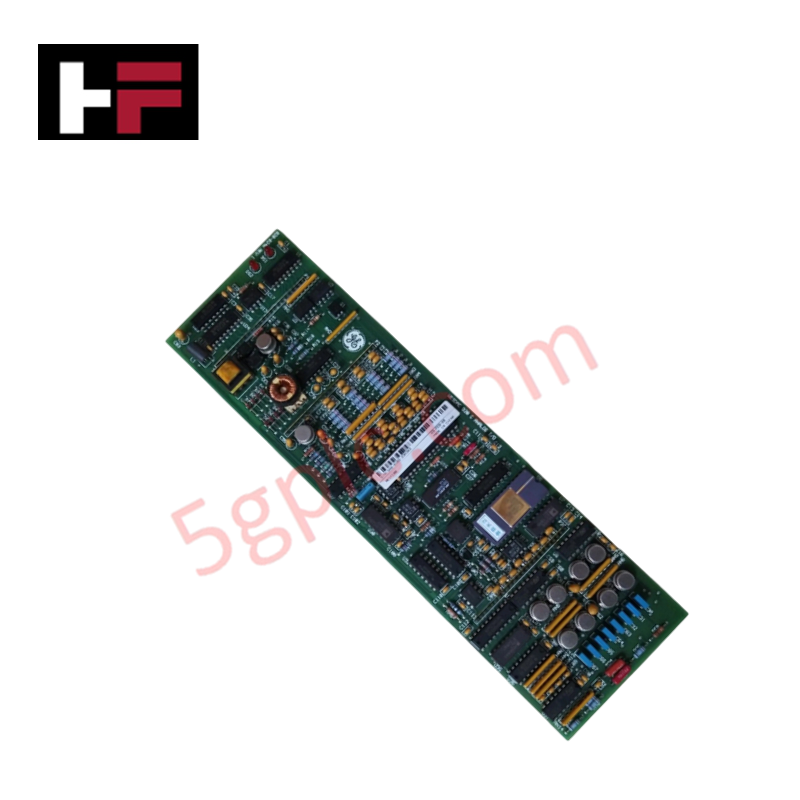
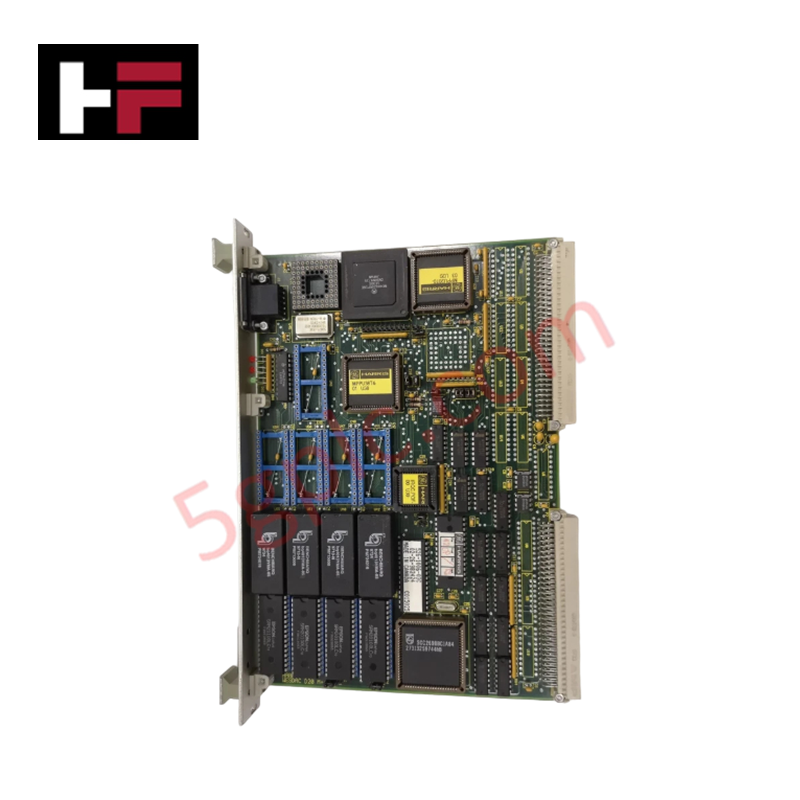
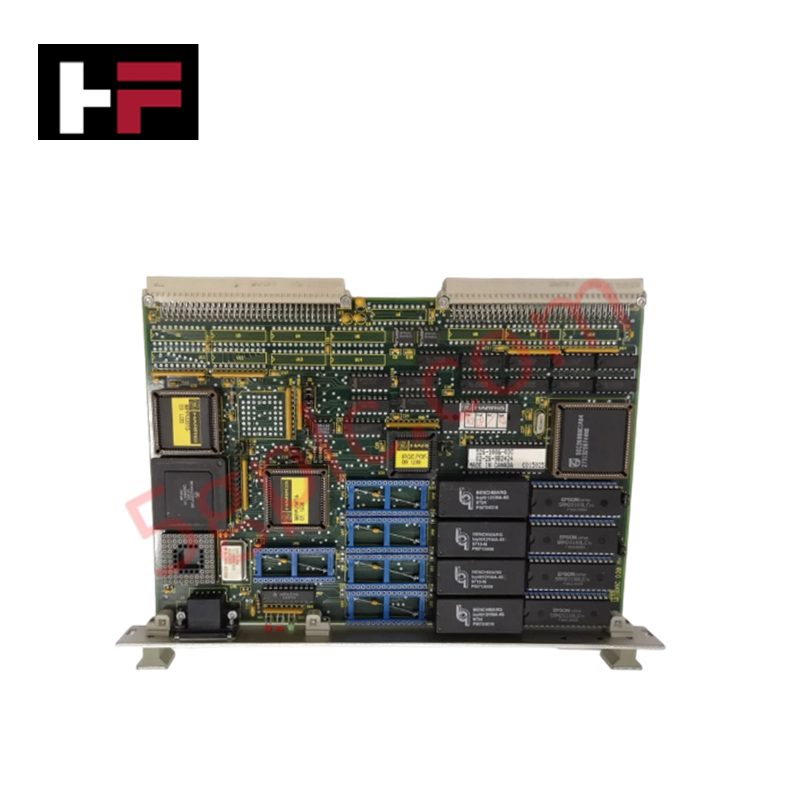
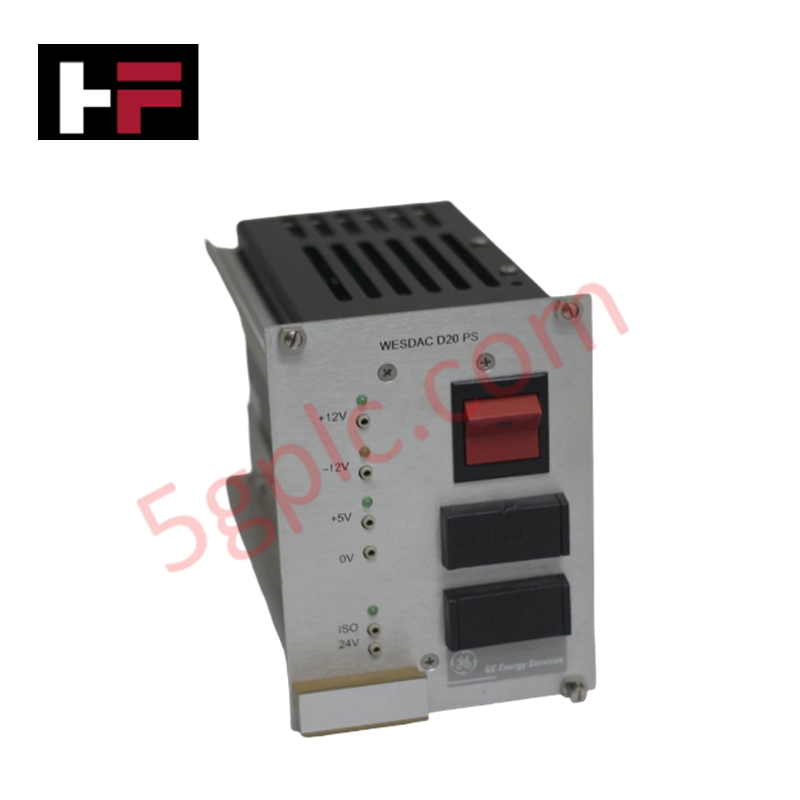
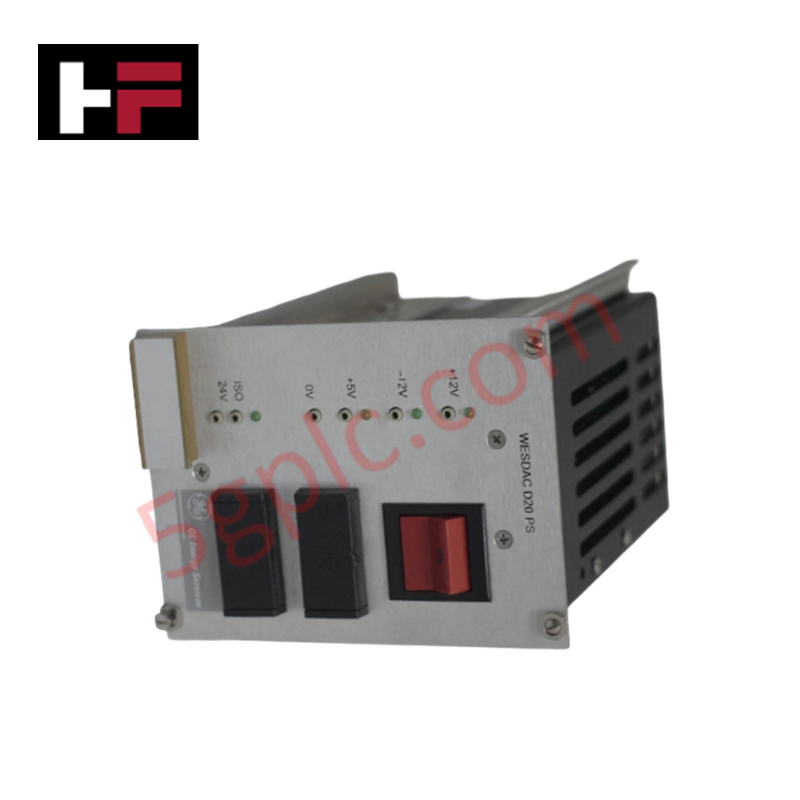
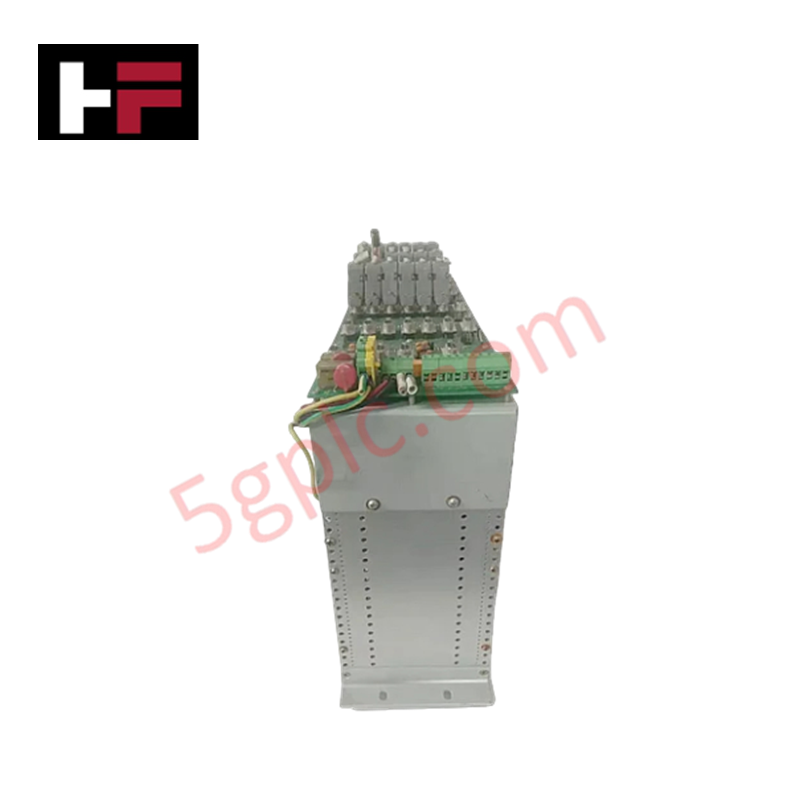
The GE DS200SHVMG1A, also cataloged as the DS200SHVMG1 SCR High Voltage Interface Board, operates as a dedicated hardware component for signal conditioning and interface management between M-frame drive SCR bridges and power supply systems within Mark V turbine control assemblies.
Hardware Specifications
| Parameter | Specification |
|---|---|
| Model | DS200SHVMG1A |
| Brand | GE (General Electric) |
| Series | Mark V |
| Function | SCR High Voltage M-frame Interface |
| Shunt Signal Input | -500 to 500 mV |
| Frequency Output | 0 to 500 kHz (Differential) |
| Current Transformer Attenuation | 10:1 (User-selectable via 17 Jumpers) |
| AC Line Voltage Ranges | 240-600 V (Bypass); 601-1000 V (Active) |
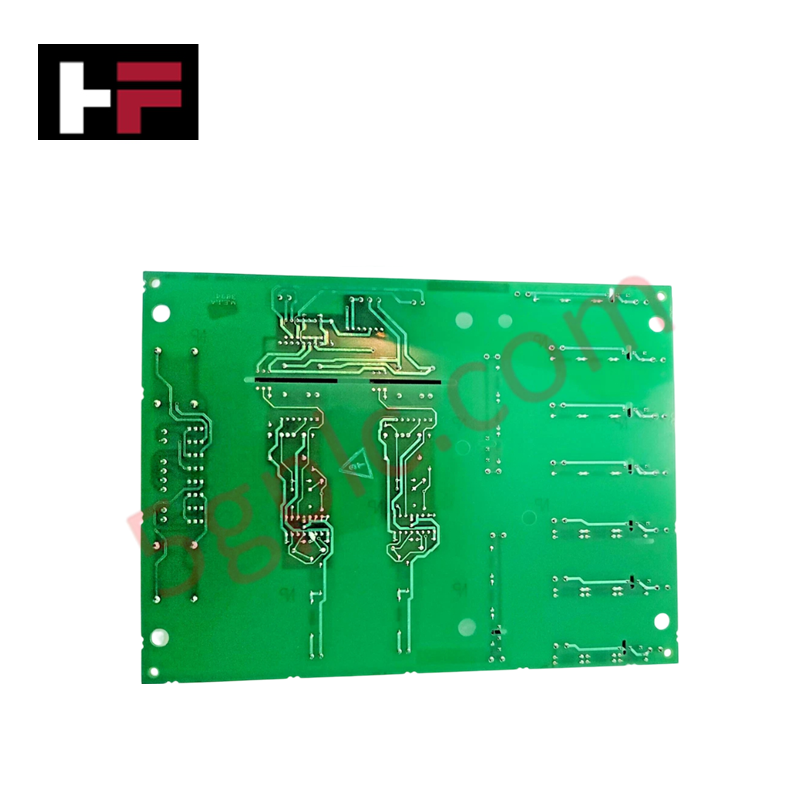
| PCB Protection | Normal Coating with Insulated Mounting Rings |
| Origin | Domestic |
Deterministic Network and Firmware Compatibility
The DS200SHVMG1A board maintains synchronization within the Mark V control environment by facilitating high-speed data translation between the SCR bridge and downstream modules such as the DCFB, SDCI, and PCCA boards. The unit utilizes voltage-controlled oscillator (VCO) circuits to translate analog shunt inputs into precise differential frequency outputs. To ensure deterministic performance across the backplane, the board must be configured according to site-specific line voltage requirements; failure to set the 17 onboard jumpers correctly will result in signal attenuation mismatch, potentially compromising the control loop stability of the drive assembly. Firmware flash compatibility is governed by the Mark V system revision; ensure the host controller supports the SHVM functional group before integration.
Frequently Asked Questions
Q: Can the 17 onboard jumpers be reconfigured while the drive is energized?
A: No. Jumpers must be configured during a scheduled maintenance shutdown. Adjusting attenuation settings while the system is under load will lead to immediate signal corruption and potential trip events due to improper scaling of the feedback loop.
Q: What are the primary concerns regarding the PCB coating and static sensitivity?
A: The board features a normal PCB protective coating. It is highly static-sensitive. Always handle by the edges or use a grounded wrist strap. Ensure that the insulated rings provided for the factory-drilled mounting holes remain intact during installation to maintain electrical isolation from the cabinet chassis.
Field Installation Guidelines
- Electrostatic Discharge (ESD) Prevention: The DS200SHVMG1A is a static-sensitive component. Utilize an ESD-safe workstation and ensure the technician is properly grounded before removing the board from its anti-static packaging.
- Mounting Integrity: Verify that the insulated rings are properly seated in the installation holes before fastening the board to the cabinet standoffs. Failure to maintain isolation can lead to ground loops or localized arcing.
-
Jumper Verification: Prior to final installation, confirm the jumper configuration matches the specific AC line voltage of the application.
- For 240-600 V ranges, ensure attenuators are bypassed.
- For 601-1000 V ranges, ensure attenuators are engaged.
- Termination: Ensure all connections to the DCFB, SDCI, or PCCA cards are firmly seated. Loose connections on the high-voltage interface can introduce noise into the differential frequency output, leading to instability in the turbine management system.
Additional Information
- 100% Genuine Parts: All products are original and authentic, ensuring reliable industrial performance.
- 30-Day Refund Guarantee: Return any in-stock item within 30 days in original, unopened packaging for a full refund (excluding shipping and fees).
- 12-Month Warranty: Covers defects in materials or workmanship; excludes misuse, normal wear, or unauthorized modifications.
- Worldwide Shipping: We ship via USPS, UPS, FedEx, and DHL. Delivery times vary by country and may be subject to customs or import fees.
- Support & Contact: Technical and warranty assistance is available anytime. Contact us here: Contact.
- Purchase Guidance: Check product specifications and compatibility carefully before ordering to ensure proper application.
Tech & Buying Guide

Executing a PLC System Site Acceptance Test (SAT): The Definitive Engineering Guide
The transition of a Programmable Logic Controller (PLC) cabinet from a controlled factory floor to a volatile plant environment represents a critical milestone in factory automation. While a Factory Acceptance Test (FAT) validates standalone hardware compliance under ideal conditions, it cannot replicate real-world process dynamics. Therefore, deploying an industrial automation system requires a rigorous Site Acceptance Test (SAT) to verify total loop integrity, field wiring wiring metrics, and process control parameters before final customer handover.

Advanced Integration: Master Protocol for VFD Commissioning and Testing
Deploying variable frequency drives (VFDs) requires precise execution during the initial commissioning phase. Junior automation engineers often find the first power-up sequence intimidating. However, following a rigorous engineering framework ensures equipment safety and system reliability. Proper startup procedures protect both the drive electronics and the connected motor.

Optimizing Factory Automation: The Definitive Guide to VFD Preventive Maintenance
Variable Frequency Drives (VFDs) serve as critical assets in modern industrial automation. These power electronic devices regulate electric motors by adjusting the supplied frequency and voltage. Consequently, industries utilize VFDs to reduce energy consumption and optimize process control. Major manufacturers like Siemens, ABB, and Yaskawa design highly efficient drives. However, sustained efficiency requires a rigorous preventive maintenance program.