










Product Details
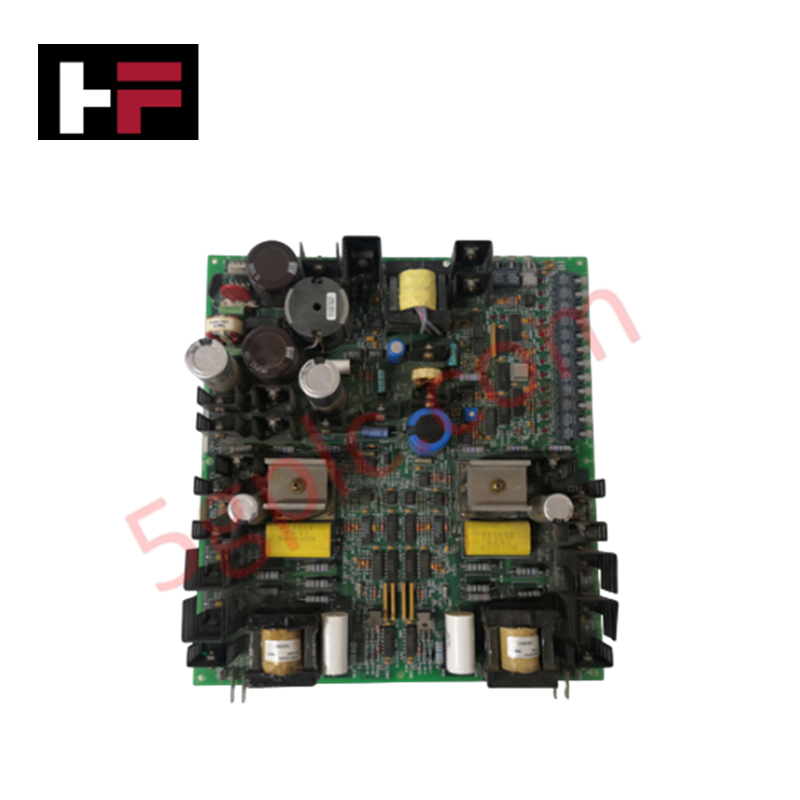
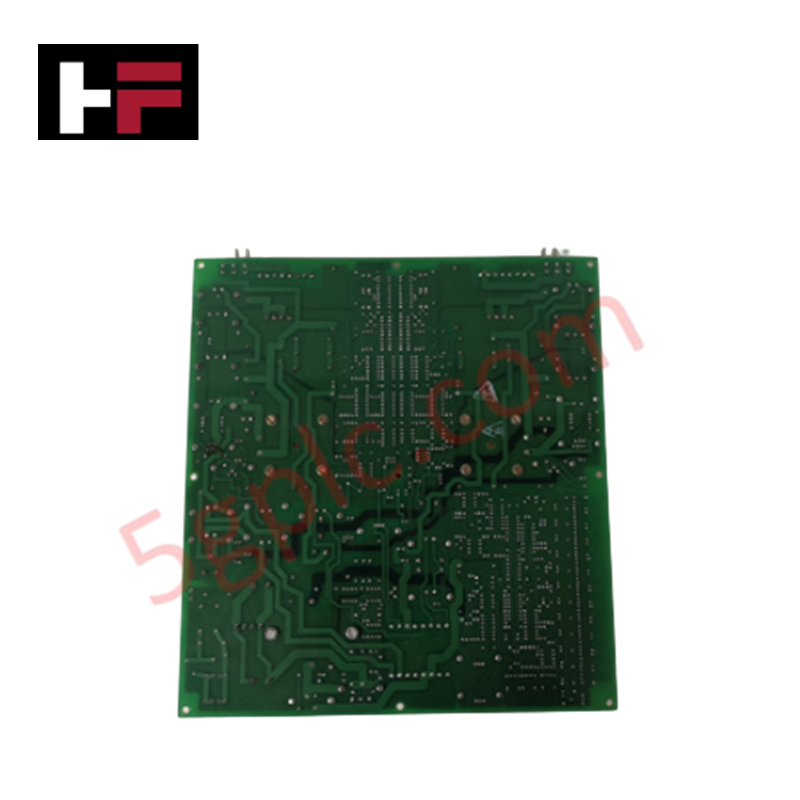
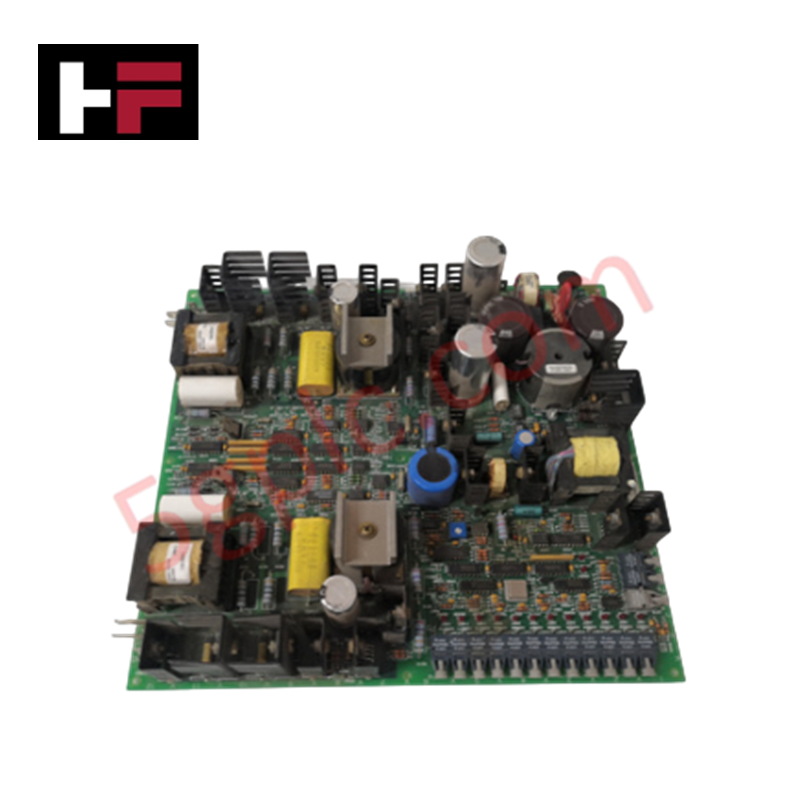
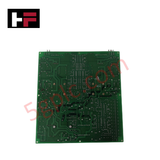
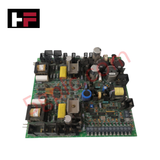
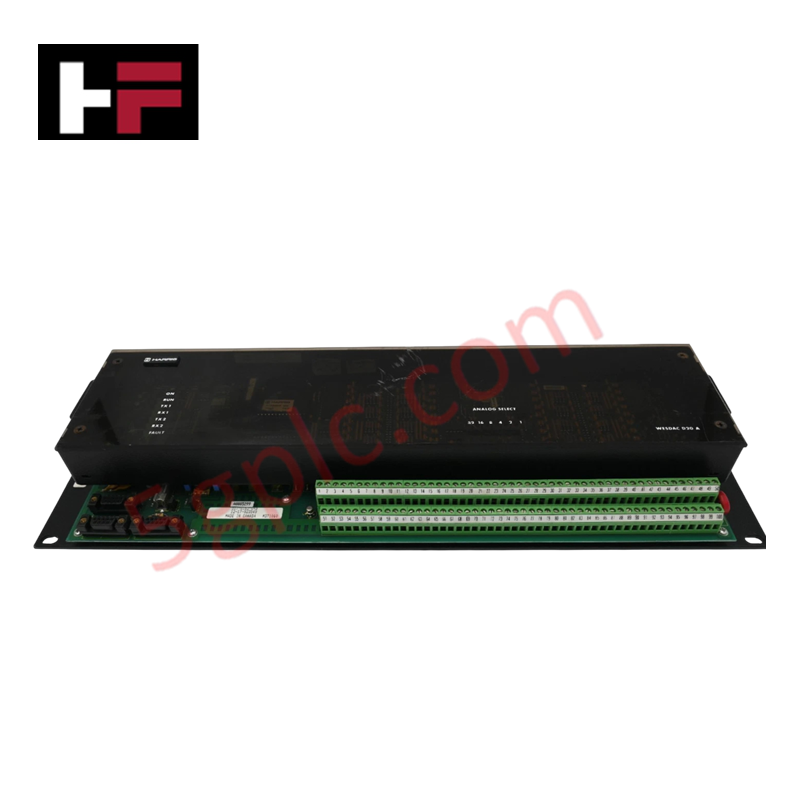
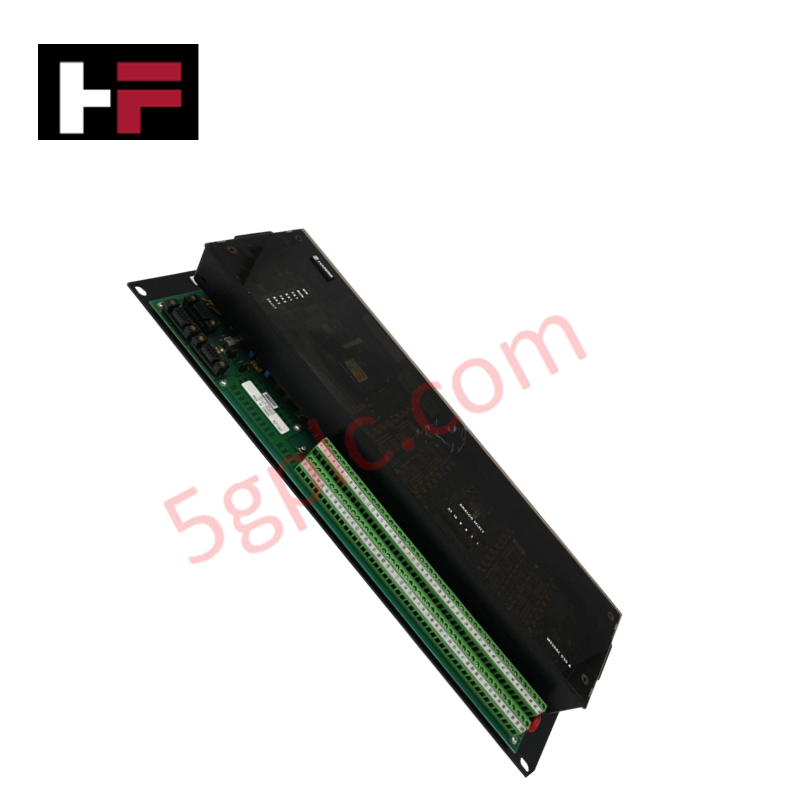
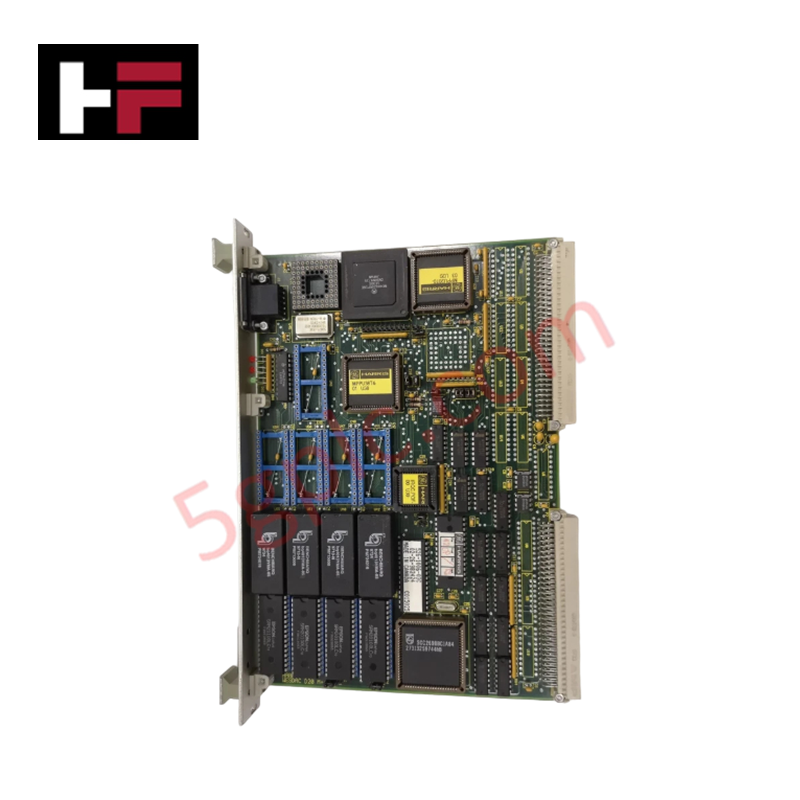
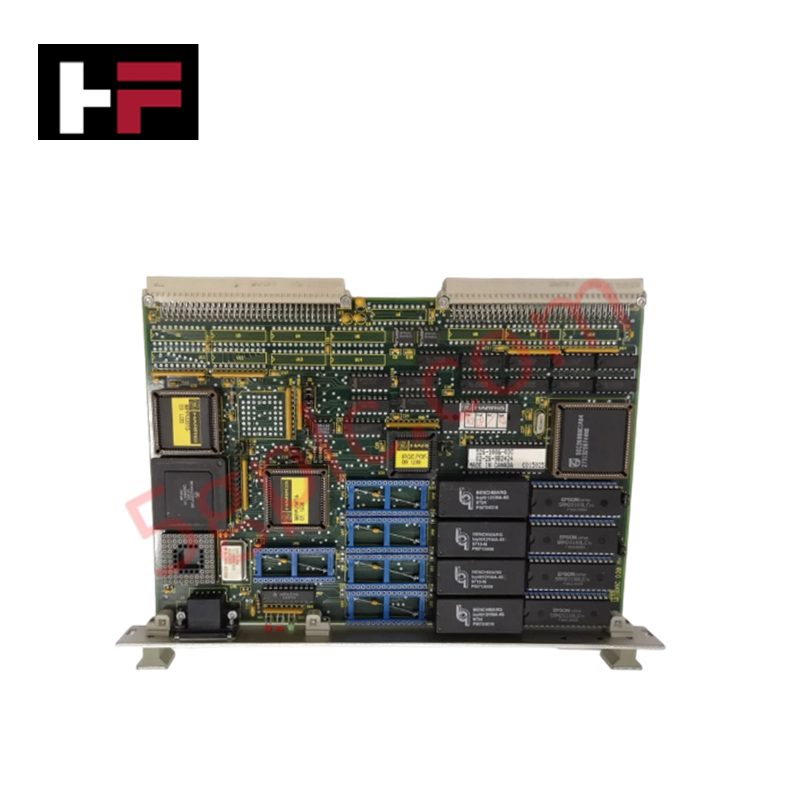
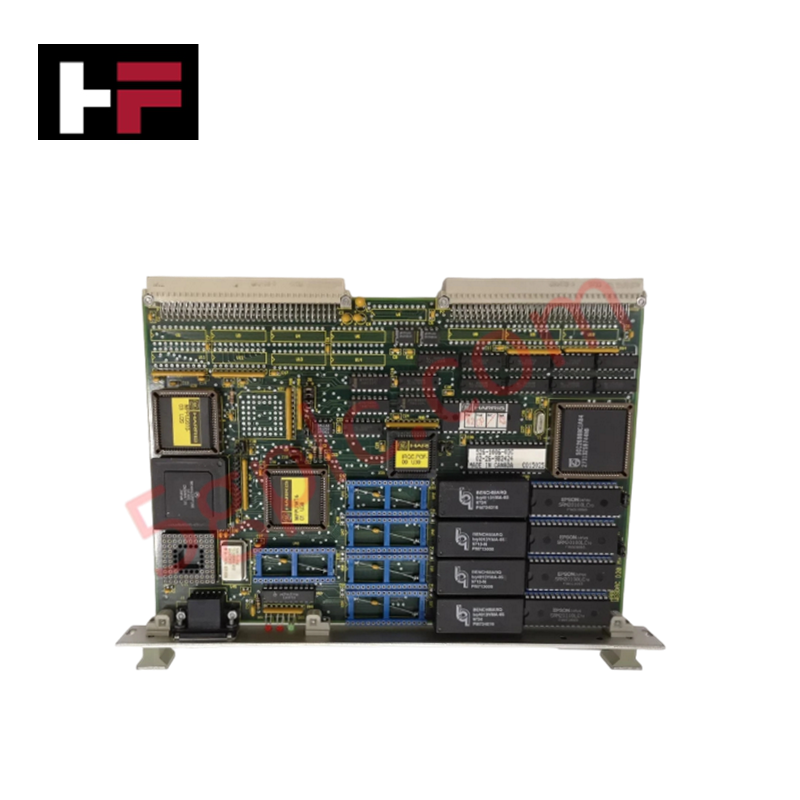
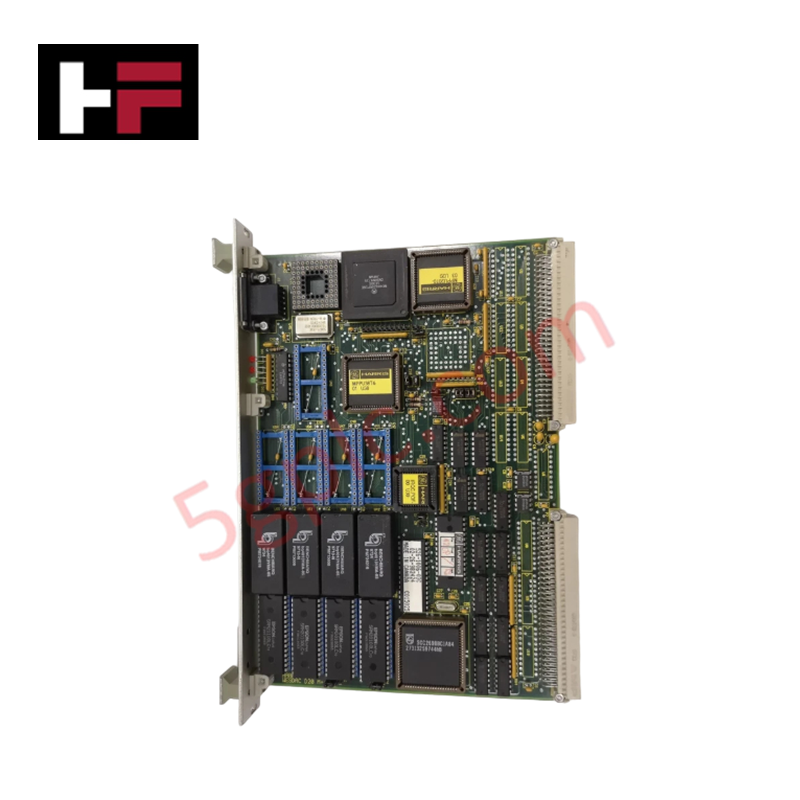
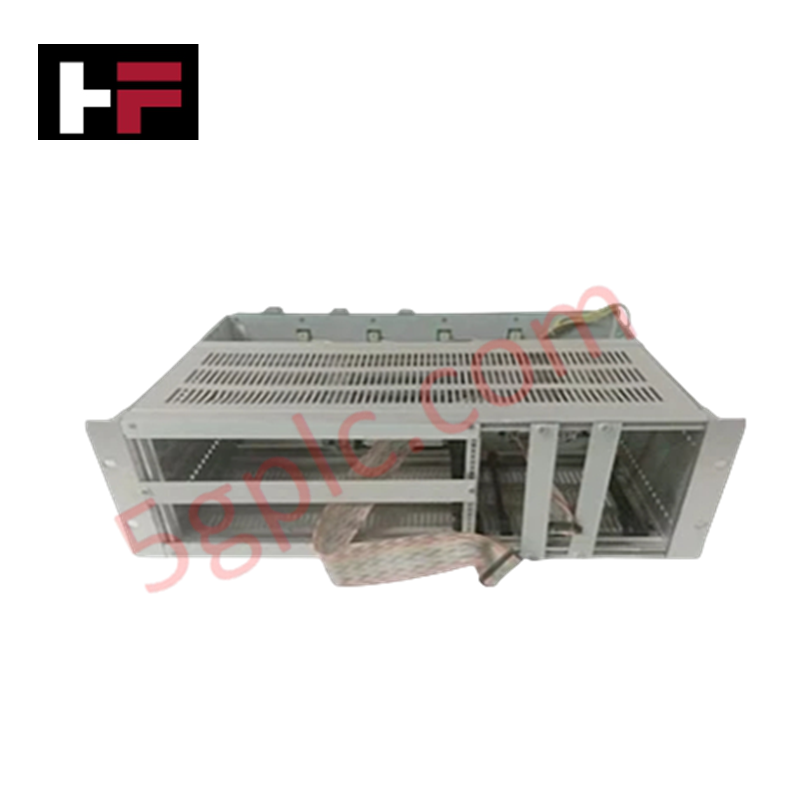
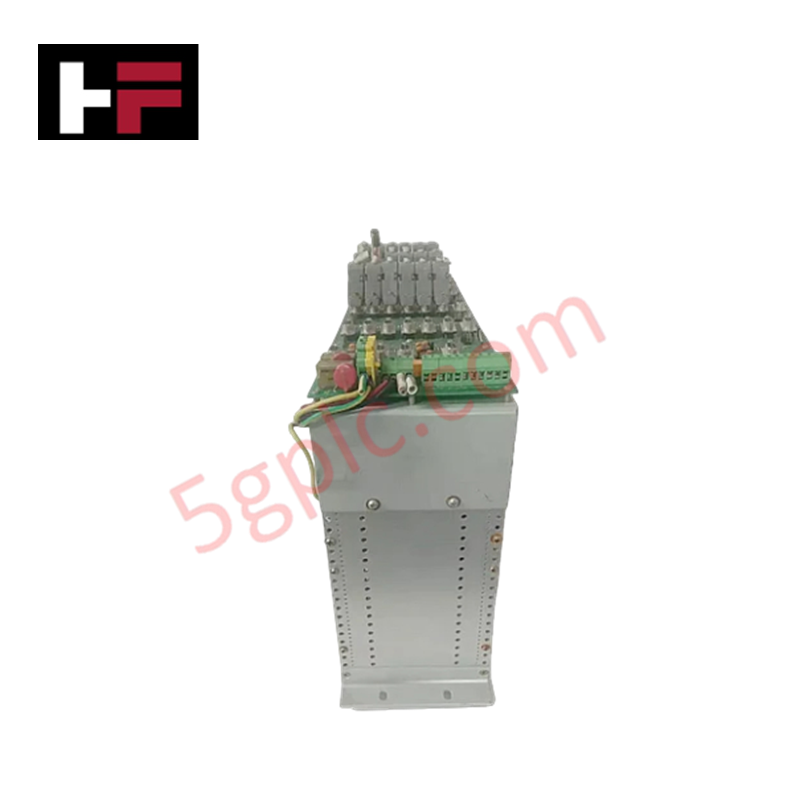
Configured for power conversion and gate pulse signal conditioning within Mark V control platforms, the GE DS200FGPAG1A (DS200FGPA Gate Pulse Amplifier Board) provides direct physical/electrical execution of SCR bridge power delivery and feedback acquisition.
Hardware Specifications
| Parameter | Specification |
|---|---|
| Model | DS200FGPAG1A |
| Brand | General Electric |
| Origin | USA |
| Dimensions | Standard Mark V PCB footprint |
| Operating Temp | Per Mark V environmental standards |
| Power Consumption | Backplane rail supply |
| Fiber Ports | 1 sending, 14 receiving |
Industrial Control and Firmware Compatibility
The DS200FGPAG1A serves as the interface between the Mark V controller and high-power SCR bridges. The board manages the transformation of control voltages while maintaining galvanic signal integrity through a robust fiber optic interface. Deterministic network performance is enforced by 14 receiving fiber optic ports (2 dedicated to duplex and 12 to simplex networks), ensuring high-speed data transfer immune to electromagnetic interference (EMI). Firmware flash compatibility and internal logic timing are synchronized with the host controller to manage gate pulse firing. I/O density scaling is maintained by the board's capacity to interface with multiple SCR bridge phases, provided that fiber optic attenuation parameters remain within specified limits for the transmission distance.
Frequently Asked Questions
Q: What is the maximum fiber optic network extension permitted?
A: The transmission length can be extended using a maximum of two repeaters, effectively doubling the standard operational range of the fiber optic link.
Q: Are there specific handling requirements for the fiber optic cabling?
A: Yes. Fiber optic cable routes must strictly adhere to the manufacturer-specified minimum bend radius. Exceeding this radius can cause signal degradation or permanent fiber damage.
Field Installation Guidelines
- Fiber Optic Integrity: Clean all fiber optic connectors prior to mating to prevent signal attenuation. Ensure cables are seated firmly in the sending and receiving ports (14 total).
- EMI Management: Due to the use of fiber optic communication, the module is immune to electrical noise. Fiber cables may be routed alongside 3-phase power cables without signal interference.
- Repeater Deployment: If signal power is insufficient due to cable length, install repeaters at designated points. Do not exceed the two-repeater limit per network segment.
- SCR Bridge Interface: Verify that all SCR bridge phase connections are tight and correctly keyed to the board's power input section.
- Component Handling: Use standard ESD-safe practices when handling the PCB. Ensure all bayonet and edge connectors are fully seated into the Mark V backplane to prevent intermittent control signal errors.
Additional Information
- 100% Genuine Parts: All products are original and authentic, ensuring reliable industrial performance.
- 30-Day Refund Guarantee: Return any in-stock item within 30 days in original, unopened packaging for a full refund (excluding shipping and fees).
- 12-Month Warranty: Covers defects in materials or workmanship; excludes misuse, normal wear, or unauthorized modifications.
- Worldwide Shipping: We ship via USPS, UPS, FedEx, and DHL. Delivery times vary by country and may be subject to customs or import fees.
- Support & Contact: Technical and warranty assistance is available anytime. Contact us here: Contact.
- Purchase Guidance: Check product specifications and compatibility carefully before ordering to ensure proper application.
Tech & Buying Guide

Executing a PLC System Site Acceptance Test (SAT): The Definitive Engineering Guide
The transition of a Programmable Logic Controller (PLC) cabinet from a controlled factory floor to a volatile plant environment represents a critical milestone in factory automation. While a Factory Acceptance Test (FAT) validates standalone hardware compliance under ideal conditions, it cannot replicate real-world process dynamics. Therefore, deploying an industrial automation system requires a rigorous Site Acceptance Test (SAT) to verify total loop integrity, field wiring wiring metrics, and process control parameters before final customer handover.

Advanced Integration: Master Protocol for VFD Commissioning and Testing
Deploying variable frequency drives (VFDs) requires precise execution during the initial commissioning phase. Junior automation engineers often find the first power-up sequence intimidating. However, following a rigorous engineering framework ensures equipment safety and system reliability. Proper startup procedures protect both the drive electronics and the connected motor.

Optimizing Factory Automation: The Definitive Guide to VFD Preventive Maintenance
Variable Frequency Drives (VFDs) serve as critical assets in modern industrial automation. These power electronic devices regulate electric motors by adjusting the supplied frequency and voltage. Consequently, industries utilize VFDs to reduce energy consumption and optimize process control. Major manufacturers like Siemens, ABB, and Yaskawa design highly efficient drives. However, sustained efficiency requires a rigorous preventive maintenance program.