












Product Details
Technical Operational Overview
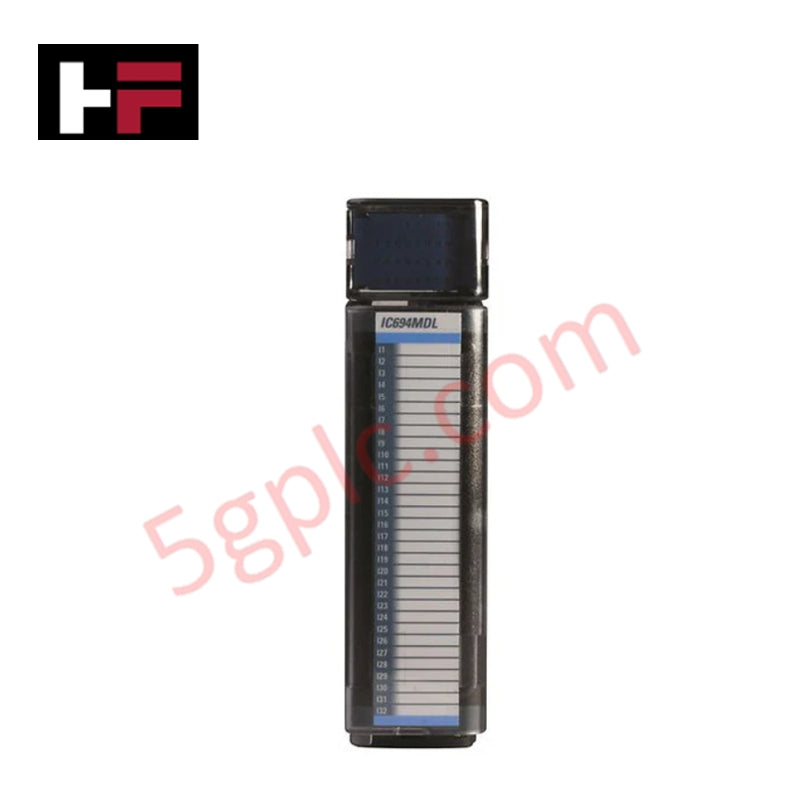
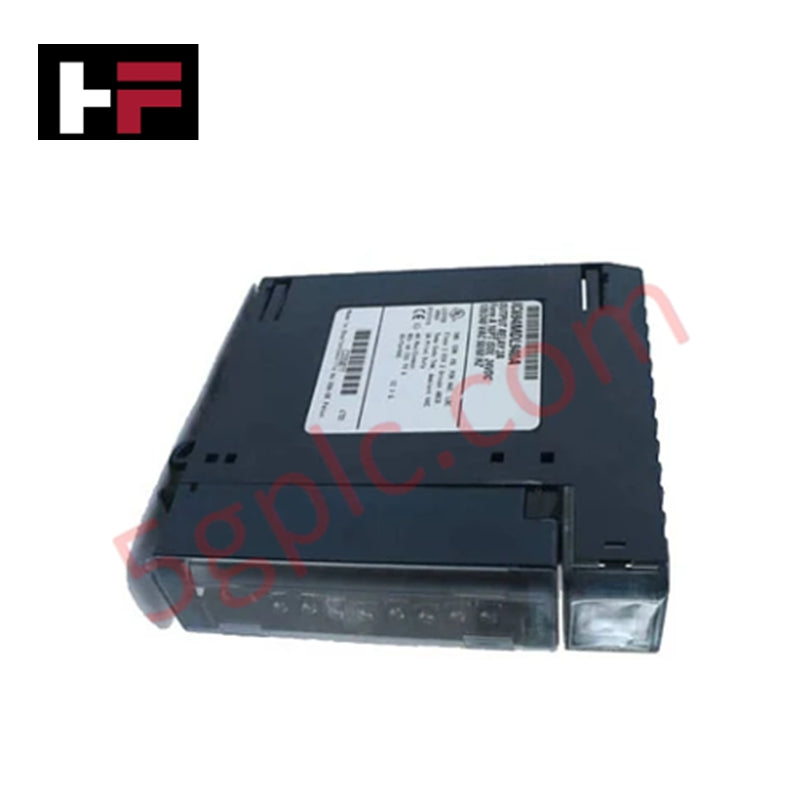
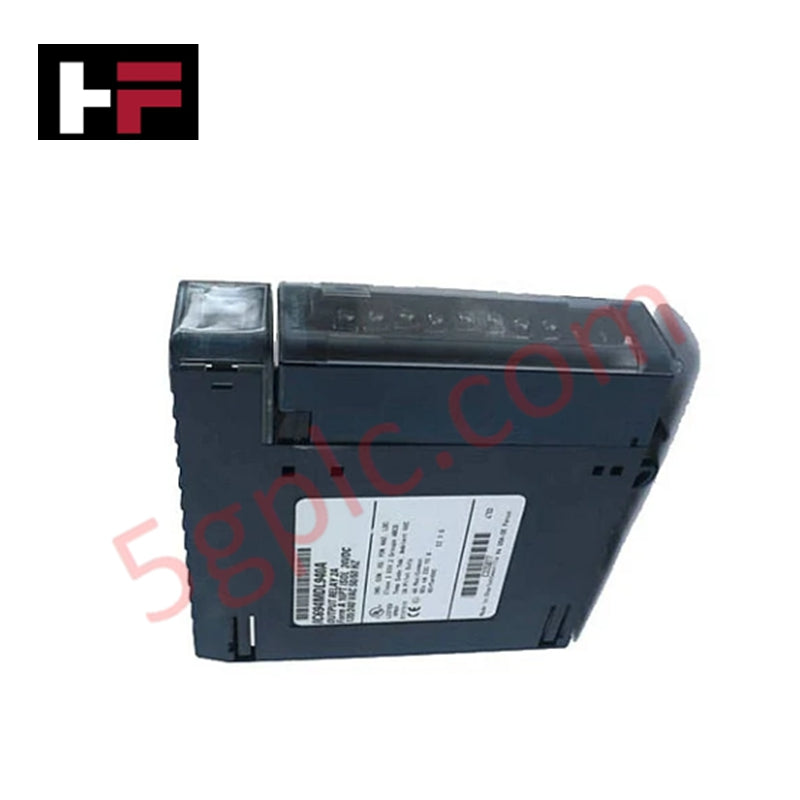
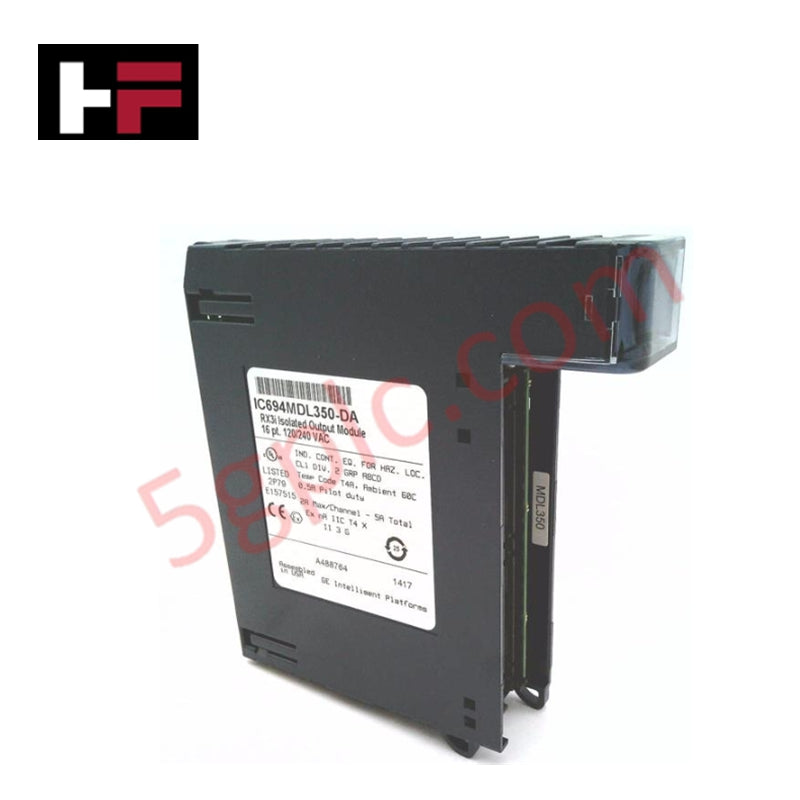
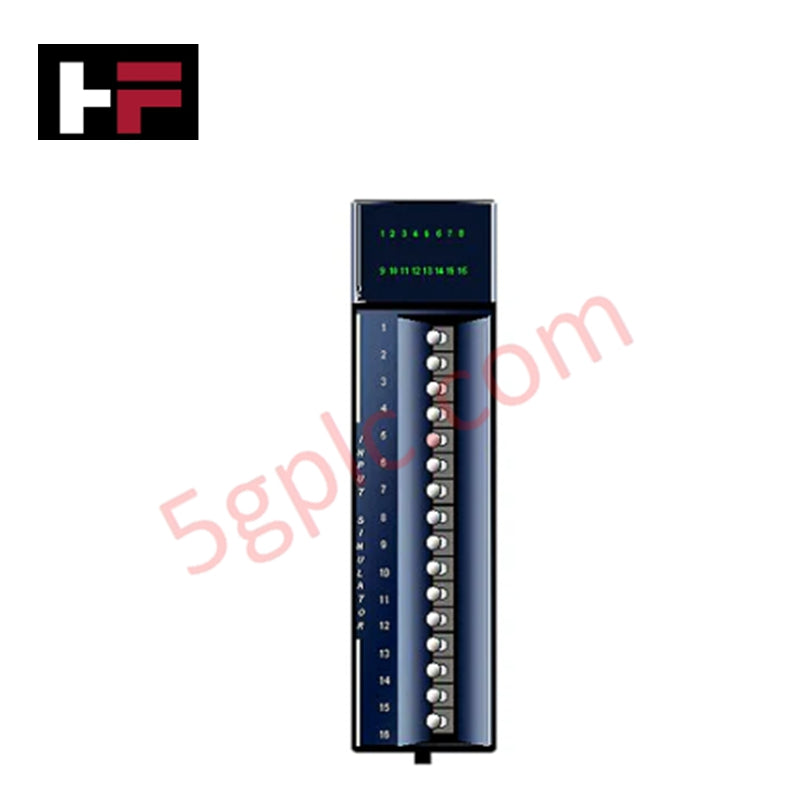
The IC694MDL240 is a high-density discrete input module designed for the PACSystems RX3i platform, providing sixteen isolated sensing points for 120VAC applications. This module acts as a critical interface between field-level AC devices—such as limit switches, pushbuttons, and selector switches—and the RX3i control logic. Engineered for industrial resilience, it features an integrated 20-screw terminal block for secure field wiring and operates effectively across any RX3i backplane slot without hardware restrictions.
Detailed Hardware Specifications
The following technical parameters define the electrical and operational boundaries of the IC694MDL240 (Part Number: IC694MDL240).
-
Input Rated Voltage: 120 Volts AC
-
Input Voltage Range: 0 to 132 Volts AC (50/60 Hz)
-
Number of Input Channels: 16 Points
-
Common Circuitry: 16 points sharing a single common (1 group)
-
On-state Voltage Requirement: 74 to 132 Volts AC
-
Off-state Voltage Threshold: 0 to 20 Volts AC
-
Input Current Consumption: 12 mA (nominal) at 120VAC
-
Backplane Power Draw: 90 mA at 5 VDC
-
Input Filter Response Time: 30ms (typical) On-delay; 45ms (typical) Off-delay
-
Isolation: 1500V RMS between field-side and logic-side
-
Terminal Connector: Removable 20-point terminal block included
Application Compatibility and Installation
The IC694MDL240 is optimized for standard 120V AC control circuits. While the module provides robust noise rejection through its 30ms/45ms response filtering, engineers should account for these delays when programming high-speed logic sequences. This module is functionally equivalent to the earlier Series 90-30 IC693MDL240, ensuring a smooth migration path for legacy system upgrades to the RX3i architecture.
Common Technical Inquiries
Does the IC694MDL240 support DC input signals?No, this module is specifically designed for AC reactive circuits. Applying DC voltage may result in unreliable triggering or failure of the input to reset due to the internal zero-crossing detection logic.
Can I use this module in a remote expansion rack?Yes, the IC694MDL240 is compatible with both local RX3i universal backplanes and serial/Ethernet expansion backplanes without any loss of functionality.
Comparison: IC694MDL240 vs. IC694MDL241
While the IC694MDL240 features 16 points on a single common, the IC694MDL241 is typically utilized for 240VAC applications. Choosing the IC694MDL240 is the preferred standard for North American 120V control systems requiring high-density point counts in a single slot.
Additional Information
- 100% Genuine Parts: All products are original and authentic, ensuring reliable industrial performance.
- 30-Day Refund Guarantee: Return any in-stock item within 30 days in original, unopened packaging for a full refund (excluding shipping and fees).
- 12-Month Warranty: Covers defects in materials or workmanship; excludes misuse, normal wear, or unauthorized modifications.
- Worldwide Shipping: We ship via USPS, UPS, FedEx, and DHL. Delivery times vary by country and may be subject to customs or import fees.
- Support & Contact: Technical and warranty assistance is available anytime. Contact us here: Contact.
- Purchase Guidance: Check product specifications and compatibility carefully before ordering to ensure proper application.





Tech & Buying Guide

Top 5 Operational Advantages of HMIs in Modern Factory Automation

Importance of Safety Barriers in PLC and DCS Control Systems
