










Product Details
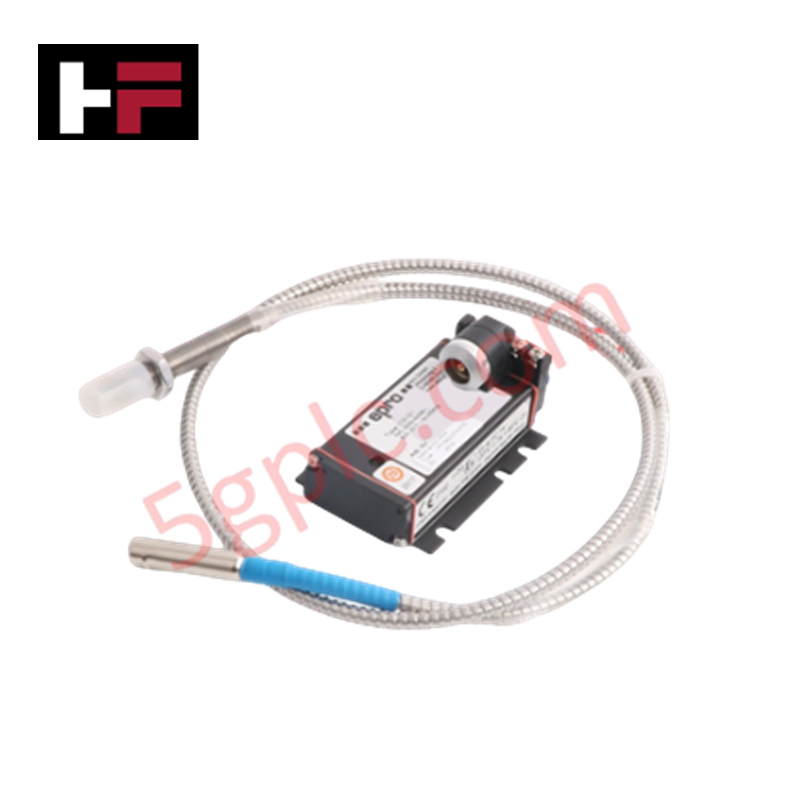
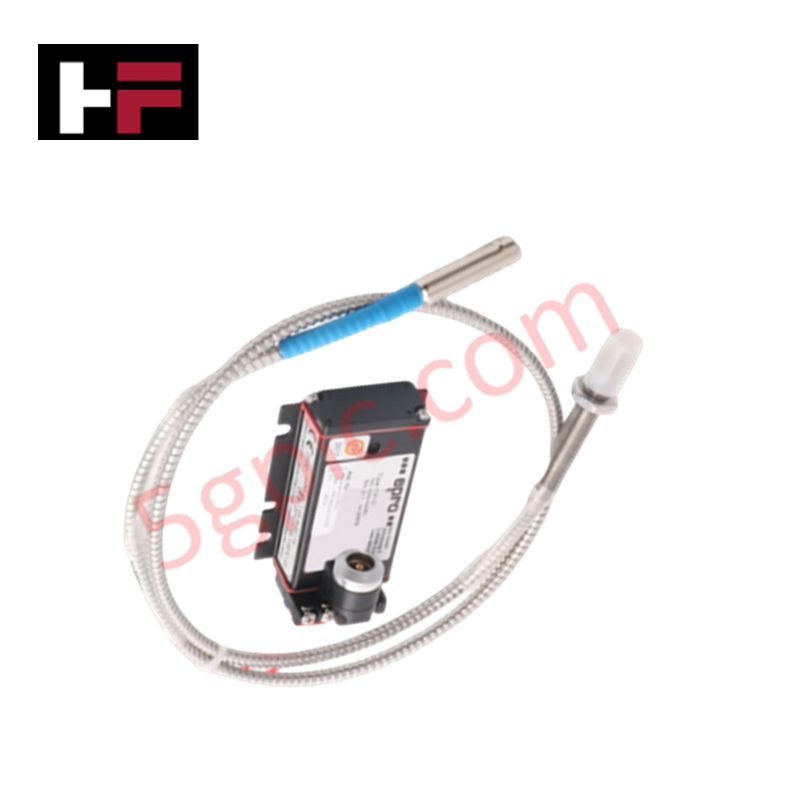
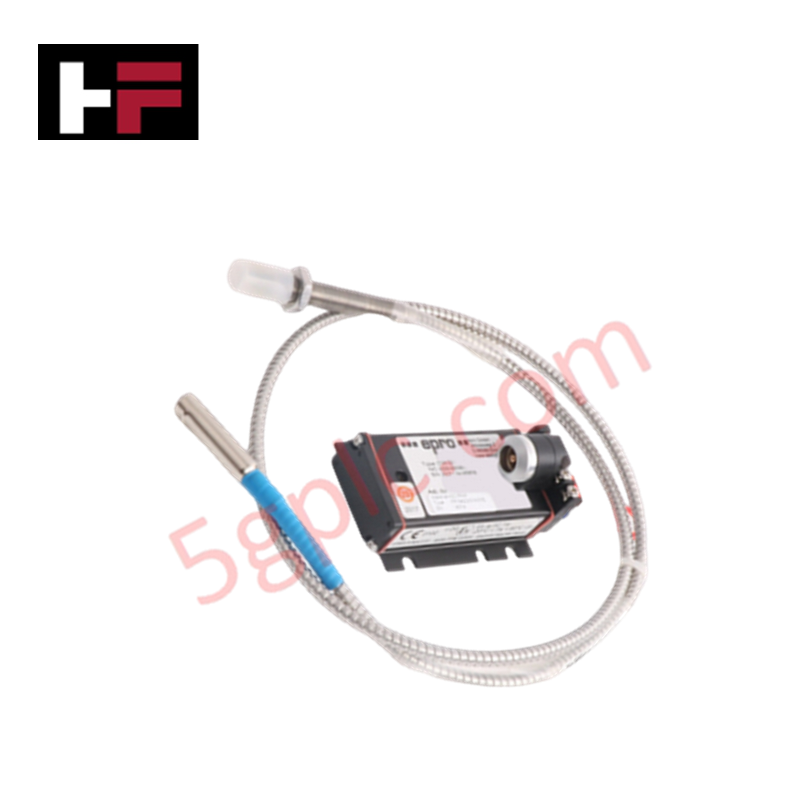
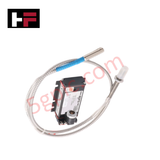
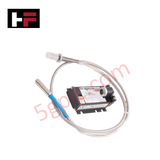
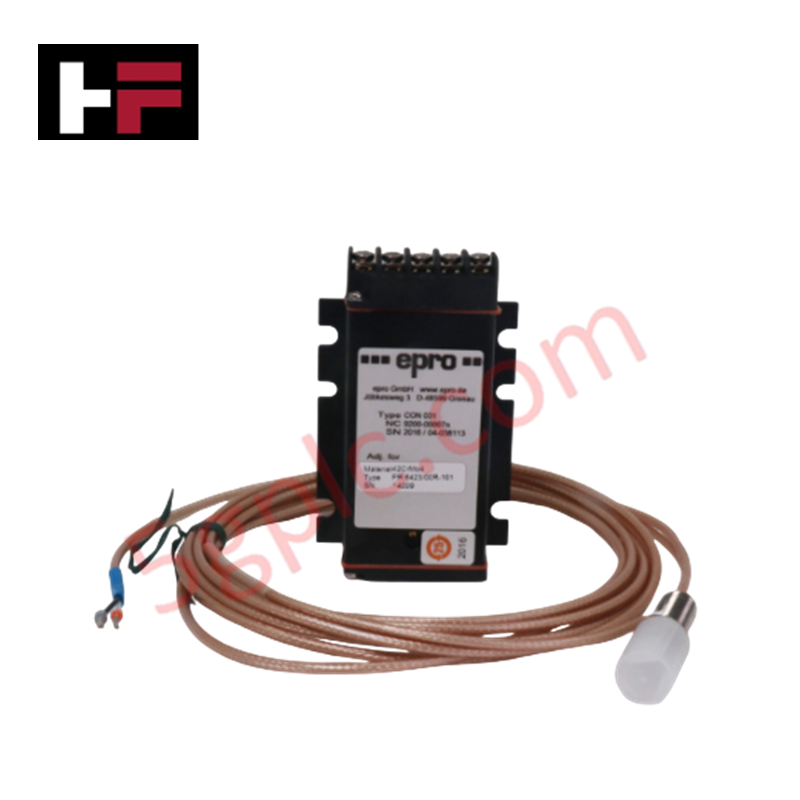
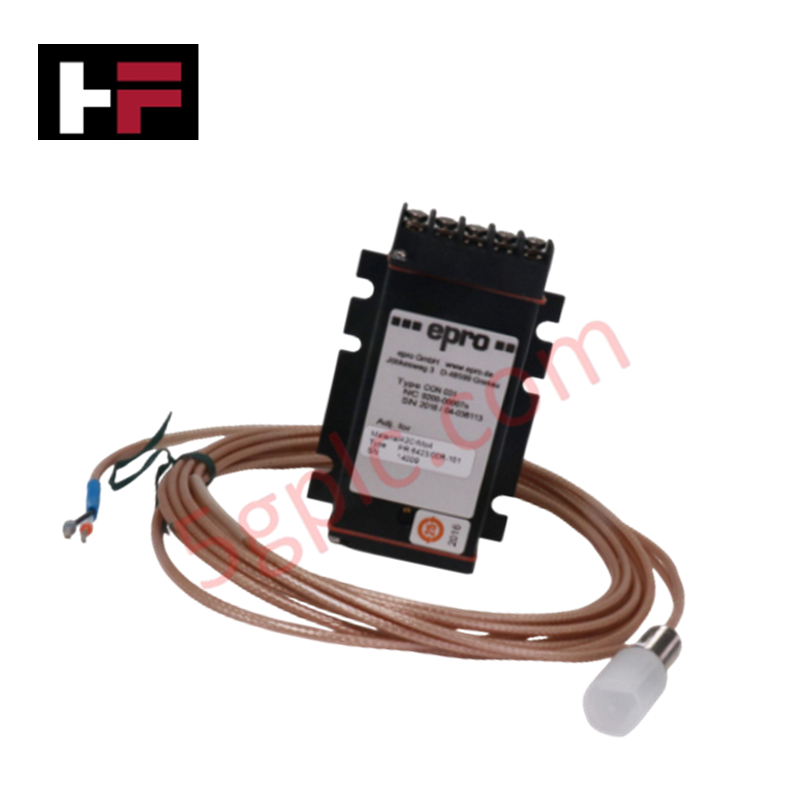
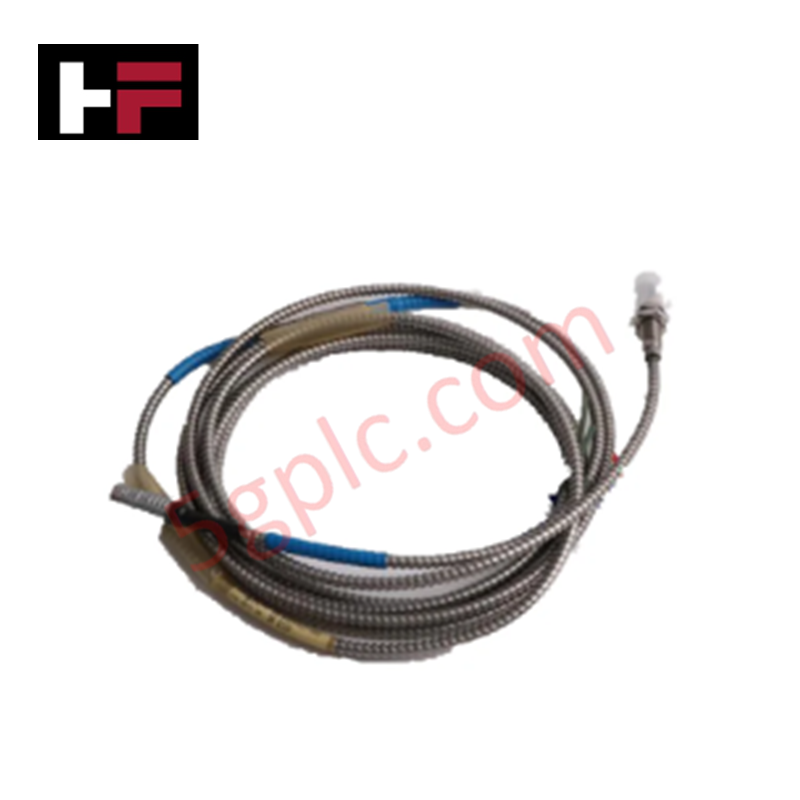
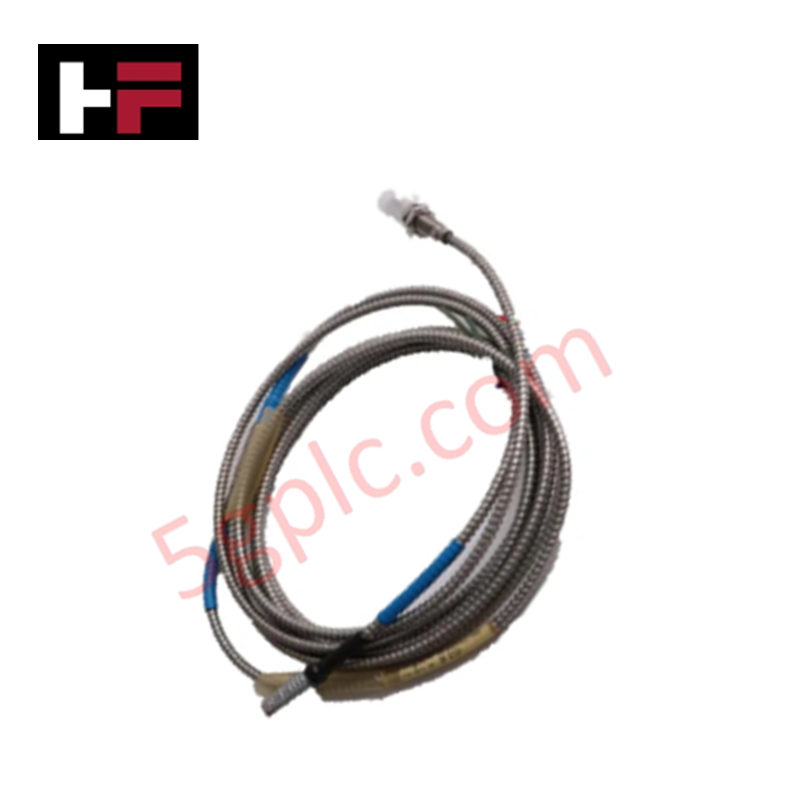
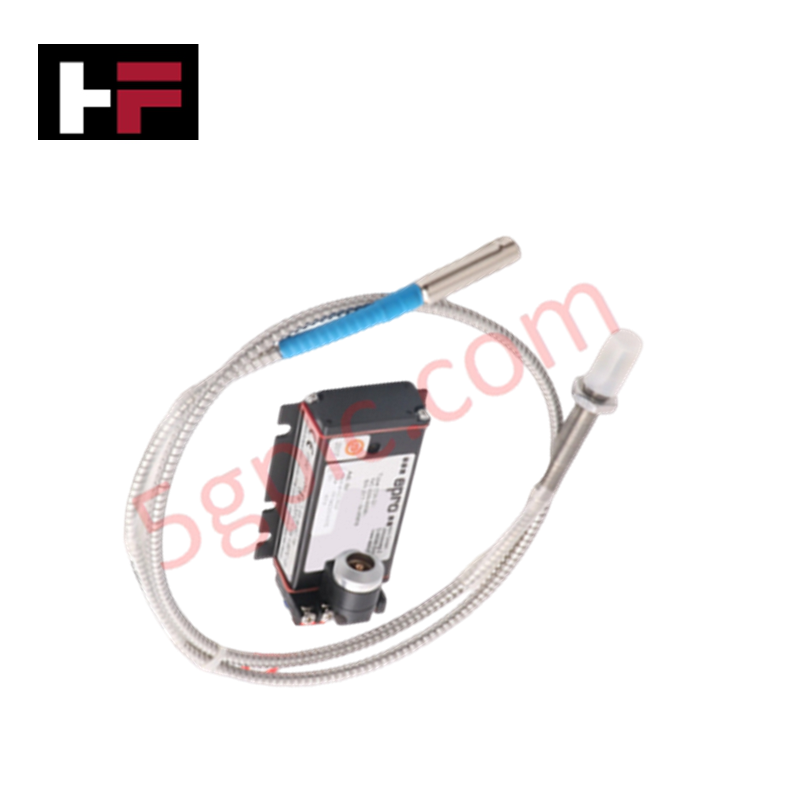
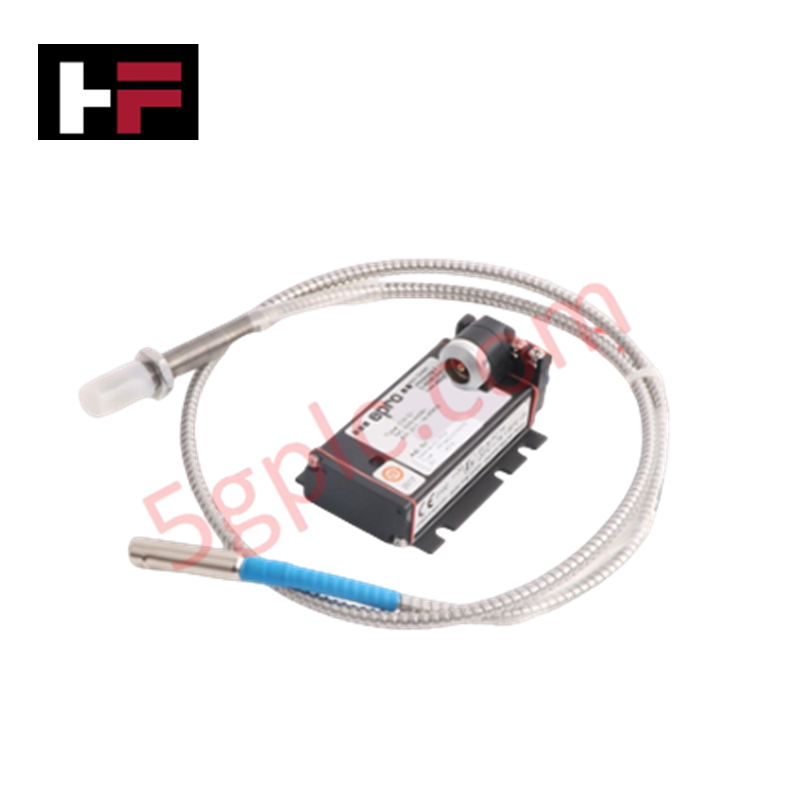
Configured for high-frequency shaft displacement acquisition in rotating machinery, the Emerson PR6423/000-001-CN (PR6423/000-001-CN) Eddy Current Sensor provides direct physical execution of dynamic and static signal conversion for axial and radial shaft monitoring.
Hardware Specifications
| Parameter | Specification |
|---|---|
| Model | PR6423/000-001-CN |
| Brand | Emerson |
| Origin | United States |
| Weight | 0.3 kg |
| Dimensions | 8.0 x 8.0 x 3.0 cm |
| Operating Temp | Standard Industrial Range |
| Power Consumption | Not Specified |
Mechanical Monitoring and TSI Integration
The system utilizes eddy-current induction to measure the clearance between the probe tip and a metallic rotor. Successful rotor dynamics analysis is dependent on accurate eddy-current probe scaling, ensuring the transducer voltage output remains linearly proportional to shaft displacement. During initial setup, users must perform gap voltage validation, targeting a -10 VDC center point to ensure the signal remains within the linear dynamic range of the probe. To maintain high-fidelity waveform capture, the system utilizes effective cross-talk suppression by ensuring that the coaxial signal paths are routed away from electromagnetic noise sources, preventing interference with the monitoring of shaft eccentricity and orbital vibration.
Frequently Asked Questions
Q: Is this sensor compatible with existing Epro CON-series signal converters?
A: Yes, the PR6423/000-001-CN is engineered to interface with standard Epro eddy current signal converters. Ensure the converter is calibrated for the specific impedance and sensitivity characteristic of the PR6423 probe series to maintain measurement accuracy.
Q: Can the cable length be adjusted during field installation?
A: No. The system is factory-calibrated as a matched set including the cable impedance. Modifying or splicing the cable will alter the system resonant frequency and sensitivity, leading to significant measurement errors in shaft position data.
Field Installation Guidelines
- Probe Mounting: Secure the sensor in a rigid, vibration-isolated bracket to ensure measured displacement is relative to the shaft and not the machine casing.
- Gap Adjustment: Utilize a calibrated feeler gauge to establish the nominal air gap. Verify the gap allows for full shaft thermal expansion and dynamic movement without mechanical contact.
- Grounding: Terminate cable shields at a dedicated instrument ground bus. Ensure the probe housing is properly isolated or grounded according to site instrumentation standards to mitigate common-mode noise.
- Environment: Protect the sensor and cable from direct fluid exposure. Ensure all connections are tightened to prevent ingress of conductive dust or moisture, which could cause drift in the signal reference.
Additional Information
- 100% Genuine Parts: All products are original and authentic, ensuring reliable industrial performance.
- 30-Day Refund Guarantee: Return any in-stock item within 30 days in original, unopened packaging for a full refund (excluding shipping and fees).
- 12-Month Warranty: Covers defects in materials or workmanship; excludes misuse, normal wear, or unauthorized modifications.
- Worldwide Shipping: We ship via USPS, UPS, FedEx, and DHL. Delivery times vary by country and may be subject to customs or import fees.
- Support & Contact: Technical and warranty assistance is available anytime. Contact us here: Contact.
- Purchase Guidance: Check product specifications and compatibility carefully before ordering to ensure proper application.




Tech & Buying Guide

Master Acceptance Testing: Understanding FAT and SAT in Industrial Control Systems
Factory Acceptance Testing (FAT) and Site Acceptance Testing (SAT) serve as critical quality assurance gateways in complex industrial control systems. Both procedures verify that programmable logic controllers (PLCs), distributed control systems (DCS), and associated field devices meet strict functional specifications. However, executing these tests effectively requires clear delineation between off-site staging and final field commissioning.

Industrial Networking Essentials: Demystifying Hubs, Switches, and Routers in Control Systems
Industrial automation relies heavily on robust networking infrastructure to connect programmable logic controllers (PLCs), distributed control systems (DCS), and human-machine interfaces (HMIs). Modern factory automation environments generate vast amounts of real-time operational data across deterministic networks. Understanding the structural differences between hubs, switches, and routers ensures optimal traffic segmentation, minimizes latency, and maintains high network availability.

Safety Relays in Industrial Automation: Fundamentals, Design Standards, and Fail-Safe Architecture
Safety relays form the bedrock of functional safety in modern factory automation, preventing catastrophic equipment failure and protecting plant personnel. While standard electromechanical relays handle basic load switching, they lack the redundant diagnostics required for high-risk industrial environments. Modern industrial automation platforms—including programmable logic controllers (PLCs) and distributed control systems (DCS)—rely on specialized safety relays to monitor field devices and isolate hazards instantly.