










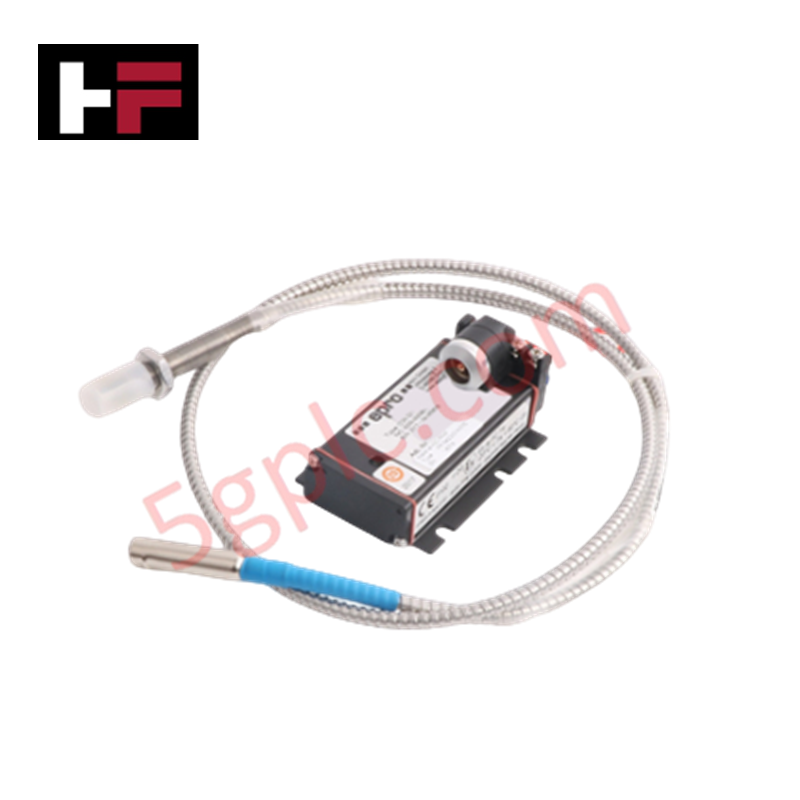


Product Details
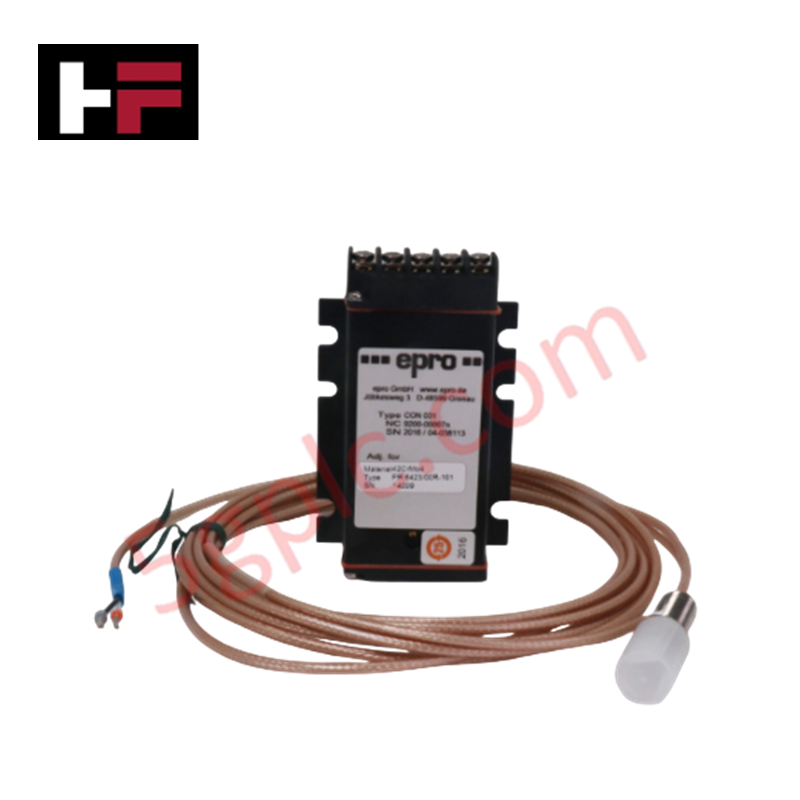
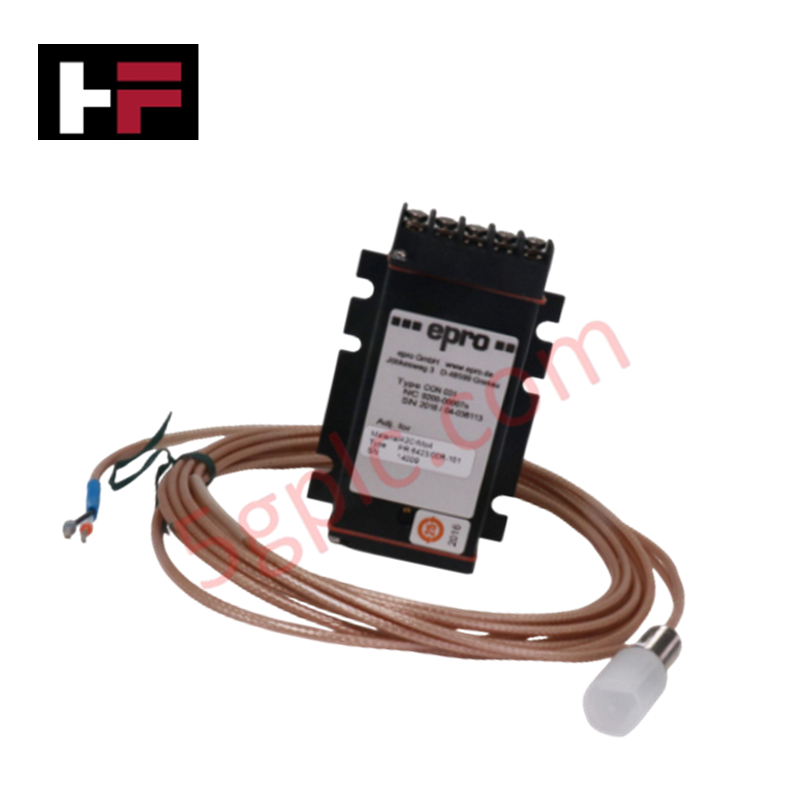
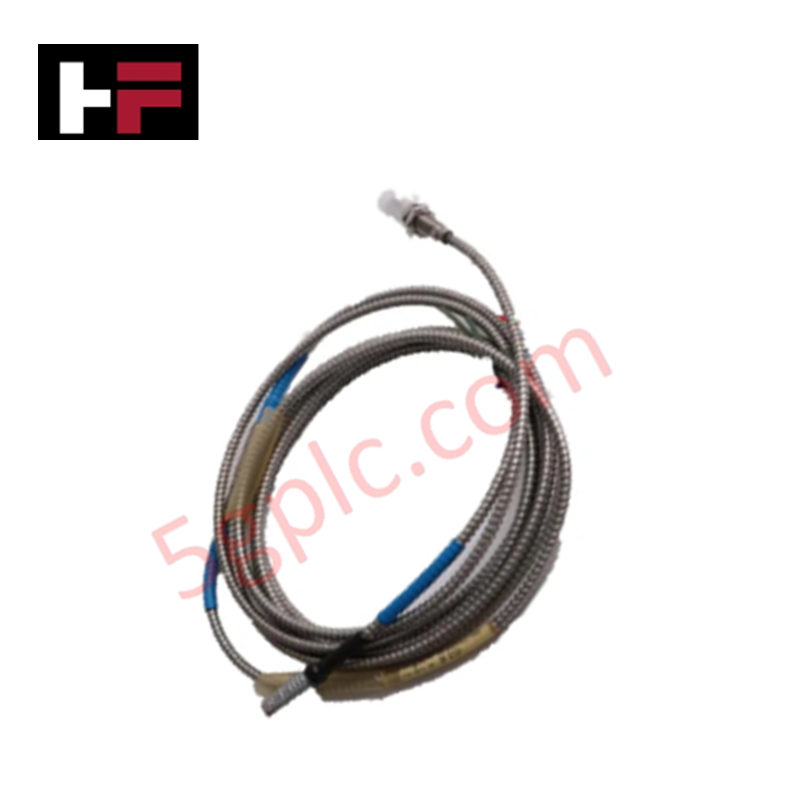
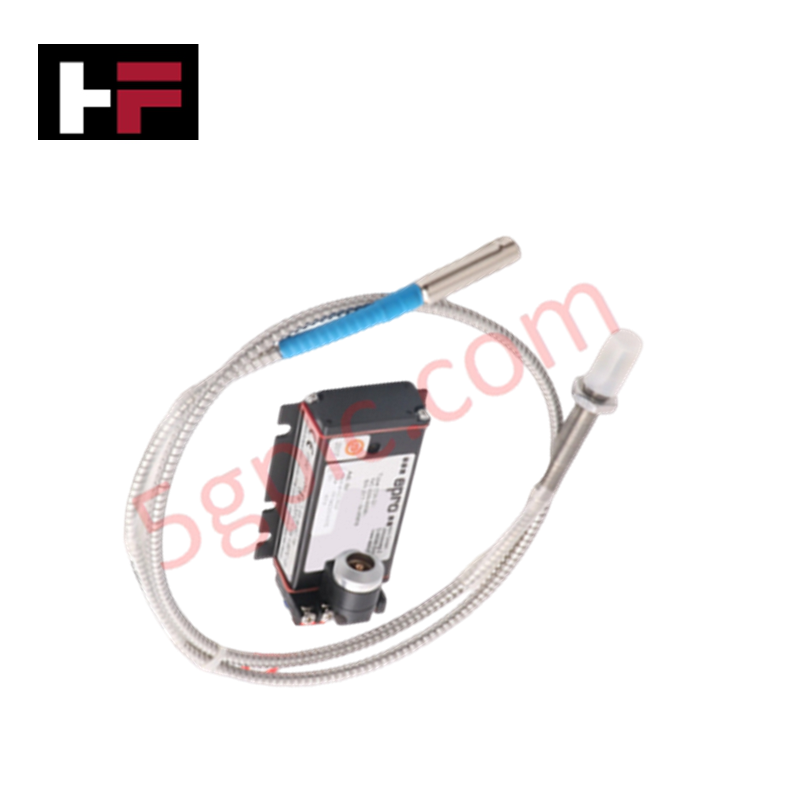
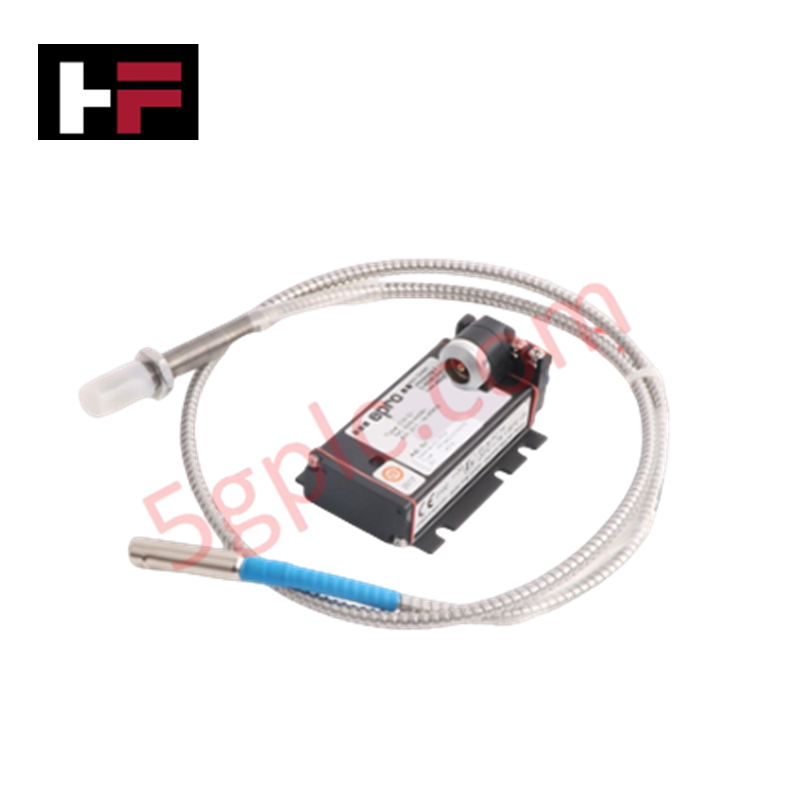
The Emerson CON021+PR6423/10R-010-CN, also cataloged as the CON021+PR6423/10R-010-CN Eddy Current Sensor, operates as a dedicated hardware component for non-contact shaft vibration and dynamic displacement measurement within DCS and AMS 6500 Classic System platforms. The assembly combines an 8 mm probe tip configuration with signal conditioning circuitry to execute continuous real-time mechanical monitoring on rotating machinery shafts.
Hardware Specifications
| Parameter | Specification |
|---|---|
| Model | CON021+PR6423/10R-010-CN |
| Brand | Emerson |
| Origin | USA |
| Weight | 0.24 kg |
| Dimensions | 24.5 cm x 17 cm x 4 cm |
| Operating Temp | Extended industrial range |
| Power Consumption | Loop-powered via transmitter / monitoring module |
| Series | EPRO |
| Sensor Type | Non-contact eddy current proximity sensor |
| Probe Tip Diameter | 8 mm |
| System Compatibility | DCS, AMS 6500 Classic System |
| Data Interface | Ethernet router communication support |
| Mechanical Housing | Oil-resistant, high-temperature industrial casing |
Bently Nevada / VIBRO-METER Technical Characteristics
The non-contact measurement system relies on calibrated eddy-current probe scaling to convert physical gap variations into proportional electrical signals. Prior to commissioning, engineers conduct gap voltage validation targeting -10 VDC at the mechanical center of the probe linear range to ensure symmetrical peak-to-peak amplitude measurement. This calibrated voltage offset allows the transmitter to capture high-frequency rotor dynamics, including relative shaft vibration, thermal expansion growth, and radial position shifts. Differential driver architecture provides cross-talk suppression between adjacent probe channels mounted in close physical proximity on turbine bearing housings.
Frequently Asked Questions
Q: How is the physical gap voltage validated during mechanical installation of the PR6423/10R-010-CN probe?
A: With the target shaft stationary, adjust the probe thread depth until the DC voltage output at the CON021 signal conditioner measures -10 VDC, confirming the sensor is set at the center of its linear operating range.
Q: What precautions prevent cross-talk when mounting multiple eddy current probes in the same bearing housing?
A: Maintain the minimum recommended spatial separation between probe tips and ensure probe cables are routed in separate grounded metallic conduits to prevent electromagnetic signal cross-talk suppression failures.
Q: Does the CON021 converter require field calibration when changing the extension cable length?
A: Yes, total system length (probe, extension cable, and converter) must match the factory calibration curve to prevent errors in the eddy-current probe scaling output.
Field Installation Guidelines
- Inspect the target shaft surface to ensure it is clean and free of magnetic runout, scratches, or deep machining marks.
- Thread the 8 mm probe into the bearing housing mounting bracket until the probe tip approaches the target shaft face.
- Connect a digital multimeter to the signal conditioner monitor output terminals to measure the static DC gap voltage.
- Adjust the mechanical positioning of the probe until the multimeter reads the calibrated -10 VDC target setting, then tighten the external locknut.
- Connect extension cabling using the armor sleeve connectors and isolate the coaxial shield from machine ground at the probe end.
- Route signal wiring through dedicated instrument trays to the DCS or AMS 6500 monitoring rack, terminating shields at the single-point cabinet ground bar.
Additional Information
- 100% Genuine Parts: All products are original and authentic, ensuring reliable industrial performance.
- 30-Day Refund Guarantee: Return any in-stock item within 30 days in original, unopened packaging for a full refund (excluding shipping and fees).
- 12-Month Warranty: Covers defects in materials or workmanship; excludes misuse, normal wear, or unauthorized modifications.
- Worldwide Shipping: We ship via USPS, UPS, FedEx, and DHL. Delivery times vary by country and may be subject to customs or import fees.
- Support & Contact: Technical and warranty assistance is available anytime. Contact us here: Contact.
- Purchase Guidance: Check product specifications and compatibility carefully before ordering to ensure proper application.




Tech & Buying Guide

Safety Relays in Industrial Automation: Fundamentals, Design Standards, and Fail-Safe Architecture
Safety relays form the bedrock of functional safety in modern factory automation, preventing catastrophic equipment failure and protecting plant personnel. While standard electromechanical relays handle basic load switching, they lack the redundant diagnostics required for high-risk industrial environments. Modern industrial automation platforms—including programmable logic controllers (PLCs) and distributed control systems (DCS)—rely on specialized safety relays to monitor field devices and isolate hazards instantly.

Voice-Activated Industrial Automation: Integrating Speech Control into PLC and DCS Architectures
Industrial automation integrates speech recognition, IIoT protocols, and NLP with PLCs and DCS to streamline operations. By leveraging advanced edge computing, engineers enable real-time, hands-free control—allowing personnel to manage smart factory processes safely away from hazardous equipment.
Modern Industrial Automation: Transforming Safety and Efficiency in Mining Operations
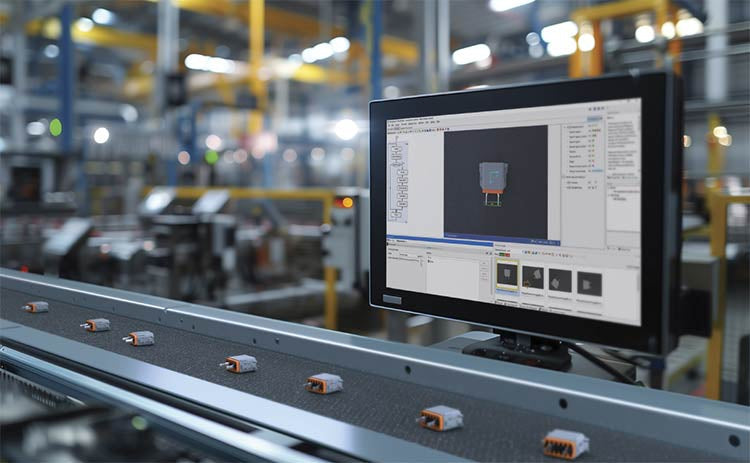
Industrial automation has evolved from a simple manufacturing tool into the operational backbone of high-risk sectors. Modern mining operations increasingly rely on advanced control systems, programmable logic controllers (PLCs), distributed control systems (DCS), and artificial intelligence to address deep-underground hazards. By replacing manual labor in high-risk zones, factory automation technologies protect personnel while significantly boosting operational throughput.