












Product Details
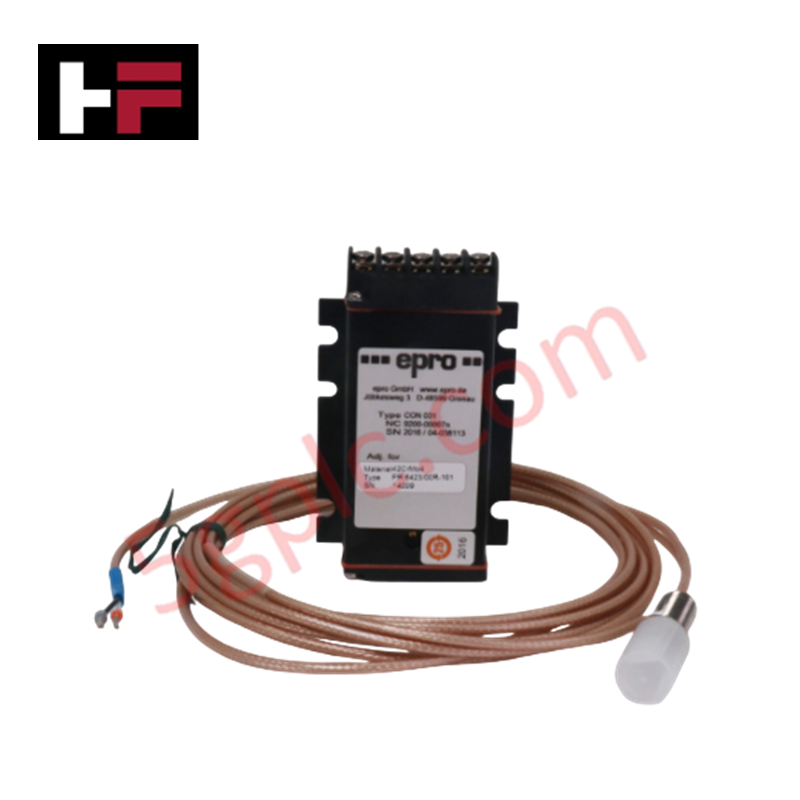
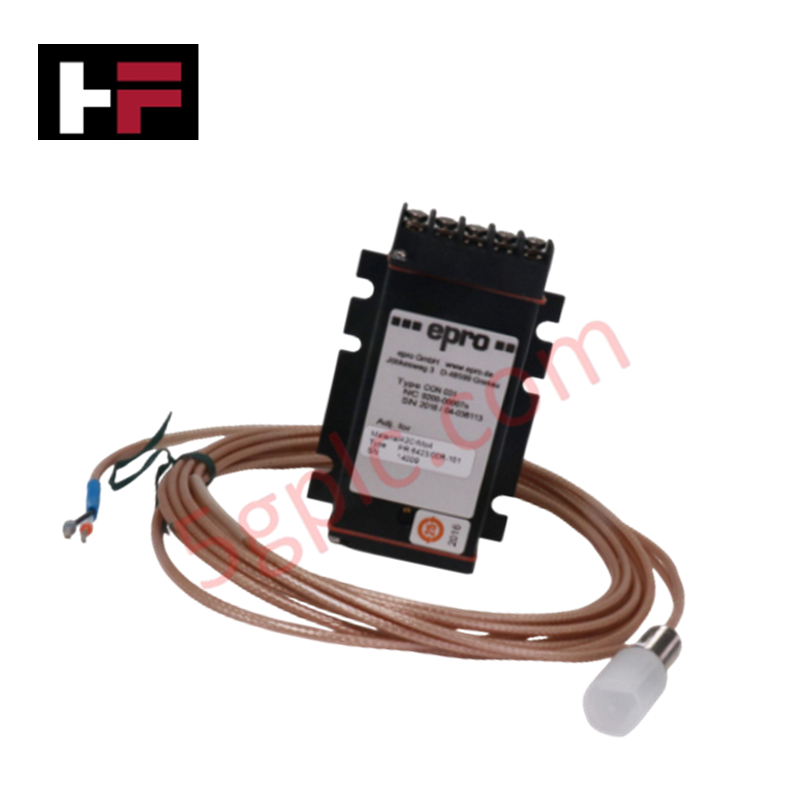
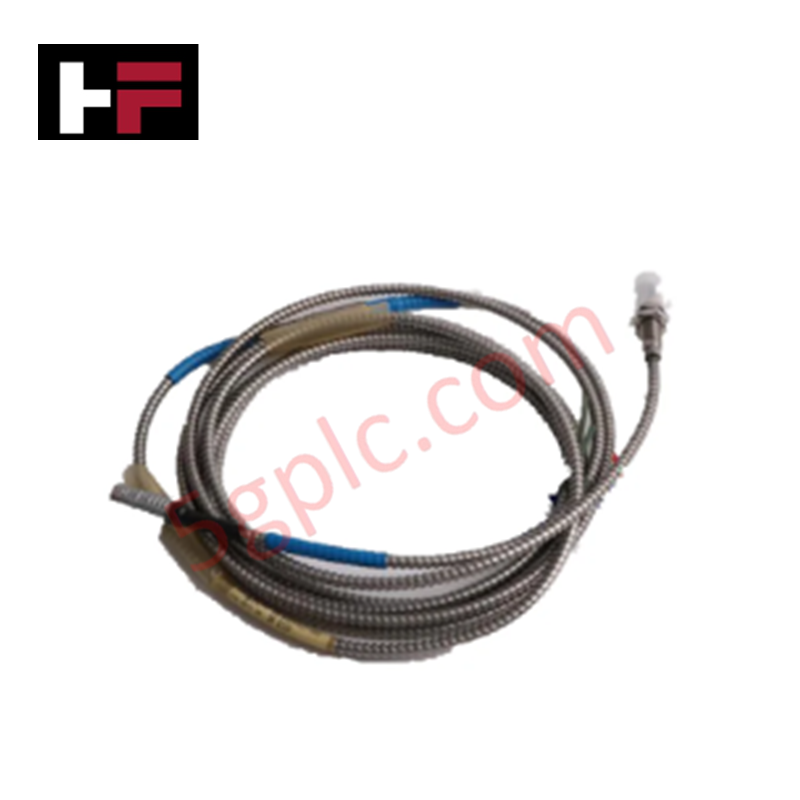
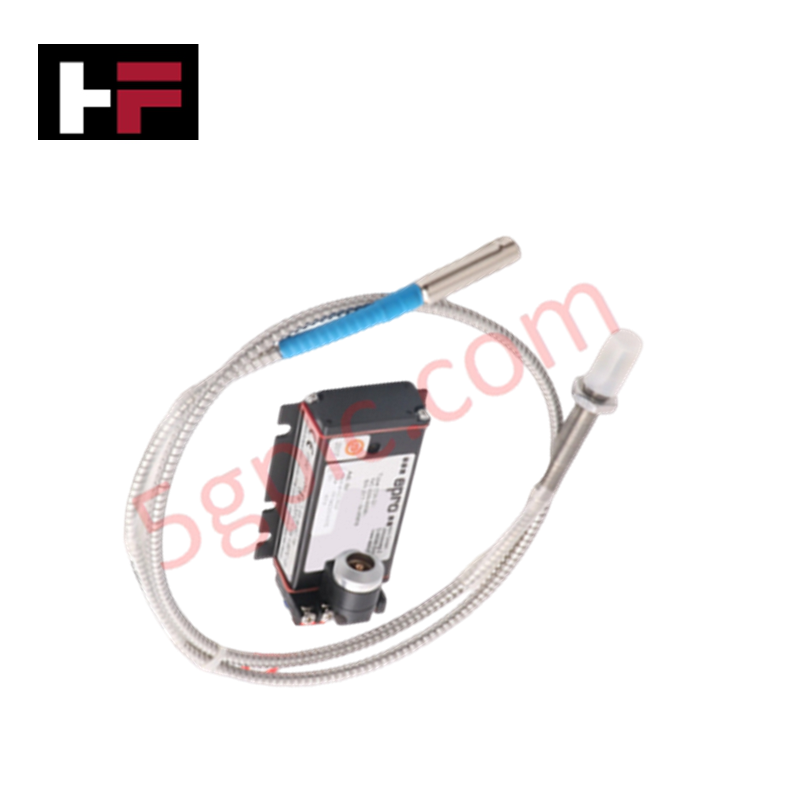
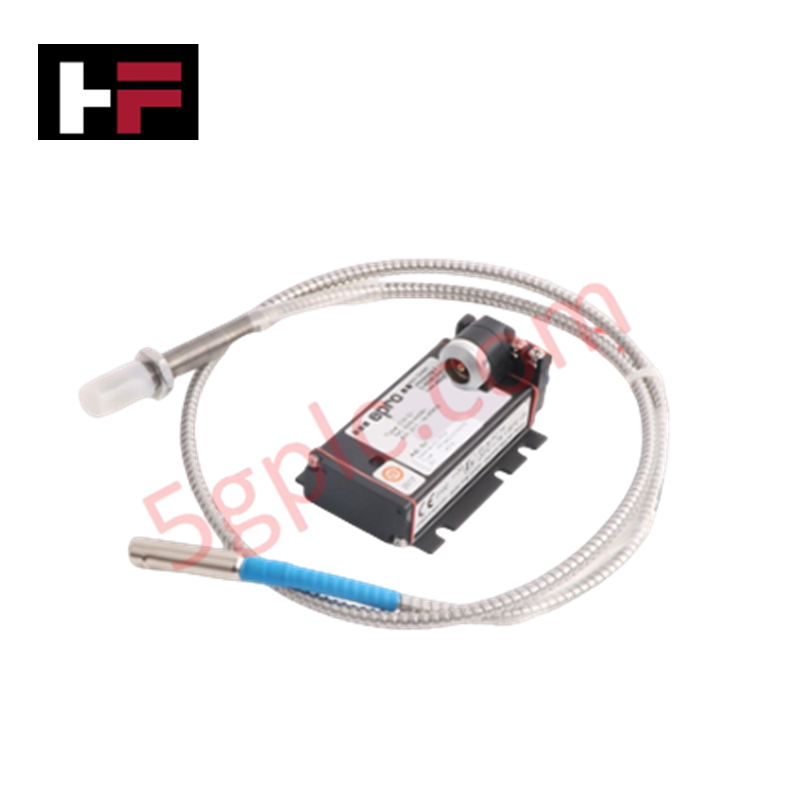
Configured for non-contacting shaft displacement tracking in turbomachinery protection systems, the Emerson CON021+PR6424/003-010 (CON021+PR6424/003-010 Proximity Sensors) provides direct physical/electrical execution. The paired assembly maps physical micro-displacements directly into linear voltage output variations, routing dynamic vibration signals to downstream machinery monitoring instrumentation.
Hardware Specifications
| Parameter | Specification |
|---|---|
| Model | CON021+PR6424/003-010 |
| Brand | Emerson |
| Origin | Germany |
| Weight | 0.58 kg |
| Dimensions | 24 cm x 23 cm x 4 cm |
| Operating Temp | Sensor: -35 to +150 deg C, Converter: -30 to +100 deg C |
| Power Consumption | System loop powered via negative supply rail |
| Input Voltage Range | -23 V to -32 V DC primary supply input |
| Output Voltage Range | -4 V to -20 V DC standard operational range |
| Measurement Range | +/- 2.0 mm dynamic displacement span |
| Nominal Sensitivity | 4 V/mm (101.6 mV/mil) |
| Frequency Range | 0 to 20000 Hz continuous tracking (-3 dB attenuation point) |
| Signal Response Time | Less than 15 us transient step delay |
| Pressure Resistance | Up to 10000 hPa (145 psi) at the sensor head |
| Target Material Profile | Ferromagnetic steel |
| Protection Class | IP20 certified converter chassis |
| Hazardous Certifications | ATEX, IEC-Ex, CSA certified for hazardous area deployments |
4-20 mA HART Loop Protocol and Channel Isolation
The CON021 signal converter provides channel-to-channel isolation across monitoring channels to prevent ground potential loops from degrading high-frequency signal integrity. When deployed in process monitoring environments incorporating 4-20 mA HART loop protocol networks and FOUNDATION Fieldbus segments, the analog measurement loop remains decoupled from switching noise and transient line interference. Integrated temperature stabilization maintains cold junction compensation reference integrity and precise output scaling over the entire operating temperature span.
Frequently Asked Questions
Q: What specific hardware behaviors manifest if a field wire becomes disconnected from the CON021 converter terminal block?
A: An open circuit on the sensor loop breaks the primary inductive bridge, causing the internal conditioning circuit to drive the output voltage to its maximum negative rail limit and trigger a channel fault alert on the host monitoring system.
Q: Can the PR6424/003-010 sensor head withstand high-pressure fluids if deployed directly inside a gearbox enclosure?
A: Yes, the sensor head features structural sealing that provides mechanical pressure resistance up to 10000 hPa (145 psi) to prevent fluid ingress into the internal coil assembly.
Q: What is the target static gap voltage for initial physical installation alignment?
A: Mechanical alignment is typically adjusted until the static gap voltage output measures -10 VDC, positioning the probe tip at the center of its linear dynamic range.
Field Installation Guidelines
- Mount the PR6424 probe securely into the bearing housing thread adapter, maintaining perpendicular alignment with the target shaft.
- Adjust mechanical insertion depth using a feeler gauge or by monitoring the static gap voltage until the converter output reads -10 VDC.
- Lock the probe body into position using the external retaining locknut, ensuring torque limits do not deform the mounting sleeve.
- Mount the CON021 converter on a standard DIN rail inside an IP-rated enclosure, respecting ambient temperature limits of -30 to +100 deg C.
- Connect extension cable shields to dedicated isolation terminals, ensuring cable shields are grounded at the monitoring cabinet end only.
- Verify primary supply voltage (-23 V to -32 V DC) at the converter power terminals prior to commissioning the monitoring channel.
Additional Information
- 100% Genuine Parts: All products are original and authentic, ensuring reliable industrial performance.
- 30-Day Refund Guarantee: Return any in-stock item within 30 days in original, unopened packaging for a full refund (excluding shipping and fees).
- 12-Month Warranty: Covers defects in materials or workmanship; excludes misuse, normal wear, or unauthorized modifications.
- Worldwide Shipping: We ship via USPS, UPS, FedEx, and DHL. Delivery times vary by country and may be subject to customs or import fees.
- Support & Contact: Technical and warranty assistance is available anytime. Contact us here: Contact.
- Purchase Guidance: Check product specifications and compatibility carefully before ordering to ensure proper application.




Tech & Buying Guide
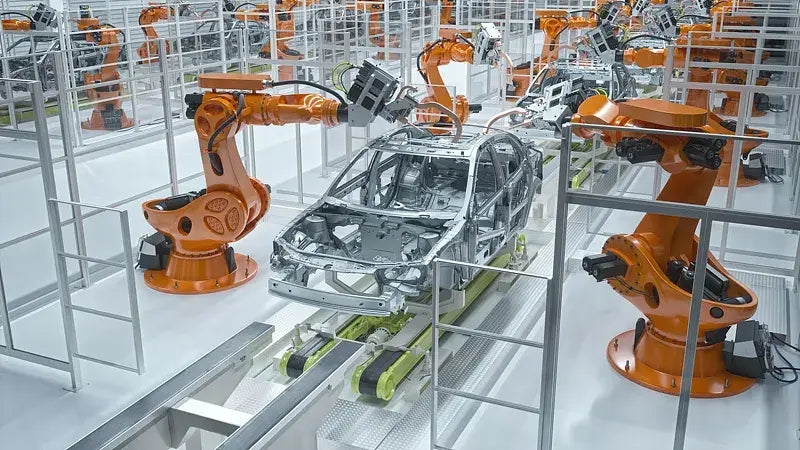
Safety Relays in Industrial Automation: Fundamentals, Design Standards, and Fail-Safe Architecture
Safety relays form the bedrock of functional safety in modern factory automation, preventing catastrophic equipment failure and protecting plant personnel. While standard electromechanical relays handle basic load switching, they lack the redundant diagnostics required for high-risk industrial environments. Modern industrial automation platforms—including programmable logic controllers (PLCs) and distributed control systems (DCS)—rely on specialized safety relays to monitor field devices and isolate hazards instantly.

Voice-Activated Industrial Automation: Integrating Speech Control into PLC and DCS Architectures
Industrial automation integrates speech recognition, IIoT protocols, and NLP with PLCs and DCS to streamline operations. By leveraging advanced edge computing, engineers enable real-time, hands-free control—allowing personnel to manage smart factory processes safely away from hazardous equipment.
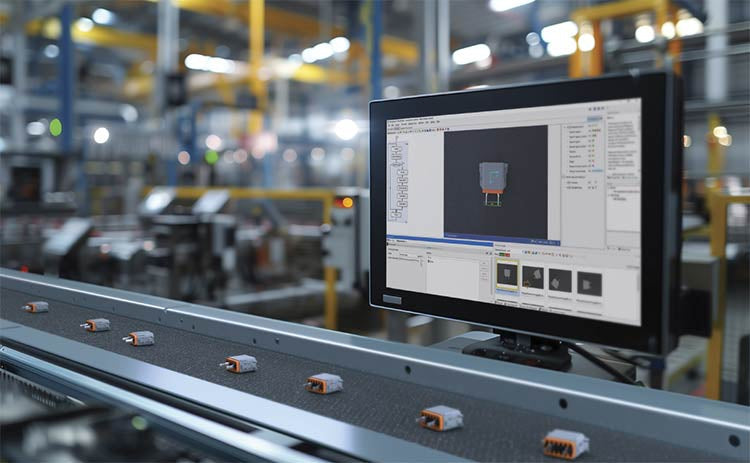
Modern Industrial Automation: Transforming Safety and Efficiency in Mining Operations
Industrial automation has evolved from a simple manufacturing tool into the operational backbone of high-risk sectors. Modern mining operations increasingly rely on advanced control systems, programmable logic controllers (PLCs), distributed control systems (DCS), and artificial intelligence to address deep-underground hazards. By replacing manual labor in high-risk zones, factory automation technologies protect personnel while significantly boosting operational throughput.