










Product Details
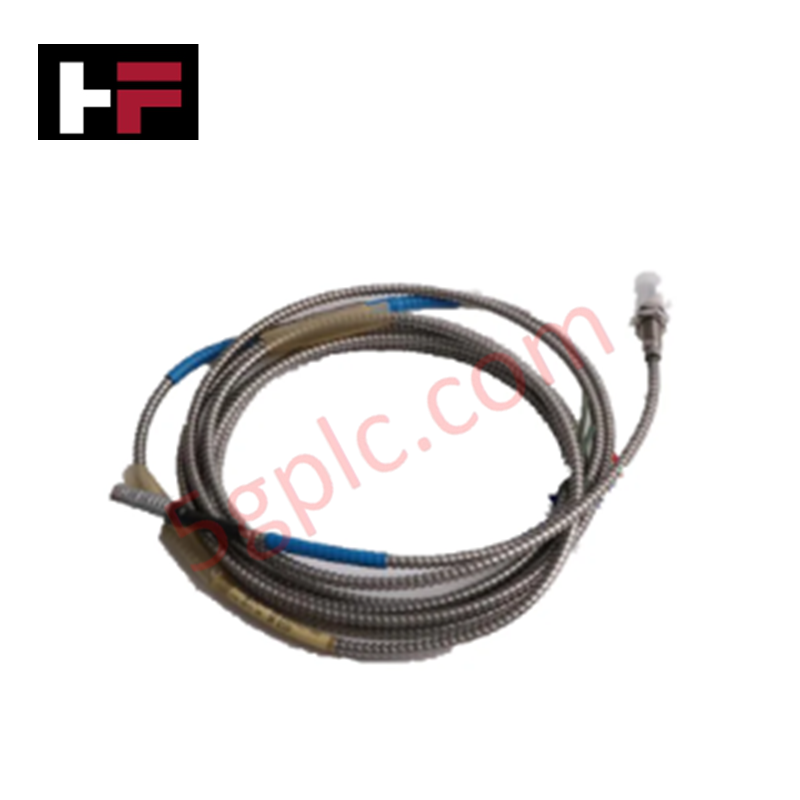
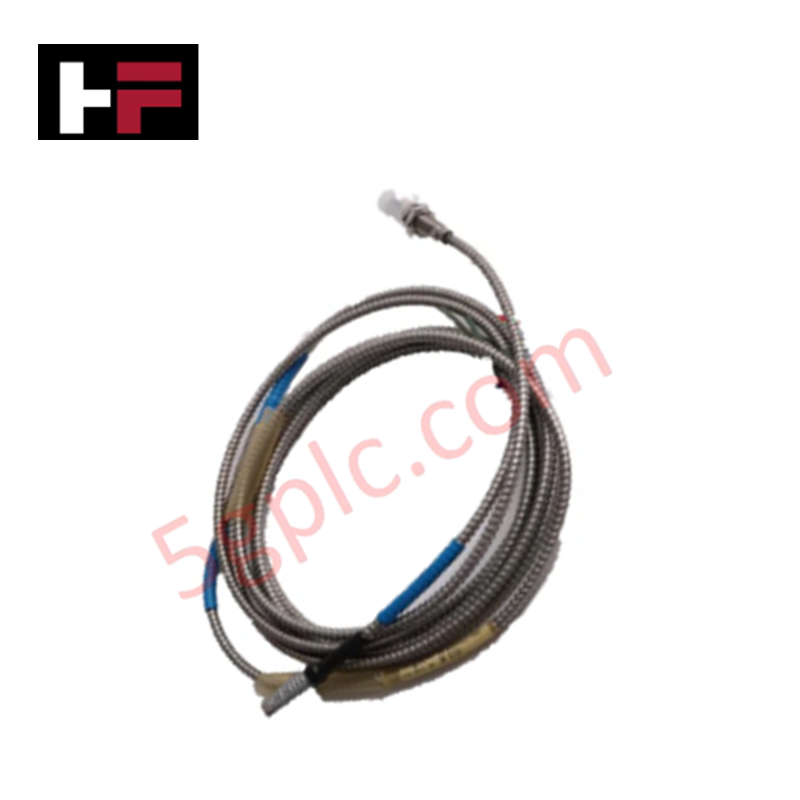
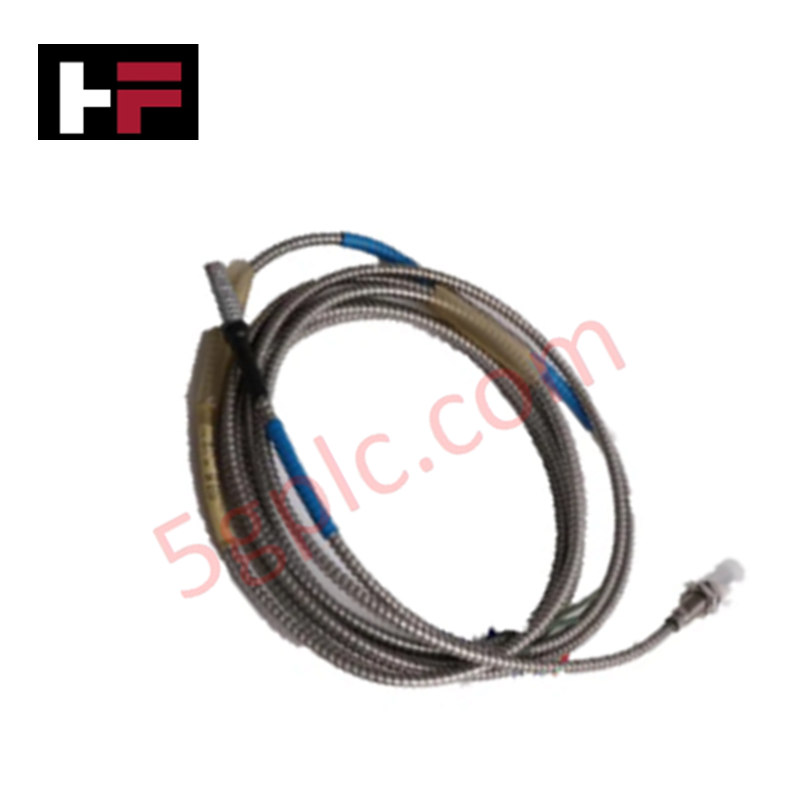
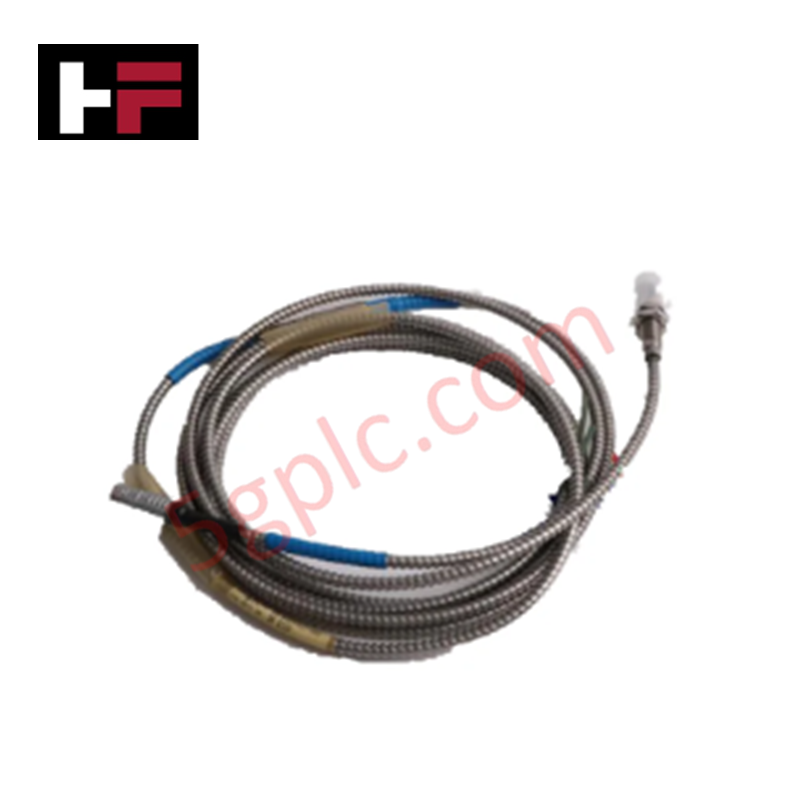
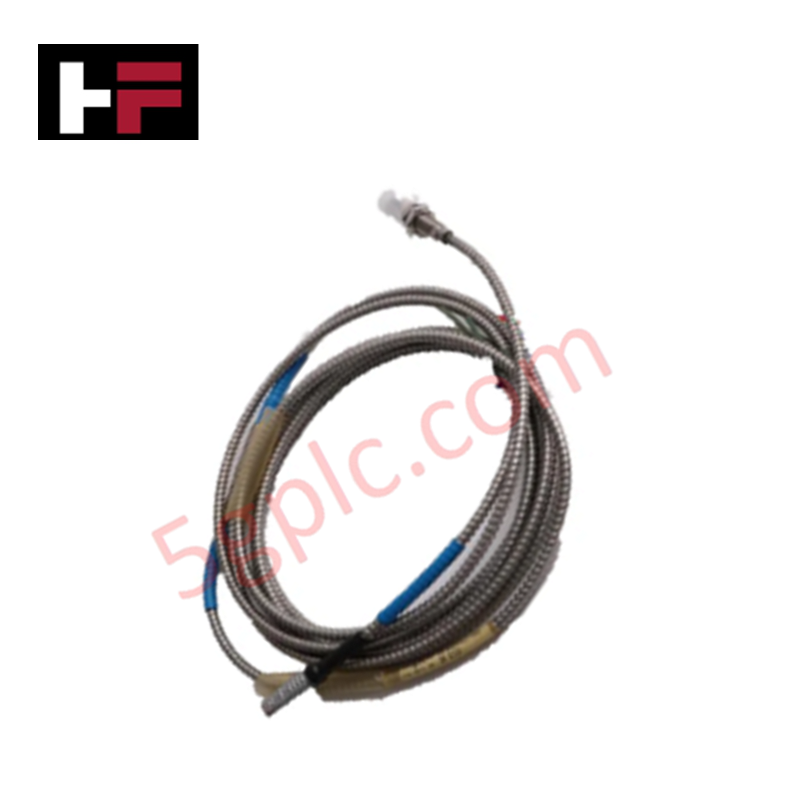
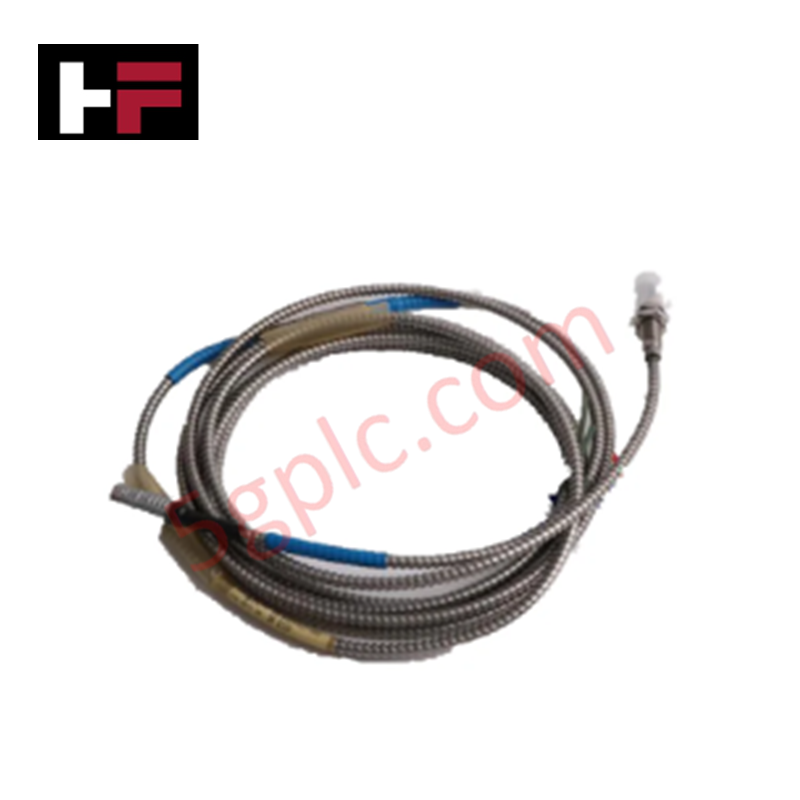
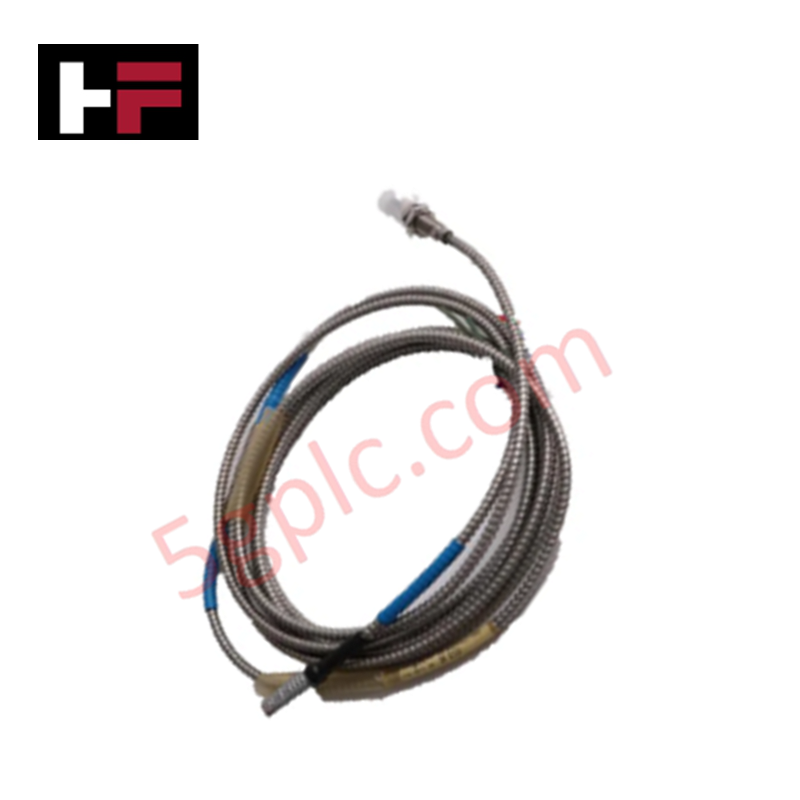
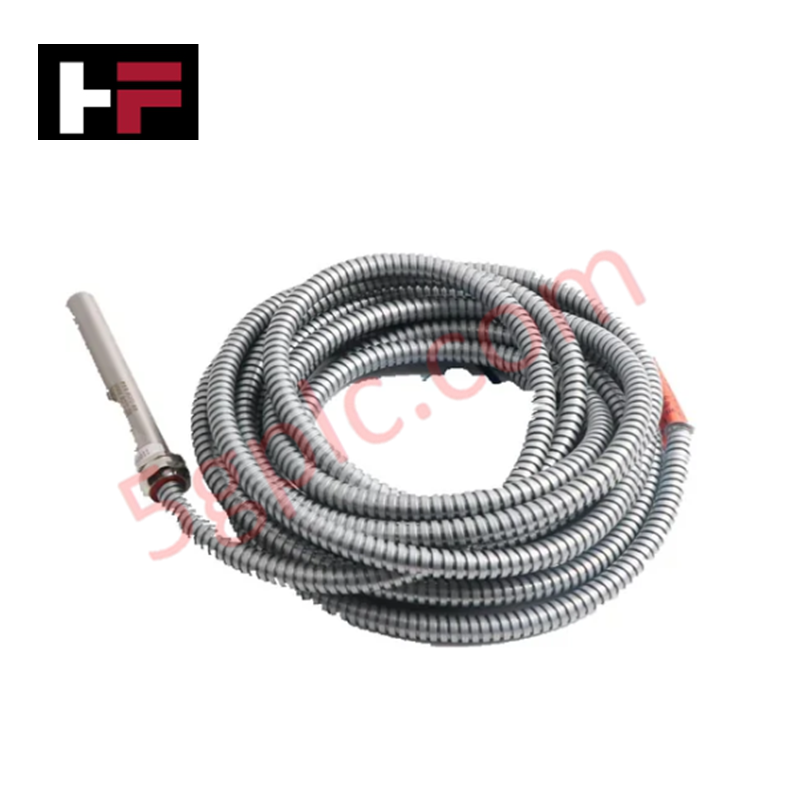
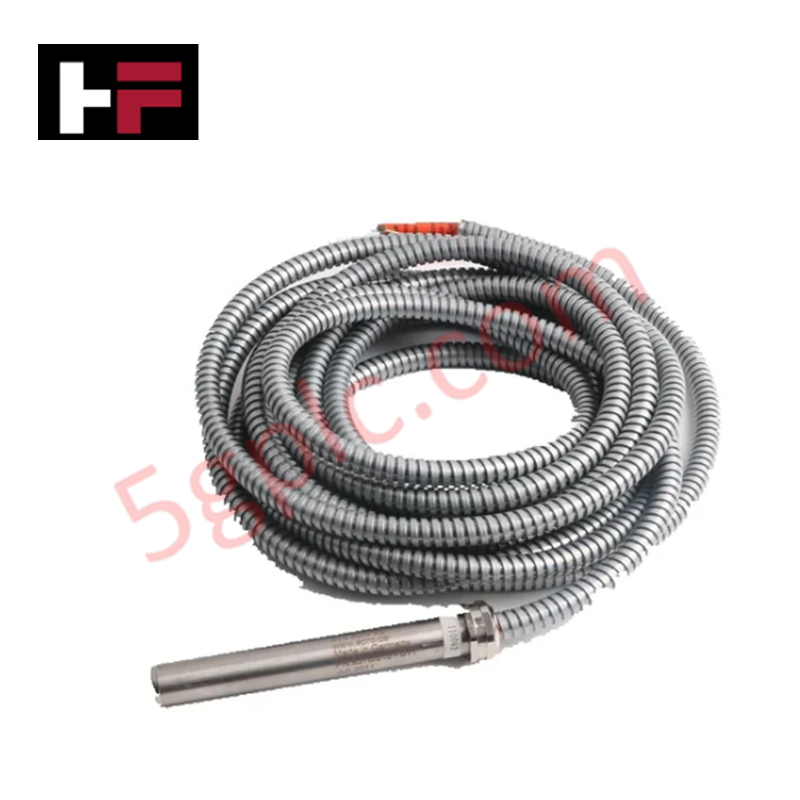
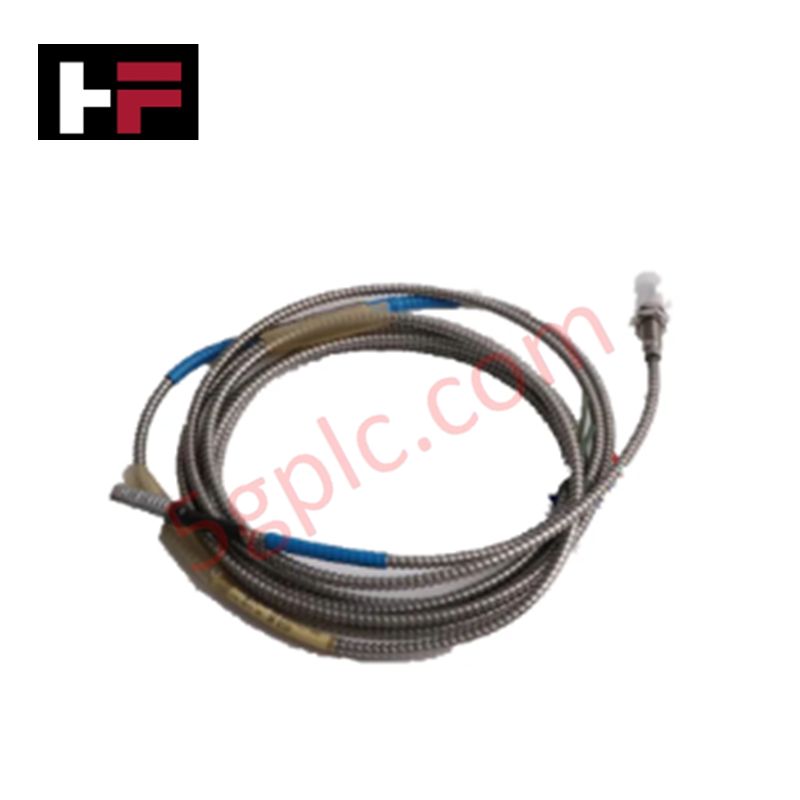
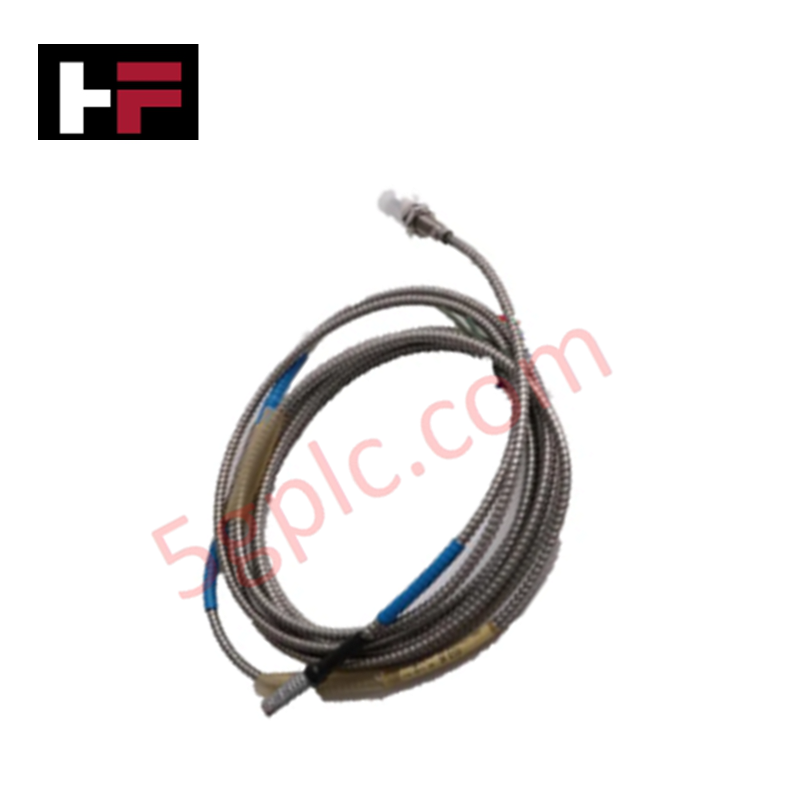
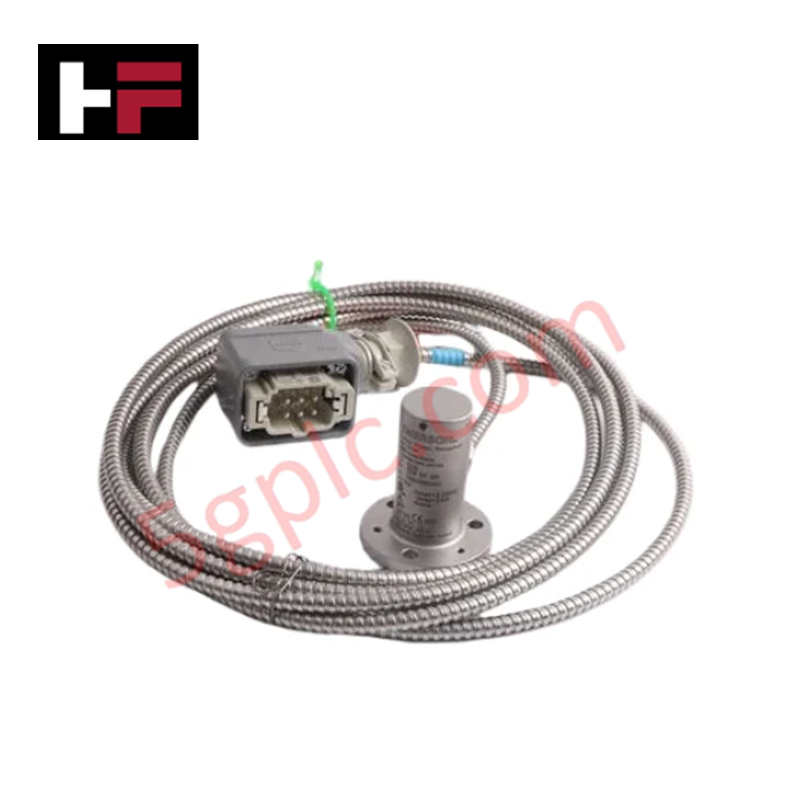
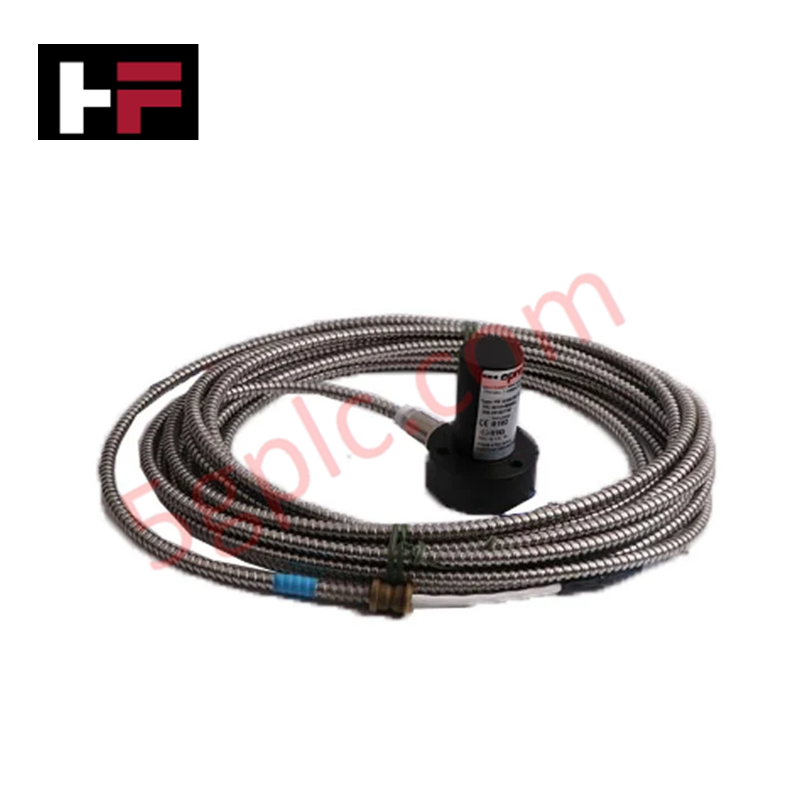
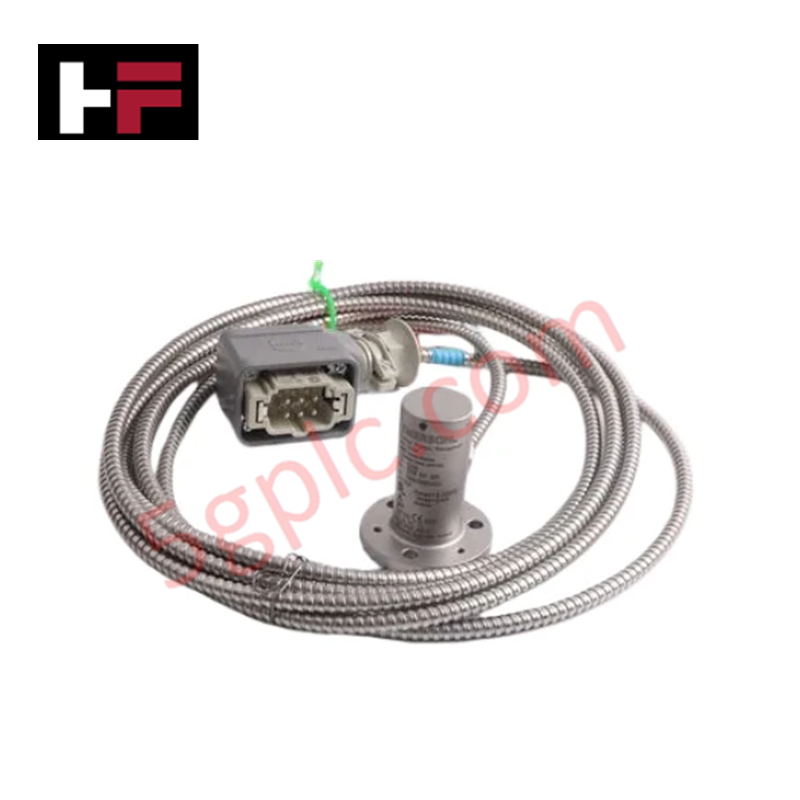
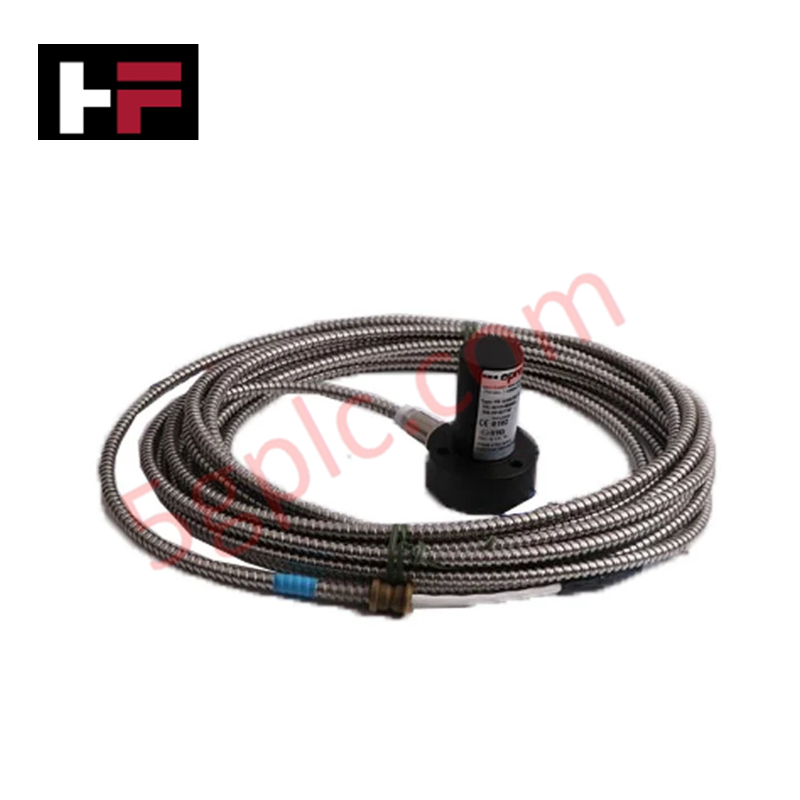
Configured for precision displacement monitoring in rotating machinery, the Emerson Epro PR6424/010-130 (PR6424/010-130) Eddy Current Sensor provides direct physical and electrical execution for radial shaft dynamic displacement, axial position, and speed sensing.
Hardware Specifications
| Parameter | Specification |
|---|---|
| Model | PR6424/010-130 |
| Brand | Emerson Epro |
| Origin | Refer to product nameplate |
| Operating Temp | -35 deg C to 150 deg C |
| Power Consumption | Loop-dependent |
| Sensitivity | 4 V/mm (101.6 mV/mil) |
4-20 mA HART Loop Protocol & Channel Isolation
The PR6424/010-130 sensor functions as part of a high-fidelity feedback loop, requiring integration with compatible signal conditioners that support HART protocol communication for remote diagnostics. During system integration, verify channel-to-channel isolation within the monitoring chassis to prevent ground loops that could introduce electrical noise into the displacement measurement. Precise calibration is mandatory; signal conditioners must be configured to account for the sensor sensitivity of 4 V/mm to ensure accurate output scaling. In DCS environments, use twisted-pair shielded instrumentation cabling to protect the analog signal from electromagnetic interference, maintaining the integrity of the dynamic vibration and position data streams.
Frequently Asked Questions
Q: Can this sensor be used in high-pressure gas compressor environments?
A: Yes, the sensor is constructed to withstand pressures up to 10,000 hPa. Ensure the mounting assembly is rated for the specific process pressure and that proper thread sealing is applied during installation.
Q: Is the sensor sensitivity affected by the shaft material or diameter?
A: The sensor is optimized for shaft diameters exceeding 80 mm. Calibration must be performed using the actual shaft material, as eddy current response varies with the material's magnetic permeability and electrical conductivity.
Field Installation Guidelines
- Mounting Integrity: Install the sensor in a rigid housing to minimize mechanical resonance. The sensor tip must be centered relative to the shaft target area, maintaining the recommended initial gap.
- Gap Validation: During installation, use a multimeter to verify the output voltage at the signal conditioner terminal. Adjust the sensor probe position to reach the target gap voltage specified for the linear measurement range.
- Cable Routing: Route the PTFE cable through protective conduit to prevent mechanical damage. Keep signal lines separated from high-voltage motor or drive power cables to avoid inductive interference.
- Grounding: Ensure the sensor sleeve is properly bonded to the machinery casing ground. Maintain consistent shield termination at the signal conditioning cabinet to prevent common-mode noise.
- Hazardous Area Compliance: Verify that the installation complies with local site requirements for ATEX/IEC-Ex zones. Ensure that all conduit seals and glands are properly tightened to maintain the IP65 rating and explosion-proof integrity.
Additional Information
- 100% Genuine Parts: All products are original and authentic, ensuring reliable industrial performance.
- 30-Day Refund Guarantee: Return any in-stock item within 30 days in original, unopened packaging for a full refund (excluding shipping and fees).
- 12-Month Warranty: Covers defects in materials or workmanship; excludes misuse, normal wear, or unauthorized modifications.
- Worldwide Shipping: We ship via USPS, UPS, FedEx, and DHL. Delivery times vary by country and may be subject to customs or import fees.
- Support & Contact: Technical and warranty assistance is available anytime. Contact us here: Contact.
- Purchase Guidance: Check product specifications and compatibility carefully before ordering to ensure proper application.
Tech & Buying Guide

Why 24V DC Power Supplies Standardize Modern Industrial Automation
Industrial control cabinets worldwide rely on 24V DC as the universal power standard for field instrumentation, sensors, and controllers. Walk into any manufacturing plant, and you will find PLCs, human-machine interfaces (HMIs), and smart actuators running on extra-low voltage DC. Standardizing on 24V DC enhances operational safety, lowers cabinet footprint, and maintains steady control performance across factory networks.

Essential Motion Control Commands: A Practical Guide for Engineers
Automation engineers often rely on precise position and speed control to drive modern factory machinery. Modern industrial systems, such as Programmable Logic Controllers (PLCs) and Distributed Control Systems (DCS), depend heavily on standardized motion instructions. Mastering these commands ensures operational safety, protects mechanical components, and optimizes cycle times across production lines.
Mastering Modern Industrial Joystick Controls in Heavy Automation
Industrial joysticks play a pivotal role in human-machine interaction across heavy material handling and mobile hydraulics. These tactile controllers translate complex operator movements into precise electrical signals for PLCs, motion controllers, and DCS networks. Consequently, selecting and installing the right joystick architecture ensures operator safety, reduces fatigue, and optimizes equipment performance.