










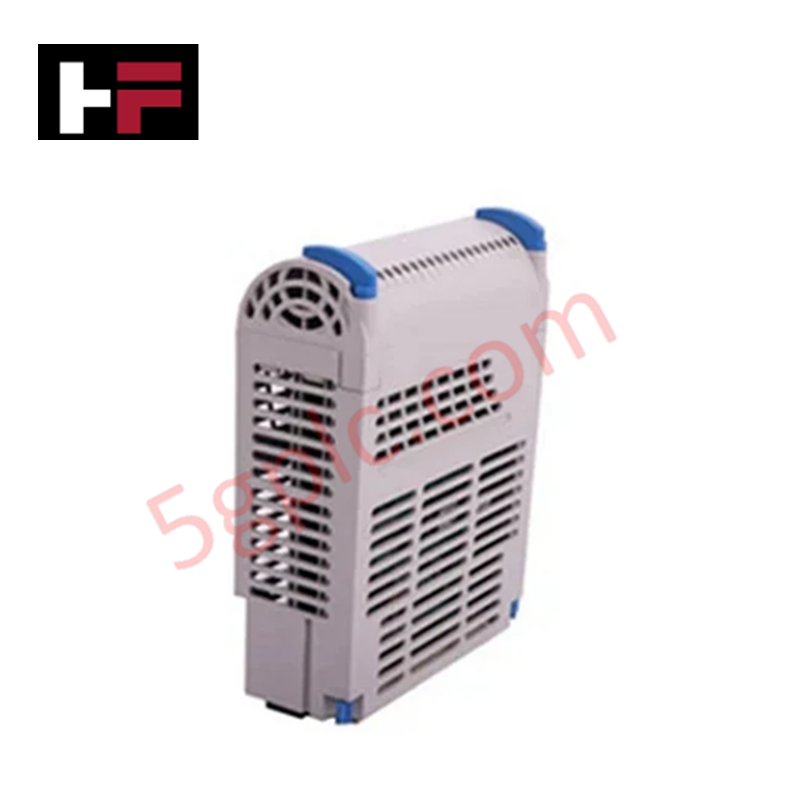
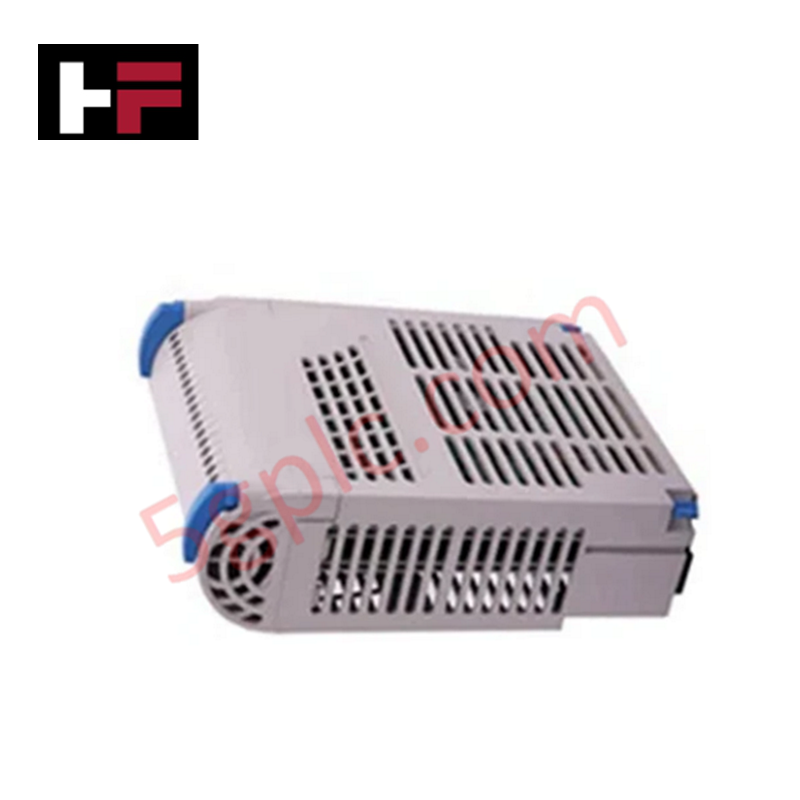


Product Details
The Emerson 1C31194G03, also cataloged as the 1C31194G03 Valve Positioner, operates as a dedicated hardware component for modulating pneumatic or electric valve actuators within Ovation distributed control platforms. This assembly is designed for compatibility with Ovation 3.5 and subsequent software revisions, providing direct electrical signal conversion for precise valve stem positioning and feedback loop management.
Hardware Specifications
| Parameter | Specification |
|---|---|
| Model | 1C31194G03 |
| Brand | Emerson |
| Origin | N/A |
| Weight | 0.75 kg |
| Dimensions | N/A |
| Operating Temp | Standard industrial ambient |
| Power Consumption | System backplane nominal |
| Core Function | Valve Positioning / Actuator Control |
Mechanical Monitoring and Actuator Dynamics
The 1C31194G03 assembly is engineered to manage actuator loop feedback response with high temporal accuracy. By utilizing localized processing within the module, the unit minimizes communication latency between the control system setpoint and the mechanical valve displacement. The hardware supports integrated feedback paths to facilitate closed-loop control, ensuring that actual valve position conforms to the command signal while compensating for mechanical hysteresis and friction profiles inherent in final control elements.
Frequently Asked Questions
Q: Is this module compatible with older versions of the Ovation system prior to 3.5?
A: The 1C31194G03 is specifically optimized for Ovation 3.5 and later firmware environments. Integration with legacy systems below version 3.5 may lead to communication mismatch and is not supported by the hardware design.
Q: Can this module be hot-swapped while the process is in automatic control?
A: Hot-swapping is supported by the hardware architecture; however, the control loop must be placed in manual mode or bypassed at the operator workstation. Removing the module while the loop is active will result in a loss of signal to the valve, causing the actuator to fail in its configured state (typically fail-open or fail-closed based on pneumatic supply).
Field Installation Guidelines
- Mounting: Ensure the module is fully seated into the designated I/O rack slot. Verify that the backplane connector is correctly aligned and the retaining latches are secured to prevent mechanical shift during high-vibration events.
- Grounding: Establish a clean earth ground connection for the module chassis. Shielding for the actuator control signal lines must be terminated at the cabinet ground bar to minimize electromagnetic interference.
- Wiring: Use appropriate gauge shielded cabling for the actuator signal transmission. Segregate these cables from high-power AC lines to prevent inductive noise injection into the positioner feedback signal.
- Verification: Post-installation, perform a full-range stroke test from the engineering workstation. Monitor the positioner's feedback signal to ensure it correlates with the physical valve stem position throughout the entire range of travel.
Additional Information
- 100% Genuine Parts: All products are original and authentic, ensuring reliable industrial performance.
- 30-Day Refund Guarantee: Return any in-stock item within 30 days in original, unopened packaging for a full refund (excluding shipping and fees).
- 12-Month Warranty: Covers defects in materials or workmanship; excludes misuse, normal wear, or unauthorized modifications.
- Worldwide Shipping: We ship via USPS, UPS, FedEx, and DHL. Delivery times vary by country and may be subject to customs or import fees.
- Support & Contact: Technical and warranty assistance is available anytime. Contact us here: Contact.
- Purchase Guidance: Check product specifications and compatibility carefully before ordering to ensure proper application.
Tech & Buying Guide

Why 24V DC Power Supplies Standardize Modern Industrial Automation
Industrial control cabinets worldwide rely on 24V DC as the universal power standard for field instrumentation, sensors, and controllers. Walk into any manufacturing plant, and you will find PLCs, human-machine interfaces (HMIs), and smart actuators running on extra-low voltage DC. Standardizing on 24V DC enhances operational safety, lowers cabinet footprint, and maintains steady control performance across factory networks.

Essential Motion Control Commands: A Practical Guide for Engineers
Automation engineers often rely on precise position and speed control to drive modern factory machinery. Modern industrial systems, such as Programmable Logic Controllers (PLCs) and Distributed Control Systems (DCS), depend heavily on standardized motion instructions. Mastering these commands ensures operational safety, protects mechanical components, and optimizes cycle times across production lines.

Mastering Modern Industrial Joystick Controls in Heavy Automation
Industrial joysticks play a pivotal role in human-machine interaction across heavy material handling and mobile hydraulics. These tactile controllers translate complex operator movements into precise electrical signals for PLCs, motion controllers, and DCS networks. Consequently, selecting and installing the right joystick architecture ensures operator safety, reduces fatigue, and optimizes equipment performance.