










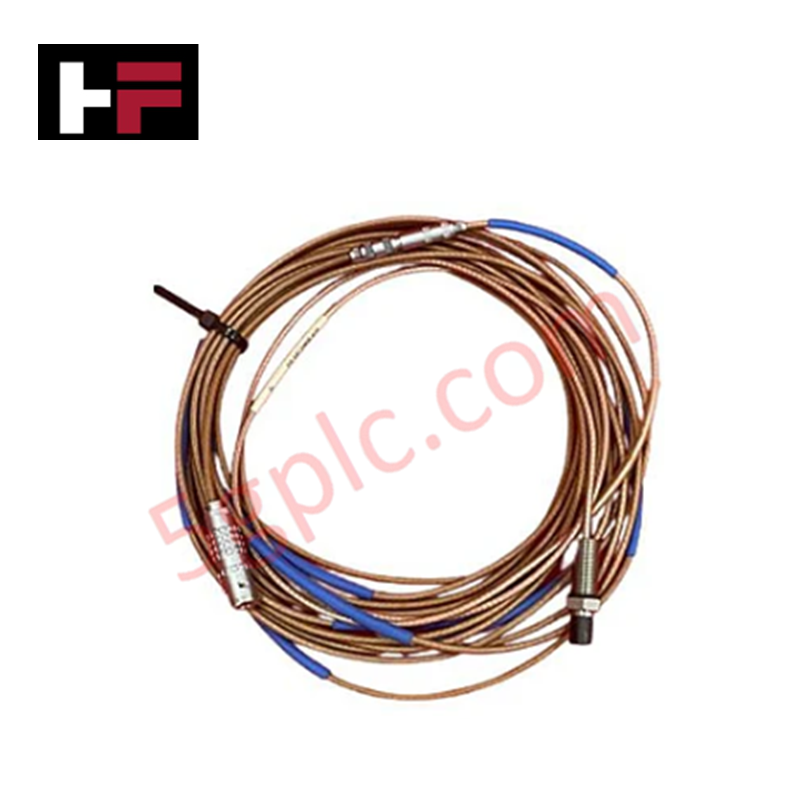
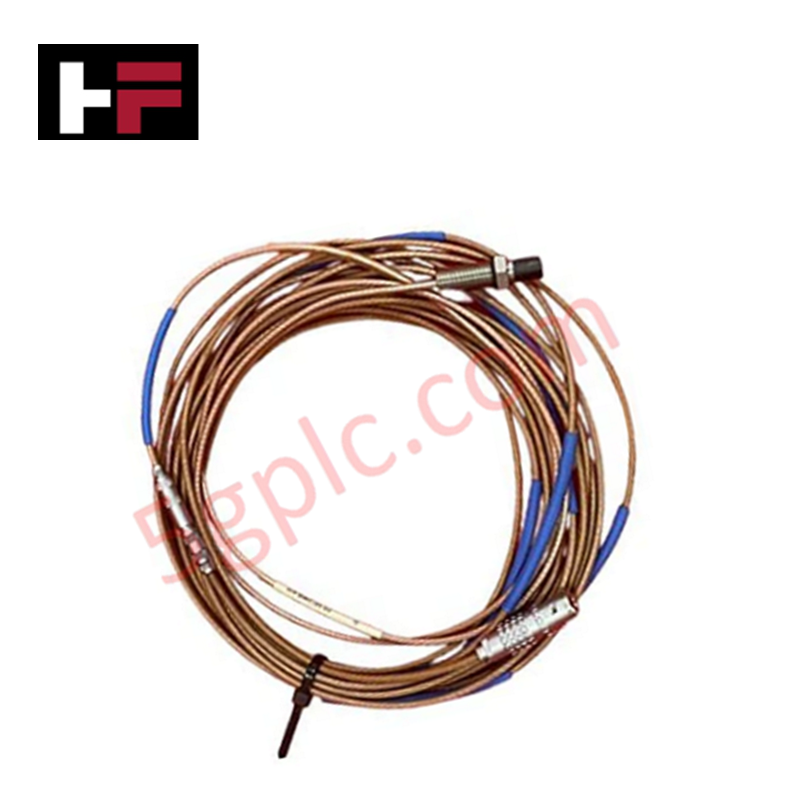
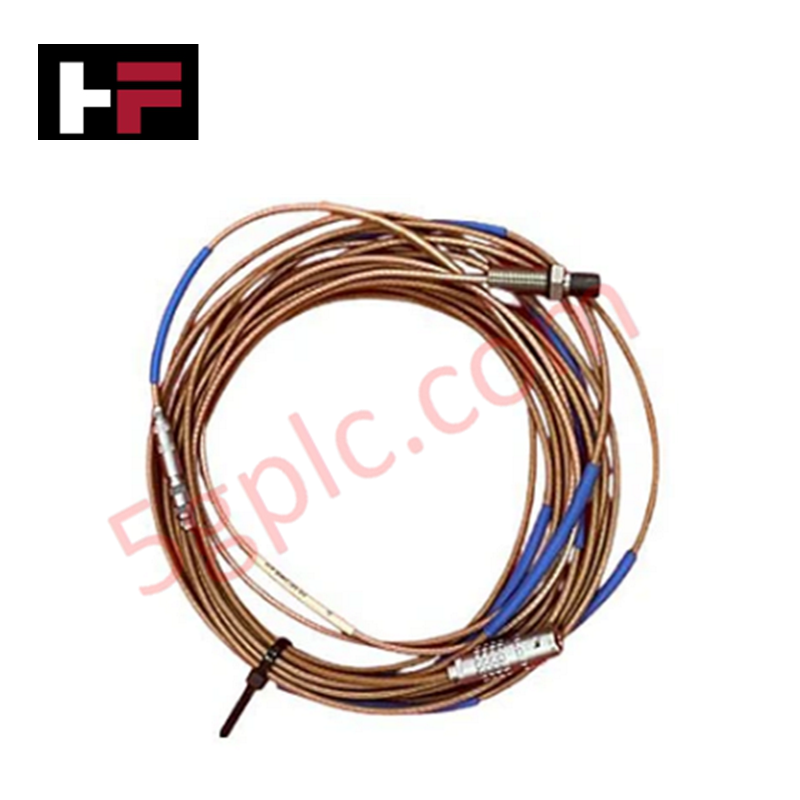
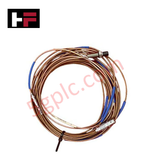
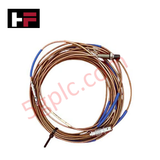
Product Details
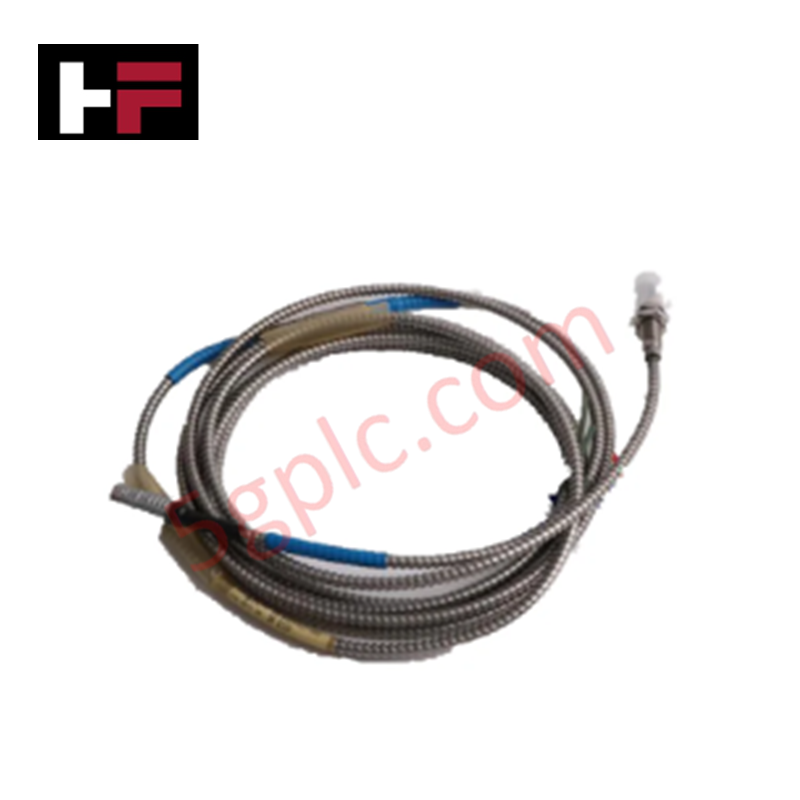
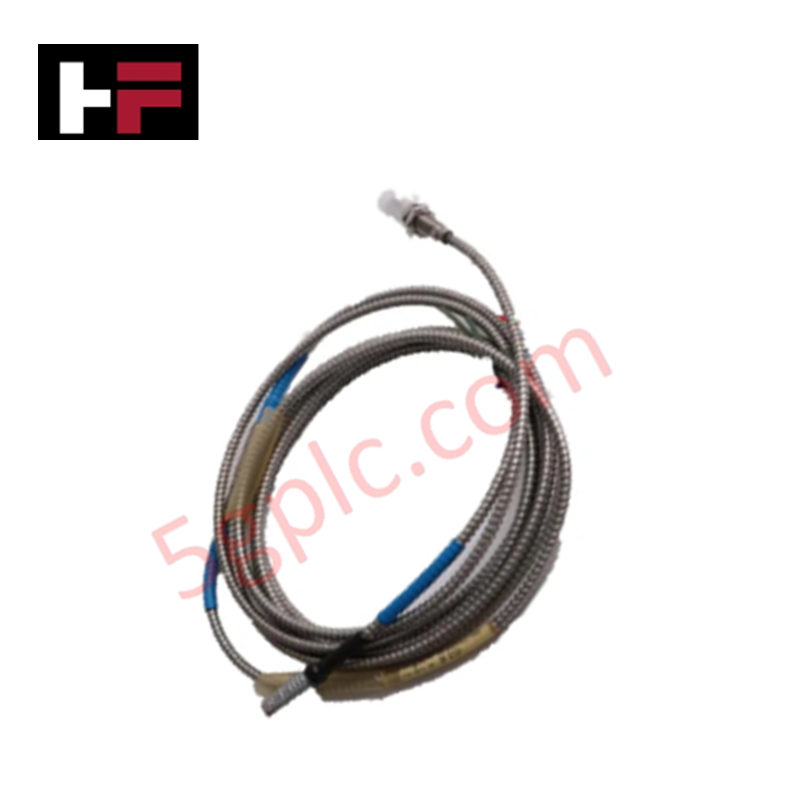
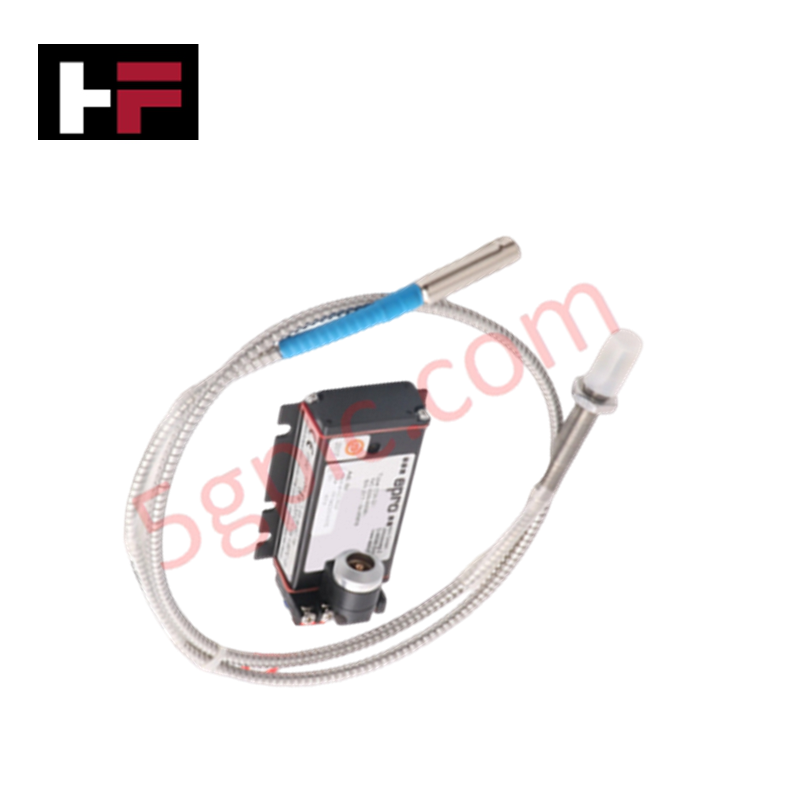
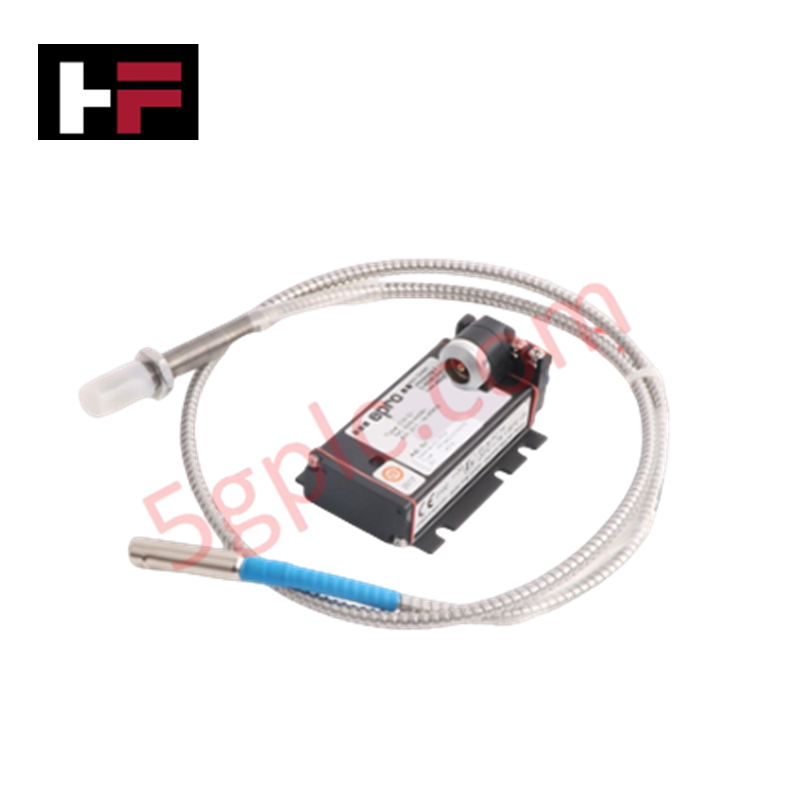
The Emerson MMG1070/02TS, also cataloged as the MMG1070 Eddy Current Displacement Sensor, operates as a dedicated hardware component for non-contact shaft displacement and dynamic vibration execution within Emerson machinery protection architectures. It provides direct high-precision physical position tracking across millimeter-scale ranges using embedded signal processing electronics integrated directly inside the transducer housing.
Hardware Specifications
| Parameter | Specification |
|---|---|
| Model | MMG1070/02TS |
| Brand | Emerson |
| Origin | Germany |
| Weight | Approx. 0.30 kg |
| Operating Temp | -30 deg C to +120 deg C |
| Power Consumption | < 50 mA |
| Measurement Principle | Non-contact eddy current |
| Measuring Range | Millimeter range (typical) |
| Signal Processing | Integrated electronics inside transducer housing |
| Hazardous Area Rating | Explosion-hazardous area certified |
| Standards Compliance | API 670, DIN 45670, VDI 2059 |
4-20 mA HART Loop Protocol and Channel-to-Channel Isolation
The Emerson MMG1070/02TS routes condition-monitored static displacement and dynamic vibration data through industrial field networks using standard 4-20 mA HART loop protocol parameters. The integrated signal processing electronics scale eddy current field damping into stable analog telemetry while preserving high channel-to-channel isolation when interfacing with plant DCS architectures. This internal conditioning minimizes signal degradation across long cable runs and maintains high noise rejection when deploying the sensor in hazardous environments alongside high-power industrial electrical equipment.
Frequently Asked Questions
Q: How does the integrated electronics configuration inside the MMG1070/02TS housing impact field signal wiring?
A: Internal signal conditioning eliminates the need for an external driver module near the machine, allowing the transducer to output conditioned position metrics directly to DCS input terminals over standard shielded pair wiring.
Q: Which industry installation standards govern the mechanical and electrical deployment of this sensor?
A: The MMG1070/02TS complies with API 670 machinery protection system requirements, DIN 45670, and VDI 2059 guidelines for non-contact measurement of shaft displacement and vibration.
Q: Can the MMG1070/02TS operate safely in explosion-hazardous process areas?
A: Yes, the sensor construction and integrated housing are certified for operation in explosion-hazardous environments when wired in accordance with local safety field barrier requirements.
Field Installation Guidelines
- Mount the sensor body securely to rigid bearing housing brackets using standard threaded mounting hardware, ensuring complete engagement to prevent mechanical resonance.
- Maintain sufficient radial clearance around the probe sensing face to prevent surrounding metallic structures from dampening the high-frequency eddy current field.
- Connect cable shielding exclusively to the dedicated instrument ground bus at the control cabinet end to avoid double-ended shield grounding and ground loops.
- Route field wiring through grounded protective metal conduit and maintain separation from high-voltage AC power cables to protect signal integrity.
Additional Information
- 100% Genuine Parts: All products are original and authentic, ensuring reliable industrial performance.
- 30-Day Refund Guarantee: Return any in-stock item within 30 days in original, unopened packaging for a full refund (excluding shipping and fees).
- 12-Month Warranty: Covers defects in materials or workmanship; excludes misuse, normal wear, or unauthorized modifications.
- Worldwide Shipping: We ship via USPS, UPS, FedEx, and DHL. Delivery times vary by country and may be subject to customs or import fees.
- Support & Contact: Technical and warranty assistance is available anytime. Contact us here: Contact.
- Purchase Guidance: Check product specifications and compatibility carefully before ordering to ensure proper application.
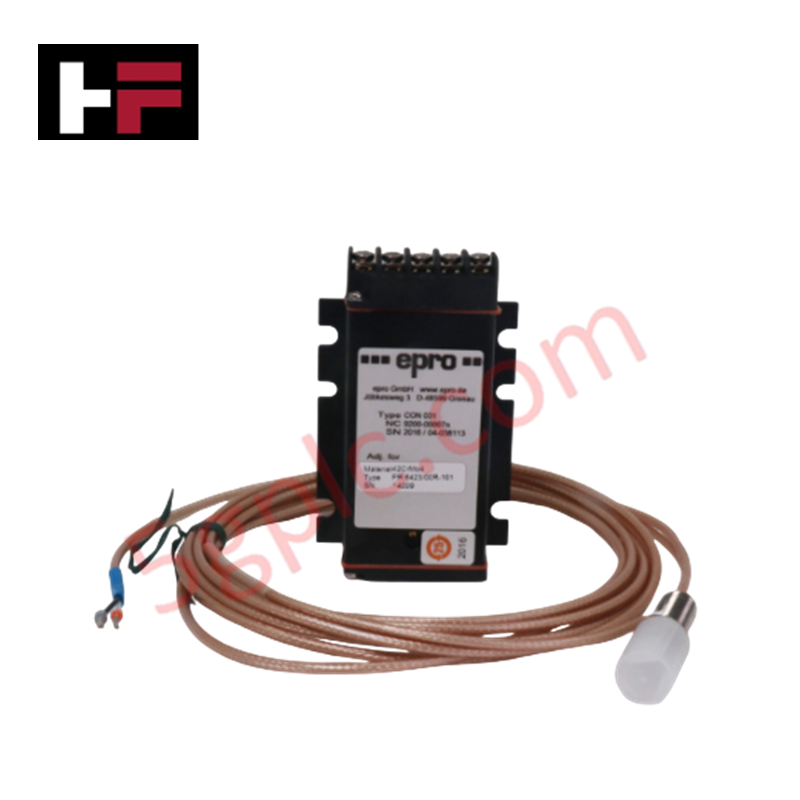
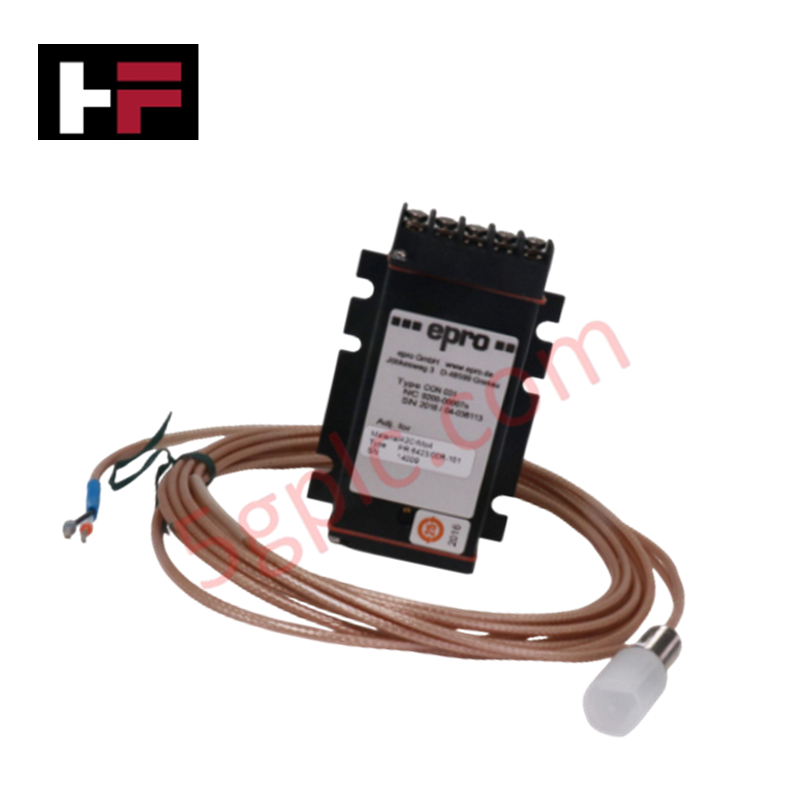




Tech & Buying Guide

Marshalling Cabinet Preventive Maintenance: Essential Healthiness Checks for PLC, DCS, and ESD Systems
Marshalling cabinets serve as the vital interface between field instrumentation and control room electronics in modern process facilities. Regular preventive maintenance of these cabinets ensures signal integrity across programmable logic controllers (PLCs), distributed control systems (DCS), and emergency shutdown (ESD) networks. System technicians must execute structured inspection protocols to mitigate environmental risks, identify loose wiring, and maintain continuous operational readiness.

Spatial Computing in Industrial Automation: Elevating PLC and DCS Operations with AR and VR
Industry 4.0 integrates digital intelligence into field operations, transforming factory automation landscapes worldwide. Spatial technologies—specifically Augmented Reality (AR) and Virtual Reality (VR)—redefine how engineers interact with industrial control systems. By bridging computer-generated CAD models with real-time operational technology (OT) data, immersive displays enable intuitive monitoring, rapid diagnostics, and safer maintenance across complex processing facilities.

Master Acceptance Testing: Understanding FAT and SAT in Industrial Control Systems
Factory Acceptance Testing (FAT) and Site Acceptance Testing (SAT) serve as critical quality assurance gateways in complex industrial control systems. Both procedures verify that programmable logic controllers (PLCs), distributed control systems (DCS), and associated field devices meet strict functional specifications. However, executing these tests effectively requires clear delineation between off-site staging and final field commissioning.