










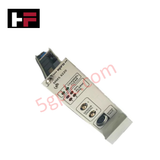
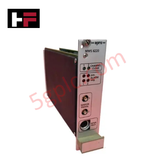
Product Details
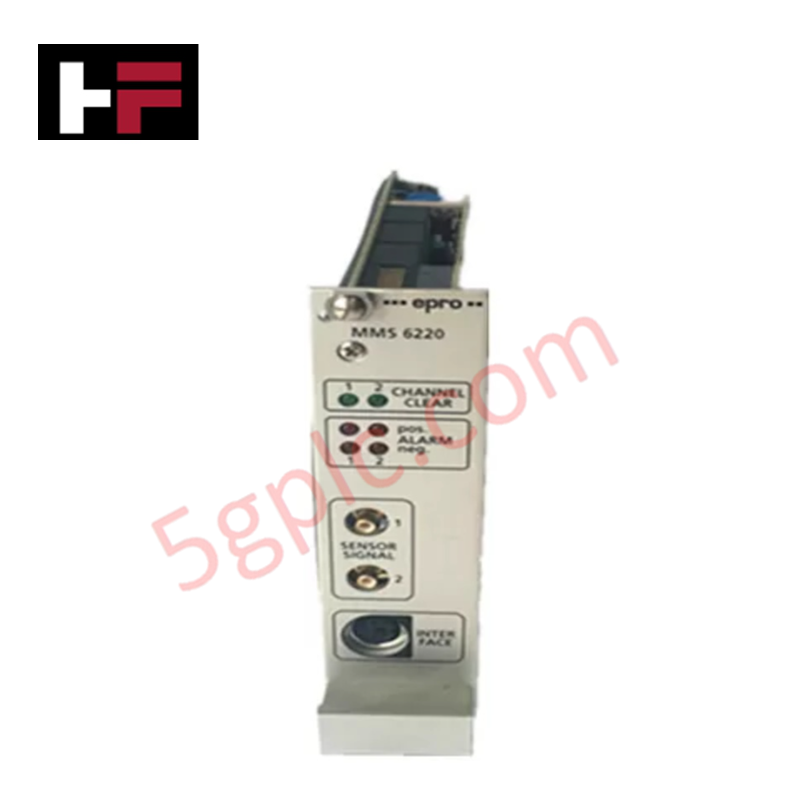
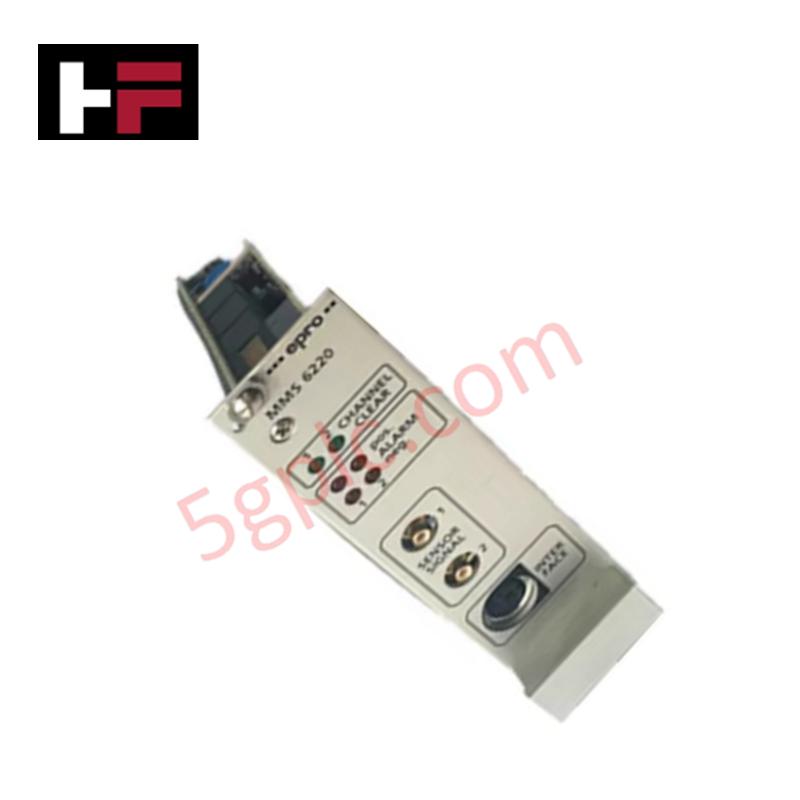
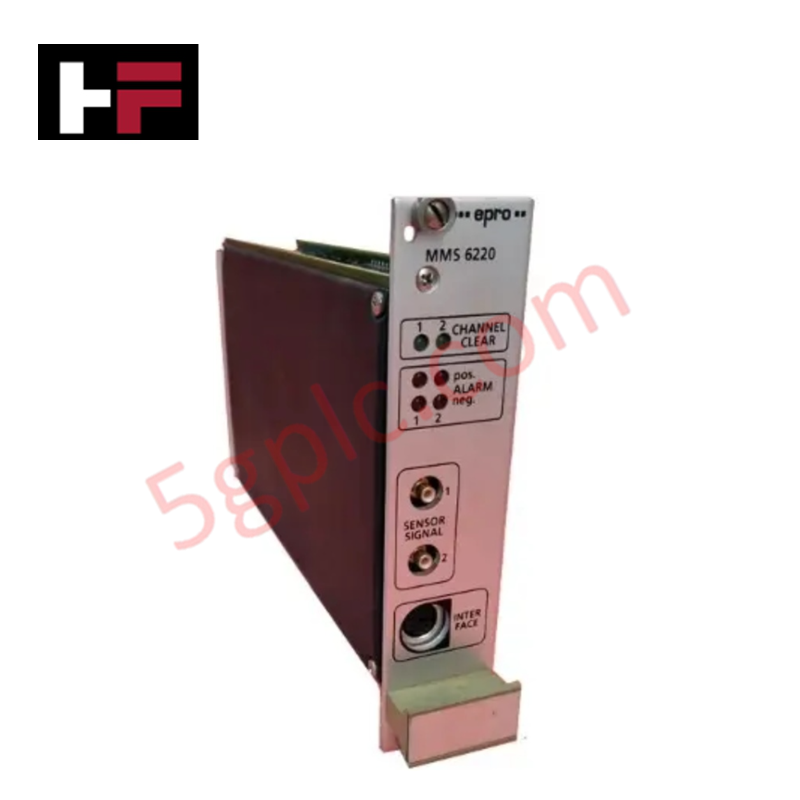
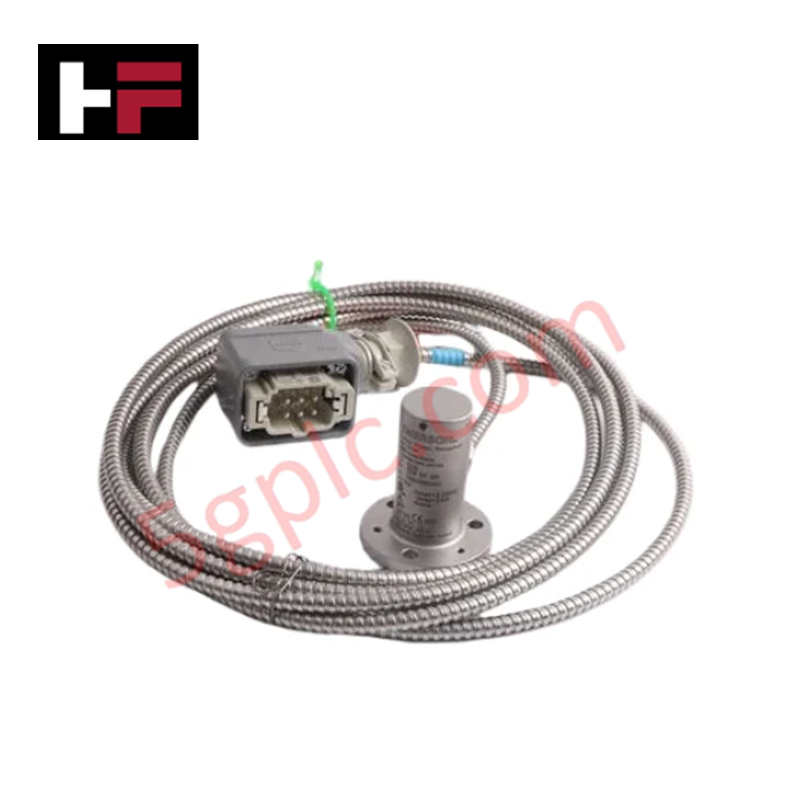
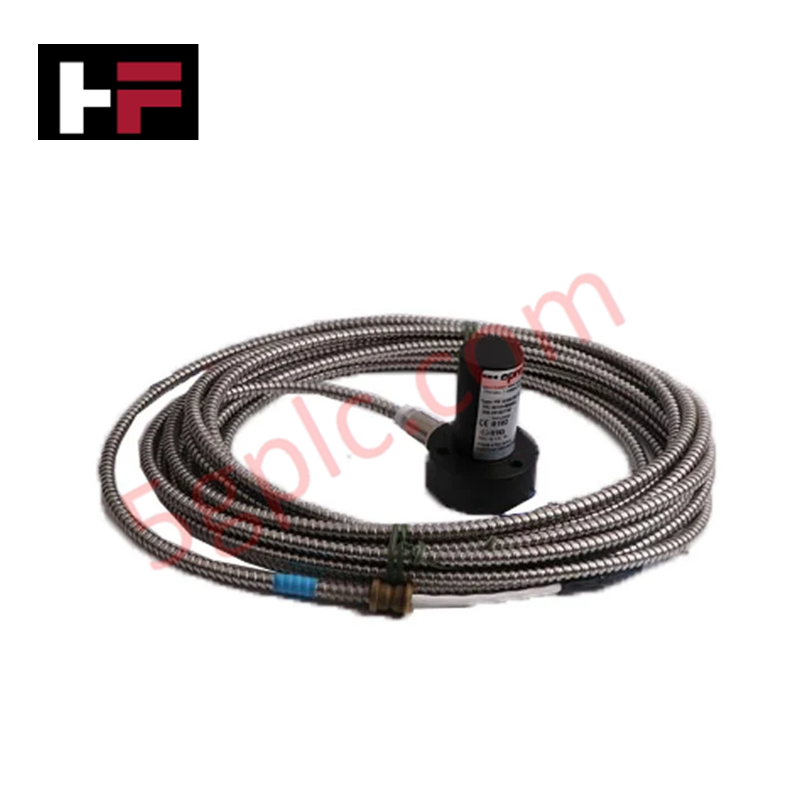
The EPRO MMS 6220, also cataloged as the MMS 6220 Shaft Eccentricity Monitor, operates as a dedicated hardware component for high-precision rotational displacement measurement within MMS 6000 machinery monitoring platforms.
Hardware Specifications
| Parameter | Specification |
|---|---|
| Model | MMS 6220 |
| Brand | EPRO |
| Operating Temp | Standard industrial range |
| Power Consumption | 24 VDC |
| Measurement Range | 0 to 10 mm |
| Measurement Accuracy | +/- 2 micron |
| Sampling Rate | Up to 10 kHz |
Mechanical Monitoring and TSI Characteristics
The MMS 6220 employs eddy-current technology for non-contact measurement of shaft eccentricity. To maintain measurement accuracy, perform consistent eddy-current probe scaling during initial setup. Validation of the gap voltage against -10 VDC targets is required to ensure the probe operates within its linear range relative to the rotor. The module provides dual-channel inputs to facilitate rotor dynamics analysis, with cross-talk suppression achieved through differential signal path isolation. This design prevents signal interference when monitoring multiple points on high-speed rotating machinery.
Frequently Asked Questions
Q: Can the MMS 6220 handle hot-swapping while the machinery is operating?
A: The module is designed for rack-based operation; however, ensure that the slot power is managed according to system safety protocols before removing or inserting the unit to prevent signal transients on the backplane.
Q: How should the analog output (0 to 10 VDC) be shielded to maintain the +/- 2 micron accuracy?
A: Use a high-quality shielded twisted-pair cable for the analog output. Terminate the shield at the module reference ground or the control system common to minimize noise induction from external electromagnetic sources.
Field Installation Guidelines
- Mount the MMS 6220 module in a standard MMS 6000 rack, ensuring all backplane connector pins are aligned.
- Route sensor cables through metallic conduit, maintaining physical separation from power and control signal lines.
- Terminate probe signal leads directly to the module input terminals; avoid splicing cables to maintain the integrity of the high-frequency measurement signal.
- Verify the probe-to-shaft gap voltage before finalizing the configuration to ensure the signal is within the 0 to 10 mm linear tracking range.
- Confirm digital connectivity (RS-485 / Modbus) by performing a register read-test prior to full system integration.
Additional Information
- 100% Genuine Parts: All products are original and authentic, ensuring reliable industrial performance.
- 30-Day Refund Guarantee: Return any in-stock item within 30 days in original, unopened packaging for a full refund (excluding shipping and fees).
- 12-Month Warranty: Covers defects in materials or workmanship; excludes misuse, normal wear, or unauthorized modifications.
- Worldwide Shipping: We ship via USPS, UPS, FedEx, and DHL. Delivery times vary by country and may be subject to customs or import fees.
- Support & Contact: Technical and warranty assistance is available anytime. Contact us here: Contact.
- Purchase Guidance: Check product specifications and compatibility carefully before ordering to ensure proper application.
Tech & Buying Guide

Why 24V DC Power Supplies Standardize Modern Industrial Automation
Industrial control cabinets worldwide rely on 24V DC as the universal power standard for field instrumentation, sensors, and controllers. Walk into any manufacturing plant, and you will find PLCs, human-machine interfaces (HMIs), and smart actuators running on extra-low voltage DC. Standardizing on 24V DC enhances operational safety, lowers cabinet footprint, and maintains steady control performance across factory networks.

Essential Motion Control Commands: A Practical Guide for Engineers
Automation engineers often rely on precise position and speed control to drive modern factory machinery. Modern industrial systems, such as Programmable Logic Controllers (PLCs) and Distributed Control Systems (DCS), depend heavily on standardized motion instructions. Mastering these commands ensures operational safety, protects mechanical components, and optimizes cycle times across production lines.
Mastering Modern Industrial Joystick Controls in Heavy Automation
Industrial joysticks play a pivotal role in human-machine interaction across heavy material handling and mobile hydraulics. These tactile controllers translate complex operator movements into precise electrical signals for PLCs, motion controllers, and DCS networks. Consequently, selecting and installing the right joystick architecture ensures operator safety, reduces fatigue, and optimizes equipment performance.