












Product Details
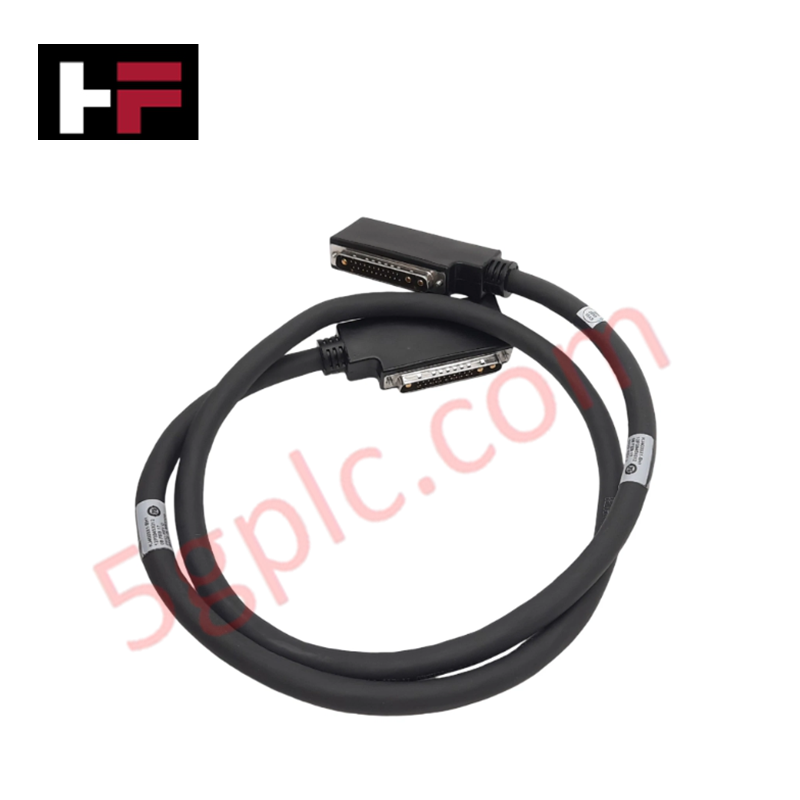
Configured for LocalBus signal extension in DeltaV S-Series platforms, the Emerson KJ4003X1-BH1 (KJ4003X1-BH1 Cable) provides direct physical and electrical execution of inter-carrier communication. This hardware component facilitates the transmission of power and data signals between horizontal carriers within the control cabinet architecture.
Hardware Specifications
| Parameter | Specification |
|---|---|
| Model | KJ4003X1-BH1 |
| Brand | Emerson |
| Origin | N/A |
| Weight | 0.52 kg (1.15 lbs) |
| Dimensions | 1.1 meter (43 inches) |
| Operating Temp | -40 to 70 deg C |
| Power Consumption | 12.6 VDC at 15 A (LocalBus) |
| Connector Type | 22-Pin Male to 22-Pin Male |
Process Control and Signal Integrity
The cable assembly facilitates the distribution of 12.6 VDC LocalBus power across extended carrier configurations, maintaining channel-to-channel isolation consistency across the distributed I/O rack. The design incorporates shielding to minimize electromagnetic interference, which is necessary for maintaining signal integrity in high-density industrial control environments. Consistent impedance profiles are maintained across the 1.1 meter span, supporting deterministic communication between the controller and the associated I/O modules without introducing additional latency to the backplane bus.
Frequently Asked Questions
Q: Can this cable be used to daisy-chain multiple horizontal carriers?
A: The KJ4003X1-BH1 is specifically engineered to link S-Series horizontal carriers. Ensure that the total current draw of the connected modules does not exceed the 15 A rating of the LocalBus circuit to prevent voltage drops or thermal overload.
Q: What are the primary installation requirements for this cable?
A: The cable should be routed through dedicated wireways separate from high-voltage AC cabling to prevent inductive coupling. The 22-pin connectors must be fully seated and secured to ensure proper grounding and electrical continuity through the locking mechanisms.
Field Installation Guidelines
- Mounting: Align the 22-pin male connectors with the designated ports on the carrier backplanes. Apply firm, even pressure until the locking mechanism engages to ensure a positive connection.
- Routing: Avoid sharp bends that violate the minimum bend radius of the cable jacket. Secure the cable to the cabinet frame using strain-relief clamps to prevent mechanical stress on the connector interfaces due to vibration.
- Environmental Protection: Although the cable is rated for operation in temperatures ranging from -40 to 70 deg C, avoid placement near high-heat sources or areas with significant airborne contaminants exceeding Class G3 standards.
Additional Information
- 100% Genuine Parts: All products are original and authentic, ensuring reliable industrial performance.
- 30-Day Refund Guarantee: Return any in-stock item within 30 days in original, unopened packaging for a full refund (excluding shipping and fees).
- 12-Month Warranty: Covers defects in materials or workmanship; excludes misuse, normal wear, or unauthorized modifications.
- Worldwide Shipping: We ship via USPS, UPS, FedEx, and DHL. Delivery times vary by country and may be subject to customs or import fees.
- Support & Contact: Technical and warranty assistance is available anytime. Contact us here: Contact.
- Purchase Guidance: Check product specifications and compatibility carefully before ordering to ensure proper application.


Tech & Buying Guide

Why 24V DC Power Supplies Standardize Modern Industrial Automation
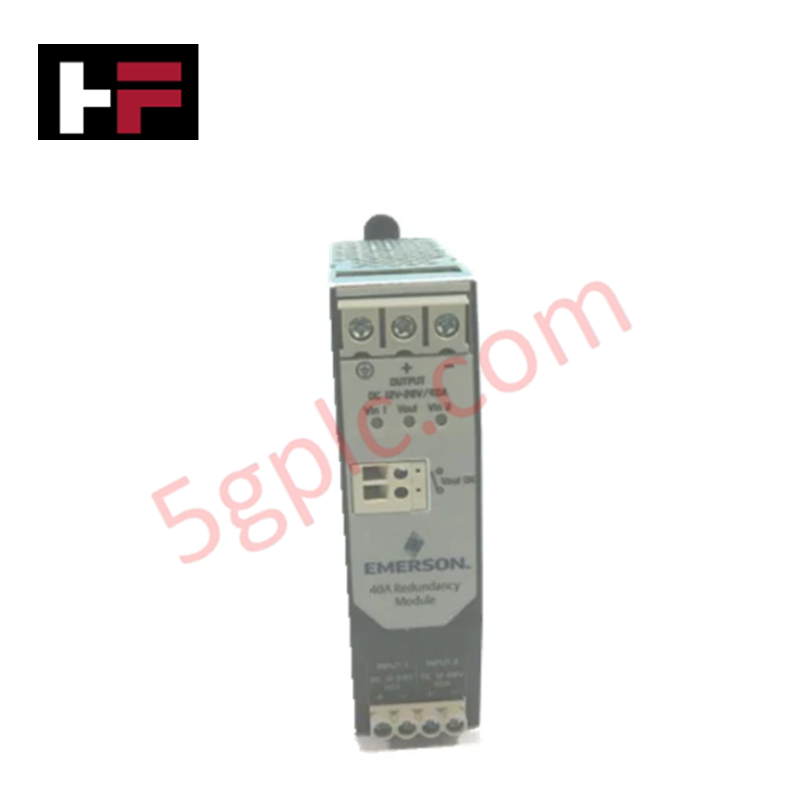
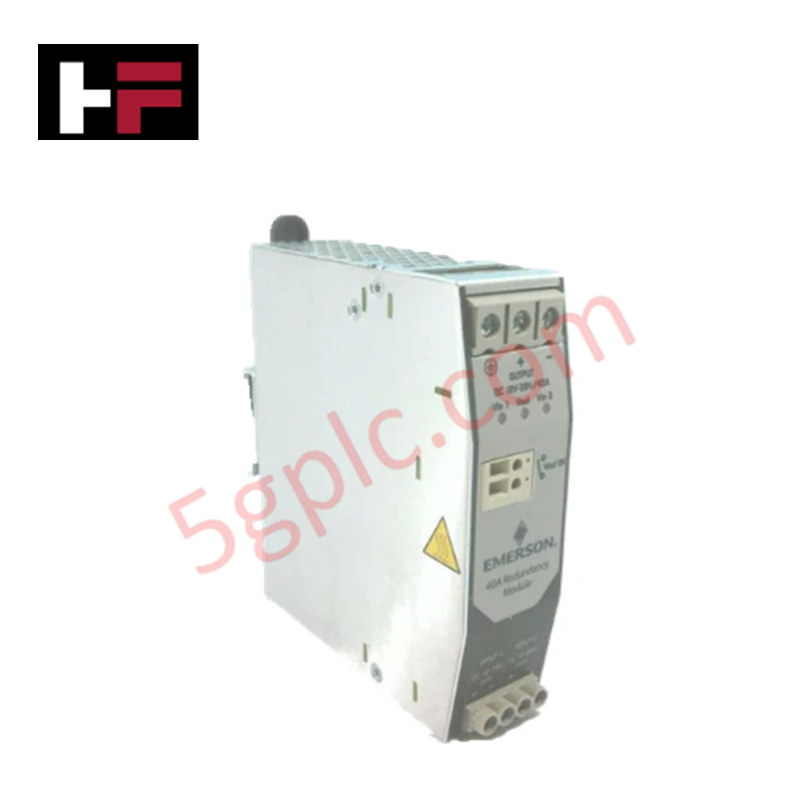
Industrial control cabinets worldwide rely on 24V DC as the universal power standard for field instrumentation, sensors, and controllers. Walk into any manufacturing plant, and you will find PLCs, human-machine interfaces (HMIs), and smart actuators running on extra-low voltage DC. Standardizing on 24V DC enhances operational safety, lowers cabinet footprint, and maintains steady control performance across factory networks.

Essential Motion Control Commands: A Practical Guide for Engineers
Automation engineers often rely on precise position and speed control to drive modern factory machinery. Modern industrial systems, such as Programmable Logic Controllers (PLCs) and Distributed Control Systems (DCS), depend heavily on standardized motion instructions. Mastering these commands ensures operational safety, protects mechanical components, and optimizes cycle times across production lines.
Mastering Modern Industrial Joystick Controls in Heavy Automation
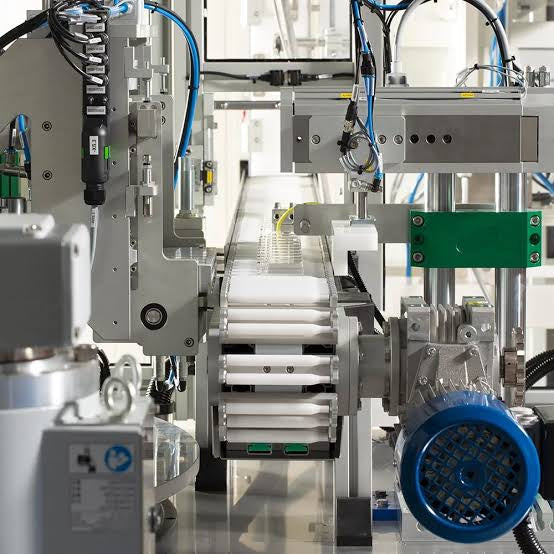
Industrial joysticks play a pivotal role in human-machine interaction across heavy material handling and mobile hydraulics. These tactile controllers translate complex operator movements into precise electrical signals for PLCs, motion controllers, and DCS networks. Consequently, selecting and installing the right joystick architecture ensures operator safety, reduces fatigue, and optimizes equipment performance.