










Product Details
Product Overview
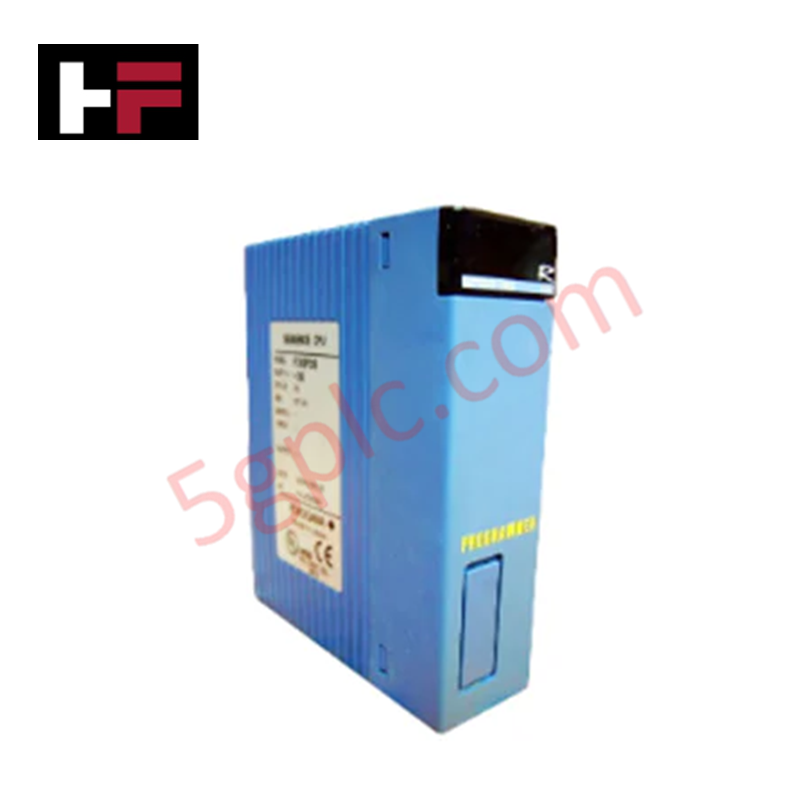
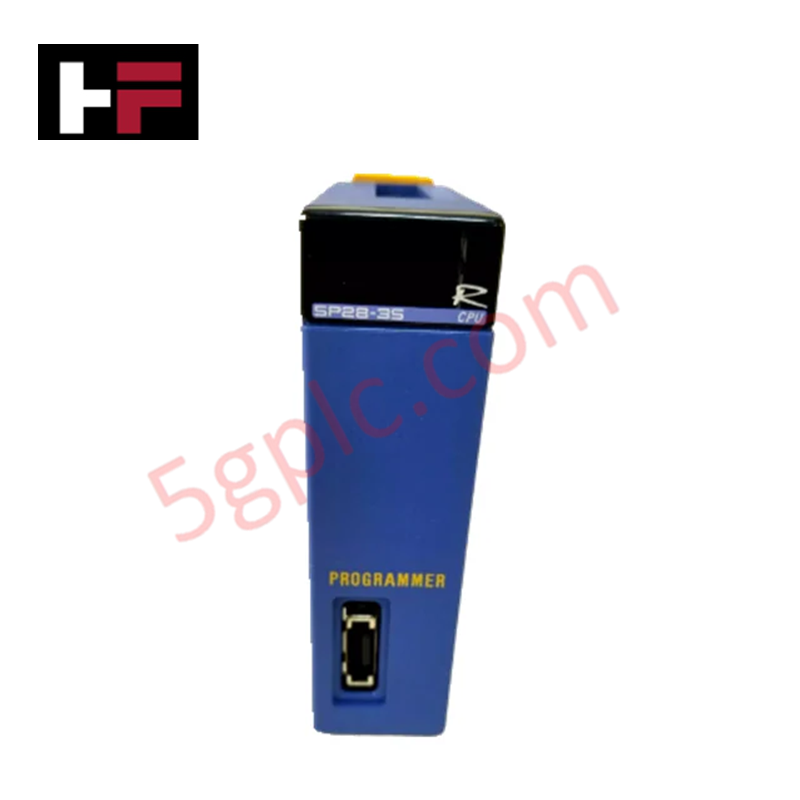
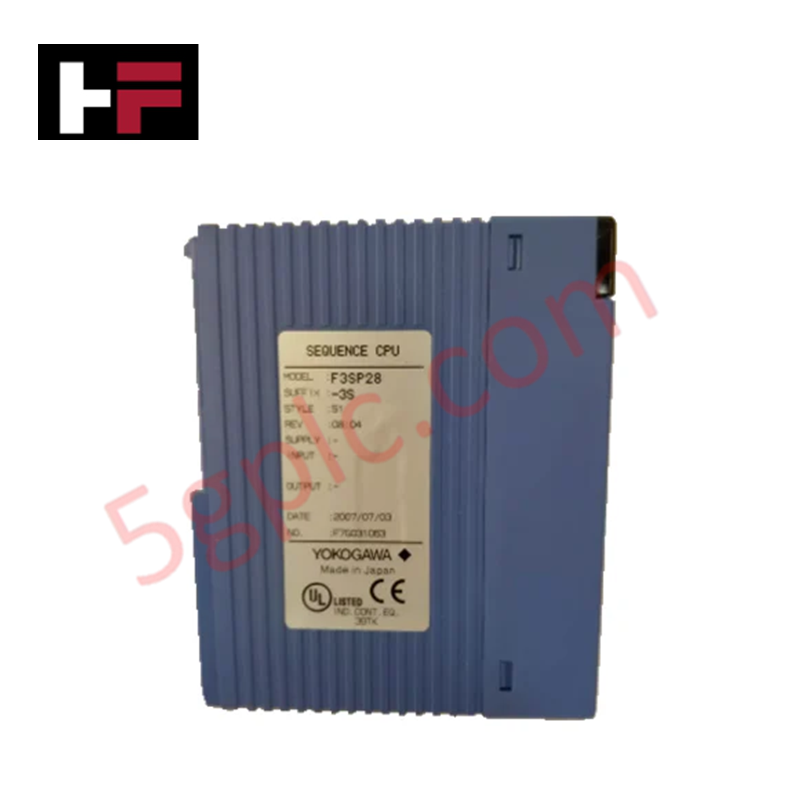
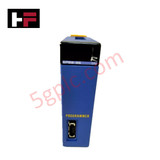
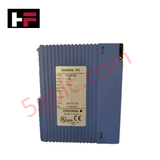
The Yokogawa F3SP28-3S functions as a high-performance Sequence CPU module for the FA-M3 "Range-free" multi-controller series. This processor executes complex automation logic using a stored program, repetitive operation method. It manages extensive I/O configurations while maintaining rapid scan times for high-speed production lines. We provide this unit as 100% Brand New and Original, ensuring your system benefits from the latest hardware stability and factory-guaranteed performance.
Technical Specifications
| Feature | Details |
| Control Method | Repetitive operation based on stored program |
| I/O Processing | Refresh method / Direct I/O instruction |
| I/O Capacity | 4,096 points maximum |
| Program Blocks | 1,024 blocks maximum |
| Programming Languages | Structured ladder and Mnemonic language |
| System Compatibility | Yokogawa FA-M3 Series |
| Shipping Weight | 3.0 kg |
Engineering Advantages
-
Optimized Execution Speed: The F3SP28-3S utilizes a dedicated sequence processor that handles repetitive operations with minimal jitter. This ensures consistent timing for high-speed packaging or assembly applications where millisecond precision determines output quality.
-
Flexible I/O Addressing: Supporting up to 4,096 I/O points, this CPU allows for massive system expansion. It employs both the refresh method for standard cycles and direct I/O instructions for time-critical signals, giving engineers granular control over signal priority.
-
Advanced Logic Structure: The module supports up to 1,024 program blocks. This modularity allows developers to partition complex code into manageable sections, which significantly simplifies troubleshooting and code reuse across different machine types.
-
Memory Integrity: High-speed internal memory stores both structured ladder and mnemonic code. This dual-language support provides flexibility for engineers who prefer graphical logic or high-density text-based programming for optimization.
FAQs
-
Does the F3SP28-3S require a specific battery for memory backup?
Yes. The CPU utilizes an internal battery to retain the stored program and retentive data registers during power-off states. We recommend replacing the battery according to the FA-M3 maintenance schedule to prevent data loss.
-
Can I upgrade from an older F3SP series CPU to the F3SP28-3S?
The F3SP28-3S maintains backward compatibility with most FA-M3 base units and I/O modules. However, you must verify your WideField programming software version to ensure it supports the specific instruction set and block capacity of the 28-3S model.
-
How do I handle I/O updates for time-sensitive tasks?
While the CPU defaults to the "Refresh" method (updating all I/O at the end of a scan), you can use "Direct I/O" instructions within the ladder code. This forces an immediate update of specific inputs or outputs, bypassing the scan cycle delay.
-
Is this module suitable for multi-CPU configurations?
The FA-M3 architecture supports multi-CPU setups. You can install the F3SP28-3S alongside other CPUs (such as motion or PC CPUs) on the same backplane to distribute the processing load and enhance overall system throughput.
Additional Information
- 100% Genuine Parts: All products are original and authentic, ensuring reliable industrial performance.
- 30-Day Refund Guarantee: Return any in-stock item within 30 days in original, unopened packaging for a full refund (excluding shipping and fees).
- 12-Month Warranty: Covers defects in materials or workmanship; excludes misuse, normal wear, or unauthorized modifications.
- Worldwide Shipping: We ship via USPS, UPS, FedEx, and DHL. Delivery times vary by country and may be subject to customs or import fees.
- Support & Contact: Technical and warranty assistance is available anytime. Contact us here: Contact.
- Purchase Guidance: Check product specifications and compatibility carefully before ordering to ensure proper application.




Tech & Buying Guide

Understanding Marshalling Cabinets in Industrial Control Systems Architecture
Industrial control system deployments rely on structured signal distribution to bridge field instrumentation with central processing hardware. A marshalling cabinet serves as the vital intermediate connection point between heavy field home-run multi-pair cables and delicate input/output (I/O) modules housed inside Programmable Logic Controller (PLC) or Distributed Control System (DCS) enclosures. By segregating field cable terminations from control hardware, engineers maintain system flexibility, safeguard controller components, and streamline commissioning workflows.

FAT vs SAT in Industrial Control Systems: Key Differences and Execution Guide
Industrial control system deployment relies on strict verification protocols to guarantee operational safety, system stability, and regulatory compliance. Commissioning complex Programmable Logic Controller (PLC) racks, Distributed Control Systems (DCS), and Safety Instrumented Systems (SIS) requires two critical milestones: the Factory Acceptance Test (FAT) and the Site Acceptance Test (SAT). Both procedures validate that system automation meets design specifications, but they occur at different stages of project execution and target distinct operational risks.

Hub vs Switch vs Router in Industrial Automation Architecture
Modern factory automation relies on reliable industrial networking infrastructure to exchange real-time field data across operational technology systems. Engineers often encounter networking hardware like hubs, switches, and routers when integrating Programmable Logic Controllers, Distributed Control Systems, and SCADA monitoring nodes. Although these devices share physical ports, they operate at different layers of the Open Systems Interconnection reference model and deliver distinct traffic management capabilities.