











Product Details
Product Overview
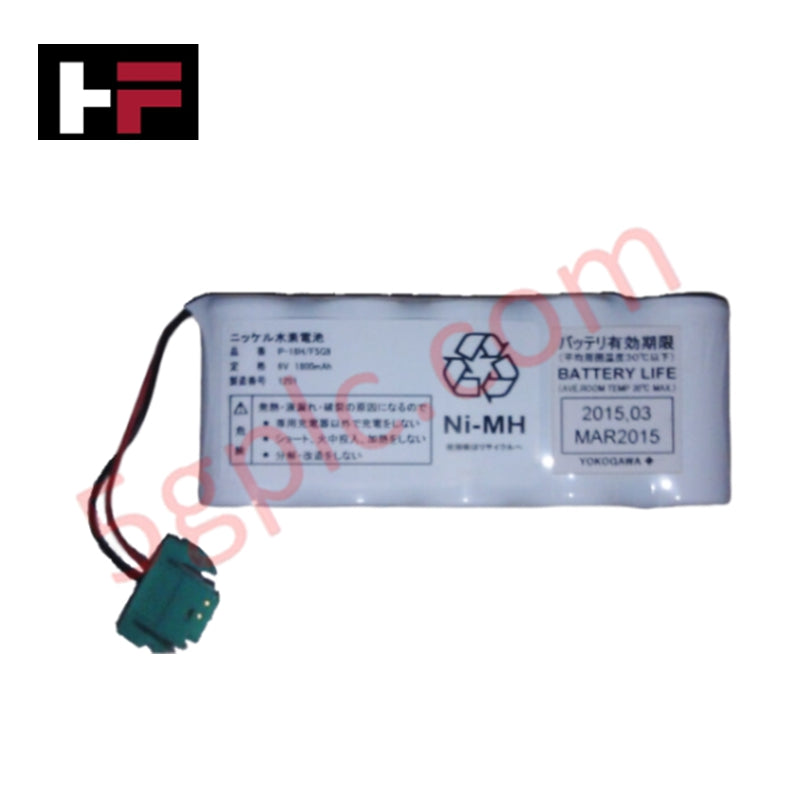
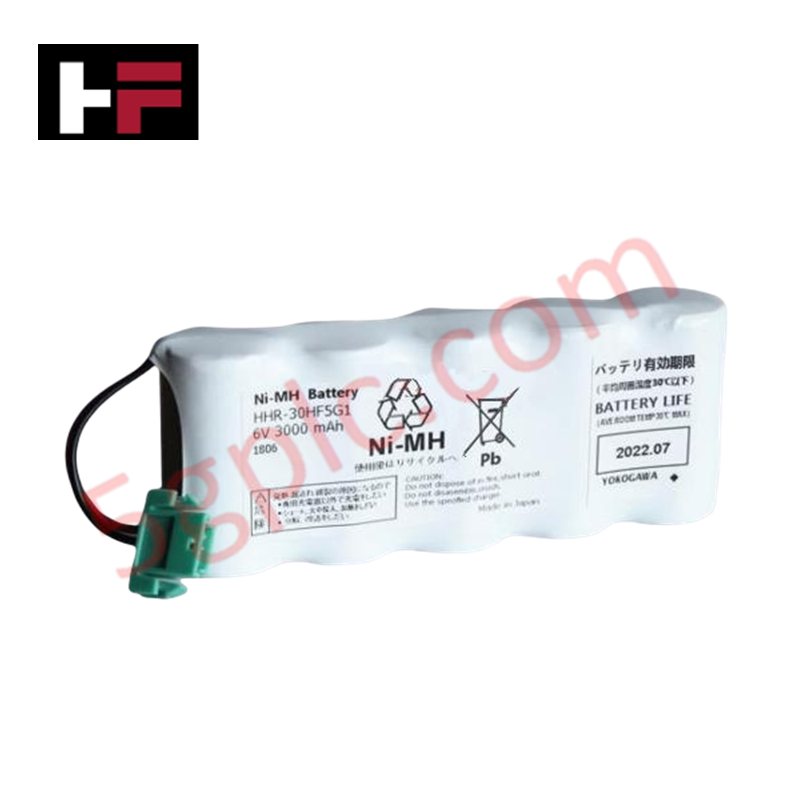
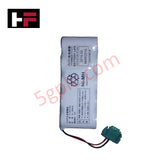
The Yokogawa S9400UK serves as the critical energy reservoir for Distributed Control System (DCS) processors. This high-performance Nickel Cadmium (Ni-Cd) battery pack maintains volatile memory and system configurations during primary power failures. We supply this component as 100% Brand New and Original, ensuring your control logic remains intact during emergency shutdowns or scheduled maintenance.
Technical Specifications
| Feature | Specification |
| Chemistry | Nickel Cadmium (Ni-Cd) / Ni-MH Compatibility |
| Voltage | 6V |
| Capacity | 3000 mAh |
| Cell Model | HHR-30HF5G1 |
| Dimensions | 10.2 cm x 7.9 cm x 5.4 cm |
| Weight | 0.6 kg |
| Country of Origin | Japan |
| Application | DCS System Processor Backup |
Engineering Advantages
-
Instantaneous Power Transition: The S9400UK delivers immediate current the moment the main power rail drops. This rapid discharge capability prevents processor resets and protects critical real-time data.
-
High Thermal Stability: Industrial environments often face fluctuating cabinet temperatures. This battery chemistry withstands the heat generated by dense rack-mounted electronics without significant capacity degradation.
-
Leak-Resistant Design: Yokogawa utilizes advanced sealing technology in the S9400UK to prevent electrolyte leakage. This protects the expensive gold-plated backplanes and processor cards from corrosive damage.
-
Extended Service Life: The robust cell construction supports deep discharge cycles, providing a reliable multi-year service window before requiring replacement in standard DCS environments.
FAQs
-
How often should I replace the S9400UK in my DCS system?
Standard preventive maintenance cycles require replacement every 2 to 3 years. Operating the system in high-temperature environments (above 40°C) accelerates chemical aging and may necessitate more frequent swaps to ensure backup integrity.
-
Does this battery ship with a full charge?
Ni-Cd batteries typically ship in a partially charged state. The DCS processor module initiates a trickle-charge circuit once you install the battery and power up the system to reach 100% capacity.
-
Can I use a third-party equivalent instead of the original S9400UK?
We strongly advise against non-OEM batteries. The S9400UK features specific internal resistance profiles and connector tolerances designed for Yokogawa hardware. Using generic alternatives risks system alarms or, in worst-case scenarios, memory loss during power fluctuations.
-
What are the storage requirements for spare units?
Store spares in a cool, dry place between 0°C and 30°C. If you store the battery for more than six months, we recommend checking the voltage before installation to ensure optimal performance.
Additional Information
- 100% Genuine Parts: All products are original and authentic, ensuring reliable industrial performance.
- 30-Day Refund Guarantee: Return any in-stock item within 30 days in original, unopened packaging for a full refund (excluding shipping and fees).
- 12-Month Warranty: Covers defects in materials or workmanship; excludes misuse, normal wear, or unauthorized modifications.
- Worldwide Shipping: We ship via USPS, UPS, FedEx, and DHL. Delivery times vary by country and may be subject to customs or import fees.
- Support & Contact: Technical and warranty assistance is available anytime. Contact us here: Contact.
- Purchase Guidance: Check product specifications and compatibility carefully before ordering to ensure proper application.




Tech & Buying Guide

Understanding Marshalling Cabinets in Industrial Control Systems Architecture
Industrial control system deployments rely on structured signal distribution to bridge field instrumentation with central processing hardware. A marshalling cabinet serves as the vital intermediate connection point between heavy field home-run multi-pair cables and delicate input/output (I/O) modules housed inside Programmable Logic Controller (PLC) or Distributed Control System (DCS) enclosures. By segregating field cable terminations from control hardware, engineers maintain system flexibility, safeguard controller components, and streamline commissioning workflows.

FAT vs SAT in Industrial Control Systems: Key Differences and Execution Guide
Industrial control system deployment relies on strict verification protocols to guarantee operational safety, system stability, and regulatory compliance. Commissioning complex Programmable Logic Controller (PLC) racks, Distributed Control Systems (DCS), and Safety Instrumented Systems (SIS) requires two critical milestones: the Factory Acceptance Test (FAT) and the Site Acceptance Test (SAT). Both procedures validate that system automation meets design specifications, but they occur at different stages of project execution and target distinct operational risks.

Hub vs Switch vs Router in Industrial Automation Architecture
Modern factory automation relies on reliable industrial networking infrastructure to exchange real-time field data across operational technology systems. Engineers often encounter networking hardware like hubs, switches, and routers when integrating Programmable Logic Controllers, Distributed Control Systems, and SCADA monitoring nodes. Although these devices share physical ports, they operate at different layers of the Open Systems Interconnection reference model and deliver distinct traffic management capabilities.