












Product Details
Product Overview
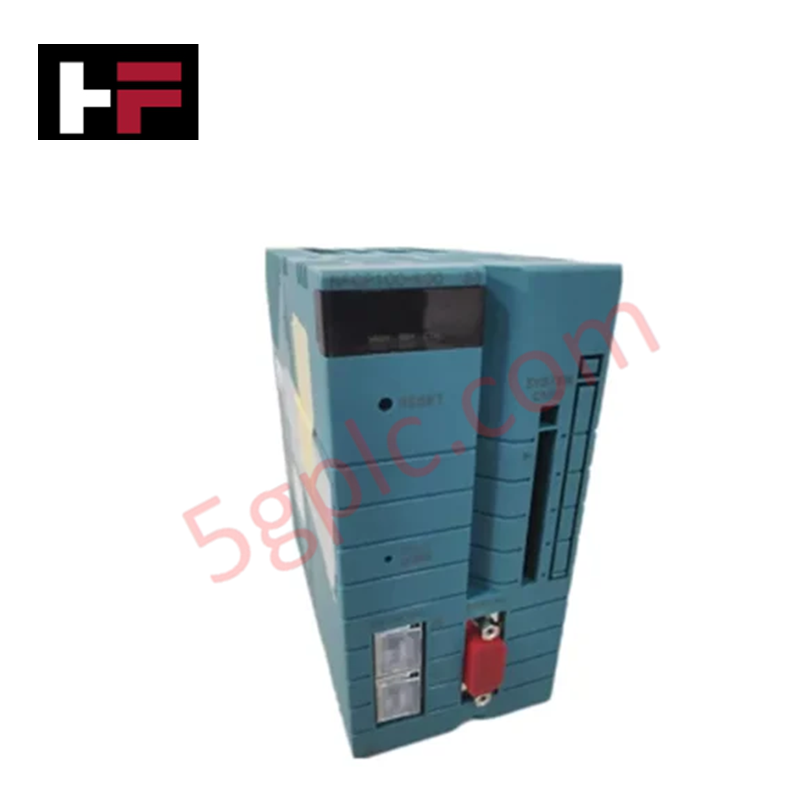
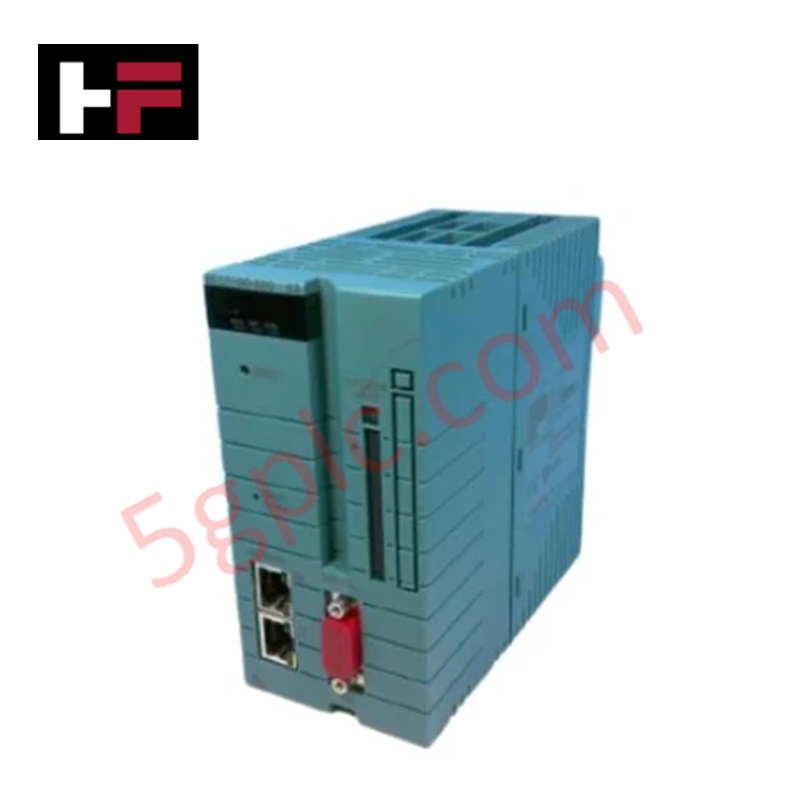
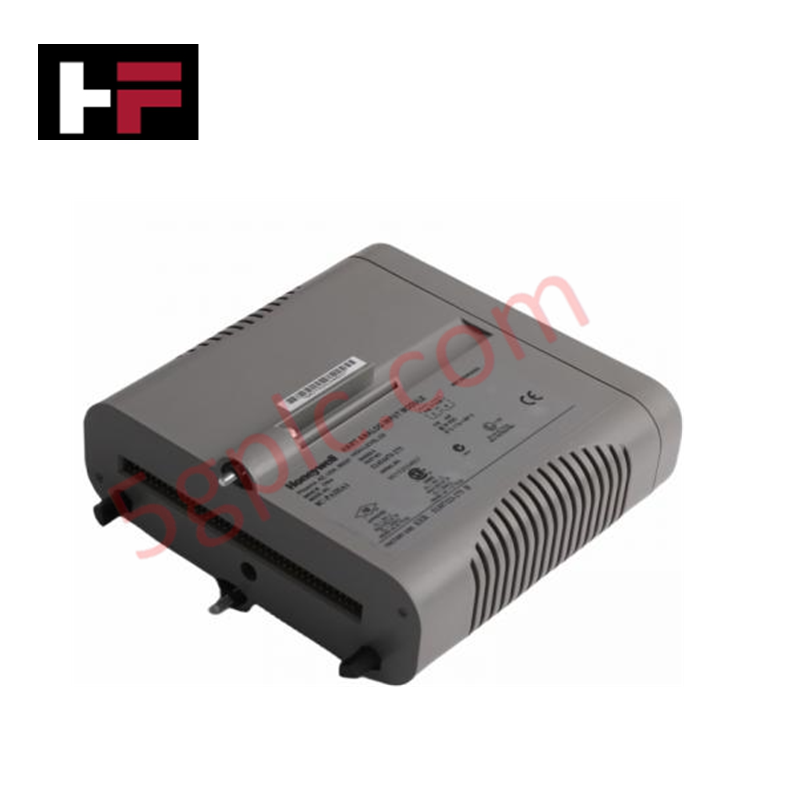
The Yokogawa NFCP100-S05 serves as the high-performance CPU node for the ProSafe-RS safety instrumented system (SIS). It executes safety logic and manages critical interlocks to protect plant assets and personnel. This module utilizes a dual-redundant architecture to achieve SIL3 safety certifications in demanding industrial applications. We supply this unit as 100% Brand New and Original, ensuring your safety-critical infrastructure operates with maximum integrity and zero previous runtime.
Part Number Breakdown
| Code | Specification | Detail |
| NFCP100 | Basic Model | Safety Control Station CPU Module |
| -S | System Type | Standard Safety Configuration |
| 05 | Hardware Style | Style 05 revision for enhanced bus stability |
Technical Specifications
| Feature | Specifications |
| Processor | 32-bit RISC high-speed processor |
| Memory | 256 MB DRAM with ECC (Error Correction Code) |
| Serial Interfaces | RS-232C (2-wire), RS-485 |
| Network Interfaces | Ethernet, H1 FOUNDATION Fieldbus |
| Power Input | 24 VDC |
| Operating Temp | -20 to 60 °C (-4 to 140 °F) |
| Shock Resistance | 15 G, 11 ms half-sine |
| Dimensions | 230 mm (W) x 130 mm (H) x 60 mm (D) |
| Weight | 1.5 kg (3.31 lb) |
Engineering Advantages
-
Data Integrity through ECC Memory: The NFCP100-S05 utilizes 256 MB of DRAM equipped with Error Correction Code (ECC). This hardware-level feature detects and corrects single-bit memory errors in real-time, preventing the "silent data corruption" that often leads to unexpected system trips in safety-critical loops.
-
Deterministic Multi-Protocol Routing: The CPU integrates Ethernet and H1 FOUNDATION Fieldbus interfaces directly. This allows the module to synchronize data between high-level plant networks and field-level instruments simultaneously, maintaining deterministic timing for safety shutdown functions.
-
Hardened Environmental Resilience: Designed for frontline deployment, the unit withstands temperatures up to 60 °C and resists mechanical shocks up to 15 G. These specifications allow for installation in remote instrument enclosures (RIE) located near heavy machinery without requiring specialized climate control systems.
-
Strict EMC Compliance: The module meets IEC 61000-4 standards for electromagnetic compatibility. Its internal shielding repels high-frequency interference and electrostatic discharges, ensuring the safety logic remains unaffected by nearby high-voltage switchgear or radio transmissions.
FAQs
-
Does the NFCP100-S05 support redundant CPU configurations?
Yes. The ProSafe-RS architecture allows you to pair two NFCP100-S05 modules in a redundant rack. This setup ensures that if one CPU encounters a hardware fault, the stand-by unit assumes control within milliseconds to maintain the safety state of the plant.
-
What is the significance of the Style 05 revision?
The Style 05 revision optimizes internal power distribution and enhances signal stability for the 32-bit parallel I/O interface. This style ensures compatibility with the latest ProSafe-RS bus backplanes while maintaining backward compatibility with legacy S01-S04 racks.
-
How should I handle the grounding for the RS-485 interface?
To prevent ground loops that could disturb safety signals, ensure you ground the cable shield at a single point, typically at the CPU side. The NFCP100-S05 provides dedicated grounding points to comply with IEC safety standards.
-
Can I replace an older NFCP100 module with the S05 version?
In most cases, the NFCP100-S05 functions as a direct replacement. However, you must verify your current system software version to ensure it recognizes the Style 05 hardware profile. Contact our technical team to confirm your specific firmware compatibility.
Additional Information
- 100% Genuine Parts: All products are original and authentic, ensuring reliable industrial performance.
- 30-Day Refund Guarantee: Return any in-stock item within 30 days in original, unopened packaging for a full refund (excluding shipping and fees).
- 12-Month Warranty: Covers defects in materials or workmanship; excludes misuse, normal wear, or unauthorized modifications.
- Worldwide Shipping: We ship via USPS, UPS, FedEx, and DHL. Delivery times vary by country and may be subject to customs or import fees.
- Support & Contact: Technical and warranty assistance is available anytime. Contact us here: Contact.
- Purchase Guidance: Check product specifications and compatibility carefully before ordering to ensure proper application.




Tech & Buying Guide

Understanding Marshalling Cabinets in Industrial Control Systems Architecture
Industrial control system deployments rely on structured signal distribution to bridge field instrumentation with central processing hardware. A marshalling cabinet serves as the vital intermediate connection point between heavy field home-run multi-pair cables and delicate input/output (I/O) modules housed inside Programmable Logic Controller (PLC) or Distributed Control System (DCS) enclosures. By segregating field cable terminations from control hardware, engineers maintain system flexibility, safeguard controller components, and streamline commissioning workflows.

FAT vs SAT in Industrial Control Systems: Key Differences and Execution Guide
Industrial control system deployment relies on strict verification protocols to guarantee operational safety, system stability, and regulatory compliance. Commissioning complex Programmable Logic Controller (PLC) racks, Distributed Control Systems (DCS), and Safety Instrumented Systems (SIS) requires two critical milestones: the Factory Acceptance Test (FAT) and the Site Acceptance Test (SAT). Both procedures validate that system automation meets design specifications, but they occur at different stages of project execution and target distinct operational risks.

Hub vs Switch vs Router in Industrial Automation Architecture
Modern factory automation relies on reliable industrial networking infrastructure to exchange real-time field data across operational technology systems. Engineers often encounter networking hardware like hubs, switches, and routers when integrating Programmable Logic Controllers, Distributed Control Systems, and SCADA monitoring nodes. Although these devices share physical ports, they operate at different layers of the Open Systems Interconnection reference model and deliver distinct traffic management capabilities.