










Product Details
Product Overview
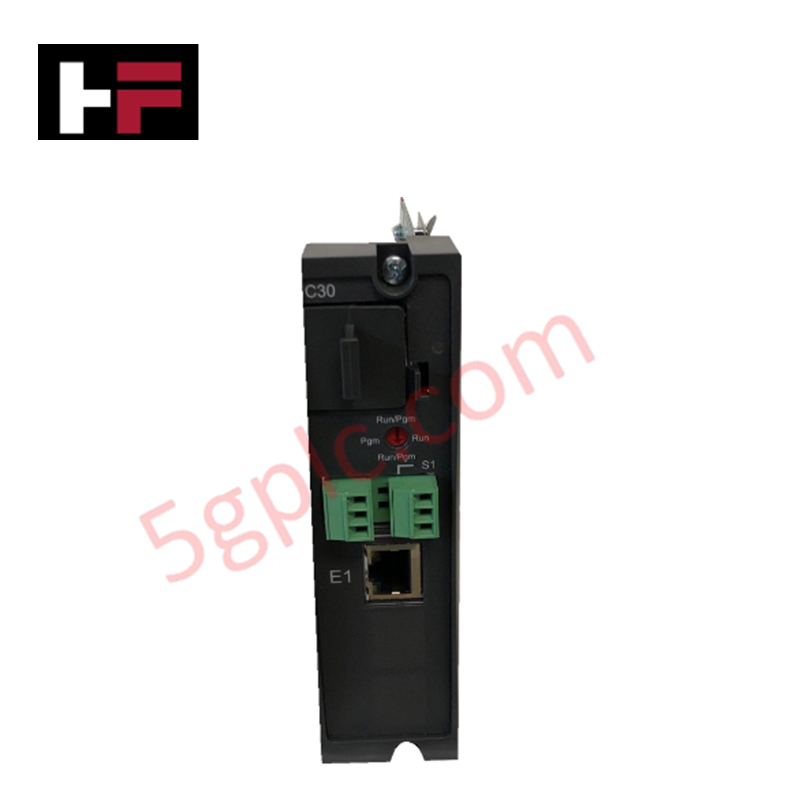
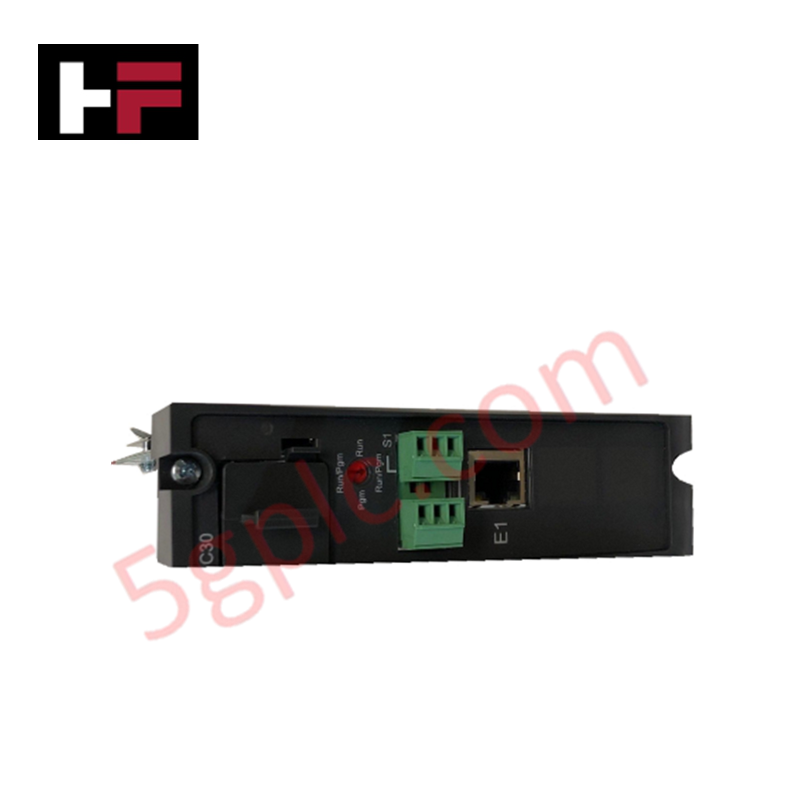
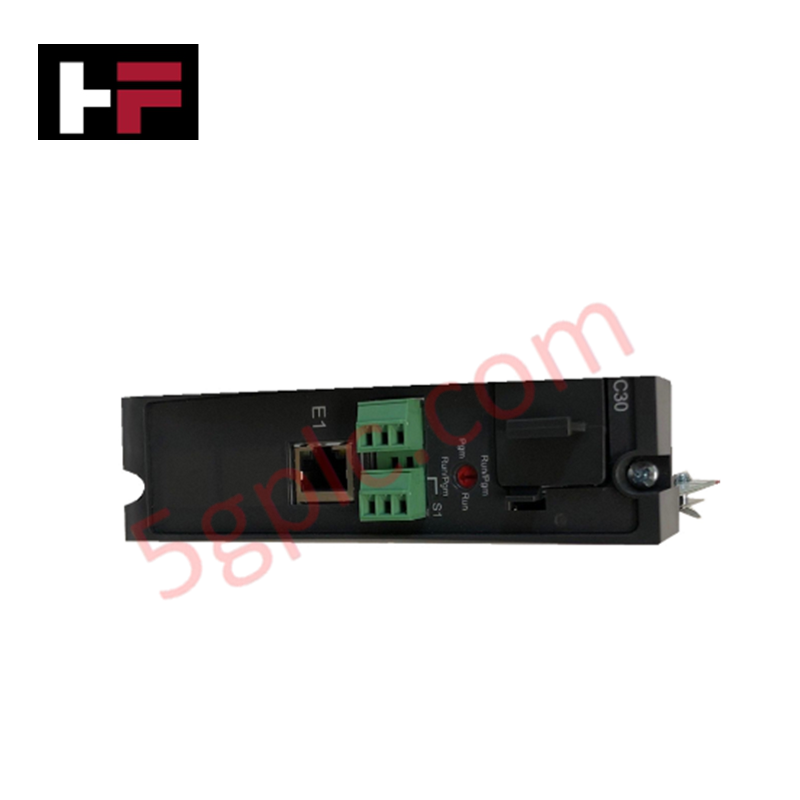
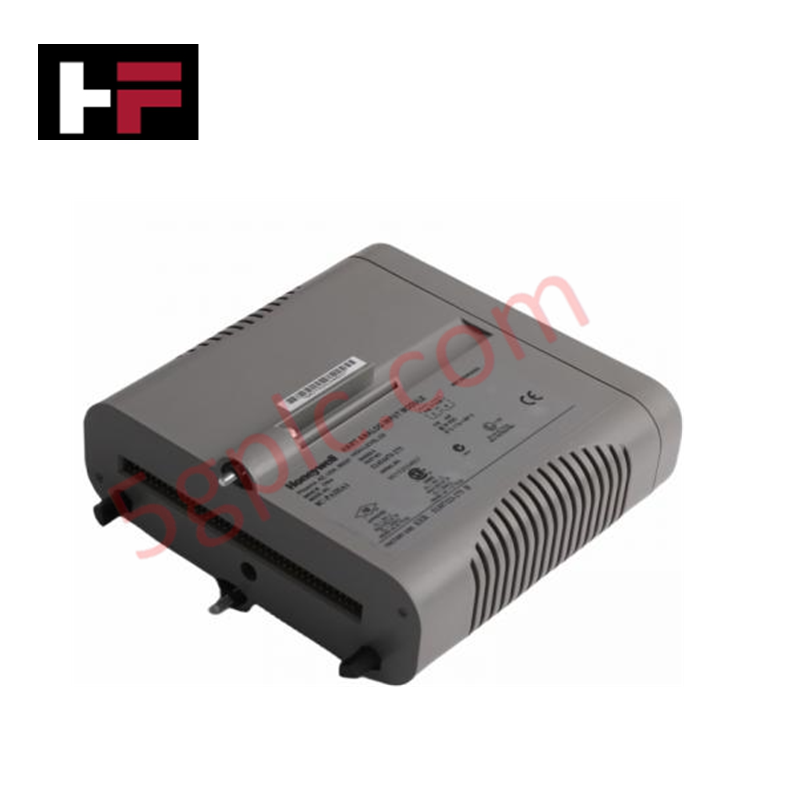
The Honeywell 900C30-0360-00 functions as the high-intelligence processing core for the ControlEdge HC900 C30 system. This CPU manages complex regulatory control, safety logic, and data acquisition tasks across various industrial sectors. It supports up to 400 function blocks, providing the computational depth required for sophisticated PID loops and sequence control. We supply this unit as 100% Brand New and original factory stock, ensuring your facility receives the latest hardware revision for maximum system longevity and compliance with modern safety standards.
Technical Specifications
The 900C30-0360-00 delivers expansive I/O capacity and robust logic execution within a modular framework:
| Feature | Capacity / Specification |
| Product Type | C30 Controller CPU Module |
| Logic Capacity | 400 Function Blocks |
| Universal Analog Inputs | Up to 96 Channels |
| High Level Analog Inputs | Up to 192 Channels |
| Total Digital I/O | 384 Points |
| Analog Outputs | 40 (Internal) / 192 (External Power) |
| Installation Category | Category II, Pollution Degree 2 |
| Rack Support | Compatible with 4, 8, or 12 Slot Racks |
| Shipping Weight | 3.0 kg (6.6 lbs) |
Engineering Advantages
-
Modular Architecture Efficiency: The C30 CPU utilizes a modular design that integrates seamlessly with metal rack enclosures. This allows engineers to scale the system by selecting specific I/O module types, reducing initial capital expenditure by only deploying the necessary hardware for the current process.
-
High-Density Signal Processing: By supporting up to 384 digital I/O points and 192 high-level analog inputs, this CPU eliminates the need for multiple small controllers. It centralizes control for large-scale equipment, simplifying the communication architecture and reducing network latency.
-
Robust Environmental Hardening: The unit meets IEC 664 and UL840 standards for installation coordination. The back-of-rack surface mounting system, secured by 4 screws, provides a high-vibration resistant foundation that prevents mechanical stress on the internal PCB during heavy industrial operations.
-
Seamless Integration: The CPU manages universal analog inputs directly, handling T/C, RTD, and linear signals without requiring external converters. This simplifies field wiring and reduces potential failure points in the signal chain.
FAQs
Q: Can the 900C30-0360-00 support redundant controller configurations?
A: No. The C30 series serves non-redundant applications. If your process requires high-availability redundancy, you must select the C70 or C75 series CPUs which support dual-processor failover.
Q: What is the primary difference between the 96 Universal and 192 High Level Analog Input specs?
A: Universal inputs allow direct connection of temperature sensors (RTD/TC) and low-level signals. High Level inputs typically process 4-20mA or 1-5V signals. The 900C30-0360-00 provides the flexibility to mix these types depending on the I/O modules you install in the rack.
Q: Does this CPU come pre-loaded with firmware?
A: We supply this module as 100% Brand New factory stock with standard base firmware. However, you must use the Honeywell HC900 Designer software to load your specific project configuration and ensure the firmware version matches your existing I/O scanner modules.
Q: What are the requirements for mounting the rack housing this CPU?
A: You must mount the rack on a flat, vertical surface using 4 screws. Ensure the installation environment adheres to Pollution Degree 2 requirements (clean, dry environments with non-conductive pollution) to maintain the electrical clearance and creepage safety ratings.
Additional Information
- 100% Genuine Parts: All products are original and authentic, ensuring reliable industrial performance.
- 30-Day Refund Guarantee: Return any in-stock item within 30 days in original, unopened packaging for a full refund (excluding shipping and fees).
- 12-Month Warranty: Covers defects in materials or workmanship; excludes misuse, normal wear, or unauthorized modifications.
- Worldwide Shipping: We ship via USPS, UPS, FedEx, and DHL. Delivery times vary by country and may be subject to customs or import fees.
- Support & Contact: Technical and warranty assistance is available anytime. Contact us here: Contact.
- Purchase Guidance: Check product specifications and compatibility carefully before ordering to ensure proper application.




Tech & Buying Guide

Understanding Marshalling Cabinets in Industrial Control Systems Architecture
Industrial control system deployments rely on structured signal distribution to bridge field instrumentation with central processing hardware. A marshalling cabinet serves as the vital intermediate connection point between heavy field home-run multi-pair cables and delicate input/output (I/O) modules housed inside Programmable Logic Controller (PLC) or Distributed Control System (DCS) enclosures. By segregating field cable terminations from control hardware, engineers maintain system flexibility, safeguard controller components, and streamline commissioning workflows.

FAT vs SAT in Industrial Control Systems: Key Differences and Execution Guide
Industrial control system deployment relies on strict verification protocols to guarantee operational safety, system stability, and regulatory compliance. Commissioning complex Programmable Logic Controller (PLC) racks, Distributed Control Systems (DCS), and Safety Instrumented Systems (SIS) requires two critical milestones: the Factory Acceptance Test (FAT) and the Site Acceptance Test (SAT). Both procedures validate that system automation meets design specifications, but they occur at different stages of project execution and target distinct operational risks.

Hub vs Switch vs Router in Industrial Automation Architecture
Modern factory automation relies on reliable industrial networking infrastructure to exchange real-time field data across operational technology systems. Engineers often encounter networking hardware like hubs, switches, and routers when integrating Programmable Logic Controllers, Distributed Control Systems, and SCADA monitoring nodes. Although these devices share physical ports, they operate at different layers of the Open Systems Interconnection reference model and deliver distinct traffic management capabilities.