











Product Details
Product Overview
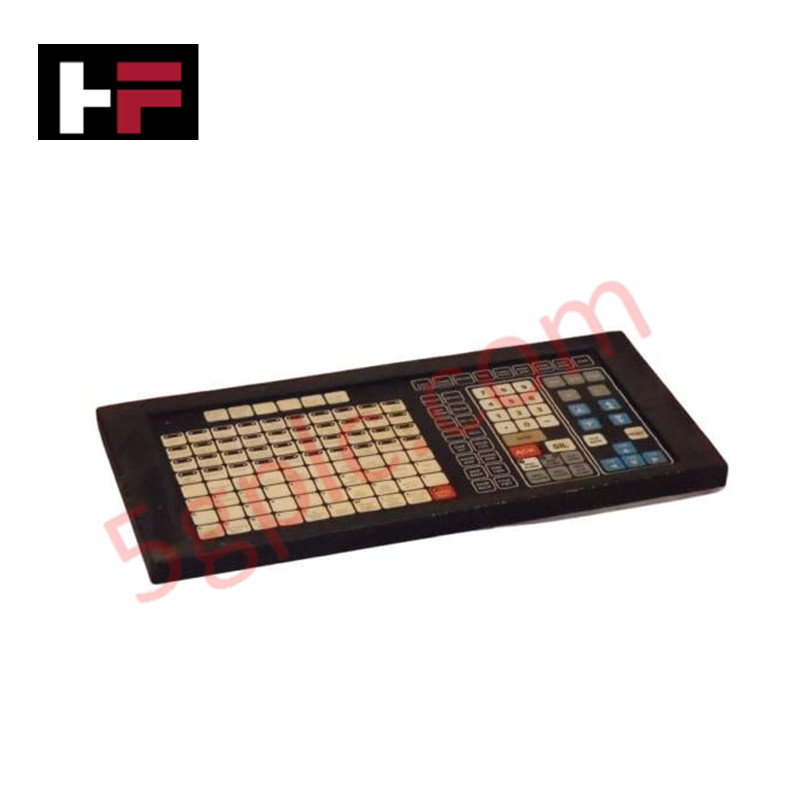
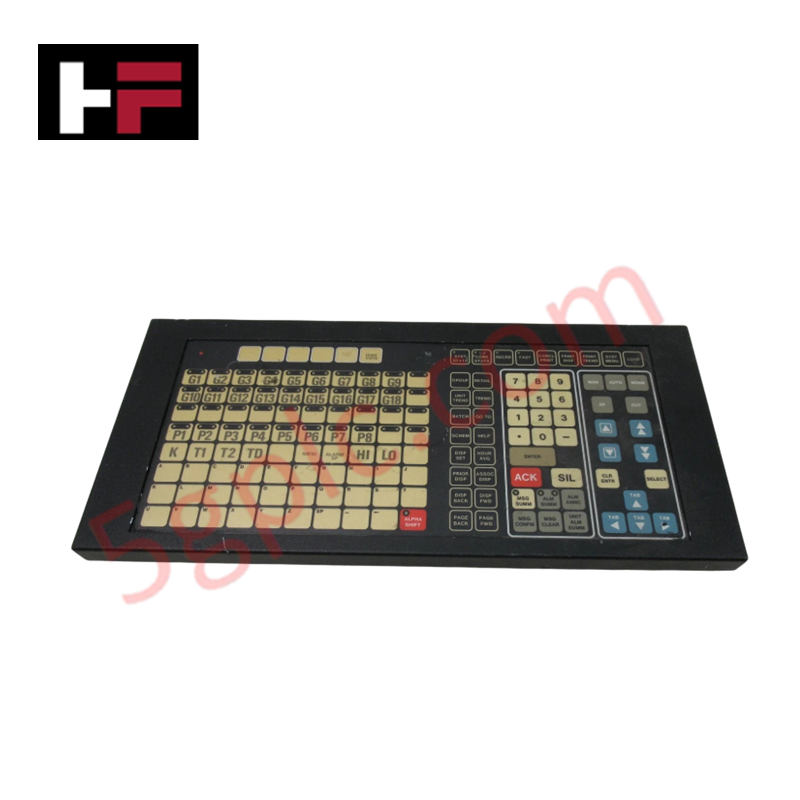
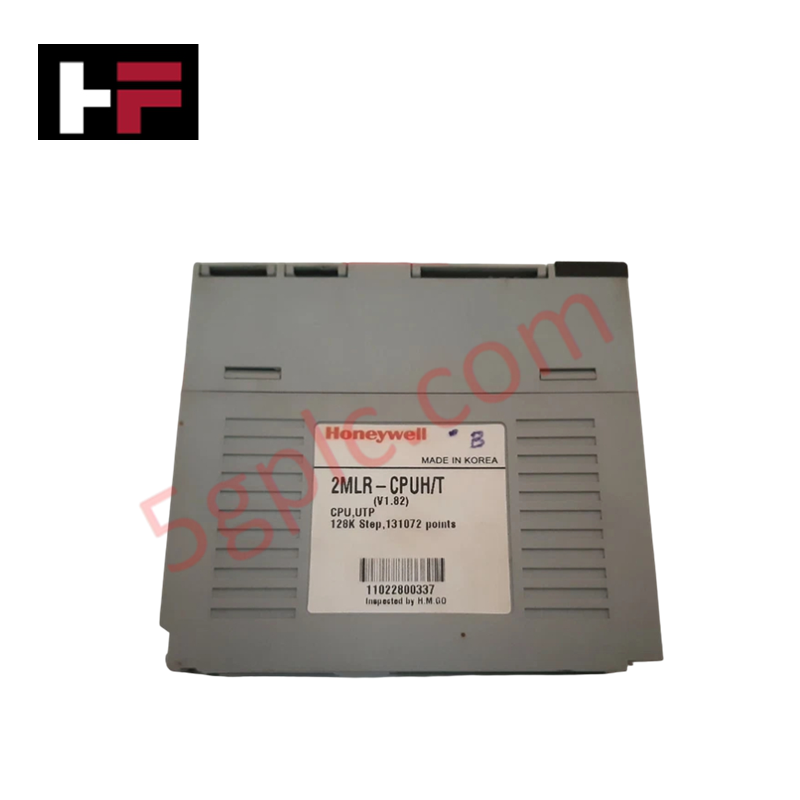
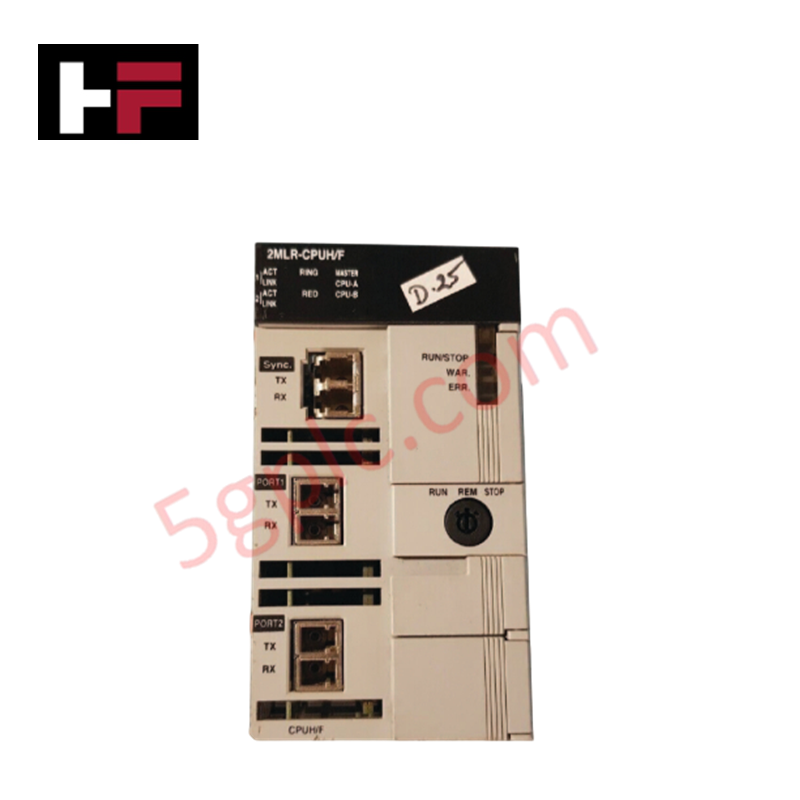
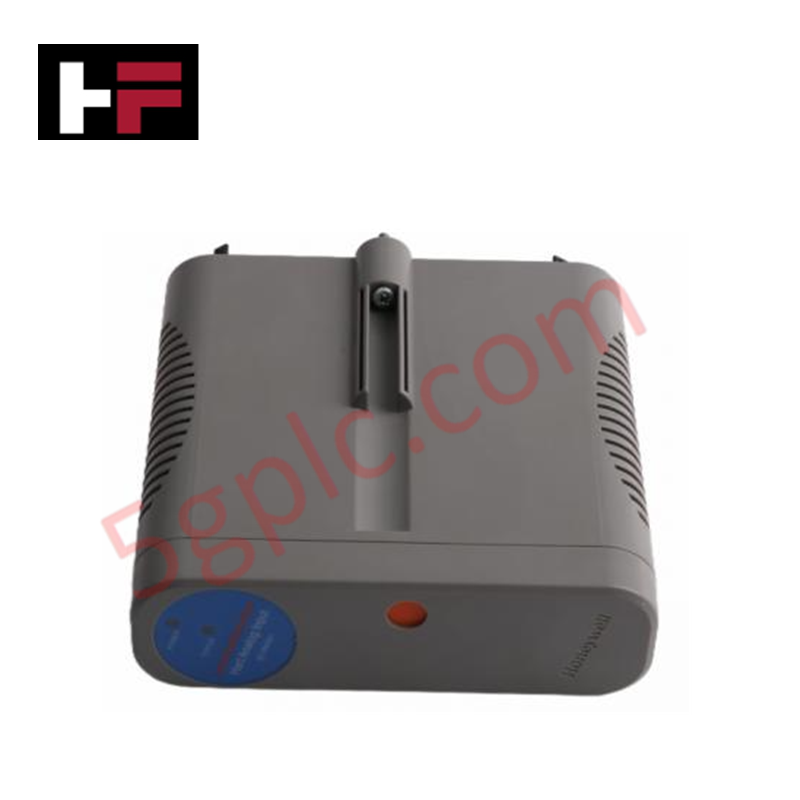
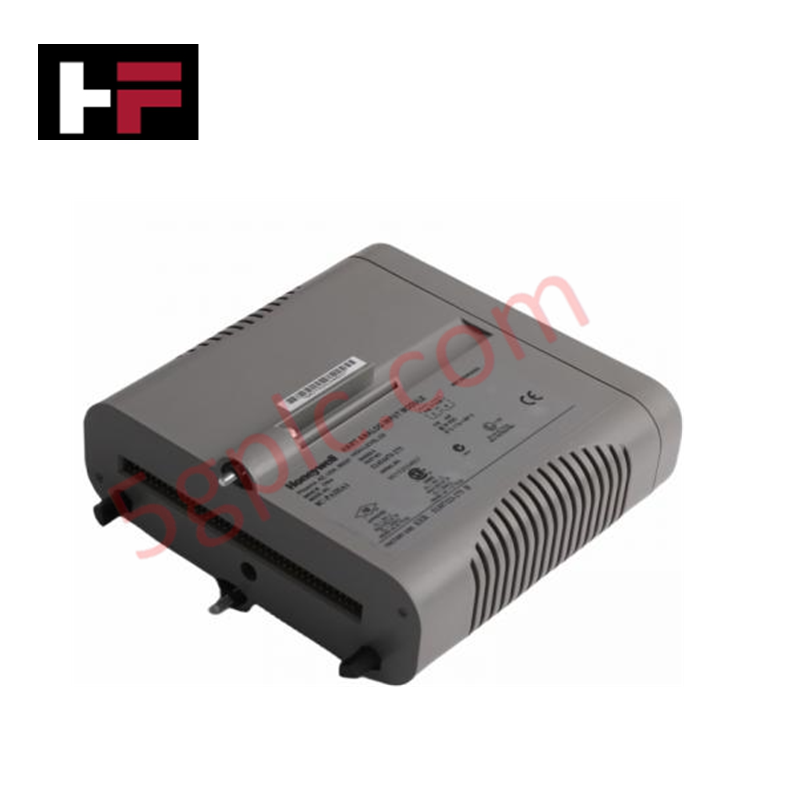
The Honeywell 51401560-100 operates as a high-density, 16-channel digital input module within industrial PLC and Honeywell control topologies. This module scans, captures, and conditions discrete 24V DC signals from field devices—such as limit switches, proximity sensors, and pushbuttons—translating them into actionable logic states for the central processor. We supply this product in 100% Brand New, original factory condition to ensure zero-latency signal registration and eliminate unexpected downtime in high-throughput manufacturing lines.
Technical Specifications
| Parameter | Performance Specification |
| Model Number | 51401560-100 |
| Manufacturer | Honeywell |
| Module Type | Digital Input Module (PLC / Machine Control) |
| Input Channels | 16 independent channels |
| Operating Voltage | 24V DC |
| Input Voltage Rating | 24V DC |
| Input Current Sink | 100 mA per channel |
| Physical Dimensions | 102 mm x 62 mm x 25 mm |
| Unit Weight | 0.3 kg (0.66 lbs) |
| Condition | 100% Brand New Original |
Engineering Advantages
-
Maximizes Channel Density in Tight Spaces: The ultra-compact footprint (102 x 62 x 25 mm) packs 16 individual input channels into a narrow chassis segment. This geometry resolves space constraints in congested terminal boxes and minimizes total enclosure hardware costs.
-
Filters High-Frequency Line Noise: Optical isolation barriers on each input circuit isolate incoming 24V DC field wiring from delicate internal logic. This architecture repels electromagnetic interference (EMI) and transient voltage spikes generated by nearby high-power contactors and motor starters.
-
Streamlines Terminal Mounting: The module features a robust slide-in mounting interface that locks directly into standard chassis slots. Field technicians install the 0.3 kg unit quickly using basic hand tools, securing a dependable mechanical ground instantly through the chassis rail contact.
-
Drives Down Energy Dissipation: The efficient circuit topology limits current consumption to 100 mA per channel. This low-draw design drops thermal emissions inside sealed NEMA enclosures, eliminating the need for auxiliary cooling fans.
FAQs
-
Does the 51401560-100 module support AC input voltages?
No. This specific module processes 24V DC discrete signals exclusively. Connecting alternating current (AC) lines will permanently damage the optocouplers and void the factory warranty. Always verify field instrument power parameters before termination.
-
How do technicians verify input channel status during troubleshooting?
The module housing contains front-facing diagnostic LED indicators that correspond directly to each of the 16 input channels. A lit LED confirms that the specific field device successfully delivers a 24V DC high state to that channel terminal.
-
What wiring practices prevent signal crosstalk across the 16 channels?
We recommend using twisted-pair, shielded signal cables for long field runs. Route the low-voltage 24V DC signal wires through dedicated layout conduits segregated from high-voltage AC power distribution cabling to maintain clean signal transitions.
Additional Information
- 100% Genuine Parts: All products are original and authentic, ensuring reliable industrial performance.
- 30-Day Refund Guarantee: Return any in-stock item within 30 days in original, unopened packaging for a full refund (excluding shipping and fees).
- 12-Month Warranty: Covers defects in materials or workmanship; excludes misuse, normal wear, or unauthorized modifications.
- Worldwide Shipping: We ship via USPS, UPS, FedEx, and DHL. Delivery times vary by country and may be subject to customs or import fees.
- Support & Contact: Technical and warranty assistance is available anytime. Contact us here: Contact.
- Purchase Guidance: Check product specifications and compatibility carefully before ordering to ensure proper application.




Tech & Buying Guide

Understanding Marshalling Cabinets in Industrial Control Systems Architecture
Industrial control system deployments rely on structured signal distribution to bridge field instrumentation with central processing hardware. A marshalling cabinet serves as the vital intermediate connection point between heavy field home-run multi-pair cables and delicate input/output (I/O) modules housed inside Programmable Logic Controller (PLC) or Distributed Control System (DCS) enclosures. By segregating field cable terminations from control hardware, engineers maintain system flexibility, safeguard controller components, and streamline commissioning workflows.

FAT vs SAT in Industrial Control Systems: Key Differences and Execution Guide
Industrial control system deployment relies on strict verification protocols to guarantee operational safety, system stability, and regulatory compliance. Commissioning complex Programmable Logic Controller (PLC) racks, Distributed Control Systems (DCS), and Safety Instrumented Systems (SIS) requires two critical milestones: the Factory Acceptance Test (FAT) and the Site Acceptance Test (SAT). Both procedures validate that system automation meets design specifications, but they occur at different stages of project execution and target distinct operational risks.

Hub vs Switch vs Router in Industrial Automation Architecture
Modern factory automation relies on reliable industrial networking infrastructure to exchange real-time field data across operational technology systems. Engineers often encounter networking hardware like hubs, switches, and routers when integrating Programmable Logic Controllers, Distributed Control Systems, and SCADA monitoring nodes. Although these devices share physical ports, they operate at different layers of the Open Systems Interconnection reference model and deliver distinct traffic management capabilities.