










Product Details
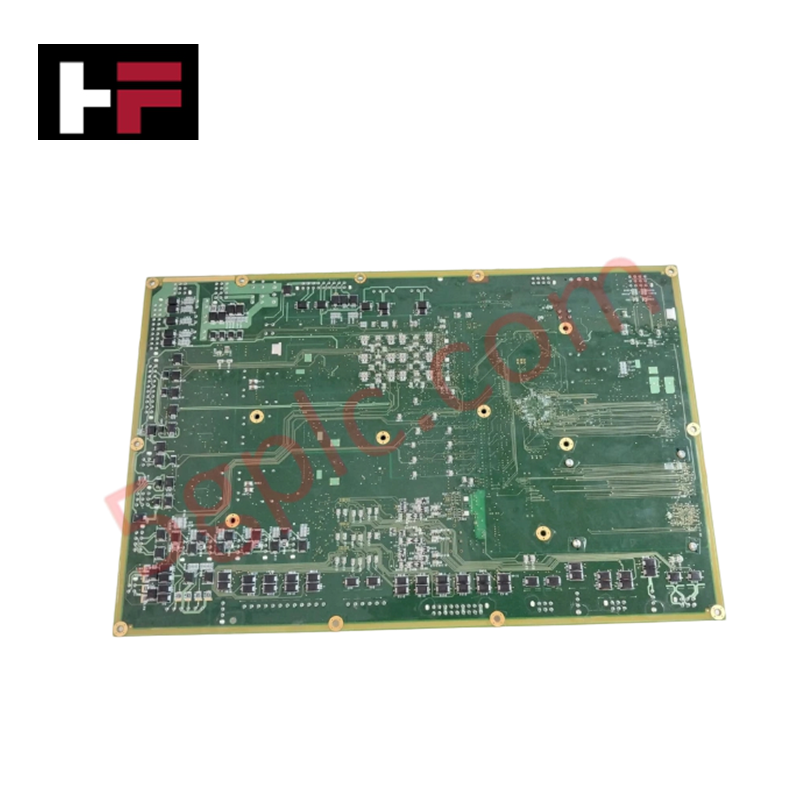
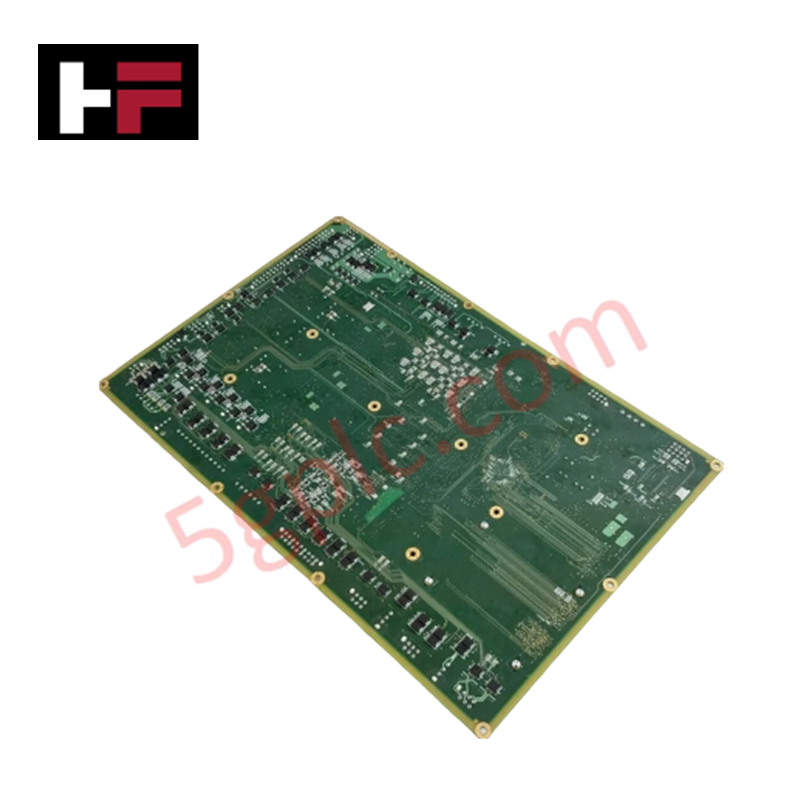
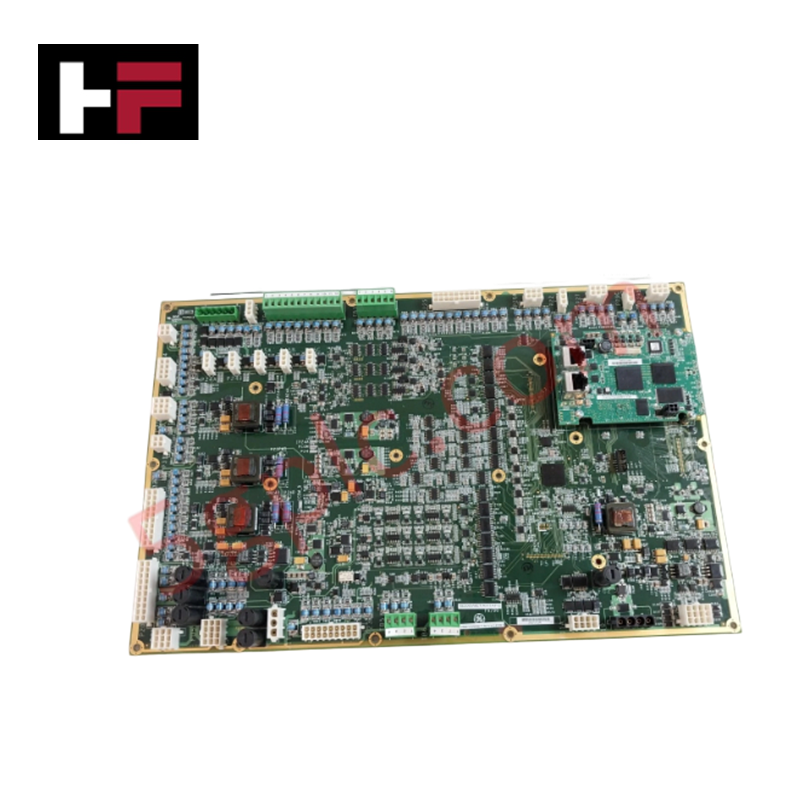
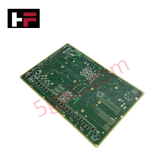
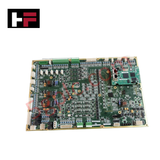
The GE IS210BPPCH1ACA, also cataloged as the IS210BPPC Processor Daughterboard, operates as a dedicated hardware component for localized I/O signal processing and safety instrumented functions within GE Mark VIe control platforms.
Hardware Specifications
| Parameter | Specification |
|---|---|
| Model | IS210BPPCH1ACA |
| Brand | General Electric |
| Origin | USA |
| Weight | 0.25 kg |
| Dimensions | 120 x 85 x 25 mm |
| Operating Temp | -30 to 65 deg C |
| Power Consumption | 5 W |
| Functional Acronym | BPPC |
| System Series | Mark VIe (not compatible with Mark VIeS) |
| Board Assembly Type | IS210 Special Modular Assembly |
| Component Technology | Surface Mount Technology (SMT) on both board sides |
| Board Protection | Conformal Coating |
| Terminal Board Compatibility | Dual and Triple Modular Redundant (TMR) terminal boards |
| Revision Matrix | ACA (2 Functional revisions, 1 Artwork configuration revision) |
| Onboard Components | ICs, Transistors, Resistors, Capacitors, Chokes, Diodes, Fuse, Jumpers, TP Test Points |
| Interface Ports | 2 x Board-edge communication ports |
Backplane Bus Communication Velocity and Firmware Flash Compatibility
The IS210BPPCH1ACA interfaces directly with terminal boards to maintain high-speed signal processing and control loop execution. Onboard integrated circuits manage real-time data serialization, preserving backplane bus communication velocity across dual and TMR hardware architectures. The board supports auto-reconfiguration during module replacement, maintaining firmware flash compatibility when swapping legacy BPPB hardware for BPPC packs. ToolboxST software branding routines enable functional safety code validation, allowing compliant operation within IEC 61511 Safety Instrumented Function (SIF) applications.
Frequently Asked Questions
Q: Is the IS210BPPCH1ACA backward compatible with older BPPB processor components?
A: Yes, the BPPC module can be mixed with older BPPB components on dual or TMR terminal boards, supporting automatic reconfiguration upon replacement.
Q: Can the IS210BPPCH1ACA processor board be installed in a Mark VIeS safety system?
A: No, Mark VIeS systems require specific PBBC processor packs ending in S1B; the IS210BPPCH1ACA is explicitly non-compatible with Mark VIeS racks.
Q: How is safety code verification managed on the BPPC board?
A: The board supports software branding executed within the ToolboxST application, which marks certified application code for IEC 61511 compliant safety instrumented functions.
Field Installation Guidelines
Ensure all system power sources feeding the terminal board assembly are completely de-energized prior to removing or installing the daughterboard. Wear a verified grounded ESD wrist strap throughout handling to protect dual-sided surface-mount technology (SMT) components from static discharge. Align the daughterboard with the mounting standoffs, press evenly to engage the edge ports, and secure using metallic screws through the conductive-ringed factory mounting holes to establish a clean grounding circuit. Verify jumper configurations match system requirements before re-applying power.
Additional Information
- 100% Genuine Parts: All products are original and authentic, ensuring reliable industrial performance.
- 30-Day Refund Guarantee: Return any in-stock item within 30 days in original, unopened packaging for a full refund (excluding shipping and fees).
- 12-Month Warranty: Covers defects in materials or workmanship; excludes misuse, normal wear, or unauthorized modifications.
- Worldwide Shipping: We ship via USPS, UPS, FedEx, and DHL. Delivery times vary by country and may be subject to customs or import fees.
- Support & Contact: Technical and warranty assistance is available anytime. Contact us here: Contact.
- Purchase Guidance: Check product specifications and compatibility carefully before ordering to ensure proper application.


Tech & Buying Guide

Master Acceptance Testing: Understanding FAT and SAT in Industrial Control Systems
Factory Acceptance Testing (FAT) and Site Acceptance Testing (SAT) serve as critical quality assurance gateways in complex industrial control systems. Both procedures verify that programmable logic controllers (PLCs), distributed control systems (DCS), and associated field devices meet strict functional specifications. However, executing these tests effectively requires clear delineation between off-site staging and final field commissioning.

Industrial Networking Essentials: Demystifying Hubs, Switches, and Routers in Control Systems
Industrial automation relies heavily on robust networking infrastructure to connect programmable logic controllers (PLCs), distributed control systems (DCS), and human-machine interfaces (HMIs). Modern factory automation environments generate vast amounts of real-time operational data across deterministic networks. Understanding the structural differences between hubs, switches, and routers ensures optimal traffic segmentation, minimizes latency, and maintains high network availability.

Safety Relays in Industrial Automation: Fundamentals, Design Standards, and Fail-Safe Architecture
Safety relays form the bedrock of functional safety in modern factory automation, preventing catastrophic equipment failure and protecting plant personnel. While standard electromechanical relays handle basic load switching, they lack the redundant diagnostics required for high-risk industrial environments. Modern industrial automation platforms—including programmable logic controllers (PLCs) and distributed control systems (DCS)—rely on specialized safety relays to monitor field devices and isolate hazards instantly.