












Product Details
Product Overview
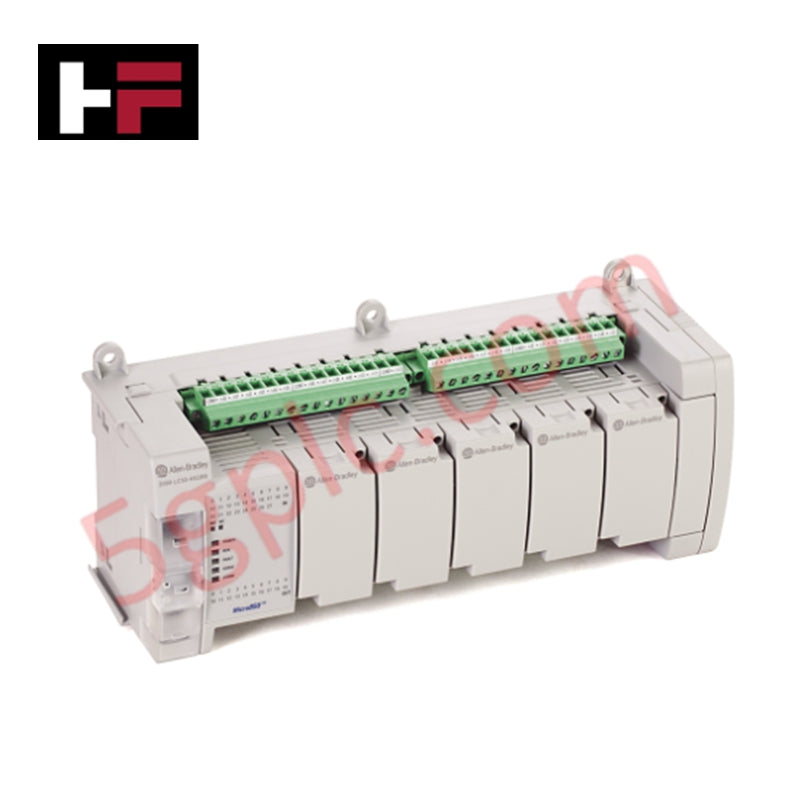
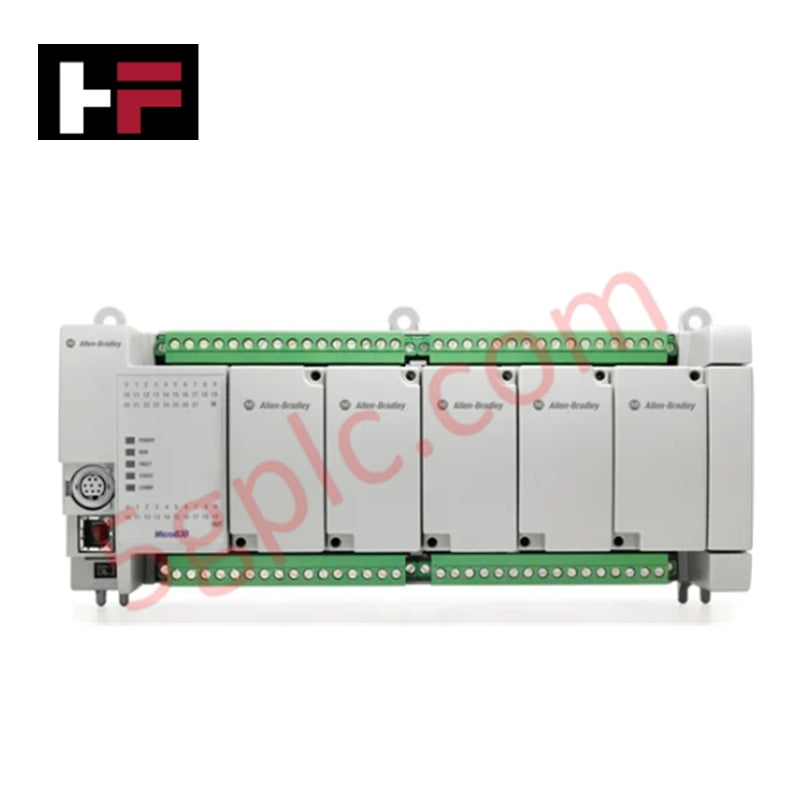
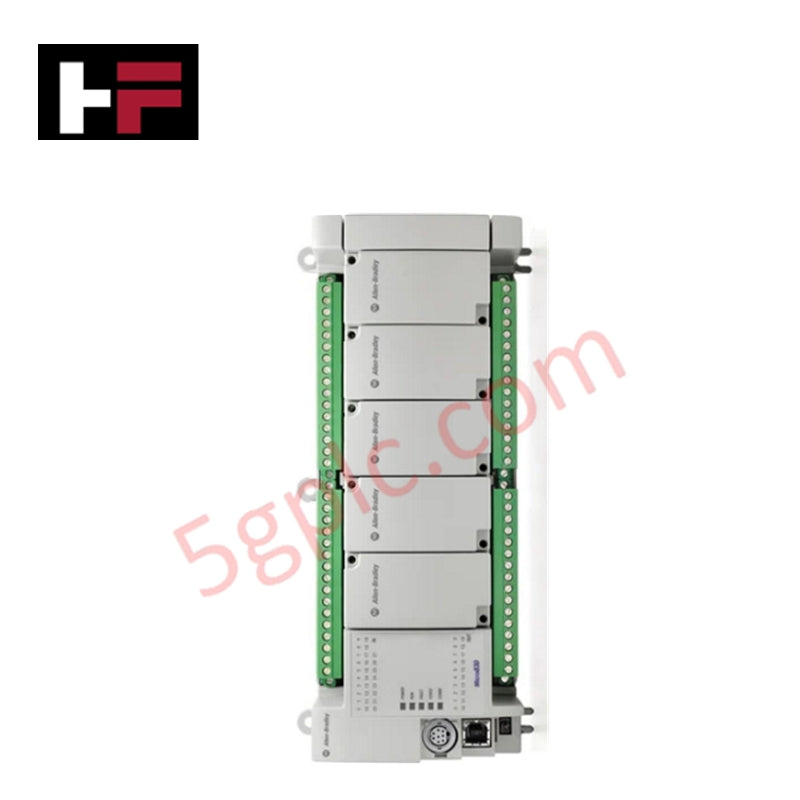
The Allen-Bradley 2080-LC50-48QWB stands as a high-density processing powerhouse within the Micro850 family, designed for standalone machines requiring extensive I/O and versatile switching capabilities. This 48-point controller features a hybrid input stage and robust relay outputs, making it the ideal choice for applications involving diverse voltage levels and heavy-duty actuator control. We supply this unit as 100% Brand New and Original, ensuring your automation system utilizes factory-fresh electronics with full manufacturer specifications.
Technical Specifications
| Feature | Specification Details |
| Total I/O Count | 48 Points |
| Input Configuration | 28 AC/DC Inputs (12 High-Speed) |
| Output Configuration | 20 Relay Outputs |
| Input Voltage Rating | 24V AC/DC |
| IEC Input Type | Type 3 |
| Off-State Input Voltage | 5V DC (Maximum) |
| Off-State Input Current | 1.5 mA (Maximum) |
| Power Consumption | 33 Watts |
| Wiring Material | Copper Only (Solid or Stranded) |
| Weight | 1.44 lbs (0.65 kg) |
Engineering Advantages
-
Flexible AC/DC Input Interfacing: The 2080-LC50-48QWB accepts both 24V AC and 24V DC signals on its 28 input points. This versatility eliminates the need for interposing relays or signal converters when mixing different sensor power types, significantly reducing cabinet wiring complexity.
-
High-Current Relay Switching: The 20 outputs utilize mechanical relays, allowing the controller to switch diverse loads including AC contactors, small motors, and solenoids directly. This eliminates the voltage drop associated with transistor outputs and provides inherent isolation between the logic and field circuits.
-
Advanced Motion and Timing: 12 dedicated high-speed inputs handle pulse-train signals for high-accuracy counting and basic motion applications. These inputs process signals that standard PLC scans might miss, ensuring precise position tracking in packaging and assembly lines.
-
Simplified Field Termination: The controller supports both solid and stranded copper wire, accommodating various industrial wiring standards. The design ensures secure connections that withstand the vibrations typical of machine-mounted control enclosures.
-
Type 3 IEC Compatibility: Compliance with IEC Type 3 input standards ensures robust performance with high-leakage current sensors (like 3-wire proximity switches), preventing "false on" signals that frequently plague lower-spec controllers.
FAQs
Q: Does the 2080-LC50-48QWB support Ethernet communication?
A: Yes. The Micro850 48-point controller includes an integrated 10/100 Base-T Ethernet port. This allows for seamless HMI connectivity, peer-to-peer messaging with other PLCs, and remote programming via Connected Components Workbench (CCW) software.
Q: Is this unit a surplus or used product?
A: No. We guarantee this unit is 100% Brand New and Original. It arrives in the original factory-sealed Allen-Bradley packaging. This is critical for relay-output controllers, as it guarantees the mechanical life of the 20 internal relays is completely untouched.
Q: Can I expand the I/O capacity beyond the built-in 48 points?
A: Yes. The 2080-LC50-48QWB supports up to four 2085 expansion I/O modules on its right side and up to five 2080 plug-in modules on the front. This modularity allows you to scale the system as your machine requirements grow.
Q: What type of wire must I use for the terminal blocks?
A: Use copper wire only. The terminals accommodate both solid and stranded conductors. For high-vibration environments, we recommend stranded wire with ferrules to ensure long-term electrical contact and prevent conductor fatigue.
Additional Information
- 100% Genuine Parts: All products are original and authentic, ensuring reliable industrial performance.
- 30-Day Refund Guarantee: Return any in-stock item within 30 days in original, unopened packaging for a full refund (excluding shipping and fees).
- 12-Month Warranty: Covers defects in materials or workmanship; excludes misuse, normal wear, or unauthorized modifications.
- Worldwide Shipping: We ship via USPS, UPS, FedEx, and DHL. Delivery times vary by country and may be subject to customs or import fees.
- Support & Contact: Technical and warranty assistance is available anytime. Contact us here: Contact.
- Purchase Guidance: Check product specifications and compatibility carefully before ordering to ensure proper application.




Tech & Buying Guide

Understanding Marshalling Cabinets in Industrial Control Systems Architecture
Industrial control system deployments rely on structured signal distribution to bridge field instrumentation with central processing hardware. A marshalling cabinet serves as the vital intermediate connection point between heavy field home-run multi-pair cables and delicate input/output (I/O) modules housed inside Programmable Logic Controller (PLC) or Distributed Control System (DCS) enclosures. By segregating field cable terminations from control hardware, engineers maintain system flexibility, safeguard controller components, and streamline commissioning workflows.

FAT vs SAT in Industrial Control Systems: Key Differences and Execution Guide
Industrial control system deployment relies on strict verification protocols to guarantee operational safety, system stability, and regulatory compliance. Commissioning complex Programmable Logic Controller (PLC) racks, Distributed Control Systems (DCS), and Safety Instrumented Systems (SIS) requires two critical milestones: the Factory Acceptance Test (FAT) and the Site Acceptance Test (SAT). Both procedures validate that system automation meets design specifications, but they occur at different stages of project execution and target distinct operational risks.

Hub vs Switch vs Router in Industrial Automation Architecture
Modern factory automation relies on reliable industrial networking infrastructure to exchange real-time field data across operational technology systems. Engineers often encounter networking hardware like hubs, switches, and routers when integrating Programmable Logic Controllers, Distributed Control Systems, and SCADA monitoring nodes. Although these devices share physical ports, they operate at different layers of the Open Systems Interconnection reference model and deliver distinct traffic management capabilities.