










Product Details
Product Overview
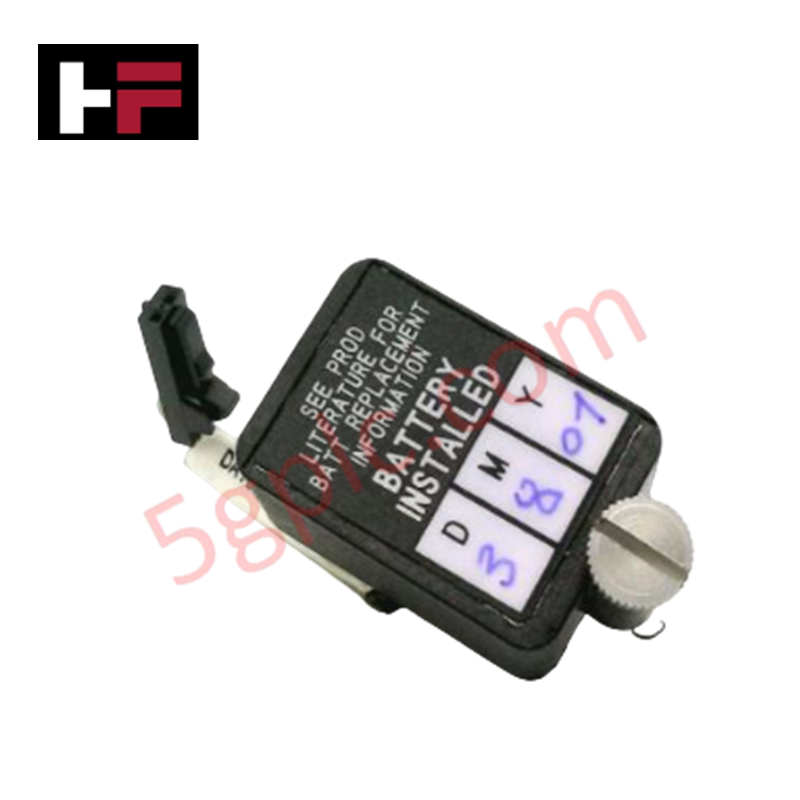
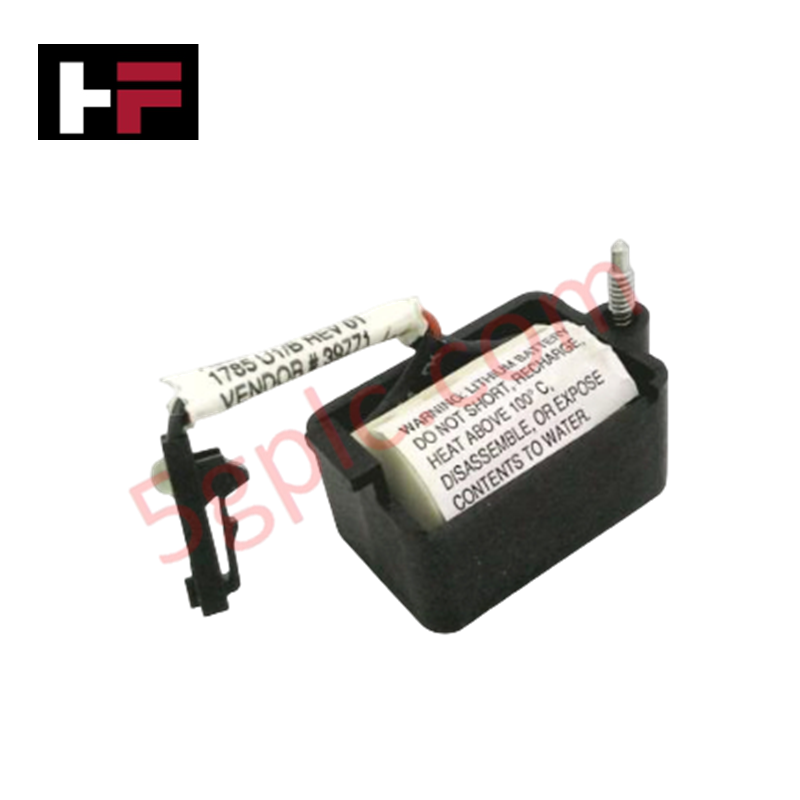
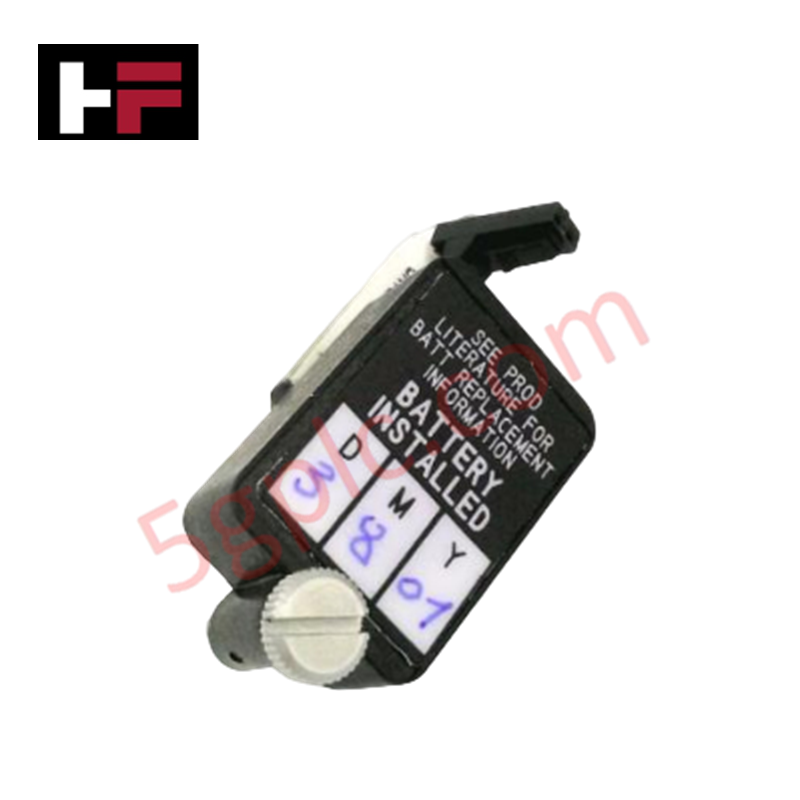
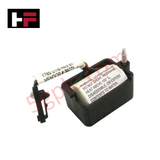
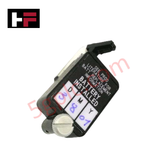
The Allen-Bradley 1785-U1 functions as a high-density industrial backup battery engineered specifically for the PLC-5 coprocessor module series. This specialized lithium cell supplies continuous standby power to the coprocessor’s volatile Random Access Memory (RAM) whenever the main chassis loses primary electrical feed. By maintaining the memory circuit voltage, this cell preserves critical application logic, system configurations, and active runtime variables from sudden erasure during scheduled plant shutdowns or unexpected blackouts.
We supply this component strictly as a 100% brand new, original factory-sealed unit to ensure maximum nominal shelf life, full factory chemical capacity, and uncompromised voltage retention characteristics.
Technical Specifications
The table below logs the technical profile, primary classification, and physical footprints of the 1785-U1 battery module:
| Parameter | Performance & Chemical Specifications |
| Manufacturer | Allen-Bradley / Rockwell Automation |
| Part Number | 1785-U1 |
| Product Line Compatibility | PLC-5 Coprocessor Modules |
| Product Type | Industrial Memory Backup Battery |
| Chemistry | Industrial Lithium |
| Equipment Category | PLCs / Machine Control Hardware Accessories |
| Net Component Weight | 0.10 lbs (0.045 kg) |
Engineering Advantages
-
Prevents Total Program Corruption: The 1785-U1 delivers a rock-solid voltage baseline directly to the coprocessor’s memory retention pins. This localized power source blocks memory wipeouts during major grid failures, eliminating the need for engineers to manually reload system files via programming terminals before resuming production.
-
Eliminates Chemical Passivation Degradation: Our 100% brand new inventory prevents the severe voltage delay drops common in older, poorly stored lithium cells. The pristine chemical matrix responds instantly to system power dips, outputting the exact current required without causing a memory drop glitch.
-
Simplifies Hot-Swap Preventive Maintenance: The compact wire-lead connector slips smoothly into the dedicated coprocessor battery socket. This plug-and-play assembly allows maintenance electricians to perform scheduled swap-outs without using soldering guns or specialized field hand tools.
FAQs
-
Can I replace the 1785-U1 battery while the PLC-5 system is running without losing my program?
Yes. You must replace this battery while the chassis maintains live backplane power to the coprocessor module. The active backplane voltage sustains the internal RAM chips during the swap, allowing you to safely unplug the depleted cell and insert this brand new 1785-U1 without dropping a single line of memory.
-
How often should plant maintenance teams replace this coprocessor battery?
Under standard operational temperatures, we recommend replacing the 1785-U1 every 12 to 24 months as a preventive safety measure. Ambient panel heat accelerates chemical depletion, so monitoring the front-facing "BATT" status LED on the module face provides the ultimate guide for immediate replacement timing.
-
Does this battery work as a replacement for the standard PLC-5/11, 5/20, or 5/40 main processor units?
No. Main PLC-5 processors typically utilize different battery shapes and wire configurations (such as the 1770-XYC cell). The 1785-U1 fits the specific pin arrangements and physical slots found exclusively on the auxiliary coprocessor modules. Always check your module user manual to verify your exact battery part number before purchasing.
Additional Information
- 100% Genuine Parts: All products are original and authentic, ensuring reliable industrial performance.
- 30-Day Refund Guarantee: Return any in-stock item within 30 days in original, unopened packaging for a full refund (excluding shipping and fees).
- 12-Month Warranty: Covers defects in materials or workmanship; excludes misuse, normal wear, or unauthorized modifications.
- Worldwide Shipping: We ship via USPS, UPS, FedEx, and DHL. Delivery times vary by country and may be subject to customs or import fees.
- Support & Contact: Technical and warranty assistance is available anytime. Contact us here: Contact.
- Purchase Guidance: Check product specifications and compatibility carefully before ordering to ensure proper application.




Tech & Buying Guide

Understanding Marshalling Cabinets in Industrial Control Systems Architecture
Industrial control system deployments rely on structured signal distribution to bridge field instrumentation with central processing hardware. A marshalling cabinet serves as the vital intermediate connection point between heavy field home-run multi-pair cables and delicate input/output (I/O) modules housed inside Programmable Logic Controller (PLC) or Distributed Control System (DCS) enclosures. By segregating field cable terminations from control hardware, engineers maintain system flexibility, safeguard controller components, and streamline commissioning workflows.

FAT vs SAT in Industrial Control Systems: Key Differences and Execution Guide
Industrial control system deployment relies on strict verification protocols to guarantee operational safety, system stability, and regulatory compliance. Commissioning complex Programmable Logic Controller (PLC) racks, Distributed Control Systems (DCS), and Safety Instrumented Systems (SIS) requires two critical milestones: the Factory Acceptance Test (FAT) and the Site Acceptance Test (SAT). Both procedures validate that system automation meets design specifications, but they occur at different stages of project execution and target distinct operational risks.

Hub vs Switch vs Router in Industrial Automation Architecture
Modern factory automation relies on reliable industrial networking infrastructure to exchange real-time field data across operational technology systems. Engineers often encounter networking hardware like hubs, switches, and routers when integrating Programmable Logic Controllers, Distributed Control Systems, and SCADA monitoring nodes. Although these devices share physical ports, they operate at different layers of the Open Systems Interconnection reference model and deliver distinct traffic management capabilities.