










Product Details
Product Overview
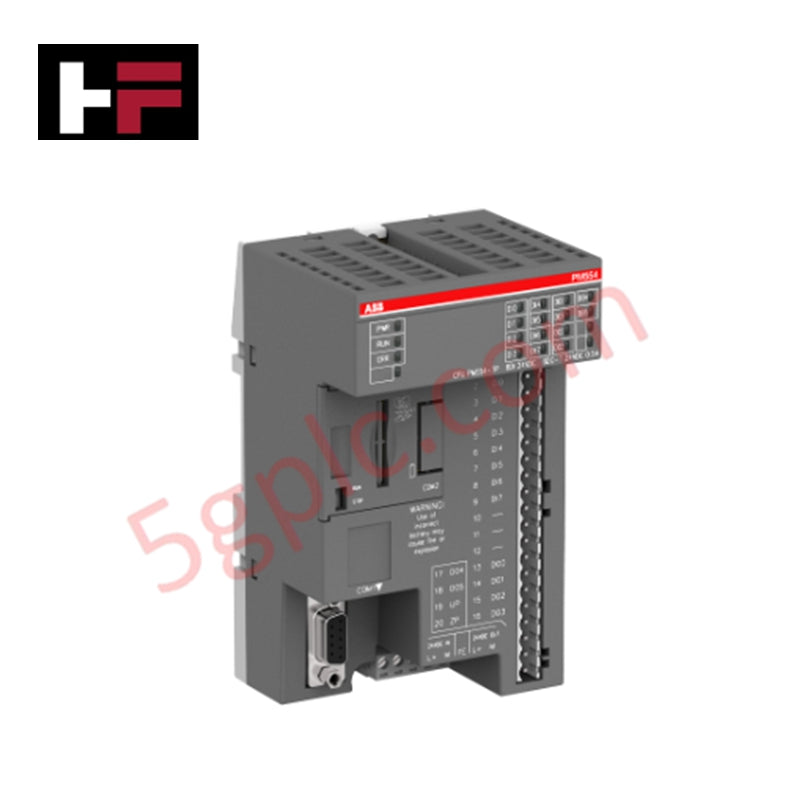
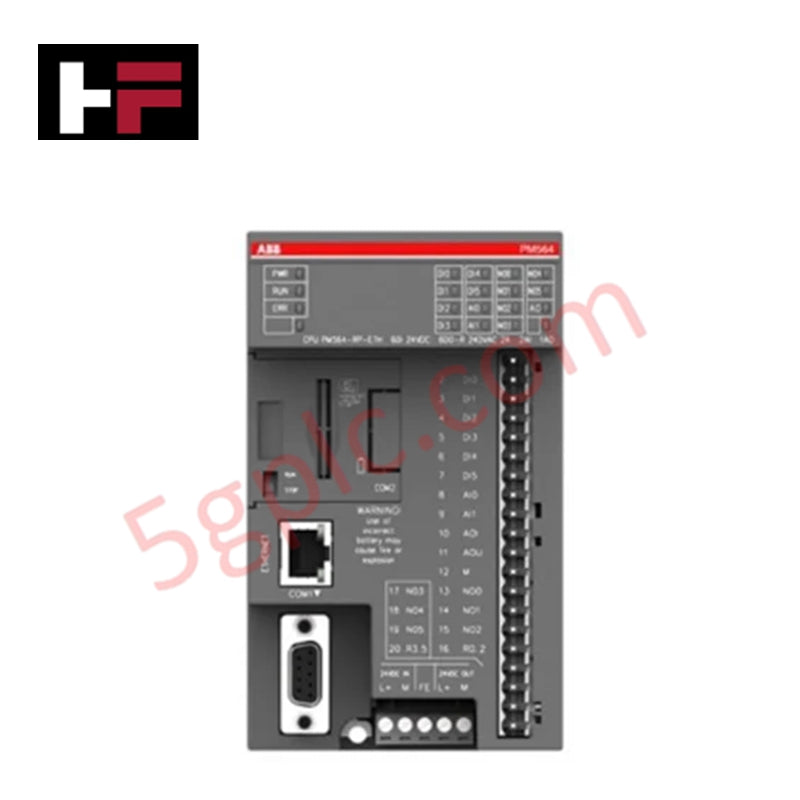
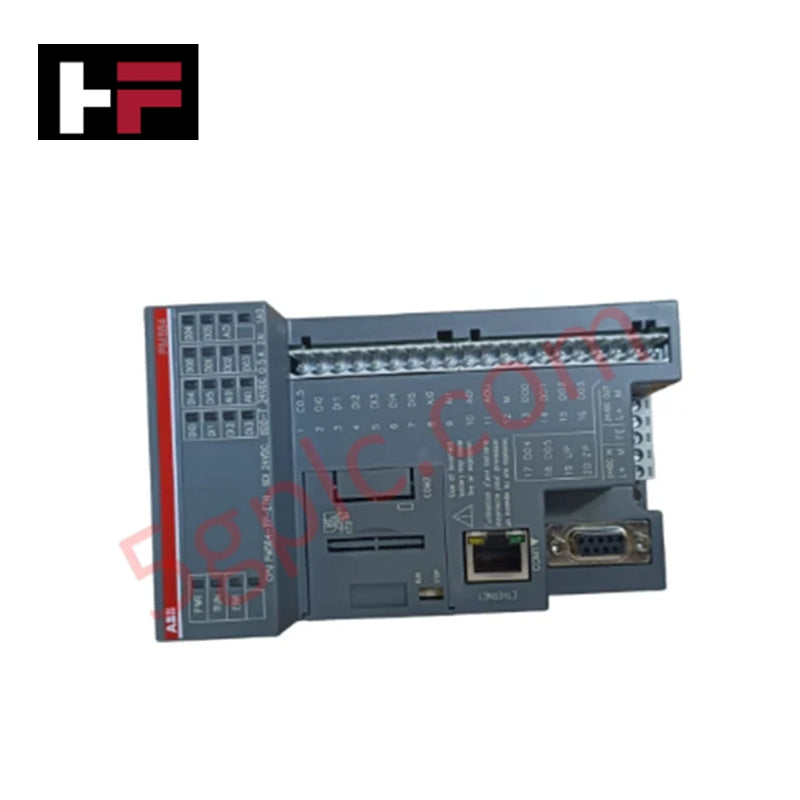
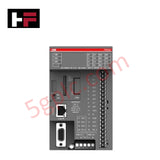
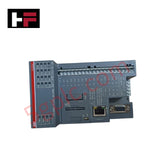
The ABB PM554-TP (1SAP120600R0001) functions as the central processing core for the AC500-eCo entry-level PLC range. This compact CPU integrates 128kB of user memory with a built-in I/O set, specifically featuring 8 digital inputs and 6 digital transistor outputs. It targets cost-effective, decentralized automation tasks that require high-speed switching and a small physical footprint. We supply this unit as 100% Brand New and Original, ensuring your standalone machines or distributed clusters run on factory-certified, high-reliability hardware.
Technical Specifications
The PM554-TP provides essential control capabilities within a space-optimized housing:
-
Article Number: 1SAP120600R0001
-
Program Memory: 128 kB
-
On-board Digital Inputs: 8 Channels (24V DC)
-
On-board Digital Outputs: 6 Channels (Transistor, 24V DC, 0.5A)
-
Supply Voltage: 24V DC
-
Communication Interface: 1x RS485 (Serial)
-
Expansion Capacity: Supports up to 10 additional S500/S500-eCo I/O modules
-
Program Execution Time: 0.08 µs per instruction (minimum)
-
Protection Rating: IP20
-
Mounting: Standard DIN rail
Engineering Advantages
-
Integrated High-Speed Transistor Outputs: The 6 on-board transistor outputs handle up to 0.5A per channel. Unlike mechanical relays, these solid-state outputs support high-frequency switching, making them ideal for Pulse Width Modulation (PWM) or controlling sensitive electronic actuators without contact wear.
-
Scalable Local I/O Bus: Although compact, the PM554-TP supports the connection of up to 10 expansion modules. This allows engineers to scale the system’s I/O count as machine requirements grow, providing a flexible migration path within the S500 hardware ecosystem.
-
High-Speed Processing Logic: With a base execution speed of 0.08 µs per instruction, the CPU manages complex logic and arithmetic operations with minimal scan time jitter. This performance ensures precise synchronization for packaging, small-scale motion, and logic-heavy processes.
-
Simplified Serial Integration: The integrated RS485 port facilitates easy communication with HMI panels, frequency drives, or other serial field devices via Modbus RTU. This eliminates the need for expensive communication couplers in basic automation architectures.
-
Minimal Cabinet Footprint: The slim design optimizes vertical DIN rail space. This compact profile allows machine builders to utilize smaller control enclosures, significantly reducing the overall machine cost and installation complexity.
FAQs
-
Does the PM554-TP require a separate terminal base for wiring?
Unlike the standard AC500 series, the AC500-eCo CPUs like the PM554-TP feature integrated terminal blocks. You connect your 24V DC power and I/O wiring directly to the screw terminals on the front of the unit, simplifying the installation process.
-
Can I use the PM554-TP for high-speed counting tasks?
Yes. The built-in digital inputs support high-speed counter functions. You can configure these inputs via software to handle pulse signals from encoders or flow meters for precision measurement and positioning.
-
How do I back up the program on this CPU?
The PM554-TP utilizes non-volatile flash memory for program storage. For external backups or easy machine cloning, you can use an optional SD card adapter to transfer the application project between CPUs without a laptop.
-
What is the maximum current capacity for the transistor outputs?
Each output supports a maximum of 0.5A at 24V DC. For inductive loads or higher current requirements, we recommend using interposing relays or ensuring proper flyback diode protection to prevent transistor damage.
Additional Information
- 100% Genuine Parts: All products are original and authentic, ensuring reliable industrial performance.
- 30-Day Refund Guarantee: Return any in-stock item within 30 days in original, unopened packaging for a full refund (excluding shipping and fees).
- 12-Month Warranty: Covers defects in materials or workmanship; excludes misuse, normal wear, or unauthorized modifications.
- Worldwide Shipping: We ship via USPS, UPS, FedEx, and DHL. Delivery times vary by country and may be subject to customs or import fees.
- Support & Contact: Technical and warranty assistance is available anytime. Contact us here: Contact.
- Purchase Guidance: Check product specifications and compatibility carefully before ordering to ensure proper application.




Tech & Buying Guide

Understanding Marshalling Cabinets in Industrial Control Systems Architecture
Industrial control system deployments rely on structured signal distribution to bridge field instrumentation with central processing hardware. A marshalling cabinet serves as the vital intermediate connection point between heavy field home-run multi-pair cables and delicate input/output (I/O) modules housed inside Programmable Logic Controller (PLC) or Distributed Control System (DCS) enclosures. By segregating field cable terminations from control hardware, engineers maintain system flexibility, safeguard controller components, and streamline commissioning workflows.

FAT vs SAT in Industrial Control Systems: Key Differences and Execution Guide
Industrial control system deployment relies on strict verification protocols to guarantee operational safety, system stability, and regulatory compliance. Commissioning complex Programmable Logic Controller (PLC) racks, Distributed Control Systems (DCS), and Safety Instrumented Systems (SIS) requires two critical milestones: the Factory Acceptance Test (FAT) and the Site Acceptance Test (SAT). Both procedures validate that system automation meets design specifications, but they occur at different stages of project execution and target distinct operational risks.

Hub vs Switch vs Router in Industrial Automation Architecture
Modern factory automation relies on reliable industrial networking infrastructure to exchange real-time field data across operational technology systems. Engineers often encounter networking hardware like hubs, switches, and routers when integrating Programmable Logic Controllers, Distributed Control Systems, and SCADA monitoring nodes. Although these devices share physical ports, they operate at different layers of the Open Systems Interconnection reference model and deliver distinct traffic management capabilities.