












Product Details
Product Overview
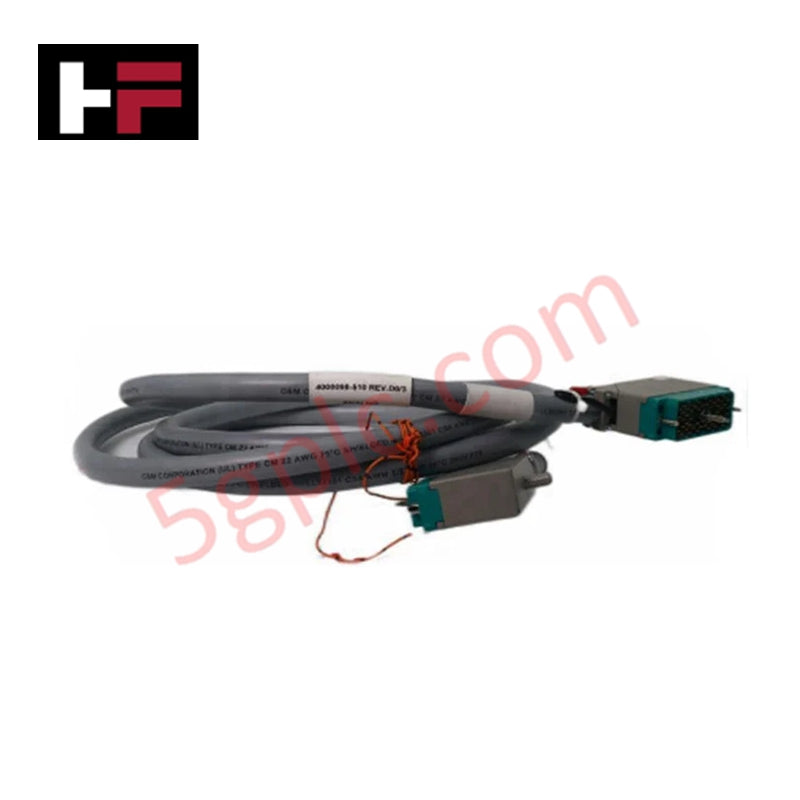
The Triconex 4000098-510 serves as the primary intelligence hub for the Tricon Triple Modular Redundancy (TMR) system. This 100% brand new, original module executes complex control logic and manages system-wide diagnostics for critical safety applications. By operating three independent processing channels in parallel, it identifies and corrects hardware faults in real-time without interrupting the safety loop.
Technical Specifications
The 4000098-510 utilizes advanced micro-processing architecture to maintain high-speed logic execution within a stabilized thermal envelope.
| Feature | Specification |
| Product Type | Main Processor Module |
| Model Number | 4000098-510 |
| Architecture | Triple Modular Redundancy (TMR) |
| Power Consumption | 25 W (Typical) |
| Operating Temperature | 0°C to 60°C (32°F to 140°F) |
| Logic Execution | High-speed dedicated safety bus |
| Condition | 100% Brand New Original |
Engineering Advantages
The 4000098-510 addresses the stringent requirements of Emergency Shutdown (ESD) and Fire and Gas (F&G) systems through superior hardware engineering:
-
Active Fault Masking: The TMR design employs two-out-of-three (2oo3) voting logic. If one processor channel fails or reports divergent data, the remaining two modules maintain continuous operation, preventing nuisance trips and costly plant downtime.
-
Optimized Thermal Management: Consuming only 25W, this module minimizes heat buildup within the control chassis. This low thermal footprint extends the lifespan of adjacent I/O modules and reduces the need for aggressive cabinet cooling.
-
Seamless Hot-Swap Integration: Engineers can replace or upgrade the processor while the system remains online. The redundant architecture ensures that the "Healthy" processors take over the load immediately during a module swap.
-
Electromagnetic Hardening: The internal circuitry utilizes industrial-grade shielding to negate the effects of high-frequency interference found in heavy power generation and petrochemical environments.
FAQs
-
Does this module arrive in factory-sealed packaging? Yes. We supply the 4000098-510 in its 100% brand new, original factory box, complete with all manufacturer-issued serial numbers and quality assurance certificates.
-
What is the primary benefit of the 25W power rating? The 25W rating indicates high energy efficiency. It allows the system to operate within a 0°C to 60°C range without requiring specialized external fans, significantly increasing the reliability of the safety instrumented system (SIS) in remote locations.
-
Is this version compatible with older Tricon chassis? The 4000098-510 supports standard Tricon backplanes. However, you must verify your current TriStation 1131 software version to ensure firmware compatibility and optimal synchronization between redundant channels.
-
How does the redundancy handle memory errors? The module constantly performs background hardware diagnostics. If the 4000098-510 detects a memory parity error in one channel, it automatically flags the fault and relies on the two healthy channels to execute the safety logic.
Additional Information
- 100% Genuine Parts: All products are original and authentic, ensuring reliable industrial performance.
- 30-Day Refund Guarantee: Return any in-stock item within 30 days in original, unopened packaging for a full refund (excluding shipping and fees).
- 12-Month Warranty: Covers defects in materials or workmanship; excludes misuse, normal wear, or unauthorized modifications.
- Worldwide Shipping: We ship via USPS, UPS, FedEx, and DHL. Delivery times vary by country and may be subject to customs or import fees.
- Support & Contact: Technical and warranty assistance is available anytime. Contact us here: Contact.
- Purchase Guidance: Check product specifications and compatibility carefully before ordering to ensure proper application.




Tech & Buying Guide

Wellhead Control Panel (WHCP) Architecture in Oil and Gas Automation
Upstream oil and gas operations rely on specialized field control platforms to manage wellhead extraction safety and hydraulic actuation. A Wellhead Control Panel (WHCP) serves as a dedicated hydraulic and pneumatic power unit designed to operate critical Christmas Tree isolation valves. By interfacing field safety components directly with Programmable Logic Controller (PLC) architecture, a WHCP protects upstream extraction assets against overpressure, catastrophic leaks, and thermal emergencies.

Understanding Marshalling Cabinets in Industrial Control Systems Architecture
Industrial control system deployments rely on structured signal distribution to bridge field instrumentation with central processing hardware. A marshalling cabinet serves as the vital intermediate connection point between heavy field home-run multi-pair cables and delicate input/output (I/O) modules housed inside Programmable Logic Controller (PLC) or Distributed Control System (DCS) enclosures. By segregating field cable terminations from control hardware, engineers maintain system flexibility, safeguard controller components, and streamline commissioning workflows.

FAT vs SAT in Industrial Control Systems: Key Differences and Execution Guide
Industrial control system deployment relies on strict verification protocols to guarantee operational safety, system stability, and regulatory compliance. Commissioning complex Programmable Logic Controller (PLC) racks, Distributed Control Systems (DCS), and Safety Instrumented Systems (SIS) requires two critical milestones: the Factory Acceptance Test (FAT) and the Site Acceptance Test (SAT). Both procedures validate that system automation meets design specifications, but they occur at different stages of project execution and target distinct operational risks.