










Product Details
Product Overview
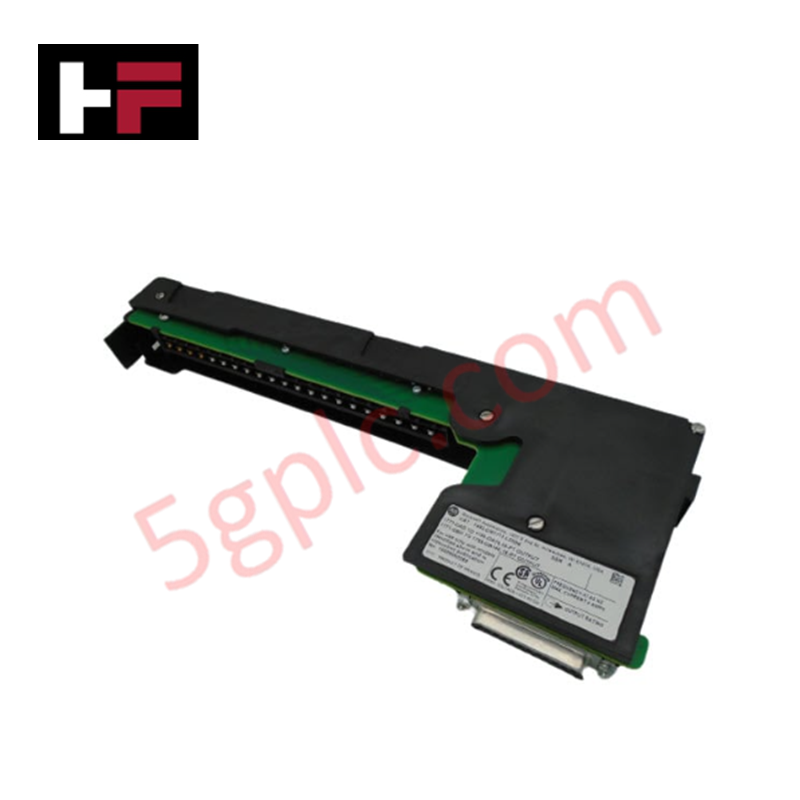
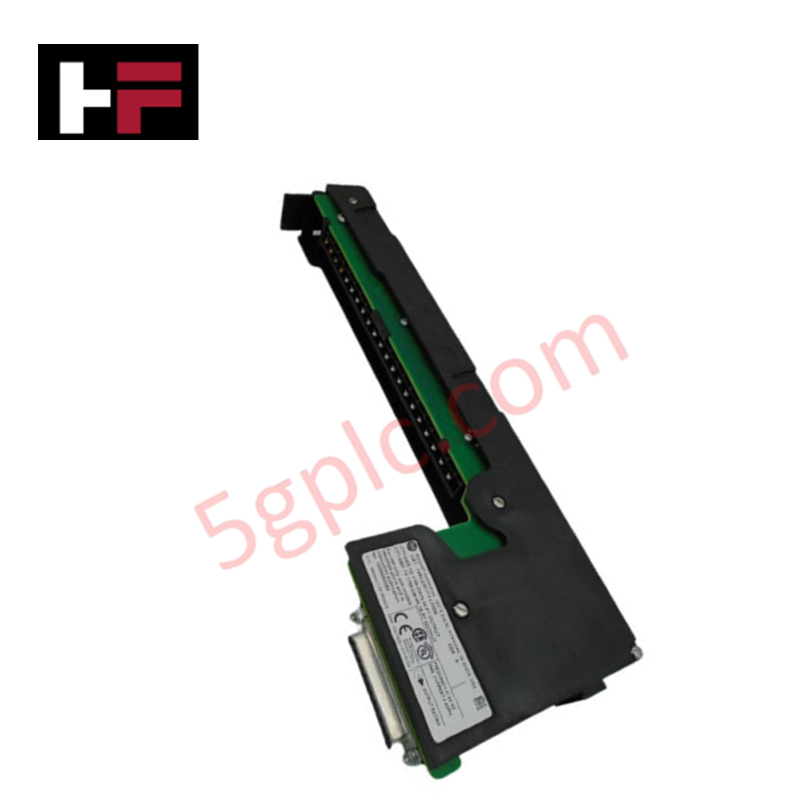
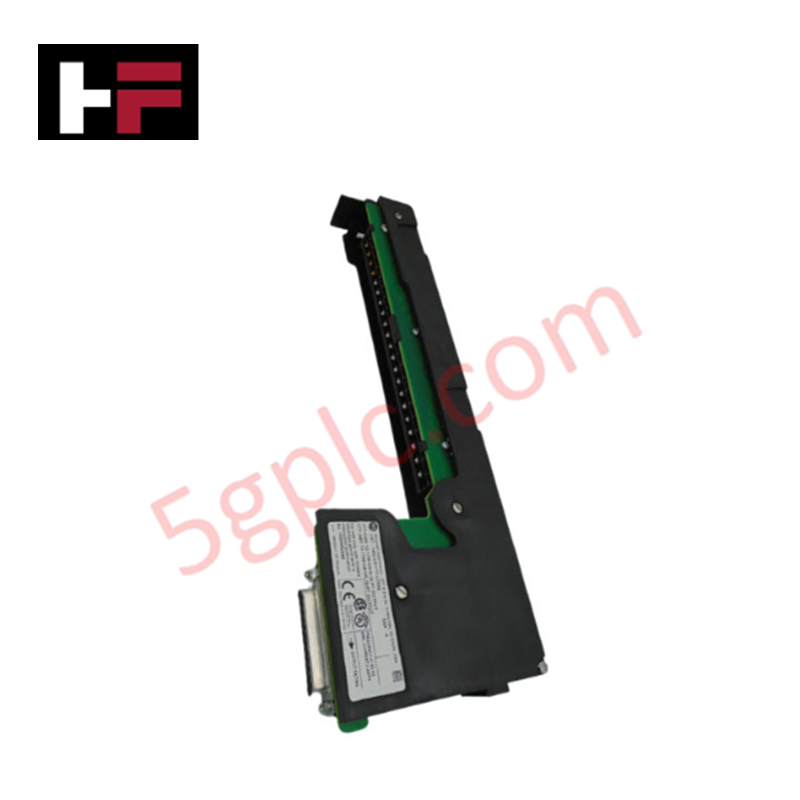
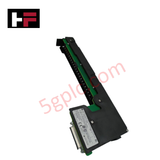
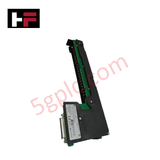
The 1492-CM1771-LD006 facilitates the critical transition from legacy PLC-5 (1771 series) systems to the modern ControlLogix (1756 series) platform. This swing-arm conversion module eliminates the need to remove or relabel existing field wiring. It allows the original 1771 field wiring arm to plug directly into the conversion hardware, which then interfaces with the new 1756 I/O modules. We supply this unit as 100% Brand New original equipment, ensuring a low-resistance electrical path and perfect mechanical alignment for your system modernization.
Technical Specifications
The 1492-CM1771-LD006 supports specific digital output migration paths:
| Parameter | Specification |
| Manufacturer | Allen-Bradley / Rockwell Automation |
| Part Number | 1492-CM1771-LD006 |
| Conversion Path A | 1771-OAD (AC Output) to 1756-OA16 |
| Conversion Path B | 1771-OBD (DC Output) to 1756-OB16E |
| Product Type | Swing-Arm Conversion Module |
| Weight | 0.09 lbs (0.04 kg) |
| Connection Type | Passive Interface Board |
| Application | I/O Modernization without Rewiring |
Engineering Advantages
-
Rewiring-Free Migration: This module solves the most significant pain point in PLC upgrades: manual labor. By reusing the existing 1771 swing-arm, you bypass the hours required to strip, crimp, and land dozens of wires per module.
-
Minimized Commissioning Risks: Since the field wiring remains undisturbed on the original terminal block, you eliminate human errors such as cross-wiring or loose terminations. This ensures the system maintains its original electrical logic instantly after the hardware swap.
-
Compact Mechanical Profile: The lightweight, 0.09 lb design adds negligible depth to the chassis assembly. It fits within standard enclosure depths even when paired with the necessary conversion cables and mounting plates.
-
Direct 1756 Compatibility: The module maps 1771 pinouts specifically to meet the requirements of 1756-OA16 (AC) and 1756-OB16E (DC with electronic fusing) modules. This precise mapping ensures that diagnostic features and signal levels remain consistent with the new controller's expectations.
-
Rapid Hardware Cutovers: The "plug-and-play" nature of the 1492-CM1771-LD006 enables facility managers to execute I/O upgrades during tight weekend or holiday windows, reducing the "per-point" conversion cost significantly.
Installation Guidelines
-
Compatibility Check: Verify that your existing module is either a 1771-OAD or 1771-OBD.
-
Mounting: Secure the 1492-CM1771-LD006 into the 1492 conversion base.
-
Swing-Arm Transfer: Remove the wired terminal arm from the legacy 1771 module and plug it directly onto the pins of the 1492-CM1771-LD006.
-
Interconnect: Use the appropriate 1492-CONCAB cable to link this conversion module to the target 1756 ControlLogix I/O module.
FAQs
Q: Can I use this module to convert analog 1771 signals?
A: No. The 1492-CM1771-LD006 features internal circuitry specifically mapped for digital AC (OAD) and DC (OBD) output modules. Analog signals require different conversion modules to handle shielded cabling and impedance matching.
Q: Does this module require external power?
A: No. The 1492-CM1771-LD006 is a passive interface. It simply routes the electrical signals from the legacy wiring arm to the new I/O cable. The field-side power originates from your existing field power supply.
Q: What happens to the electronic fusing feature of the 1756-OB16E?
A: The conversion module maintains signal integrity, allowing the 1756-OB16E to monitor the outputs. However, always verify that your original 1771-OBD field wiring can handle the diagnostic current pulses used by the new "E" (Electronic Fusing) series modules.
Q: Is a mounting plate required for this module?
A: Yes. You must install the 1492-CM1771-LD006 onto a 1492-MUA series conversion mounting assembly to ensure mechanical stability and proper alignment within the ControlLogix chassis footprint.
Additional Information
- 100% Genuine Parts: All products are original and authentic, ensuring reliable industrial performance.
- 30-Day Refund Guarantee: Return any in-stock item within 30 days in original, unopened packaging for a full refund (excluding shipping and fees).
- 12-Month Warranty: Covers defects in materials or workmanship; excludes misuse, normal wear, or unauthorized modifications.
- Worldwide Shipping: We ship via USPS, UPS, FedEx, and DHL. Delivery times vary by country and may be subject to customs or import fees.
- Support & Contact: Technical and warranty assistance is available anytime. Contact us here: Contact.
- Purchase Guidance: Check product specifications and compatibility carefully before ordering to ensure proper application.




Tech & Buying Guide

Understanding Marshalling Cabinets in Industrial Control Systems Architecture
Industrial control system deployments rely on structured signal distribution to bridge field instrumentation with central processing hardware. A marshalling cabinet serves as the vital intermediate connection point between heavy field home-run multi-pair cables and delicate input/output (I/O) modules housed inside Programmable Logic Controller (PLC) or Distributed Control System (DCS) enclosures. By segregating field cable terminations from control hardware, engineers maintain system flexibility, safeguard controller components, and streamline commissioning workflows.

FAT vs SAT in Industrial Control Systems: Key Differences and Execution Guide
Industrial control system deployment relies on strict verification protocols to guarantee operational safety, system stability, and regulatory compliance. Commissioning complex Programmable Logic Controller (PLC) racks, Distributed Control Systems (DCS), and Safety Instrumented Systems (SIS) requires two critical milestones: the Factory Acceptance Test (FAT) and the Site Acceptance Test (SAT). Both procedures validate that system automation meets design specifications, but they occur at different stages of project execution and target distinct operational risks.

Hub vs Switch vs Router in Industrial Automation Architecture
Modern factory automation relies on reliable industrial networking infrastructure to exchange real-time field data across operational technology systems. Engineers often encounter networking hardware like hubs, switches, and routers when integrating Programmable Logic Controllers, Distributed Control Systems, and SCADA monitoring nodes. Although these devices share physical ports, they operate at different layers of the Open Systems Interconnection reference model and deliver distinct traffic management capabilities.