










Product Details
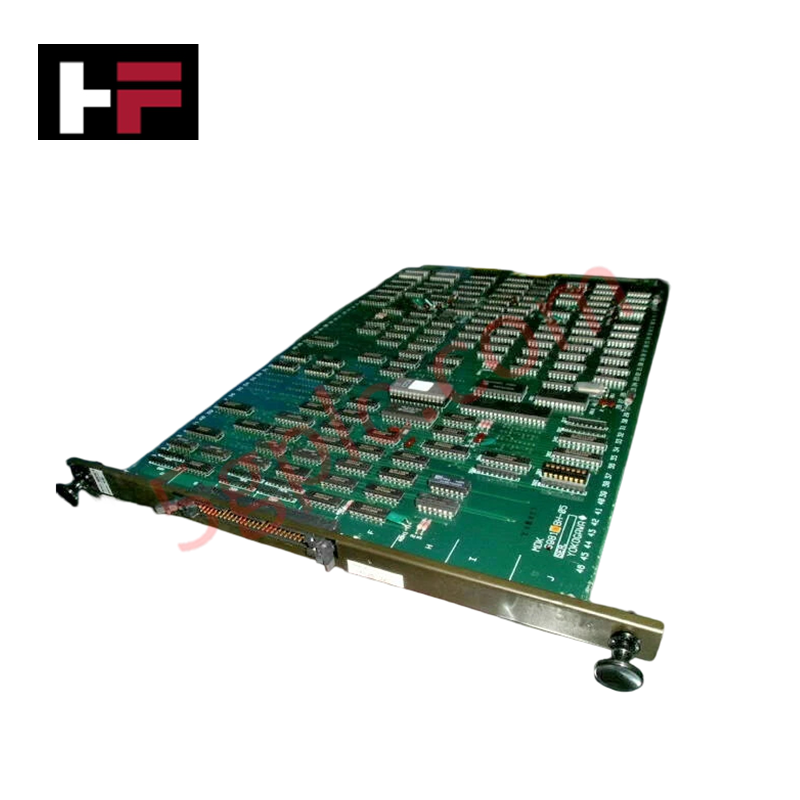
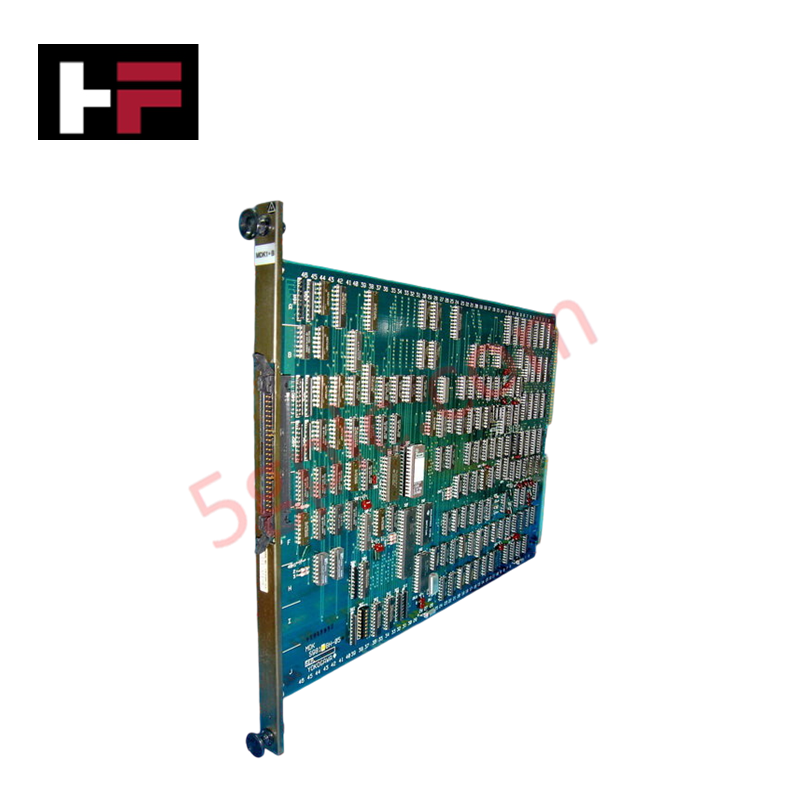
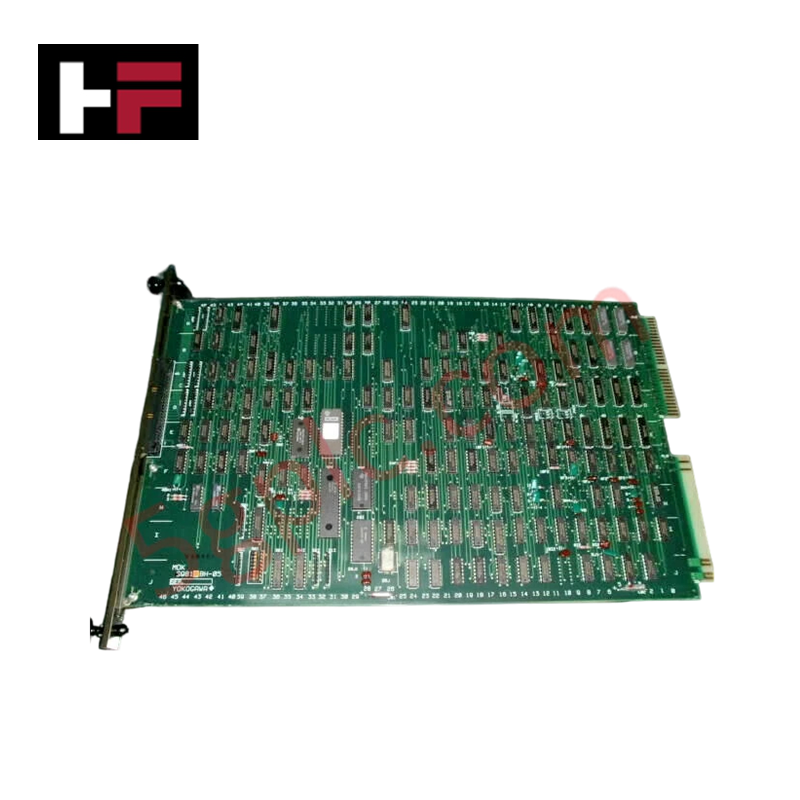
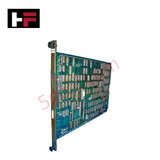
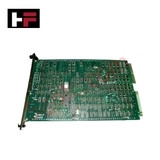
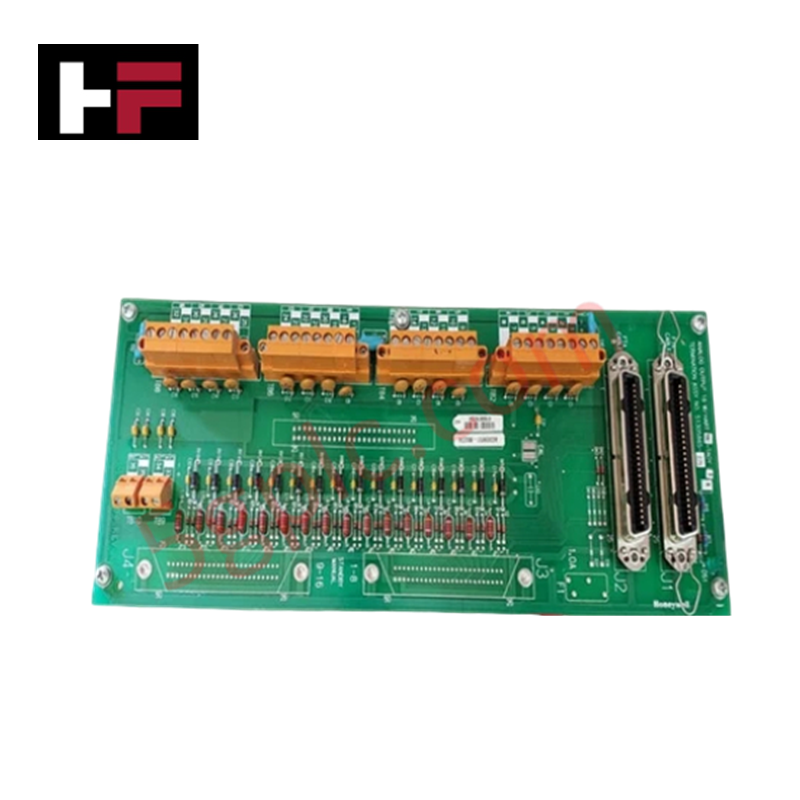
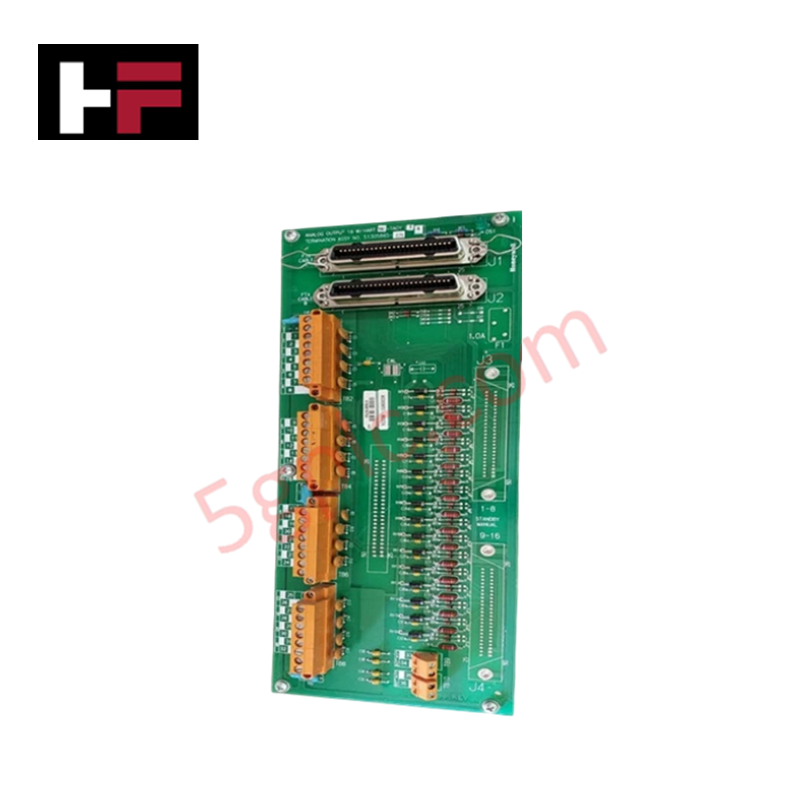
The Yokogawa MDK1*B, also cataloged as the MDK1 Communication PCB Board, operates as a dedicated hardware component for data processing and signal interface routing within Yokogawa CENTUM control system networks.
Suffix Breakdown & Model Matrix
| Code Element | Specification / Description |
|---|---|
| MDK1 | Base model designation for industrial control communication board series |
| *B | Style code Revision B specifying physical circuit layout, component footprint, and terminal interface assembly |
Hardware Specifications
| Parameter | Specification |
|---|---|
| Model | MDK1*B |
| Brand | Yokogawa |
| Origin | Japan |
| Weight | 0.4 kg |
| Dimensions | 13.00 cm x 12.50 cm x 8.00 cm |
| Operating Temp | 0 deg C to 55 deg C |
| Storage Temp | -20 deg C to 70 deg C |
| Relative Humidity | 5% to 95% RH (non-condensing) |
| Power Supply | 24 VDC |
| Power Consumption | 5 W |
| Core Function | Communication and data processing execution |
Channel-to-Channel Isolation and DCS Signal Integration
The MDK1*B communication board processes high-speed data exchanges across the internal DCS backplane. Built-in channel-to-channel galvanic isolation decouples individual signal paths, suppressing ground loop currents and filtering common-mode electrical noise across field loops. The board routes 4-20 mA HART loop protocol data and discrete digital states into system registers, ensuring signal integrity between distributed I/O nodes and central processor units.
Frequently Asked Questions
Q: Does the MDK1*B board support online hot-swapping during active system operation?
A: Module insertion or removal must be conducted while the target rack segment is de-energized, unless installed within a designated redundant communication slot, to prevent transient backplane disruptions.
Q: How does internal isolation protect signal processing logic on the MDK1*B board?
A: Embedded channel-to-channel isolation barriers decouple field-side wiring loops from internal micro-logic circuits, preventing ground potential differentials from damaging adjacent channels.
Q: What power parameters are required to run the MDK1*B board?
A: The board operates on a regulated 24 VDC power supply rail, drawing a maximum continuous power load of 5 W under full processing operation.
Field Installation Guidelines
- Board Mounting: Align the PCB card edges with the guide rails of the designated rack slot. Slide the MDK1*B board inward until the rear backplane connector fully seats into the chassis socket.
- Power Supply Checks: Verify that the incoming power supply is stabilized at 24 VDC prior to energizing the rack assembly.
- Cable Shielding: Connect all communication cable shielding drain wires directly to the cabinet functional earth (FE) ground bar at a single termination point to prevent noise loops.
- Thermal Clearance: Maintain unobstructed ventilation space above and below the card cage to allow free air convection, keeping operating ambient temperatures within 0 deg C to 55 deg C.
Additional Information
- 100% Genuine Parts: All products are original and authentic, ensuring reliable industrial performance.
- 30-Day Refund Guarantee: Return any in-stock item within 30 days in original, unopened packaging for a full refund (excluding shipping and fees).
- 12-Month Warranty: Covers defects in materials or workmanship; excludes misuse, normal wear, or unauthorized modifications.
- Worldwide Shipping: We ship via USPS, UPS, FedEx, and DHL. Delivery times vary by country and may be subject to customs or import fees.
- Support & Contact: Technical and warranty assistance is available anytime. Contact us here: Contact.
- Purchase Guidance: Check product specifications and compatibility carefully before ordering to ensure proper application.


Tech & Buying Guide

Master Acceptance Testing: Understanding FAT and SAT in Industrial Control Systems
Factory Acceptance Testing (FAT) and Site Acceptance Testing (SAT) serve as critical quality assurance gateways in complex industrial control systems. Both procedures verify that programmable logic controllers (PLCs), distributed control systems (DCS), and associated field devices meet strict functional specifications. However, executing these tests effectively requires clear delineation between off-site staging and final field commissioning.

Industrial Networking Essentials: Demystifying Hubs, Switches, and Routers in Control Systems
Industrial automation relies heavily on robust networking infrastructure to connect programmable logic controllers (PLCs), distributed control systems (DCS), and human-machine interfaces (HMIs). Modern factory automation environments generate vast amounts of real-time operational data across deterministic networks. Understanding the structural differences between hubs, switches, and routers ensures optimal traffic segmentation, minimizes latency, and maintains high network availability.

Safety Relays in Industrial Automation: Fundamentals, Design Standards, and Fail-Safe Architecture
Safety relays form the bedrock of functional safety in modern factory automation, preventing catastrophic equipment failure and protecting plant personnel. While standard electromechanical relays handle basic load switching, they lack the redundant diagnostics required for high-risk industrial environments. Modern industrial automation platforms—including programmable logic controllers (PLCs) and distributed control systems (DCS)—rely on specialized safety relays to monitor field devices and isolate hazards instantly.