










Product Details
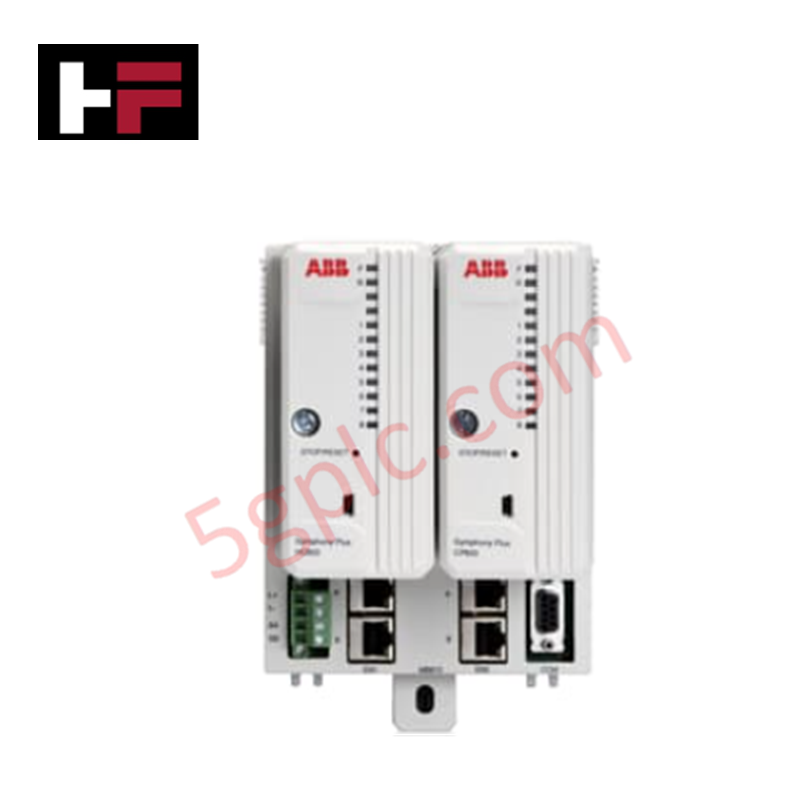
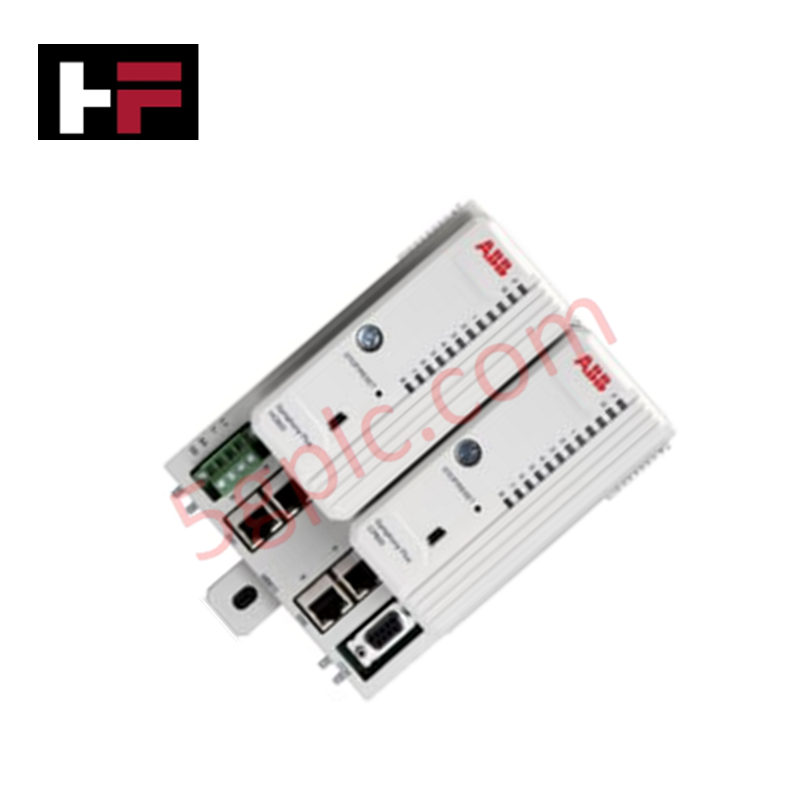
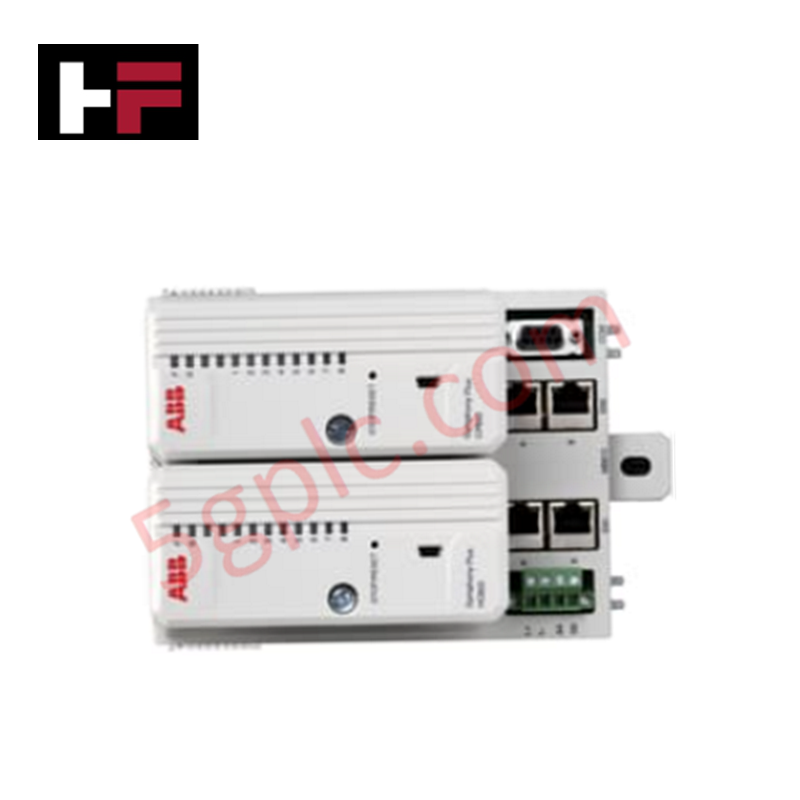
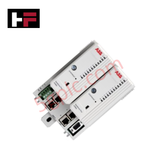
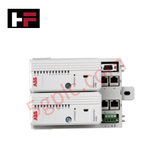
The ABB CP800, also cataloged as the CP800 Communication Processor Module, serves as the primary CP800 Central Unit utilized to execute network communication routing and interface logic across Symphony Plus platforms. The module manages data traffic between the central control network and foreign field subsystems, executing serial and Ethernet translation routines via backplane orchestration. Power distribution is managed through the chassis infrastructure, while an integrated 5 g lithium button cell battery secures operational memory registers and runtime clock configuration data during power supply interruptions.
Hardware Specifications
| Parameter | Specification |
|---|---|
| Model | CP800 |
| Brand | ABB |
| Origin | United States |
| Weight | 0.99 kg |
| Dimensions | 170.18 mm x 243.84 mm x 73.66 mm |
| Operating Temp | 0 to +60 deg C (Standard industrial parameters apply) |
| Power Consumption | Backplane bus dependent |
| Product Type | Central Unit |
| Integrated Battery | 1x Lithium Button Cell (5 g) |
| Environmental Compliance | RoHS Directive 2011/65/EU / WEEE Category 5 |
Profinet / EtherNet/IP Deterministic Networks Mapping
The ABB CP800 utilizes native internal firmware blocks to map sub-signals into Profinet / EtherNet/IP deterministic networks, bypassing standard transit delays through hardware-level protocol acceleration. The module manages local communication stacks concurrently, matching network scan cycles to ensure synchronization with the master controller subassembly. This interface prevents jitter and maintains packet delivery intervals across the backplane network regardless of localized I/O density scaling.
Frequently Asked Questions
Q: How is memory retention managed on the CP800 during a complete power loss of the chassis base?
A: Memory allocation maps and volatile register variables are maintained by the internal 5 g lithium button cell battery. The battery retains power to the specific static RAM sectors until the backplane returns to normal voltage limits.
Q: Is hot-swapping permitted for this communication processor while the control network is active?
A: Hot-swapping is restricted by the redundancy topology of the slot configuration. In single-channel setups, removing the communication module drops the active network interface and triggers a peripheral connection timeout across the system architecture.
Q: What mechanisms ensure firmware flash compatibility when introducing a replacement CP800 module?
A: The master processing system scans the device hardware profile during power-up sequence validation. If a firmware mismatch is detected, the unit halts initialization to prevent unmapped protocol parameters from corrupting the active control network.
Field Installation Guidelines
The communication processor must be handled within an ESD-protected clean zone and aligned vertically with the card tracks on the modular chassis rack. Push the assembly into the backplane connectors until the mechanical latching hardware seats securely. The metallic housing of the rack must be grounded directly to the plant common ground grid via a low-impedance copper strap. Ensure that all field network lines are run inside separate grounded cable conduits to suppress external electrical interference profiles. Maintain a 50 mm space envelope around the perimeter of the chassis for convective thermal dissipation.
Additional Information
- 100% Genuine Parts: All products are original and authentic, ensuring reliable industrial performance.
- 30-Day Refund Guarantee: Return any in-stock item within 30 days in original, unopened packaging for a full refund (excluding shipping and fees).
- 12-Month Warranty: Covers defects in materials or workmanship; excludes misuse, normal wear, or unauthorized modifications.
- Worldwide Shipping: We ship via USPS, UPS, FedEx, and DHL. Delivery times vary by country and may be subject to customs or import fees.
- Support & Contact: Technical and warranty assistance is available anytime. Contact us here: Contact.
- Purchase Guidance: Check product specifications and compatibility carefully before ordering to ensure proper application.


Tech & Buying Guide

Hub vs Switch vs Router in Industrial Automation Architecture
Modern factory automation relies on reliable industrial networking infrastructure to exchange real-time field data across operational technology systems. Engineers often encounter networking hardware like hubs, switches, and routers when integrating Programmable Logic Controllers, Distributed Control Systems, and SCADA monitoring nodes. Although these devices share physical ports, they operate at different layers of the Open Systems Interconnection reference model and deliver distinct traffic management capabilities.

Marshalling Cabinet Preventive Maintenance: Essential Healthiness Checks for PLC, DCS, and ESD Systems
Marshalling cabinets serve as the vital interface between field instrumentation and control room electronics in modern process facilities. Regular preventive maintenance of these cabinets ensures signal integrity across programmable logic controllers (PLCs), distributed control systems (DCS), and emergency shutdown (ESD) networks. System technicians must execute structured inspection protocols to mitigate environmental risks, identify loose wiring, and maintain continuous operational readiness.

Spatial Computing in Industrial Automation: Elevating PLC and DCS Operations with AR and VR
Industry 4.0 integrates digital intelligence into field operations, transforming factory automation landscapes worldwide. Spatial technologies—specifically Augmented Reality (AR) and Virtual Reality (VR)—redefine how engineers interact with industrial control systems. By bridging computer-generated CAD models with real-time operational technology (OT) data, immersive displays enable intuitive monitoring, rapid diagnostics, and safer maintenance across complex processing facilities.