










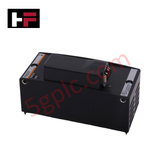
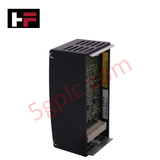
Product Details
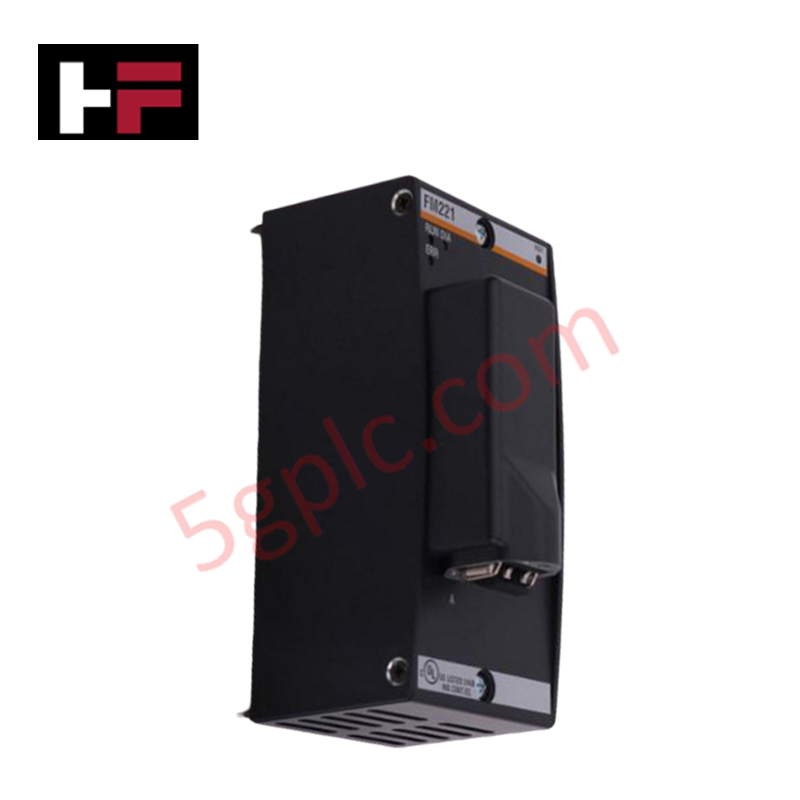
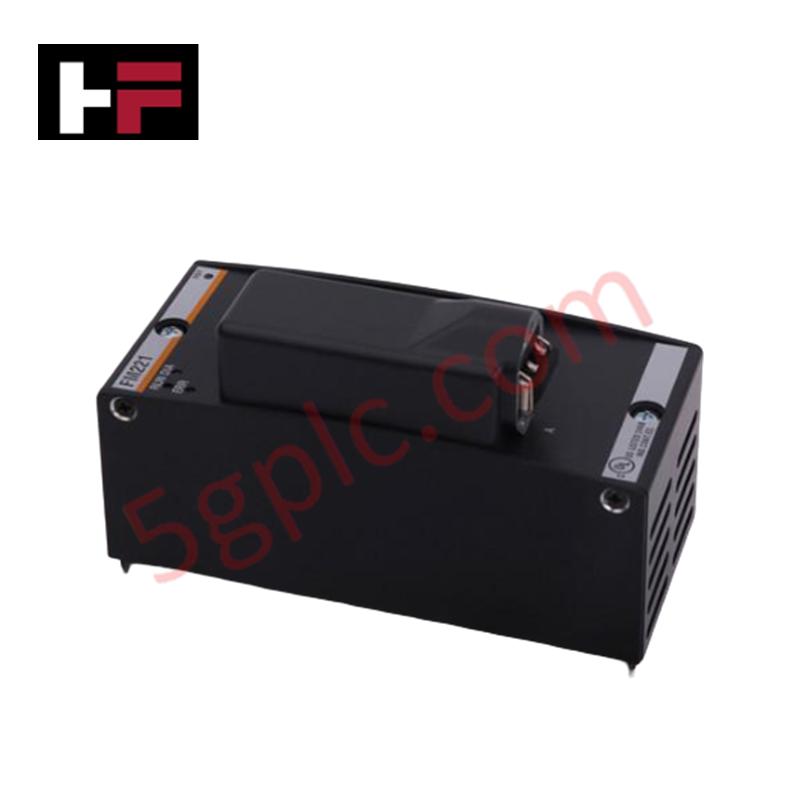
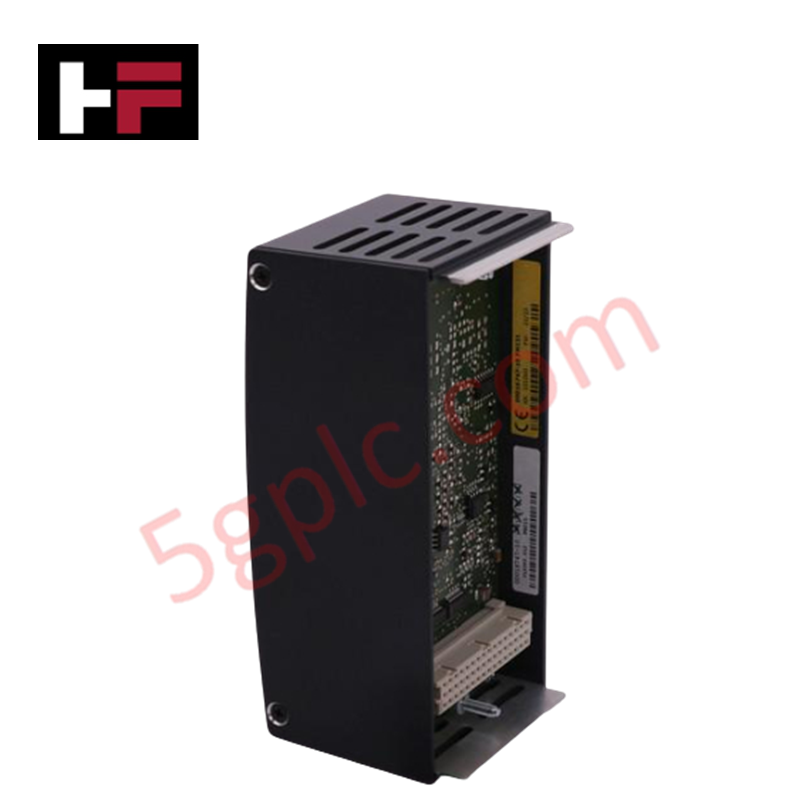
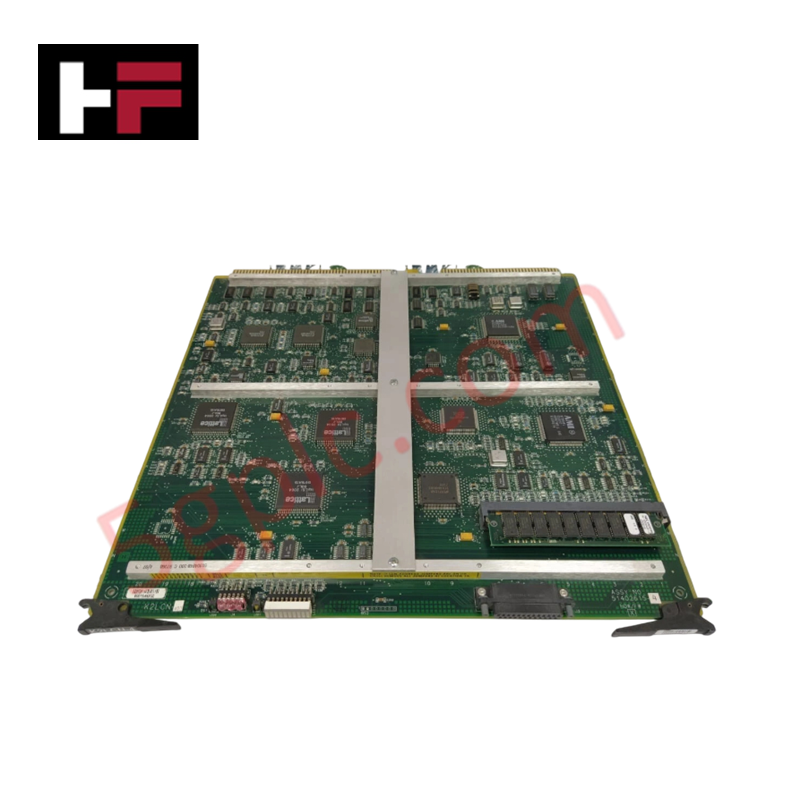
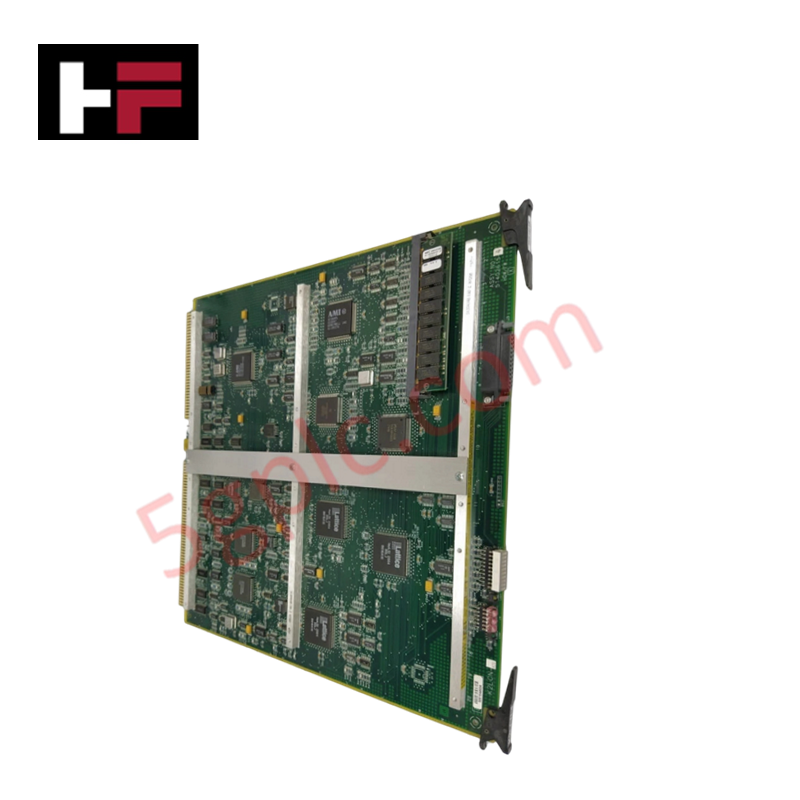
Configured for long-range distributed fieldbus communication in M1 automation platforms, the Bachmann FM221 (FM221 FASTBUS Master Fiber Module) provides direct physical/electrical execution of high-speed data transmission over multi-mode fiber-optic networks.
Hardware Specifications
| Parameter | Specification |
|---|---|
| Model | FM221 |
| Brand | Bachmann |
| Origin | Austria |
| Weight | 0.675 kg |
| Dimensions | 110 mm x 119 mm x 61 mm |
| Operating Temp | 0 deg C to 60 deg C |
| Power Consumption | 4.5 W |
| Fiber Port | 1x LC Multi-mode (50/62.5 um) |
| Max Distance | 2000 m |
| Supply Voltage | 18 to 34 VDC |
Profinet / EtherNet/IP Deterministic Networks
The FM221 master module interfaces with the M1 backplane to facilitate deterministic network connectivity, enabling robust data exchange between the central controller and remote SubDevices. The module architecture is engineered to optimize backplane bus communication velocity, ensuring that packet latency over 2000-meter fiber spans remains within system-defined deterministic limits. I/O density scaling is supported through the module's capability to manage extended SubDevice topologies without overloading the internal bus processing capacity. Firmware flash compatibility is maintained to support updated communication stack protocols required for consistent network performance.
Frequently Asked Questions
Q: Does the FM221 require specialized transceiver handling for the LC fiber connector?
A: The module uses an integrated LC optical interface; ensure that the fiber-optic cables are cleaned and properly aligned to minimize insertion loss, especially when approaching the 2000-meter distance limit.
Q: Is the FM221 compatible with single-mode fiber infrastructure?
A: No, the FM221 is specifically designed for 50/62.5 um multi-mode fiber. Use of single-mode fiber will result in significant signal attenuation and link failure.
Q: Can this module be powered from the M1 backplane or does it require a separate supply?
A: The module accepts a wide input voltage range of 18 to 34 VDC; verify that your rack configuration provides the necessary power headroom or utilize an auxiliary 24 VDC power source.
Field Installation Guidelines
- Fiber Routing: When routing fiber-optic cables over long distances (up to 2000 m), avoid sharp bends that exceed the specified minimum bend radius of the multi-mode cable to prevent light leakage and signal degradation.
- Connector Protection: Keep dust caps installed on the LC port at all times when not connected. Dust contamination is the primary cause of link instability in high-distance fiber installations.
- Electrical Grounding: Ensure the chassis is connected to the cabinet functional earth (FE) point to stabilize the internal transceiver electronics against potential electrical transients in the power supply.
- Segregation: Maintain physical separation between the fiber-optic runs and any high-voltage power conduits to prevent mechanical stress and potential EMI-induced cable damage.
Additional Information
- 100% Genuine Parts: All products are original and authentic, ensuring reliable industrial performance.
- 30-Day Refund Guarantee: Return any in-stock item within 30 days in original, unopened packaging for a full refund (excluding shipping and fees).
- 12-Month Warranty: Covers defects in materials or workmanship; excludes misuse, normal wear, or unauthorized modifications.
- Worldwide Shipping: We ship via USPS, UPS, FedEx, and DHL. Delivery times vary by country and may be subject to customs or import fees.
- Support & Contact: Technical and warranty assistance is available anytime. Contact us here: Contact.
- Purchase Guidance: Check product specifications and compatibility carefully before ordering to ensure proper application.






Tech & Buying Guide

FAT vs SAT in Industrial Control Systems: Key Differences and Execution Guide
Industrial control system deployment relies on strict verification protocols to guarantee operational safety, system stability, and regulatory compliance. Commissioning complex Programmable Logic Controller (PLC) racks, Distributed Control Systems (DCS), and Safety Instrumented Systems (SIS) requires two critical milestones: the Factory Acceptance Test (FAT) and the Site Acceptance Test (SAT). Both procedures validate that system automation meets design specifications, but they occur at different stages of project execution and target distinct operational risks.

Hub vs Switch vs Router in Industrial Automation Architecture
Modern factory automation relies on reliable industrial networking infrastructure to exchange real-time field data across operational technology systems. Engineers often encounter networking hardware like hubs, switches, and routers when integrating Programmable Logic Controllers, Distributed Control Systems, and SCADA monitoring nodes. Although these devices share physical ports, they operate at different layers of the Open Systems Interconnection reference model and deliver distinct traffic management capabilities.

Marshalling Cabinet Preventive Maintenance: Essential Healthiness Checks for PLC, DCS, and ESD Systems
Marshalling cabinets serve as the vital interface between field instrumentation and control room electronics in modern process facilities. Regular preventive maintenance of these cabinets ensures signal integrity across programmable logic controllers (PLCs), distributed control systems (DCS), and emergency shutdown (ESD) networks. System technicians must execute structured inspection protocols to mitigate environmental risks, identify loose wiring, and maintain continuous operational readiness.