












Product Details
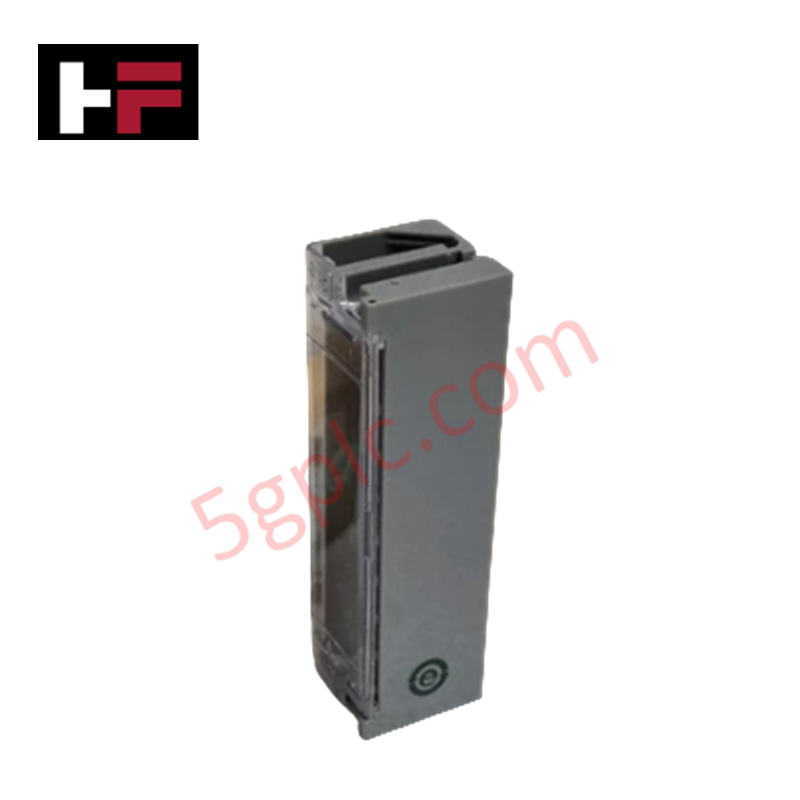
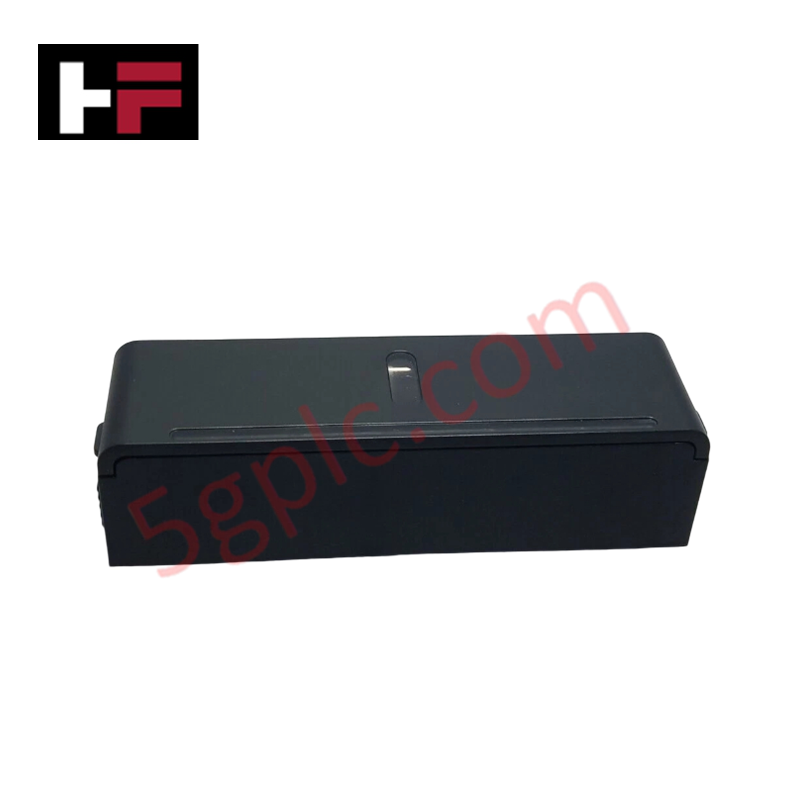
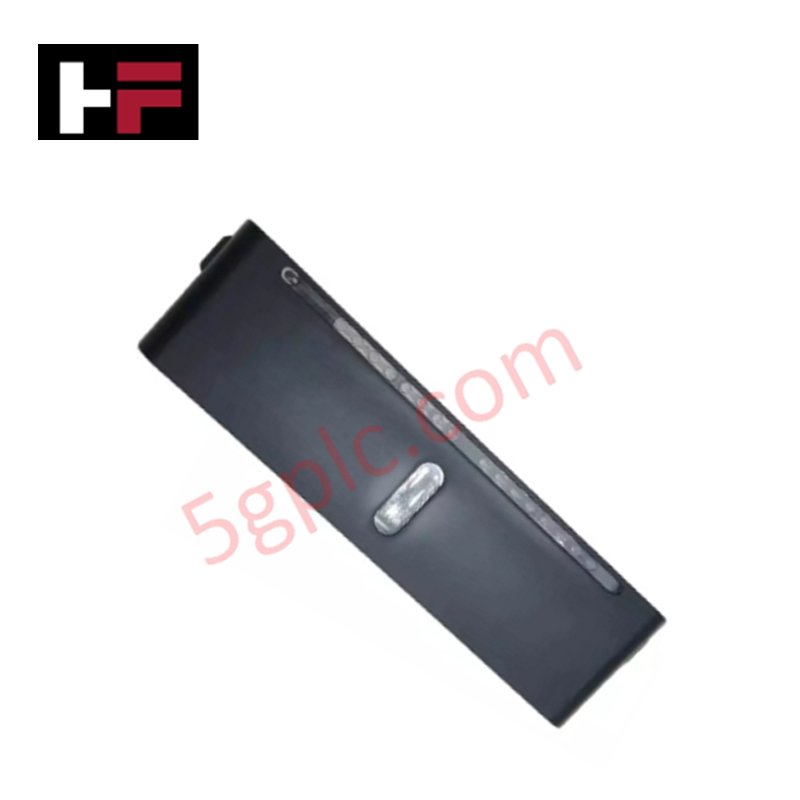
The Honeywell FS-SICC-0001/L6, also cataloged as the FS-SICC-0001 System Interconnection Cable, operates as a dedicated hardware component for high-integrity inter-rack signal routing and subsystem communication within Honeywell Safety Manager platforms.
Hardware Specifications
| Parameter | Specification |
|---|---|
| Model | FS-SICC-0001/L6 |
| Brand | Honeywell |
| Origin | USA |
| Weight | 0.2 kg |
| Dimensions | 12.4 cm x 12.6 cm x 2.2 cm |
| Operating Temp | -20 to +60 deg C |
| Power Consumption | Passive interconnect assembly (Zero internal power draw) |
| Cable Type | System Interconnection Cable |
| Cable Length | 6 m (indicated by /L6 suffix) |
| System Compatibility | Honeywell Safety Manager / Experion PKS |
Process Control & DCS Signal Interconnection Characteristics
The FS-SICC-0001/L6 cable assembly incorporates channel-to-channel isolation principles to preserve signal integrity between central control racks and remote field termination assemblies (FTAs). Featuring integrated foil and braided shielding, the cable suppresses high-frequency electromagnetic interference and eliminates ground loop current flows across cabinet boundaries. The physical copper conductor matrix supports deterministic, low-attenuation routing of discrete safety signals and 4-20 mA HART loop protocol telemetry over the 6 m length.
Frequently Asked Questions
Q: What precautions apply when disconnecting the FS-SICC-0001/L6 cable during active system execution?
A: Disconnections during live system operation are permissible only within redundant communication loops. Removing an active single-channel interconnection cable will immediately sever signal feedback to the Safety Manager logic solver.
Q: How is the cable shield grounded to ensure signal noise suppression?
A: The integral shield drain wire must be bonded to the main cabinet ground bus at a single reference point to prevent circulating ground currents from inducing noise on low-voltage analog channels.
Field Installation Guidelines
- Routing & Bending Limits: Route the cable through dedicated wire troughs away from high-voltage cables. Maintain a minimum static bending radius of 50 mm to prevent conductor degradation and shield tearing.
- Connector Engagement: Align connector pins precisely with the backplane or FTA mating header. Fully tighten all mechanical retention screws to maintain a vibration-proof connection.
- Shield Grounding: Connect the shield drain wire directly to the cabinet ground bar using low-impedance earthing clamps.
- Physical Separation: Maintain a minimum physical distance of 30 cm between the system interconnection assembly and AC power distribution conductors within the enclosure.
Additional Information
- 100% Genuine Parts: All products are original and authentic, ensuring reliable industrial performance.
- 30-Day Refund Guarantee: Return any in-stock item within 30 days in original, unopened packaging for a full refund (excluding shipping and fees).
- 12-Month Warranty: Covers defects in materials or workmanship; excludes misuse, normal wear, or unauthorized modifications.
- Worldwide Shipping: We ship via USPS, UPS, FedEx, and DHL. Delivery times vary by country and may be subject to customs or import fees.
- Support & Contact: Technical and warranty assistance is available anytime. Contact us here: Contact.
- Purchase Guidance: Check product specifications and compatibility carefully before ordering to ensure proper application.




Tech & Buying Guide

Master Acceptance Testing: Understanding FAT and SAT in Industrial Control Systems
Factory Acceptance Testing (FAT) and Site Acceptance Testing (SAT) serve as critical quality assurance gateways in complex industrial control systems. Both procedures verify that programmable logic controllers (PLCs), distributed control systems (DCS), and associated field devices meet strict functional specifications. However, executing these tests effectively requires clear delineation between off-site staging and final field commissioning.

Industrial Networking Essentials: Demystifying Hubs, Switches, and Routers in Control Systems
Industrial automation relies heavily on robust networking infrastructure to connect programmable logic controllers (PLCs), distributed control systems (DCS), and human-machine interfaces (HMIs). Modern factory automation environments generate vast amounts of real-time operational data across deterministic networks. Understanding the structural differences between hubs, switches, and routers ensures optimal traffic segmentation, minimizes latency, and maintains high network availability.

Safety Relays in Industrial Automation: Fundamentals, Design Standards, and Fail-Safe Architecture
Safety relays form the bedrock of functional safety in modern factory automation, preventing catastrophic equipment failure and protecting plant personnel. While standard electromechanical relays handle basic load switching, they lack the redundant diagnostics required for high-risk industrial environments. Modern industrial automation platforms—including programmable logic controllers (PLCs) and distributed control systems (DCS)—rely on specialized safety relays to monitor field devices and isolate hazards instantly.