










Product Details
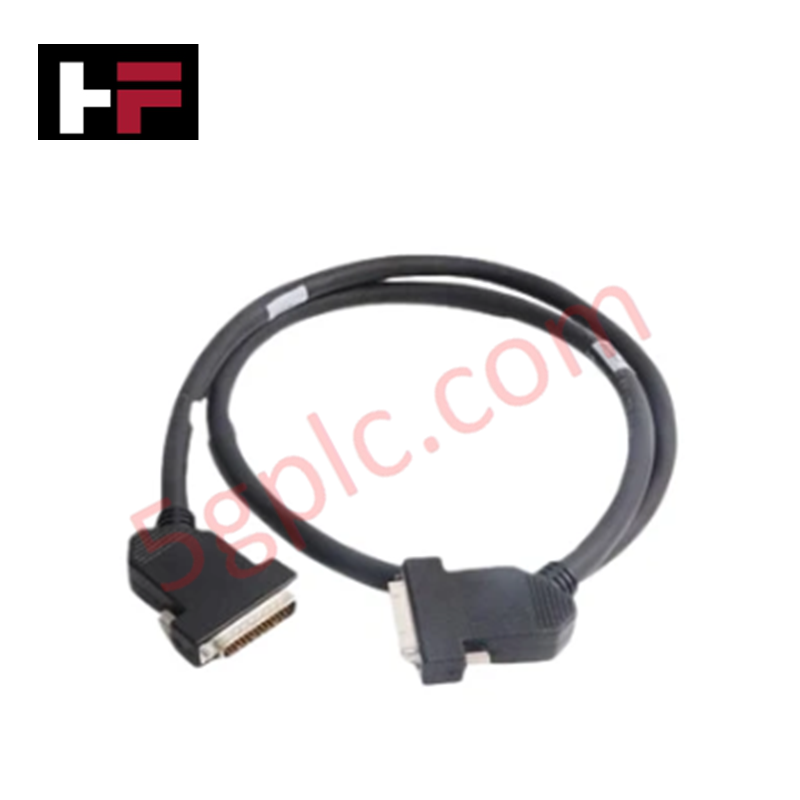
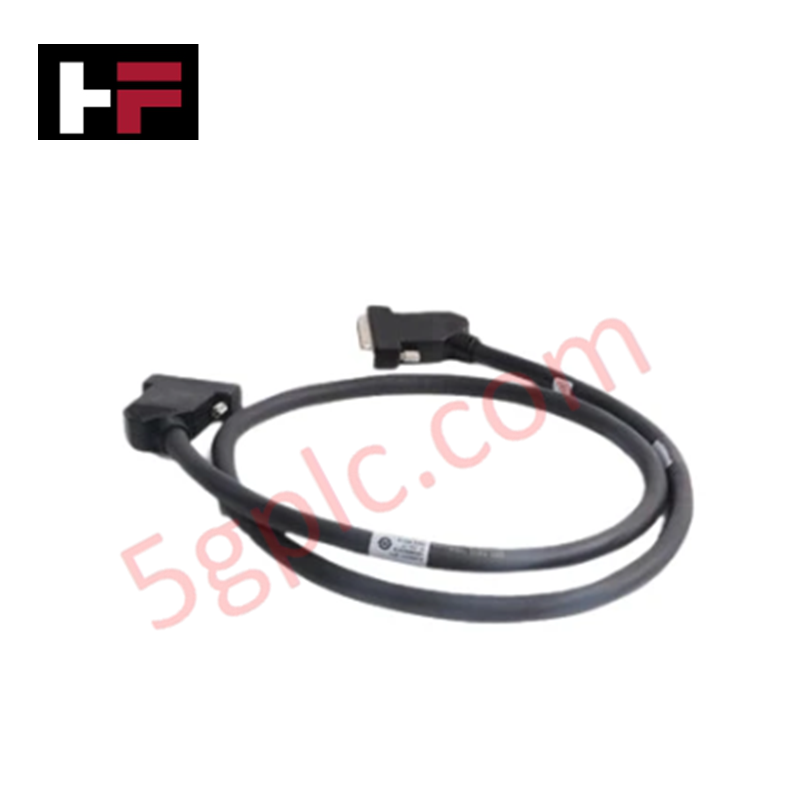
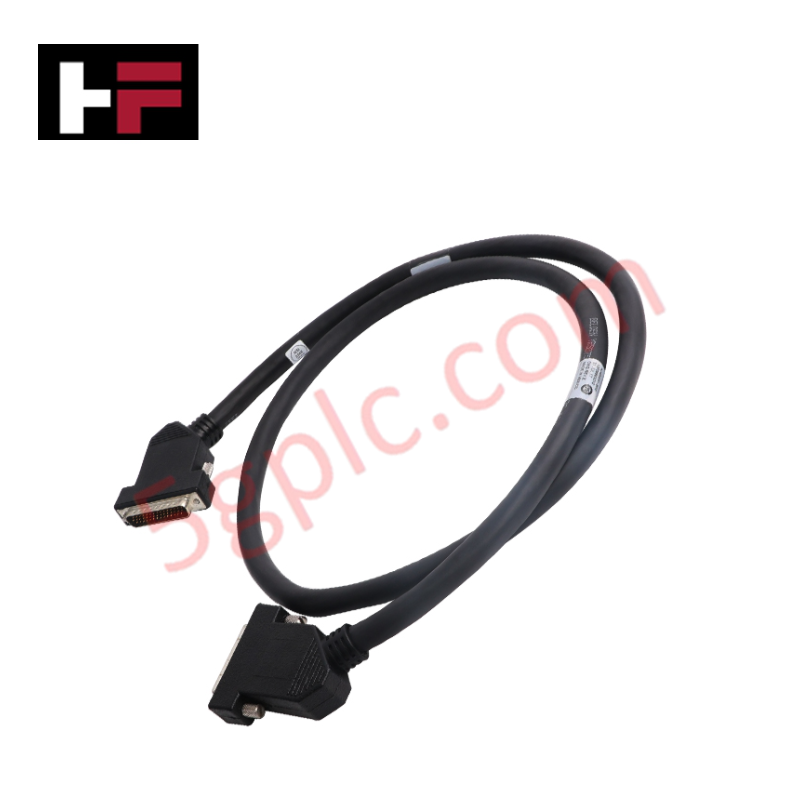
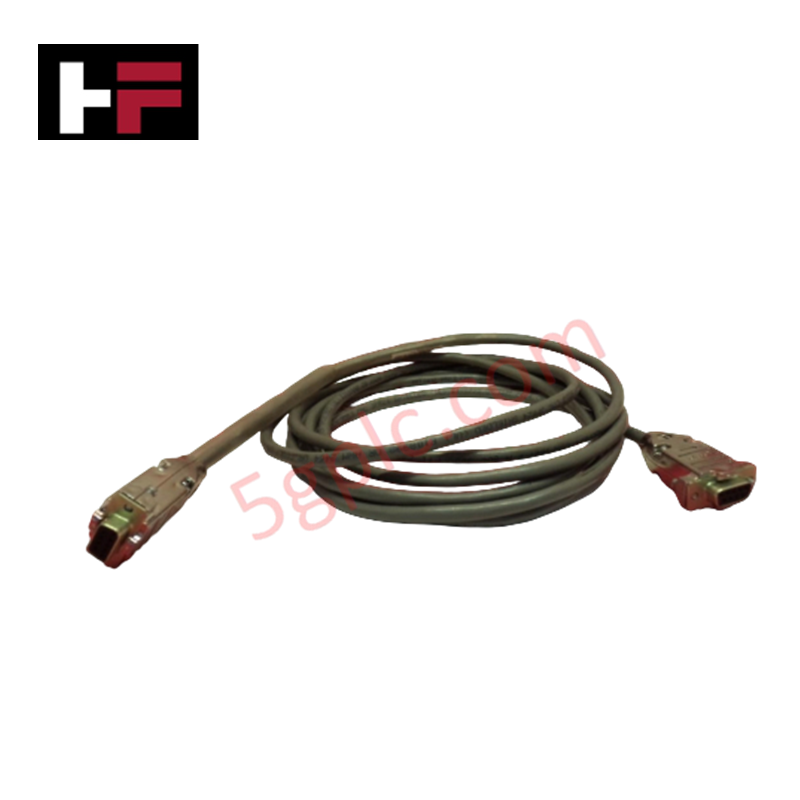
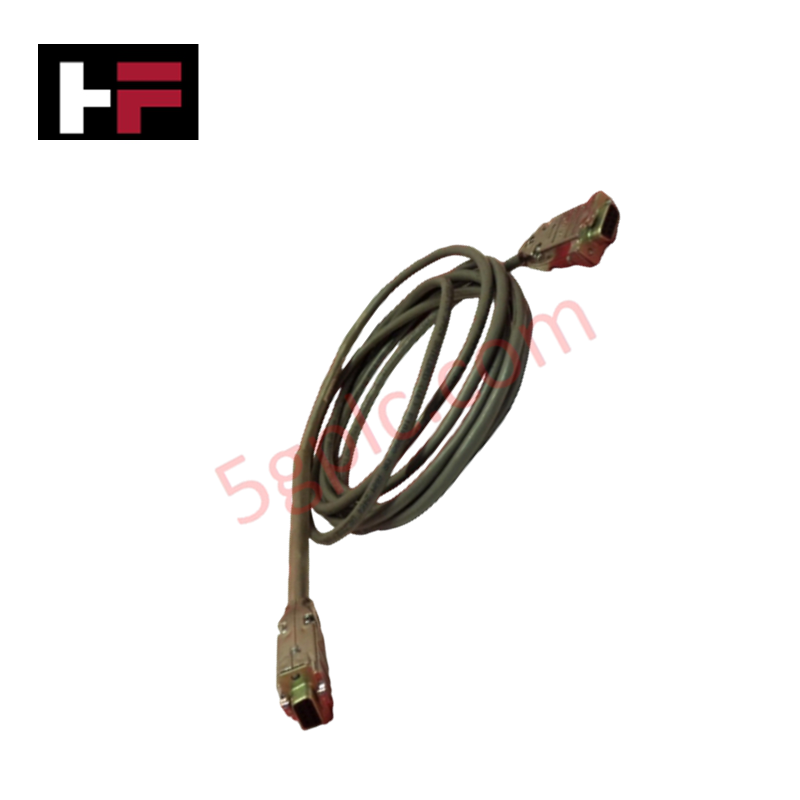
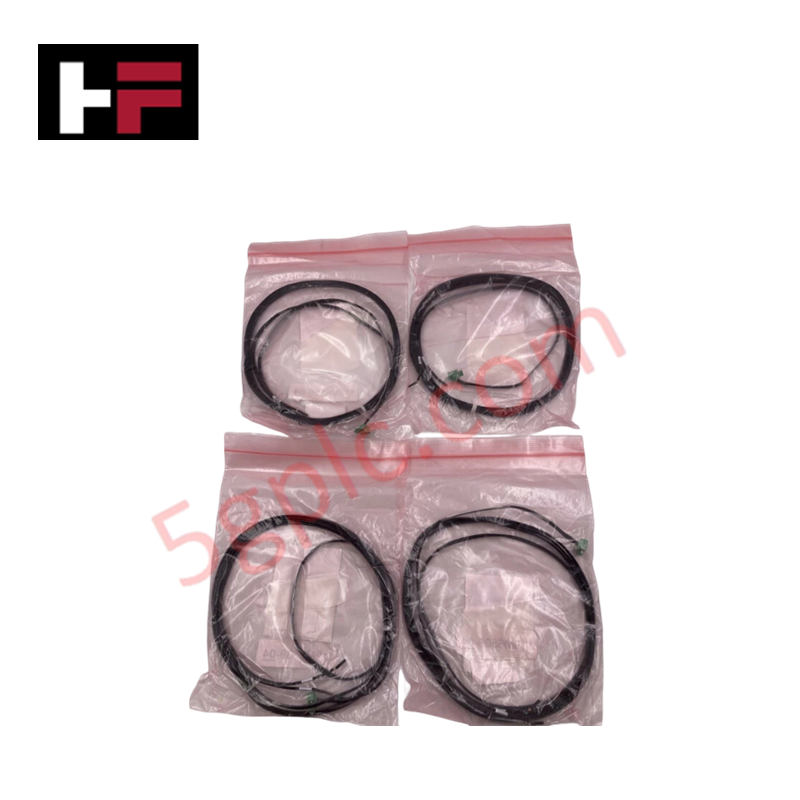
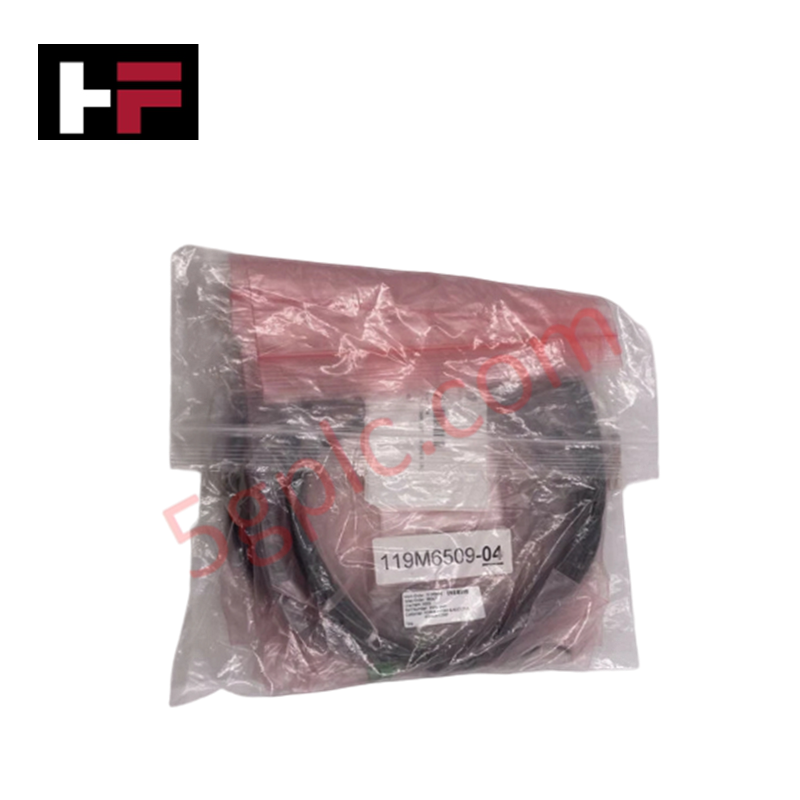
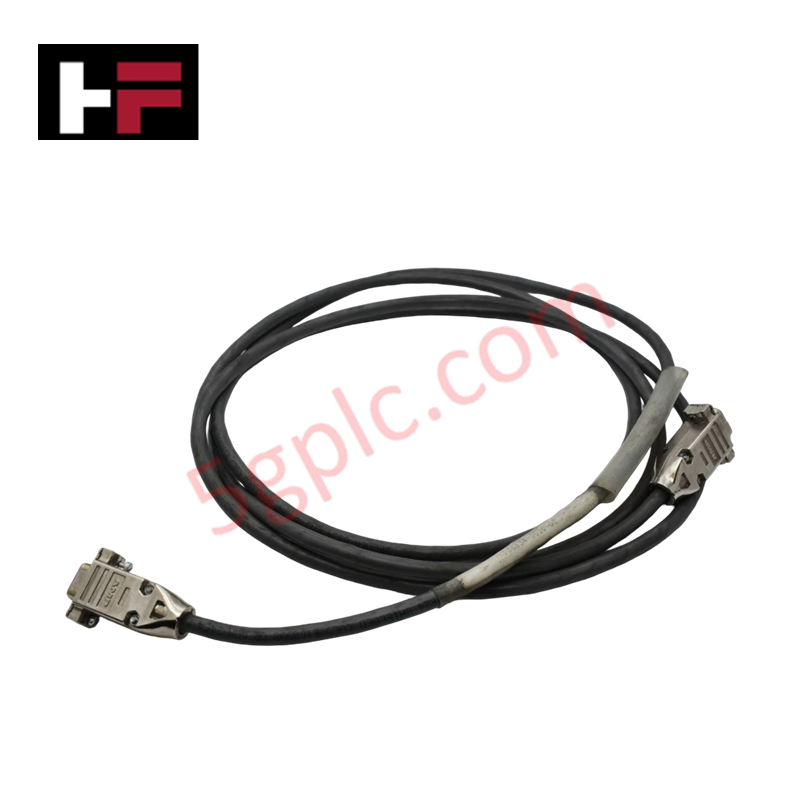
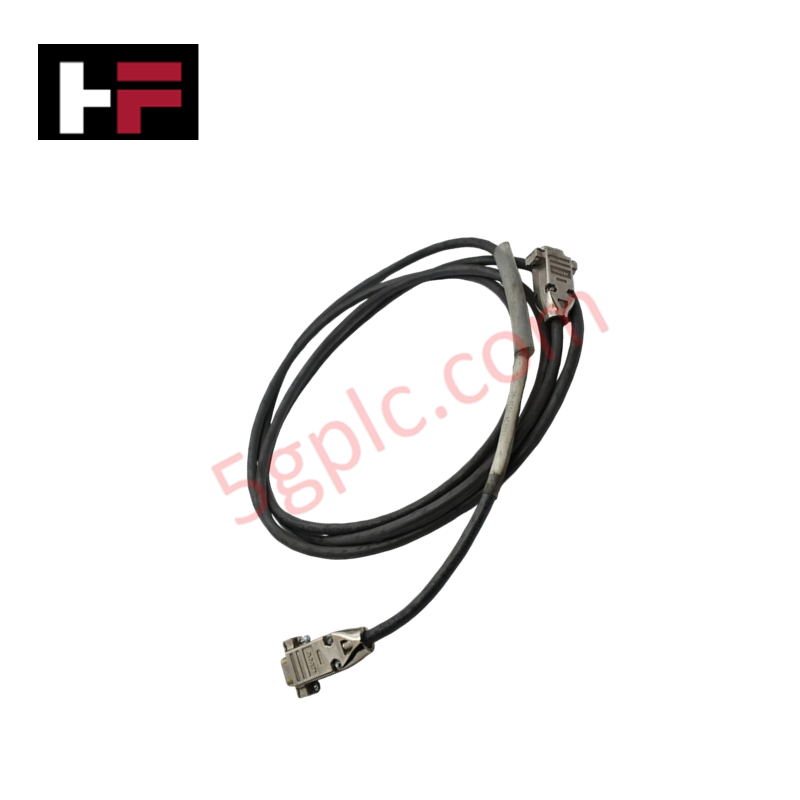
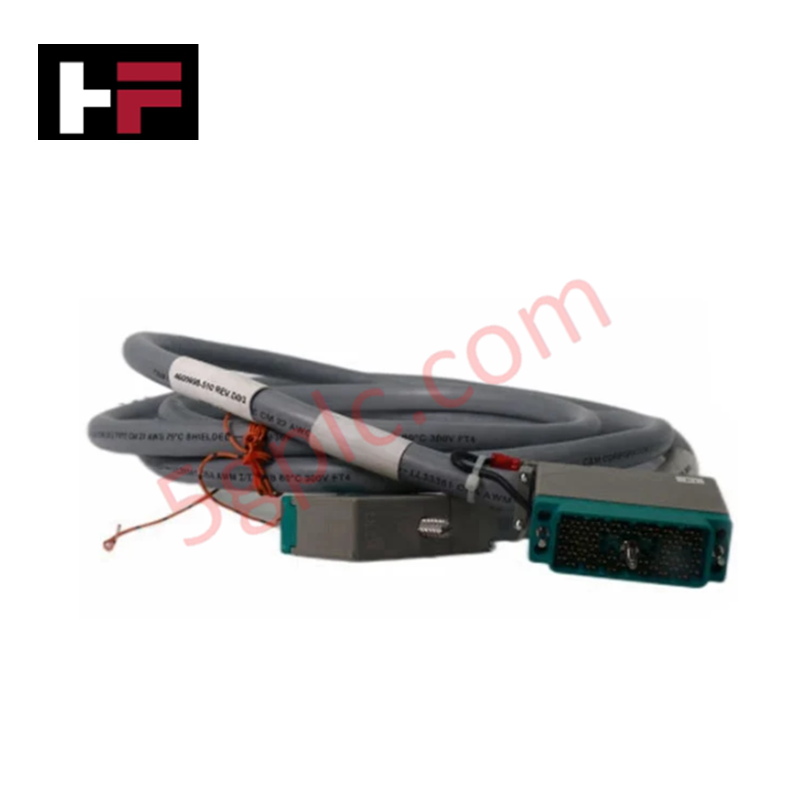
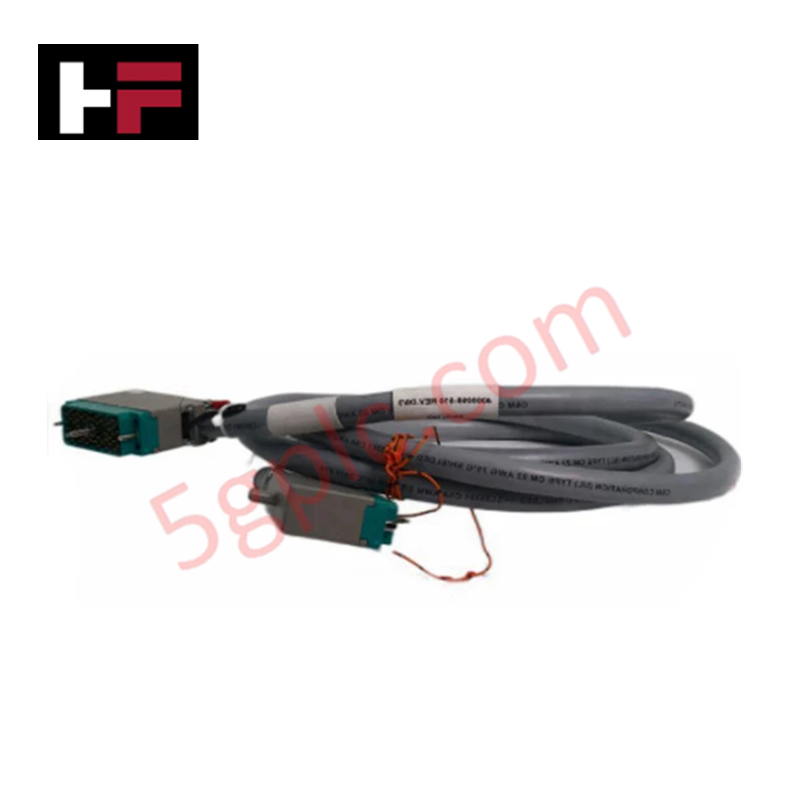
Configured for high-density horizontal bus expansion in DeltaV distributed control architectures, the Emerson KJ4002X1-BF2 (KJ4002X1-BF2 Extender Cable Assembly) provides direct physical/electrical execution. This 44-pin hardware interconnect bridges adjacent carrier backplane rails, transmitting localized logic signals, system power distribution matrices, and peripheral bus monitoring tracking lines sequentially from the primary controller baseplate to lower expansion nodes.
Hardware Specifications
| Parameter | Specification |
| Model | KJ4002X1-BF2 |
| Brand | Emerson |
| Origin | USA |
| Weight | Shipping weight: 2.00 kg |
| Dimensions | Length: 1.2 m |
| Operating Temp | -40 deg C to +70 deg C |
| Power Consumption | Passive conduction matrix (Negligible line impedance insertion loss) |
| Physical Configuration | Horizontal Carrier Extender Assembly |
| Pin Count | 44-pin standard high-density termination interfaces |
| Application Profile | Bottom connection routing for localized rack extension |
Subsystem Interconnect Topology and Channel-to-Channel Isolation
Mechanical execution of this multi-conductor connection assembly requires rigid electrical grounding control parameters to secure systemic data rates. The hardware establishes internal pin mappings that preserve physical channel-to-channel isolation parameters managed by individual localized I/O units, preventing adjacent data paths from experiencing localized crosstalk or line interference. This shielded construction maintains uncorrupted signal integrity across 4-20 mA HART loop protocol lines routed through the adjacent horizontal carriers.
Frequently Asked Questions
Q: Can this extender cable assembly undergo hot-swap installation or disconnection while the DeltaV carrier rack is active?
A: No. Disconnecting a running extender cable breaks active backplane power loops and serial bus tracking lines. All power distribution lines connected to the linked carrier segments must be completely isolated before extracting or inserting the 44-pin plugs.
Q: How is physical alignment secured at the terminal plug interfaces?
A: The assembly incorporates standard dual mechanical guide mechanisms at each 44-pin termination faceplate, matching only with the designated horizontal extender jacks to prevent offset pinning or reversed orientation adjustments.
Field Installation Guidelines
-
Connector Alignment Protocol: Position the 44-pin cable plug parallel over the matching receptacle located on the base of the horizontal carrier tracking module. Press the housing squarely inward until the integrated structural hardware threads or retaining latch clips engage fully.
-
Cable Strain Relief Routing: Route the 1.2 m flexible cable body through structural trunking panels. Secure the assembly at both ends with heavy-duty ties to prevent physical weight or high-vibration profiles from stressing the physical wire crimp tracks.
-
Shield Ground Tracking: Ensure the internal drain matrix and metallic braided shields layer down directly into the cabinet framework earth bar via the carrier terminal structure. Correct single-point grounding limits high-frequency common-mode noise from propagating along parallel interface channels.
-
Minimum Bend Radius Limitations: Do not bend the cable assembly tighter than a factory-specified minimum radius profile during terminal enclosure dressing, avoiding structural stress on localized copper conductors and internal insulation layers.
Additional Information
- 100% Genuine Parts: All products are original and authentic, ensuring reliable industrial performance.
- 30-Day Refund Guarantee: Return any in-stock item within 30 days in original, unopened packaging for a full refund (excluding shipping and fees).
- 12-Month Warranty: Covers defects in materials or workmanship; excludes misuse, normal wear, or unauthorized modifications.
- Worldwide Shipping: We ship via USPS, UPS, FedEx, and DHL. Delivery times vary by country and may be subject to customs or import fees.
- Support & Contact: Technical and warranty assistance is available anytime. Contact us here: Contact.
- Purchase Guidance: Check product specifications and compatibility carefully before ordering to ensure proper application.
Tech & Buying Guide

Why 24V DC Power Supplies Standardize Modern Industrial Automation
Industrial control cabinets worldwide rely on 24V DC as the universal power standard for field instrumentation, sensors, and controllers. Walk into any manufacturing plant, and you will find PLCs, human-machine interfaces (HMIs), and smart actuators running on extra-low voltage DC. Standardizing on 24V DC enhances operational safety, lowers cabinet footprint, and maintains steady control performance across factory networks.

Essential Motion Control Commands: A Practical Guide for Engineers
Automation engineers often rely on precise position and speed control to drive modern factory machinery. Modern industrial systems, such as Programmable Logic Controllers (PLCs) and Distributed Control Systems (DCS), depend heavily on standardized motion instructions. Mastering these commands ensures operational safety, protects mechanical components, and optimizes cycle times across production lines.

Mastering Modern Industrial Joystick Controls in Heavy Automation
Industrial joysticks play a pivotal role in human-machine interaction across heavy material handling and mobile hydraulics. These tactile controllers translate complex operator movements into precise electrical signals for PLCs, motion controllers, and DCS networks. Consequently, selecting and installing the right joystick architecture ensures operator safety, reduces fatigue, and optimizes equipment performance.