










Product Details
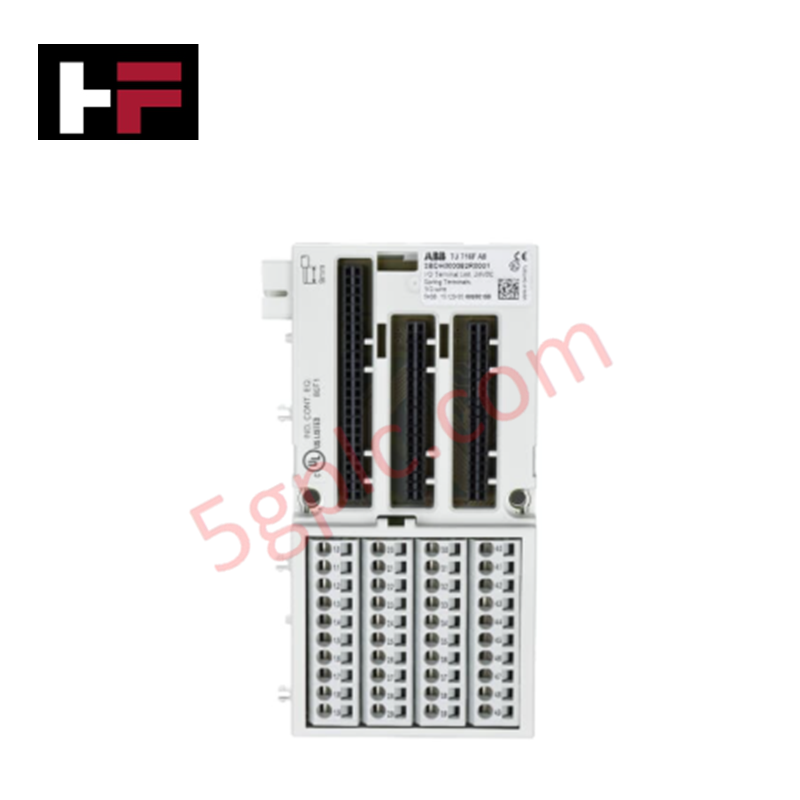
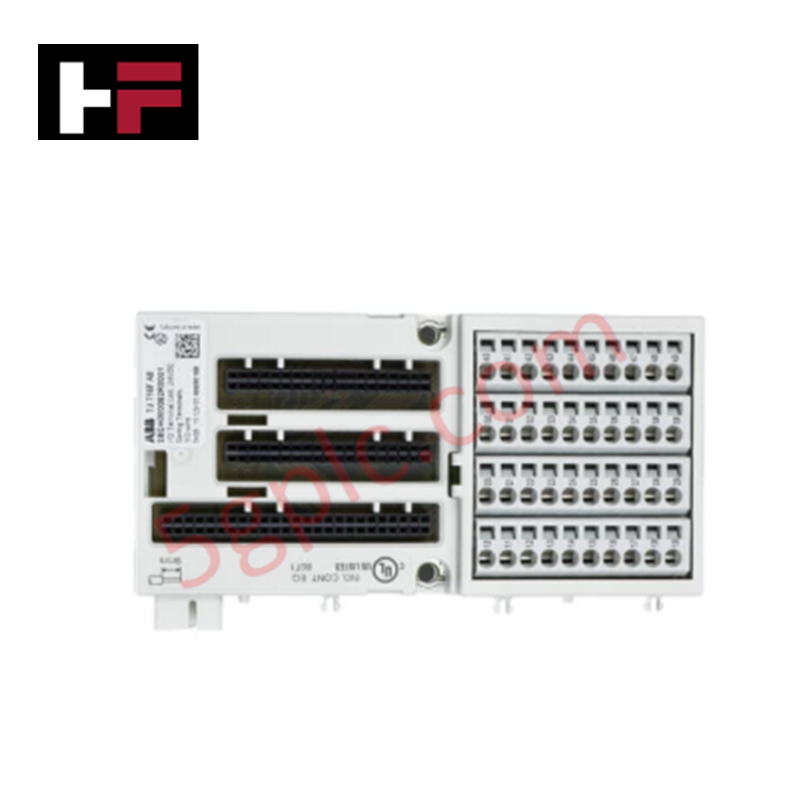
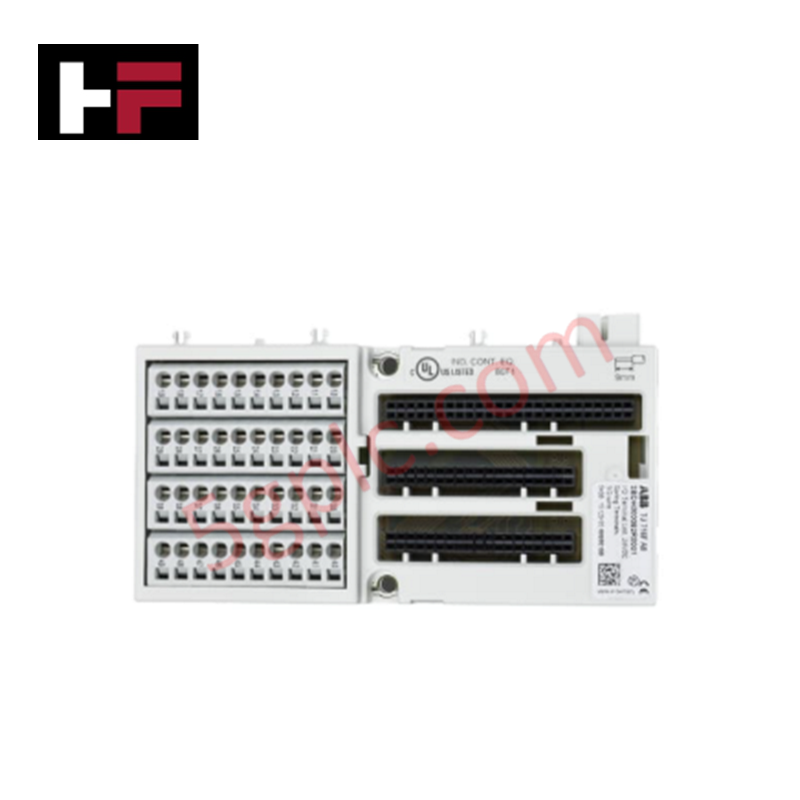
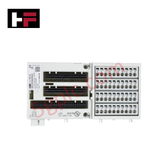
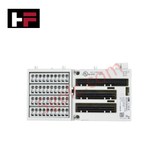
The ABB 3BDH000382R0001, also cataloged as the TU 716F I/O Terminal Unit, operates as a dedicated hardware component for field signal termination and electrical interfacing within S700 Freelance I/O platforms. Featuring spring-type terminals supporting 1/2 wire connections for wire sizes ranging from 0.08 to 2.5 mm², the unit routes signal connections and distributes a 24 VDC common mode voltage at load currents up to 10 A. The module occupies physical dimensions of 68 mm x 135 mm x 30 mm with a net weight of 0.17 kg.
Hardware Specifications
| Parameter | Specification |
|---|---|
| Model | TU 716F (Part Number: 3BDH000382R0001) |
| Brand | ABB |
| Origin | Sweden |
| Weight | 0.17 kg |
| Dimensions | 68 mm x 135 mm x 30 mm |
| Operating Temp | -20 deg C to +60 deg C |
| Power Consumption | Passive Termination Base (10 A Max Load Current) |
| Mechanical Series | S700 |
| Terminal Type | Spring type terminals, 1/2 wire |
| Common Mode Input Voltage | 24 VDC |
| Supported Wire Size | 0.08 ... 2.5 mm² |
Firmware Flash Compatibility
The ABB TU 716F I/O Terminal Unit acts as a passive mechanical and electrical base, ensuring complete independence from active controller firmware flash compatibility revisions. Because the unit contains no internal active processing integrated circuits or firmware microcode, replacing or upgrading plugged S700 I/O modules does not disrupt the field terminal connections or require software-level reconfigurations.
Frequently Asked Questions
Q: Does removing an I/O module from the TU 716F terminal unit break field wiring connections?
A: No. Field wiring remains permanently attached to the spring-type terminals on the TU 716F base during I/O module insertion or extraction, enabling module replacement without disconnecting field leads.
Q: What is the maximum continuous current capacity supported across the supply terminals?
A: The spring-type terminal block assembly supports a maximum continuous load current of 10 A across its 24 VDC power distribution bus.
Field Installation Guidelines
Mount the terminal unit onto standard DIN rail, ensuring the locking mechanism snaps securely into place to establish a solid physical bond. Insert stripped conductors (0.08 to 2.5 mm²) into the designated spring terminals using a standard terminal screwdriver to ensure gas-tight contact pressure. Keep 24 VDC field wiring separate from high-voltage AC cables in cabinet wireways. Connect all shielded signal cable drain wires directly to a central cabinet earth ground bar to maintain signal integrity across connected I/O modules.
Additional Information
- 100% Genuine Parts: All products are original and authentic, ensuring reliable industrial performance.
- 30-Day Refund Guarantee: Return any in-stock item within 30 days in original, unopened packaging for a full refund (excluding shipping and fees).
- 12-Month Warranty: Covers defects in materials or workmanship; excludes misuse, normal wear, or unauthorized modifications.
- Worldwide Shipping: We ship via USPS, UPS, FedEx, and DHL. Delivery times vary by country and may be subject to customs or import fees.
- Support & Contact: Technical and warranty assistance is available anytime. Contact us here: Contact.
- Purchase Guidance: Check product specifications and compatibility carefully before ordering to ensure proper application.


Tech & Buying Guide

Comprehensive Guide to Noise Types in Industrial Automation and Electronics

Mitigating Emergency Stop Spurious Trips in Industrial Control Systems
Emergency stop (E-Stop) pushbuttons serve as vital safety devices in factory automation and process control plants. Functional safety standards mandate normally-closed (NC) contact blocks to ensure fail-safe operation during wiring breaks or power outages. However, mechanical degradation over time can trigger unexpected spurious trips, halting production lines without an actual emergency. Understanding the underlying causes of mechanical contact failure allows automation engineers to implement robust, fault-tolerant safety circuits.
Redundant Automation Systems: Maximizing Uptime in Critical Control Applications
Industrial automation relies on continuous operational stability to prevent catastrophic downtime and financial loss. While standard dictionary definitions treat redundancy as superfluous, industrial engineers consider redundant control architectures indispensable for high-availability systems. Implementing backup hardware ensures seamless takeover during primary equipment failures, protecting critical infrastructure across manufacturing and process industries.