












Product Details
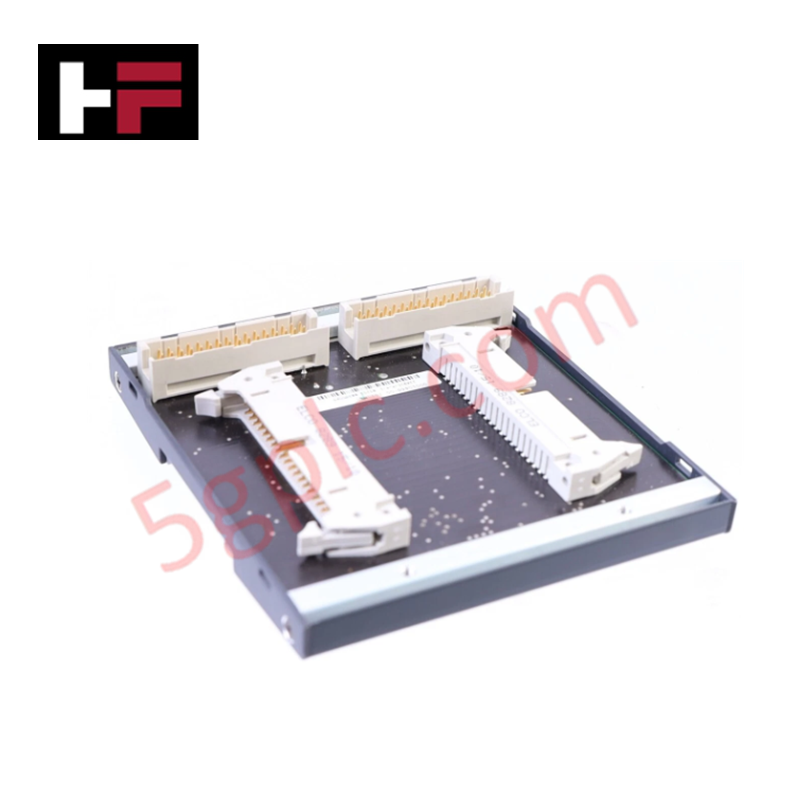
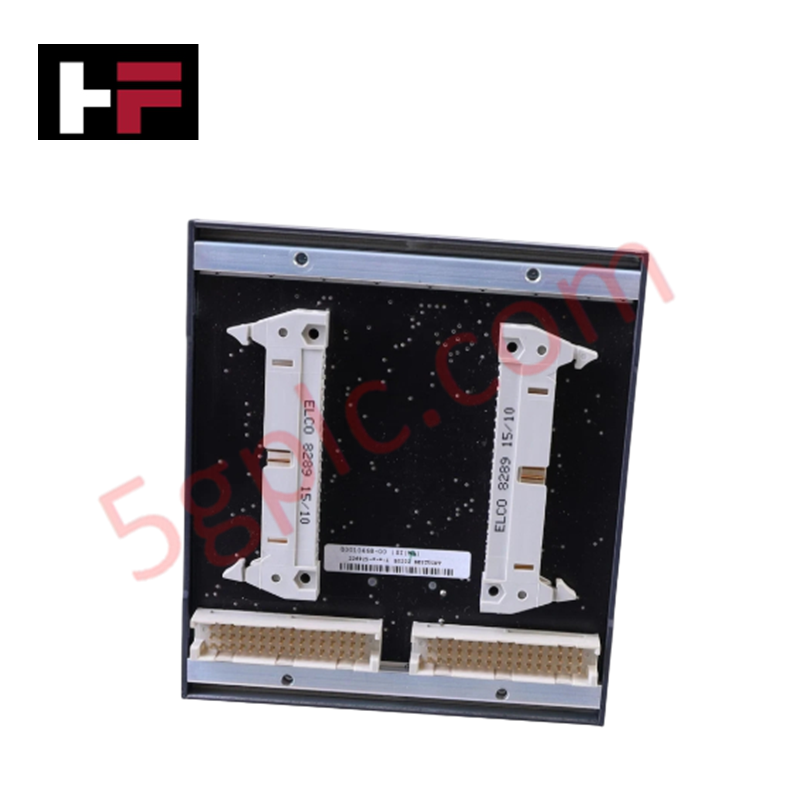
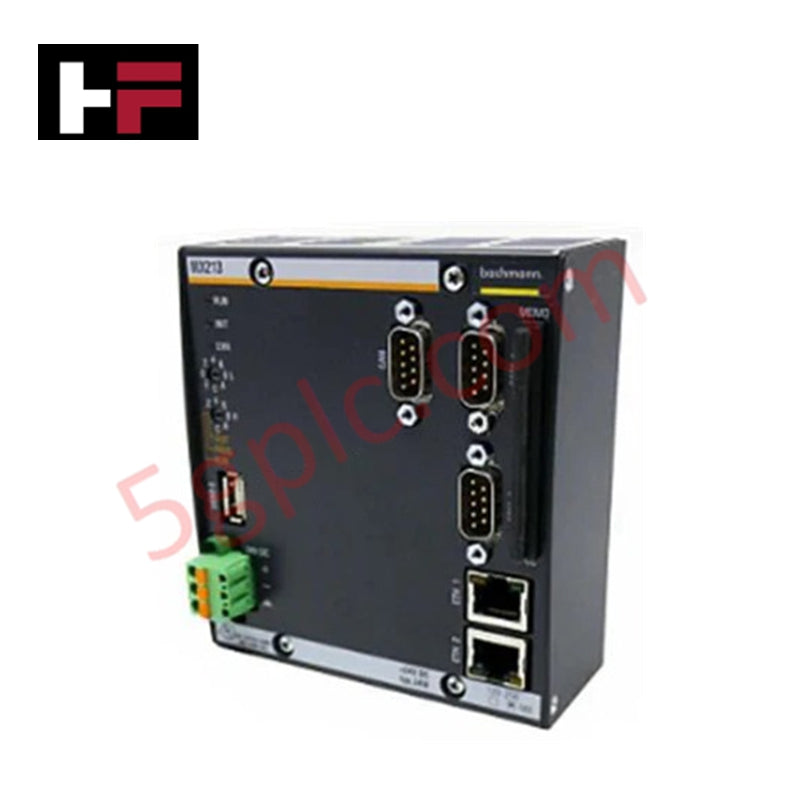
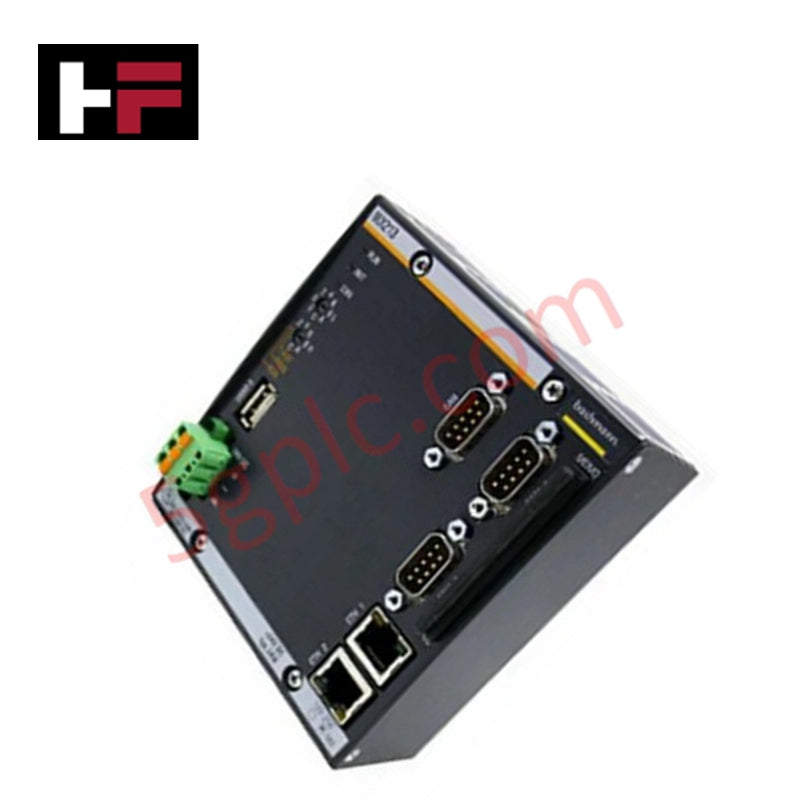
The Bachmann MX220, also cataloged as the MX220 Control Processor Module, operates as a dedicated hardware component for industrial-grade logic execution and process control within M1 automation systems.
Hardware Specifications
| Parameter | Specification |
|---|---|
| Model | MX220 |
| Brand | Bachmann |
| Origin | Austria |
| Weight | 0.35 kg (approx.) |
| Dimensions | 102 mm x 12 mm x 130 mm |
| Operating Temp | -30 deg C to 60 deg C |
| Power Consumption | 15 W (typical) |
| Processor | Low Voltage Industrial, up to 433 MHz |
| Main Memory | 256 MB RAM |
| Retentive Memory | 512 kB NVRAM |
Profinet / EtherNet/IP Deterministic Networks
The MX220 architecture is engineered to provide deterministic network connectivity, essential for high-speed process control. By maximizing backplane bus communication velocity, the module maintains tight synchronization between the processor and connected I/O, supporting real-time scheduling of multi-tasking operations. I/O density scaling is facilitated by the module's integrated power supply, which reduces the need for auxiliary power distribution units in space-constrained rack configurations. Firmware flash compatibility is supported, ensuring that the controller’s real-time operating system can be updated to incorporate performance optimizations and maintain communication stack integrity.
Frequently Asked Questions
Q: Does the MX220 support passive cooling for extreme temperature environments?
A: Yes, the module is designed for fanless operation across an ambient temperature range of -30 deg C to +60 deg C, utilizing specialized thermal management and conformal coating for robustness.
Q: Is the mass storage removable during runtime?
A: The CompactFlash slot and front-side PC-Card slot are intended for removable media; however, ensure the OS is not actively writing to the media before extraction to prevent file system corruption.
Q: How is the process data retained during a power loss event?
A: The module is equipped with 512 kB of non-volatile (Retain) memory, which stores critical process variables and diagnostic states until the next system boot.
Field Installation Guidelines
- Mounting: Secure the module into the M1 rack backplane. Ensure the slot is free of debris to prevent poor electrical contact with the backplane bus pins.
- Interface Cabling: When utilizing the RS422/RS485 interface, apply proper line termination at the physical ends of the bus to prevent signal reflections.
- Environment: While the unit is designed for -30 deg C to +60 deg C operation, avoid direct exposure to moisture or corrosive atmospheres if the optional environmental coating has been compromised.
- Earthing: Connect the rack chassis to a low-impedance functional earth (FE) to ensure the integrated EMI protection remains effective during operation in electrically noisy industrial sites.
Additional Information
- 100% Genuine Parts: All products are original and authentic, ensuring reliable industrial performance.
- 30-Day Refund Guarantee: Return any in-stock item within 30 days in original, unopened packaging for a full refund (excluding shipping and fees).
- 12-Month Warranty: Covers defects in materials or workmanship; excludes misuse, normal wear, or unauthorized modifications.
- Worldwide Shipping: We ship via USPS, UPS, FedEx, and DHL. Delivery times vary by country and may be subject to customs or import fees.
- Support & Contact: Technical and warranty assistance is available anytime. Contact us here: Contact.
- Purchase Guidance: Check product specifications and compatibility carefully before ordering to ensure proper application.
Tech & Buying Guide

Why Programmable Logic Controllers Drop into Stop Mode: An Expert Analysis
Industrial automation systems rely heavily on Programmable Logic Controllers (PLCs) to maintain uninterrupted production. When a PLC unexpectedly shifts from Run to Stop mode, whole manufacturing lines stall.
As control systems evolve across modern factory automation, understanding the root causes of these interruptions helps engineers minimize costly downtime. This technical guide breaks down why PLCs trip into Stop mode and provides practical strategies to mitigate system faults.

Understanding Root Causes of Unplanned PLC Stop Mode in Industrial Automation
Modern Programmable Logic Controllers manage execution through distinct operational states: Run, Stop, Start-Up, and Hold. During power-up, a controller initializes memory registers within Stop mode before briefly transitioning to Start-Up mode. During this phase, internal self-diagnostics evaluate system integrity across hardware and user programs. If the controller detects no critical faults, it enters Run mode to execute the control program continuously. However, any severe system anomaly forces the CPU back into Stop mode immediately to prevent erratic machine behavior across the plant floor.

Human-Machine Interface Design: Essential Guide to HMI Selection, Visualization, and Control System Integration
Human-Machine Interfaces (HMIs) serve as the primary operational window into complex industrial automation systems. Modern HMIs convert raw machine data into clear graphical displays, enabling operators to oversee entire manufacturing processes in real time. Instead of relying on physical control panels full of hardwired switches, engineers program interactive screens using intuitive graphics, dynamic color coding, and responsive touch interfaces. Over my 15 years in control systems engineering, I have observed HMIs transform from basic display screens into sophisticated command centers that drive operational efficiency across DCS and PLC environments.